
Why Denver Winters Make Ceramic Coating a Smart Investment Before the Snow Hits
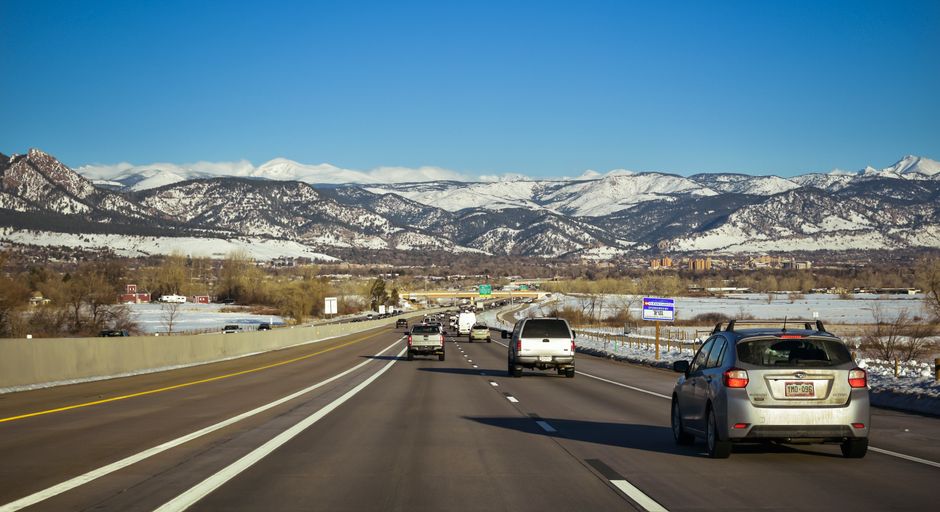
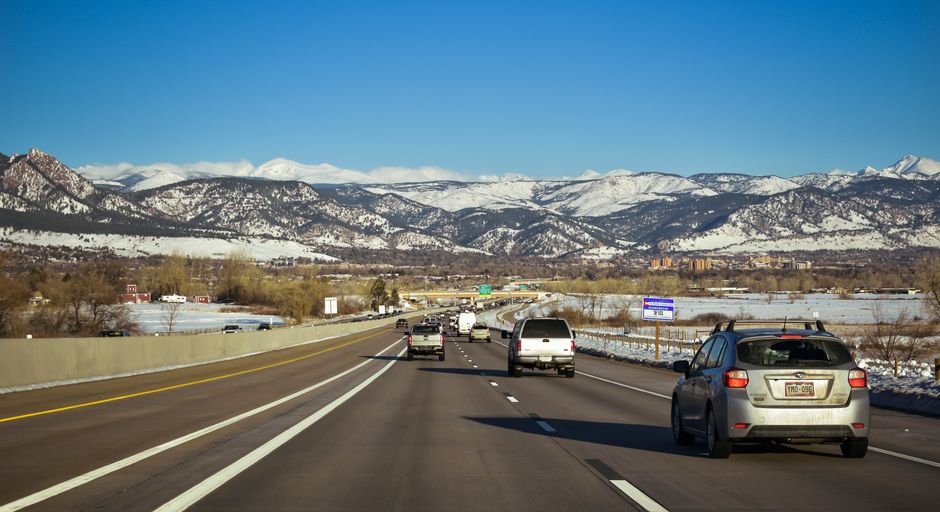
If you own a vehicle in Denver, you already know that winter here plays by its own rules. One morning your street is dry and sun-baked; by afternoon, the temperature has plunged and the roads are coated in a grey, gooey chemical that clings to everything it touches. While snow is a quintessential part of Colorado life, it brings with it corrosive de-icers and traction aids on our roads, and as a Coloradan, it is essential to understand how road treatments can affect your vehicle. That is where ceramic coating enters the picture, and why getting it applied before the first significant snowfall can save you serious money down the track.
I have spent a lot of time advising vehicle owners across Colorado on how to protect their paintwork, and the single most common regret I hear is this: “I wish I had done this before winter.” This guide will help you understand exactly what ceramic coating does, why Denver’s specific conditions make it such a worthwhile investment, and how to decide whether now is the right time for your vehicle.
Key Takeaways
-
Denver uses liquid magnesium chloride, not traditional road salt: In Colorado, the predominant de-icing solution used is magnesium chloride, a type of salt that can lower the freezing point of water even more than sodium chloride, effectively reducing ice and snow buildup, but it is equally corrosive to your paintwork and undercarriage.
-
The damage bill adds up fast: According to AAA’s road de-icers and rust damage research, the cost to repair salt-related rust damage in the US is estimated at $15.4 billion over five years, with rust-related damage costing drivers more than $3 billion annually. If your paint is left unprotected, you are contributing to that figure.
-
Denver’s altitude intensifies UV damage year-round: At 5,280 feet, UV radiation is 25% more intense than at sea level, meaning your clear coat is under pressure even when there is no snow on the ground.
-
Ceramic coating lasts years, not weeks: With proper maintenance hydrophobic ceramic coatings can last between 2 to 5 years, offering long-term benefits such as improved aesthetic appeal, lower maintenance costs, and increased resale value. Traditional wax lasts a matter of weeks.
-
Autumn is the ideal window for application: Autumn presents a prime opportunity to coat your vehicle. As the weather cools down, preparing your vehicle for the winter months becomes essential, and coating before winter ensures it stands strong against corrosive elements such as road salt and ice.
Quick-Start Prioritisation Framework
Before diving into the detail, use this table to identify where to focus your attention based on your situation.
| Strategy | Best For | Effort Level | Time to Results |
|---|---|---|---|
| Full professional ceramic coating | New or well-maintained vehicles heading into winter | Medium | 1-2 days application + cure |
| Paint correction followed by ceramic coating | Vehicles with existing swirl marks, light scratches, or oxidation | High | 2-3 days total |
| Ceramic coating on wheels and glass only | Tight budgets; addresses the highest-contact surfaces first | Low | Same day |
| Ceramic sealant spray (entry level) | Vehicles needing a quick seasonal barrier on a budget | Low | Hours |
Start here if you are:
-
A new vehicle owner: Book a full professional ceramic coating now, before the first snow hits. The paintwork is in optimal condition and will bond perfectly.
-
Driving an older vehicle with visible paint wear: Start with paint correction first, then apply ceramic coating. Locking in imperfections under a coating is a mistake you cannot easily undo.
-
Working to a tight budget: Ask about a wheel and glass package first. These surfaces take the most direct chemical punishment from road treatments and are worth protecting even when a full coat is not yet within reach.
What Denver’s Winter Roads Actually Do to Your Paint
Magnesium Chloride: Colorado’s Specific Threat
Most drivers think of “road salt” as the white granular substance common in states like Minnesota or Ohio. Denver is different. The solid de-icer that Denver uses is called Ice Slicer, a naturally mined product composed of more than 90% chloride salts. On top of that, The solid de-icer that Denver uses chloride as a de-icer for areas downtown.
While this chemical solution effectively melts ice and prevents dangerous driving conditions, it poses a significant threat to vehicles, and over time liquid magnesium chloride can cause extensive corrosion and damage to your car’s exterior, undercarriage, and mechanical components. The problem is that magnesium chloride is a liquid and behaves differently to granular salt. It stays wet longer and clings to surfaces far more persistently, which gives it more time to work its way into every gap and joint in your vehicle’s bodywork.
The Freeze-Thaw Cycle: An Overlooked Paint Destroyer
Winter conditions mean your car is constantly exposed to snow, ice, and freezing rain. Moisture seeps into cracks and chips in the paint, leading to rust formation and weakening your car’s structural integrity. Repeated freeze-thaw cycles make this problem worse, expanding small imperfections and accelerating wear.
In Denver, this cycle is especially punishing because the city experiences dramatic temperature swings. Denver can experience temperature swings of 40 or more degrees in a single day, and these fluctuations cause your paint to expand and contract, leading to microscopic cracks. Each tiny crack is an entry point for moisture and corrosive chemicals. Without a protective layer, those micro-cracks grow into something visible, and visible paint damage is expensive to put right.
The High-Altitude UV Problem That Does Not Take a Winter Break
Here is something many Denver drivers do not realise: UV damage does not stop just because it is snowing. In fact, snow reflects solar radiation and intensifies it. Sitting more than 5,000 feet above sea level, Denver and much of the Front Range receive stronger solar radiation than comparable locations at sea level, and long stretches of bright sun, plus reflective glare off snow in winter, increase cumulative UV exposure.
Denver’s position at altitude and its more than 300 sunny days per year create a UV radiation environment significantly more intense than most American cities, which accelerates paint clear coat degradation, dashboard and interior plastic fading, and the deterioration of rubber seals. This is a year-round problem, and it is one of the strongest arguments for a UV-resistant protective layer that does not need to be re-applied every few months.
Pro Tip: If you notice your paintwork starting to look chalky or faded even though the car is relatively new, that is UV oxidation at work. At Denver’s altitude, this process happens faster than the national average. A ceramic coating’s UV-blocking properties slow this deterioration significantly.
How Ceramic Coating Actually Works
The Chemistry Behind the Protection
Ceramic coatings are composed of liquid polymers that form a strong molecular bond upon application, creating a hydrophobic surface which means that water and grime simply roll off rather than stick to the paint. This is fundamentally different from wax, which simply sits on top of your paint as a temporary sacrificial layer.
The chemically bonded coating blocks chloride ions, eliminating direct contact between salt and paint. Unlike wax, ceramic remains stable in subzero temperatures and lasts years without frequent reapplication. This stability in cold conditions is precisely why ceramic coating is so well-suited to Denver winters, where traditional wax can break down and leave your paint unprotected within weeks of the first snowfall.
What It Protects Against in a Denver Winter
When you drive through Denver streets after a snowstorm, your vehicle is simultaneously exposed to chloride salts, abrasive grit, standing water, UV radiation from sun reflecting off snow, and temperature extremes. A professionally applied ceramic coating addresses all of these threats in one application.
Road salt used to melt ice and snow during winter can cause rust and corrosion on your vehicle’s body over time. Ceramic coatings form a protective barrier on your vehicle’s paint, preventing salt and other contaminants from directly contacting the paint surface, which can help reduce the risk of salt-induced corrosion.
According to research from the Auto Care Association, vehicles treated with ceramic solutions experience a substantial 35% reduction in salt and chemical corrosion compared to their untreated counterparts. If you are not seeing that level of protection with your current approach, your paint is vulnerable right now. That is the benchmark to aim for.

The Hydrophobic Advantage in Practice
Ceramic coating creates an ultra-smooth, water-repellent surface, making it harder for snow, ice, and slush to stick to your car. Instead of accumulating on the paint, moisture beads up and rolls off, reducing ice buildup and making snow removal easier.
I have found that this practical benefit is one of the most immediately noticeable for daily drivers in Denver. Scraping ice off a ceramic-coated vehicle takes noticeably less effort. The coating stops ice and slush from bonding to the surface at the same rate, which means your morning routine gets a little easier every time it snows.
Studies indicate that those who apply hydrophobic coatings experience up to a 50% reduction in wash frequency. Less washing not only saves time and money but also protects your paintwork from the wear and tear that can arise from frequent cleaning. If you are currently washing your car every week during winter to remove road chemicals, that is a habit that ceramic coating can help reduce considerably.
Pro Tip: After a snowstorm, rinse your ceramic-coated vehicle with clean water before any washing. The hydrophobic surface means the bulk of salt and grime will simply run off, often without any scrubbing needed at all.
The following video walks through how ceramic coatings bond to paintwork and what that means in practical terms for protection and maintenance.
Ceramic Coating vs. Traditional Wax: A Denver-Specific Comparison
Why Wax Falls Short in Colorado
Colorado’s high-altitude UV exposure breaks down wax and sealants faster than anywhere at sea level. Denver’s combination of high UV, road salt, and dry air quickly breaks down traditional wax and sealants. A wax applied in September may be functionally gone by November, leaving your paint exposed through the harshest months of the year.
Ceramic coating is the marathon runner of car protection, lasting anywhere from 2 to 5 years or more, thanks to its tough bond with your car’s paint. Wax, by contrast, lasts up to 3 months before it is time for another round. In Denver’s conditions, that three-month estimate is optimistic. The reality for many vehicle owners is closer to six to eight weeks before wax degrades to the point of offering minimal protection.
The Long-Term Value Equation
Pros:
-
Ceramic coating lasts 2 to 5 years versus weeks for wax, according to Chemical Guys’ ceramic coating vs. wax comparison
-
Reduces wash frequency by up to 50%, saving time and reducing paint wear from cleaning
-
Protects against magnesium chloride corrosion, UV oxidation, and freeze-thaw paint damage simultaneously
-
Can improve resale value; recent studies show that cars with glossy, well-kept paint jobs can fetch up to 10-15% higher resale prices than those with visibly worn or damaged paint
-
Eliminates the need for seasonal re-waxing
Cons:
-
Higher upfront cost compared to a tin of wax
-
Requires professional application for best results
-
Needs appropriate temperature conditions during application, which creates a limited seasonal window in Denver
-
Paint correction may be needed first if the vehicle has existing imperfections, adding to the cost and time
What to Expect: Timing, Cost, and the Application Process
The Autumn Window in Denver
Late autumn and early winter often provide ideal conditions for ceramic coating application in most regions. During these months, temperatures are moderate, humidity levels are typically lower, and there is less risk of sudden weather changes that could disrupt the curing process.
Every ceramic coating has a specific application temperature range, typically between 50°F and 85°F. Denver’s September and October days sit comfortably within that window. Once temperatures start dropping below freezing consistently in November, outdoor application becomes problematic. This creates a clear seasonal deadline: get it done in early to mid-autumn, or wait for spring.
Ceramic coatings usually take 24-48 hours to cure fully in optimal conditions. During this window, the vehicle needs to stay dry and out of extreme temperatures. A professional service with a controlled indoor environment removes this worry entirely, which is one of the key reasons I advise most drivers to go the professional route rather than attempting a DIY kit.
What It Costs in 2025-2026
Ceramic coating costs for a small vehicle can range from around $800 to more than $1,100. Professionally coating all exterior surfaces, including a car, truck, or SUV, can start around $1,350 for a car, $1,550 for an SUV, and $1,650 for a truck, with higher-end jobs reaching $2,500 or more, according to Autotrader’s ceramic coating cost guide.
A longer-lasting coating is often the biggest factor in price and will cost more up front but may save you money over time. When you compare the cost of a five-year coating against five years of wax applications, professional car washes to remove road chemicals, and the potential cost of paint correction or rust repairs, the investment case for ceramic coating becomes straightforward. Among US drivers who experienced rust damage, the average number of repairs over five years was one and a half, costing an average of $490 per repair, per AAA’s de-icers and rust damage fact sheet. Preventing even one of those repairs goes a long way towards covering the cost of the coating.
Pro Tip: Ask your detailer whether paint correction is included or quoted separately. If your vehicle has any existing swirl marks, scratches, or light oxidation, that correction step is essential. Applying ceramic coating over unaddressed paint defects seals them in, and correcting them later means removing and reapplying the coating. Get the preparation right the first time.
The team at FB Mobile Auto Detailing works with Denver vehicle owners specifically on this kind of pre-winter protection, assessing the current condition of your paintwork and recommending the right tier of coating and preparation for your vehicle’s needs.

Common Mistakes to Avoid Before and After Ceramic Coating
Skipping Surface Preparation
In my experience, this is the single biggest mistake I see. With proper maintenance the car’s surface must be thoroughly washed, decontaminated, and inspected for imperfections. Paint correction may also be necessary to remove any scratches or swirl marks. Proper surface preparation is critical to ensuring the ceramic coating bonds effectively and provides long-lasting protection.
Rushing this step produces a coating that looks great for a few weeks and then begins to show high spots, hazing, or uneven sheen. A well-prepared surface gives you the full 2 to 5-year lifespan the product is capable of delivering.
Using Automatic Car Washes After Coating
Weekly washing with pH-neutral soap and immediate contaminant removal are recommended for maintenance. Avoid automatic car washes, as harsh chemicals and brushes degrade coatings quickly. This is particularly relevant in Denver, where it is tempting to run through an automatic wash to remove road chemicals after a snowstorm. That convenience comes at the cost of your coating’s longevity.
Waiting Too Long Into the Season
The optimal application window in Denver is September through to mid-October. Waiting until November means working against the temperature constraints that affect how well the coating cures. If you have already missed this year’s window, book for early spring before hail season begins. The same logic applies: you want the coating in place before the most damaging conditions arrive.
Frequently Asked Questions
Does ceramic coating really protect against Denver’s magnesium chloride road treatments?
The highly durable chemical resistance of ceramic coating prevents road salt from bonding with your car’s paint. This protective layer blocks corrosive chemicals, keeping your vehicle’s exterior pristine and reducing the risk of rust and paint damage. While ceramic coating does not make your vehicle completely impervious to chemical damage, it creates a significantly more resistant barrier than untreated or waxed paint. The Auto Care Association data cited earlier places that improvement at around 35% less corrosion for coated vehicles. After every snowstorm, however, rinsing your vehicle promptly remains an important habit even with a coating in place.
How long does a professional ceramic coating last on a Denver vehicle?
Professional-grade coatings typically last 2-5 years with proper maintenance. In Denver’s conditions, with high UV exposure, temperature extremes, and road chemical exposure; I would place most well-maintained professional coatings at 3 to 4 years before a top-up or recoat makes sense. Using a pH-neutral wash product and avoiding automatic car washes will maximise your coating’s lifespan considerably.
Can I apply ceramic coating myself with a DIY kit?
You can, but I would encourage caution in Denver specifically. DIY kits typically offer shorter durability, about 1-2 years compared to 3-7 or more years for professional coatings. DIY coatings generally contain 30-50% SiO₂, while professional-grade products can reach 85-90% SiO₂, contributing to their longer lifespan. Given that Denver’s conditions are harder on vehicles than lower-altitude cities, the difference in chemical concentration between a DIY product and a professional-grade coating matters considerably. For a daily driver in Colorado, the professional route delivers meaningfully better protection.
Is autumn the only good time to get ceramic coating applied in Denver?
Ceramic coatings can technically be applied at any time of year, but the best time is usually when weather conditions are optimal for proper bonding and curing. Spring is another excellent window in Denver. The key principle is to get the coating in place before the season that is most damaging to your vehicle. Autumn gets you ready for winter’s road chemicals; spring gets you ready for summer UV, hail season, and insect splatter. Both are valid. What I would avoid is going into a harsh Denver winter with an unprotected or wax-only vehicle.
Does ceramic coating help with resale value when I sell the vehicle?
Ceramic coating plays a significant role in maximising the resale value of a vehicle by providing long-lasting protection against environmental elements and preserving the car’s original appearance and condition. This protective layer minimises wear from UV rays and acid rain, making the vehicle more attractive to potential buyers and often resulting in higher trade-in offers or sale prices. In a market where buyers can compare dozens of vehicles, paint condition is one of the first things that makes an impression, and a vehicle that has been properly protected since new tells a story of conscientious ownership.
The Bottom Line
Denver’s winters are not just cold; they are chemically aggressive, UV-intense, and relentless in how they cycle between freezing and thawing. Every one of those conditions works against your vehicle’s paintwork. Ceramic coating addresses all of them with a single, long-lasting application, and the autumn window before snowfall is the ideal time to act.
Whether you are protecting a new vehicle you plan to keep for years, or trying to preserve the resale value of a vehicle you plan to sell in the next few seasons, the investment in ceramic coating makes practical sense. The team at FB Mobile Auto Detailing can assess your vehicle’s current condition and recommend the right approach for your specific situation before Denver’s winter takes its toll.
Sources
-
Auto Care Association ceramic coating corrosion research, Data on 35% reduction in salt and chemical corrosion for coated vehicles. https://newsroom.aaa.com/wp-content/uploads/2017/02/Road-De-icers-and-Rust-Damage-Fact-Sheet-FINAL.pdf
-
AAA Road De-icers and Rust Damage Fact Sheet, Research on the national cost of salt-related rust damage and average repair costs. https://newsroom.aaa.com/wp-content/uploads/2017/02/Road-De-icers-and-Rust-Damage-Fact-Sheet-FINAL.pdf
-
Autowash Colorado: Is Mag Chloride Destroying Your Car?, Context on Colorado’s use of magnesium chloride as a de-icing solution. https://www.autowashco.com/post/is-mag-chloride-destroying-your-car
-
KDVR/FOX31: What is Used to De-ice Roads in Denver?, Detail on Denver’s use of Ice Slicer and liquid magnesium chloride. The solid de-icer that Denver uses
-
CDOT Winter Maintenance FAQ, Colorado Department of Transportation guidance on de-icing products and vehicle care. https://www.codot.gov/travel/winter-driving/maintenance-faq
-
IGL Coatings: Getting Hydrophobic Ceramic Coating, Information on ceramic coating longevity, maintenance benefits, and resale value. With proper maintenance
-
Autotrader: How Much Does Ceramic Coating Cost?, National pricing data for professional ceramic coating by vehicle type. https://www.autotrader.com/car-shopping/ceramic-coating-cost
-
Chemical Guys: Ceramic Coating vs. Wax, Comparison of longevity and protection levels between ceramic coating and traditional wax. https://www.chemicalguys.com/blogs/exterior-how-tos/ceramic-coating-vs-wax
-
Garvin Auto: 6 Benefits of Hydrophobic Ceramic Coatings, Research data on wash frequency reduction and protection against environmental contaminants. https://www.garvinauto.com/6-benefits-of-hydrophobic-ceramic-coatings-for-your-vehicle
-
National Weather Service: History of Snowfall Observations at Denver, Long-term average snowfall data for Denver. https://www.weather.gov/bou/seasonalsnowfall
-
Detail King: Ceramic Coating Cold Weather Tips, Application temperature requirements and best practices for autumn and winter. https://blog.detailking.com/ceramic-coating-cold-weather-tips/
-
Prestige Autos: Impact of Ceramic Coating on Resale Value, Research on the relationship between paint condition and vehicle resale pricing. https://www.prestigeautoarmor.com/the-impact-of-ceramic-coating-on-vehicle-s-resale-value
-
Cayman Window Tinting: When to Apply Ceramic Coating, Seasonal guidance on optimal application windows. https://www.caymanwindowtinting.com/when-to-apply-ceramic-coating
-
Apex Tint LLC: Ceramic Coatings Against Salt and Snow, Protection mechanisms of ceramic coating against road salt and de-icers. https://www.apextintllc.com/will-ceramic-coatings-protect-against-sand-and-salt-in-the-winter
-
The Car Resource: Protecting Paint Against Road Salt Etching, Chemical bonding mechanisms and subzero performance of ceramic vs wax. The chemically bonded coating


