
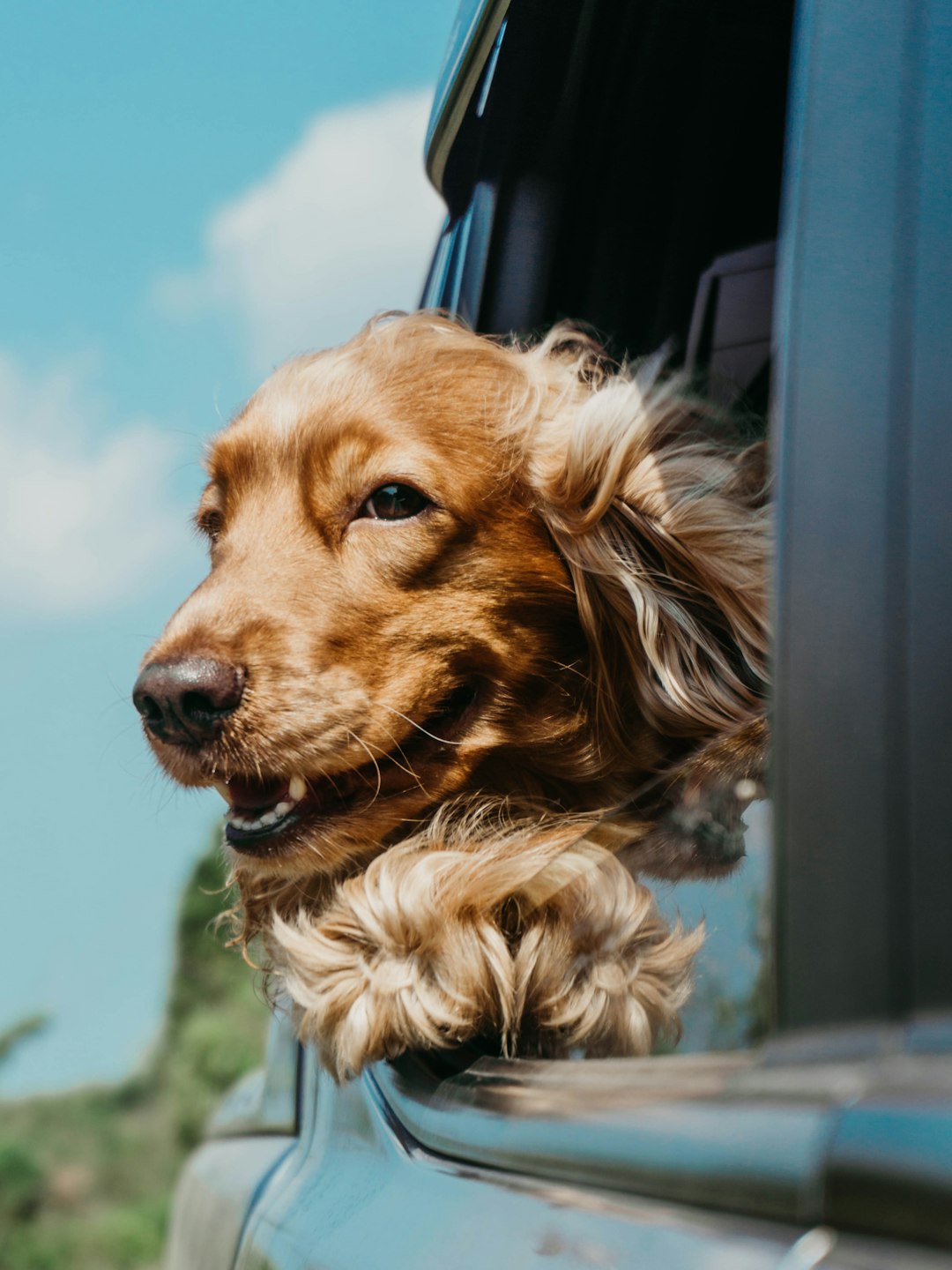
Dog Hair on Car Seats Is Relentless — Here Are the Best Ways to Fight It
If you drive with a dog in Denver, you already know the scene: you open the rear door and find a layer of fur thick enough to double as upholstery. Around 50 percent of Denver’s residents have a dog, with 68 percent reporting that they own at least one pet, according to a 2024 survey by the Colorado Polling Institute. That is a staggering number of fur-coated back seats. And with Colorado’s dramatic temperature swings pushing dogs to shed in both spring and autumn, the problem feels like it resets itself twice a year before you have even finished cleaning up the last round.
I have spent years helping vehicle owners in the Denver area restore their interiors, and dog hair is, without question, the single most stubborn issue we encounter. The good news is that it is very manageable once you understand why hair clings the way it does and match the right tool to the right surface. This guide walks through every proven method, from a two-minute quick-fix to knowing when to call in a professional.

Key Takeaways
-
Static is the real enemy: Dog hair carries a natural static charge that creates a bond between the hair shaft and individual threads in the material, meaning hair actively resists lifting rather than resting loosely on the surface. Break the static first, then extract.
-
Shedding season doubles your workload: According to the American Kennel Club’s guide to managing dog shedding, for dogs that shed seasonally, the heaviest shedding usually occurs in spring and fall, in spring, dogs lose their heavier winter coats to stay cool, while in fall they shed lighter hair to make way for thicker insulation. Plan a deep clean for May and October.
-
Match the tool to the surface: Leather and vinyl hold hair on top rather than inside a weave, making removal far quicker, while cloth upholstery demands more passes precisely because the fabric pile traps hair at the fibre level.
-
Most dog owners struggle with this: According to recent surveys, 67% of pet owners struggle with removing stubborn fur from their vehicle interiors. You are not doing anything wrong; you just need better tools and a consistent routine.
-
Prevention beats cure: Reactive cleaning takes far more time than consistent prevention. Keeping hair from embedding reduces full extraction sessions from a regular chore to an occasional one.
Quick-Start Prioritisation Framework
| Strategy | Best For | Effort Level | Time to Results |
|---|---|---|---|
| Lint roller quick-pass | Loose surface hair after short trips | Low | 2 minutes |
| Damp rubber glove method | Embedded fabric hair, budget-conscious | Low-Medium | 5-10 minutes |
| Rubber squeegee drag | Deeply embedded hair in woven seats | Medium | 10-15 minutes |
| Fabric softener spray + vacuum | Heavy static-cling buildup on cloth | Medium | 15-20 minutes |
| Pet seat cover or cargo liner | SUV cargo areas, frequent travellers | Low (setup) | Immediate prevention |
| Professional mobile detailing | Months of buildup, pre-sale clean, odour | Low (for you) | Same-day results |
Start here if you are:
-
A quick-clean owner after every trip: Lint roller in the glovebox plus a damp rubber glove pass, fastest ROI for daily dog drivers.
-
Dealing with embedded, months-old hair: Rubber squeegee, fabric softener spray, and a high-powered vacuum is the right sequence.
-
Prepping an SUV for sale or guests: Book a professional mobile detailing service, the tools pros use reach fibres no household vacuum can touch.
Why Dog Hair Bonds to Car Seats So Stubbornly
Understanding the science saves you from using the wrong tool and making the job harder.
Static Charge and Fibre Trapping
Pet hair sticks due to static cling and friction. Most car interiors, especially cloth upholstery and carpet, create the perfect storm of texture and static electricity. When your dog moves around on a fabric seat, every shift builds up more charge, pressing the hair deeper into the weave. Fabric seat surfaces are woven in a specific direction, and dog hair enters the weave at an angle that allows easy entry but resists exit, the shorter the hair, the deeper it travels before stopping.
This is why running a standard vacuum over the surface often redistributes hair rather than removing it. The suction simply is not targeting the embedded shafts.
Shedding Peaks Make It Worse in Colorado
Seasonal shedding typically peaks in spring and fall, spring shedding thins out your pet’s coat in preparation for warmer weather, while fall shedding makes room for them to grow a heavier winter coat. In Colorado, that spring peak lines up perfectly with the months when dog owners are driving their pets to trails and parks after winter. Denver dog owners are more likely to hike alongside their dog (74%) than owners in most other cities. More trail trips mean more hair, and Colorado’s dry, low-humidity air amplifies static cling in the car interior.
Pro Tip: Before any cleaning session, lightly mist the upholstery with plain water using a spray bottle. A light mist on upholstery before vacuuming assists in clumping the hair together, which makes it far easier to remove. This single step cuts your cleaning time significantly.
The Right Tool for Every Surface
Different surfaces in your dog hair car interior need different approaches. Using one catch-all method is the most common mistake I see.
Fabric and Cloth Seats
Fabric seats are like magnets for dog hair, clinging to every fibre and seam. The most effective sequence is: loosen, then lift, then vacuum.
The damp rubber glove method is the best starting point for most people. Household rubber gloves can be a tremendous impromptu pet hair remover, slightly dampen the gloves and run your hand over the seats and carpets. The static electricity generated helps lift and gather pet hair, making it simple to pick up or vacuum away. Work in short, firm strokes in one direction to ball the hair into clumps you can pick off by hand.
The rubber squeegee trick is underused and very effective for deeply embedded hair. Drag a rubber window squeegee across the seat fabric in short, firm strokes, the rubber edge pulls embedded hair out of the weave and collects it into rows you can pick up. Drag a rubber window squeegee first to improve the squeegee’s grip.
Fabric softener spray is the right call when static is the main problem. Fabric softener helps neutralise static, which loosens the grip that synthetic fibres have on the remaining hair. Once the area is lightly misted, vacuum thoroughly, with the static reduced and the surface hair already cleared, the vacuum can now lift the stubborn hair much more effectively. Mix one part fabric softener to three or four parts water in a spray bottle, and mist lightly, do not soak the fabric.
Leather and Vinyl Seats
Leather interiors, while less prone to holding onto hair, can still present a challenge, especially in the seams and grain of the leather. Use a soft brush vacuum attachment to avoid scratching the leather while dislodging embedded hair. A dampen microfiber cloth wiped down over leather surfaces will cause hair to cling to the cloth, making it easy to remove.
After cleaning, apply a premium leather conditioner to nourish the material and prevent cracks where hair can settle. Colorado’s intense UV exposure and low humidity are particularly hard on leather seats, so this final step is especially important here.

Carpets and Floor Mats
Floor mats are easier to deal with because they come out. Remove them, take them outside, and shake them vigorously first. A wire brush works well on car carpet and fabric surfaces to loosen embedded dog fur before vacuuming. For the carpet under the seats, use a crevice tool to target tight areas like between seats, the glove compartment, and carpet corners.
Pro Tip: A wire brush works well on car suction power, so clear the canister frequently throughout a dog hair cleaning session. A clogged canister is one of the most common reasons a vacuum feels ineffective on pet hair.
The following demonstration covers five low-cost methods for lifting pet hair from different interior surfaces, which pairs well with the tool guidance above.
Dog Hair SUV Cleaning: A Different Challenge
SUVs and people-carriers present a unique dog hair car interior cleaning challenge because dogs often travel in the cargo area, which has larger surface areas, lower pile carpeting, and tight corners that standard tools struggle to reach.
Tackling the Cargo Area
SUVs and family vehicles often accumulate large amounts of hair in cargo spaces. The cargo liner is your best preventative tool. For pet owners who travel frequently with their pets, a cargo liner is a great option, especially if you transport your dog in the back of an SUV or hatchback, a liner protects the entire cargo area from dirt, fur, and spills, making cleanup quick and easy.
If hair is already embedded in the cargo carpet, start with a rubber bristle brush or pet-specific brush to agitate the fibres and break the static bond. Follow with a high-powered vacuum using a brush attachment. The fastest way to get dog hair out is to use a vacuum cleaner with a brush tool with hard rubber bristles that help pull dog hair off your car seats.
Confine Your Dog to One Zone
Confining your dog to one seat or cargo area contains hair spread and speeds up post-trip cleaning. If your dog is a frequent passenger and has always had free run of the vehicle, this one habit change will halve your cleaning time almost immediately. Use a dog-specific harness or barrier net for safety and containment together.
Pro Tip: Brushing your dog before loading into the vehicle removes loose hair before it transfers to seats or carpet, reducing the cleaning effort needed after each ride. Two minutes with a de-shedding brush in the driveway equals much less time vacuuming later.
Prevention: Stopping Hair Before It Embeds
The smartest approach to dog hair on car seats is reducing how much reaches the fabric in the first place. In my experience, owners who build even two or three of these habits into their routine spend far less time cleaning overall.
Seat Covers and Cargo Liners
For pet owners who travel seat cover can save you time and energy in the long run, after each trip, simply remove the cover, shake off the hair, and throw it in the washing machine for a fresh start. When choosing a cover for fabric seats, look for a smooth, tightly woven surface that resists hair embedding, the same weave that makes fabric seats magnets for fur makes cheap seat covers equally problematic.
When choosing seat covers, opt for ones that are waterproof, scratchproof, and non-slip. For SUVs, a purpose-built cargo liner with raised sides will stop hair from migrating into the bench gap and footwell.
Regular Grooming
Consistent grooming reduces the loose hair your dog sheds inside the car. Regularly brushing your dog with appropriate tools helps in managing shedding. During Colorado’s spring and autumn peak shedding periods, roughly March through May, and September through November, you may need to groom your dog more often on a temporary basis. The American Kennel Club’s shedding management guide recommends matching your grooming frequency to your dog’s coat type and current shedding pattern.
Weekly Maintenance Schedule
The frequency of cleaning depends on how often your dog rides along, pet owners who frequently travel with their dogs should aim for a weekly vacuum and wipe-down. Keep a lint roller and a rubber glove in the door pocket and turn cleanup into a two-minute habit. That short investment after every trip stops hair from working its way deep into fibres where it requires much more effort to remove.

When to Call a Professional
There is a point at which DIY methods hit their limit. Sometimes the hair has been baked in by sun and time, or it is woven so deep into the carpet that DIY tools just redistribute it, that is when a professional interior detailing service pays off. Detailers use high-powered extraction, specialised pet-hair tools, and proper agitation to pull fur that household tools cannot reach, and it is especially worth it before selling your car or after a heavy-shedding season.
Signs it is time to book a professional detail:
-
Regular vacuuming no longer removes visible hair
-
Hair is matted flat in carpet under seats
-
A pet odour is now present even after cleaning
-
You are preparing the vehicle for resale
Professional pet hair removal pricing typically ranges from $50 to $100 for light buildup, $100 to $200 for moderate buildup, and $200 or more for heavy pet hair removal. That is a reasonable investment when you consider that embedded hair and associated odours can reduce a vehicle’s resale value. For Denver and the surrounding Colorado Front Range, FB Mobile Auto Detailing offers mobile interior detailing services that come to your driveway, no need to drive to a shop, with specialised tools designed for the kind of deep extraction that household vacuums simply cannot achieve.
Most pet owners benefit from a professional detail once or twice a year. If you travel with pets weekly, consider scheduling every four to six months, regular cleaning keeps hair and odour from building up to a hard-to-remove level.
Common Mistakes That Make Dog Hair Worse
I have seen these errors again and again, and each one makes the job significantly harder.
-
Vacuuming without loosening first: A vacuum alone cannot break the static bond. Always use a rubber glove, squeegee, or brush before vacuuming embedded hair.
-
Using a full vacuum canister: Suction drops substantially when the canister is full. Empty it before you start.
-
Rubbing hair with a dry cloth: Dry wiping spreads and re-embeds hair. Standard wiping spreads it rather than removing it.
-
Skipping the seams: A wire brush works well on car seams, corners, and the glove compartment, seams trap more hair per square centimetre than open seat surfaces.
-
Using anti-static spray without testing: It is recommended to steer clear from anti-static sprays, as they can easily stain the seats you are trying to clean. Stick to diluted fabric softener solution as a safer alternative.

Frequently Asked Questions
Why does dog hair stick so much to car seats compared to other surfaces?
Dog hair has a natural tendency to cling stubbornly to your car’s interior due to its unique properties and the materials commonly used in vehicle upholstery, dog hair often carries a static charge, which causes it to stick to synthetic fabrics like those found in car seats and carpets. The woven texture of fabric seats also allows individual hairs to enter the fibres at an angle that makes removal difficult. Leather and vinyl repel hair more readily because they offer no woven structure to trap it.
What is the single most effective method for removing dog hair from fabric car seats?
The best way to get dog hair out of a car is to loosen it with friction first, using a damp rubber glove, rubber brush, or squeegee, then vacuum with a brush attachment. This two-step approach, break the static bond, then extract, outperforms any single tool used alone. For very deeply embedded hair, follow that sequence with a light mist of diluted fabric softener before the final vacuum pass.
How often should I clean dog hair from my car interior?
A quick, weekly vacuum can make your life a whole lot easier in the long run; it helps prevent fur from building up but will also remove any dirt and debris, reducing allergens and creating a more hygienic environment for both you and your dog. If your dog is a daily passenger, a two-minute rubber-glove wipe after every trip is the most effective habit you can build. A deeper clean every one to two months keeps hair from becoming permanently embedded.
Are seat covers worth the investment for dog owners?
Yes, for most dog owners they are the single highest-return investment you can make. If you have a heavy shedder, a double coat, or cloth seats, the fastest way to protect your car from dog hair is containment first, a full coverage seat cover or cargo liner that blocks the common hair traps, then a two-minute pre-trip brush, then a five-minute reset after the ride. A washable, waterproof cover costing $30 to $80 prevents hours of embedded-hair cleaning and protects your upholstery from long-term damage.
When does professional detailing make sense over doing it yourself?
For many vehicle owners professional detailing saves time and provides better results than repeated vacuuming at home. Pet hair removal car detailing is a specialised service that focuses on thoroughly removing pet hair, dander, and odours from your vehicle’s interior. It makes practical sense when hair has been building up for several months, when odours are present, when you are preparing the car for resale, or simply when you want a genuinely fresh interior without spending an afternoon on it yourself.
Sources
-
Dog Hair Removal Guide, Gtechniq. Methods and tools for removing pet hair from car interiors. A wire brush works well on car
-
How To Get Dog Hair Out Of Car, Chemical Guys. Interior-specific methods for fabric and leather. https://www.chemicalguys.com/blogs/interior-how-tos/how-to-get-dog-hair-out-of-car
-
How to Get Dog Hair Out of Car Seats, 7 Methods Ranked, Mirevant. Rubber glove, squeegee, and ranking by effort. Drag a rubber window squeegee
-
How To Get Dog Hair Out Of Your Car, The Seat Shop. Static science and surface-specific technique. https://www.theseatshop.com/blogs/tss-blog/how-to-get-dog-hair-out-of-car
-
Best Pet Hair Remover for Car Seats, Fresh Layer. Survey data and tool testing. https://www.fresh-layer.com/blog/how-to-remove-pet-hair-from-car-interior
-
Dog Shedding: When Dogs Shed Most and How to Manage It, American Kennel Club. Seasonal shedding patterns and grooming guidance. https://www.akc.org/expert-advice/health/managing-dog-shedding/
-
Pet Ownership Statistics in 2026, The Zebra. US dog ownership household data. https://www.thezebra.com/resources/research/pet-ownership-statistics/
-
Denver Loves Dogs, Westword. Colorado Polling Institute 2024 survey on Denver pet ownership. https://www.westword.com/news/denver-loves-dogs-more-pets-than-kids-in-city-24595973/
-
Car Detailing for Pet Owners, Delta Sonic. Seat covers, cargo liners, and odour treatment. For pet owners who travel
-
Can Professional Detailing Remove Pet Hair From Cars?, Detail 360. When to book professional service. https://www.detail360stl.com/blog/can-professional-detailing-remove-pet-hair-from-cars
-
Pet Hair Removal Pricing, GoShine Mobile Detailing. Cost ranges for professional pet hair removal. https://goshinedetail.com/pet-hair-removal-car
-
How to Get Dog Hair Out of Car, Panda Hub. Maintenance kit and professional detailing guidance. https://www.pandahub.com/blog/9-easy-ways-to-get-rid-of-pet-hair-from-your-car
-
Car Expert Hack Removes Pet Hair, AOL / Auto Expert. Fabric softener and two-step method. Fabric softener helps neutralise
-
Dog Shedding Seasons, Hill’s Pet. Seasonal coat cycles explained. Seasonal shedding typically peaks
-
Denver Dog Owners Ranked Most Active, Rover.com. Denver dog owner activity data. Denver dog owners are more likely


