
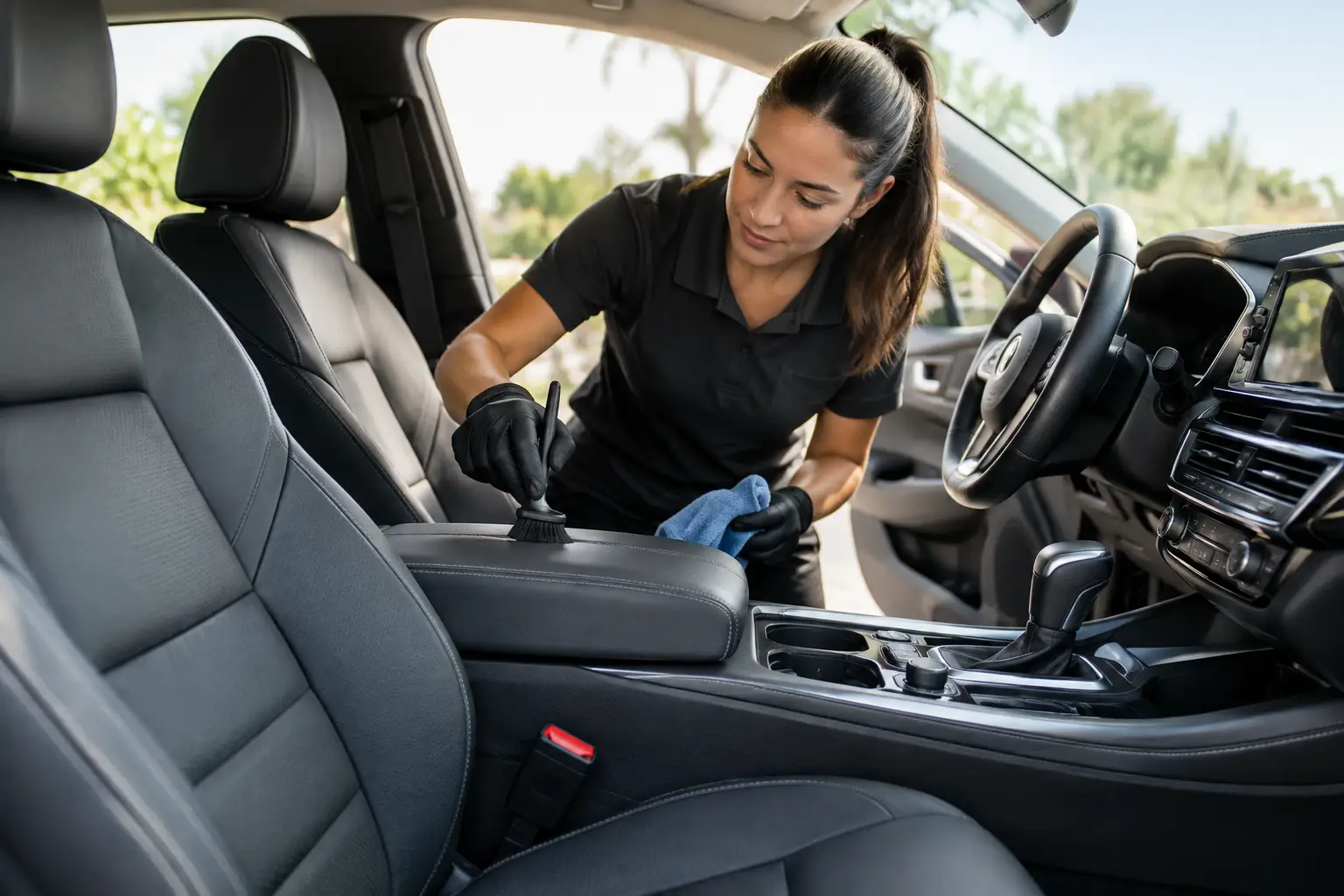
Interior Detailing That Restores How Your Car Feels
The evidence of a busy life collects fast inside a vehicle: coffee drips in the console, salt marks on the carpet, pet hair in the cargo area, fingerprints on every touchpoint, and an odor that never quite goes away. Professional interior detailing addresses more than what is visible. It restores the cleanliness, comfort, and pride that make your vehicle feel good to drive again.
For Denver-area drivers, the interior takes a beating year-round. Snow, sand, road salt, mud, dry dust, kids, pets, work gear, and daily commuting all leave behind contaminants that a quick vacuum or drive-through wash cannot fully remove. The right service is a careful reset, tailored to the materials, condition, and use of your vehicle.
What Interior Detailing Actually Includes
A true interior detail is a systematic cleaning process, not a fast wipe-down. The goal is to remove loose debris, break down embedded soils, treat stains and odors appropriately, and clean the surfaces you touch every day without damaging them.
The appointment typically starts with a detailed inspection. A family SUV with crushed snacks beneath the second row needs a different approach than a luxury sedan with delicate leather, piano-black trim, and lightly soiled carpeting. Identifying the materials and the source of stains or odors helps determine which products and tools are safe and effective.
Technicians then vacuum seats, carpets, floor mats, cracks, vents, door pockets, cargo areas, and the areas beneath and around seats. Compressed air, brushes, and crevice tools help pull debris from places a household vacuum cannot reach. This matters because loose grit works its way deeper into carpet fibers and seat tracks over time.
Hard surfaces receive careful cleaning with products designed for automotive plastics, vinyl, rubber, and trim. A quality process removes body oils, dust, spills, and residue while avoiding the greasy shine that can create glare on dashboards. Interior glass is cleaned separately so haze, fingerprints, and film do not interfere with visibility.
Fabric, Carpet, and Seat Cleaning
Stains are not all the same. Coffee, juice, food grease, mud, and pet accidents each respond to different cleaning methods. Professional detailers pre-treat affected areas before extracting or shampooing fabrics and carpets as needed. The objective is to lift contamination from the fibers instead of simply wetting the surface or masking the stain.
Extraction can make a dramatic difference in heavily used vehicles, especially when floor mats and carpeting have absorbed winter grime. Still, more water is not always better. Proper moisture control is essential, particularly in colder Colorado weather, because overly wet carpeting can take longer to dry and may contribute to lingering odors.
Leather and leather-trimmed seats need a measured approach. They should be cleaned with appropriate leather-safe products, then conditioned when the material calls for it. Aggressive cleaners, stiff brushes, and excessive saturation can dry out finishes or cause premature wear. For high-end interiors, careful product selection is part of protecting the vehicle, not just making it look better.
Odor Removal Starts With the Source
Air freshener is not odor removal. It may cover a smell briefly, but it cannot solve the cause. If a vehicle smells like smoke, pet dander, spilled milk, wet gear, or old food, the source must be found and treated.
Odors often live in carpet padding, fabric seats, headliners, vents, and cargo areas. A professional service may combine deep cleaning with odor-neutralizing treatments to address the contamination at its source. The best method depends on the odor, how long it has been present, and whether the affected material can be fully cleaned.
Some odors require realistic expectations. Long-term smoke exposure, repeated pet accidents, or fluid that has soaked into padding may need more than one treatment. A dependable detailer should explain that upfront rather than promising an instant fix for a problem hidden beneath the surface.
When Your Vehicle Needs Interior Detailing
There is no single schedule that fits every driver. A commuter who drives alone may need a comprehensive interior service once or twice a year. A family SUV, work truck, rideshare vehicle, or car used regularly for outdoor activities may benefit from service every three to six months.
Look beyond whether the interior appears dirty at first glance. It may be time to schedule a detail when the cabin has a persistent odor, the carpets feel gritty, windows haze quickly, pet hair has become difficult to remove, or stains keep returning after basic cleaning. It is also a smart step before selling or trading in a vehicle. A clean, well-cared-for cabin helps buyers see the vehicle as a maintained asset rather than another project.
Seasonal timing can help. After winter, detailing removes salt, slush, and moisture tracked into carpets and mats. Before summer road trips, it gives families a cleaner, more comfortable space for long drives. For vehicle owners preparing for a lease return or private sale, it can help present the interior at its best.
Why Mobile Service Makes a Difference
Taking time out of a workday to sit at a detailing shop is not practical for many owners. Mobile detailing brings professional-grade interior care to your driveway or workplace, so the vehicle can be serviced where it is already parked.
Convenience should not mean shortcuts. A mobile appointment should still include the tools, products, lighting, and process required for thorough work. FB Mobile Auto Detailing provides that balance for customers who want professional results without reorganizing their day around a shop visit.
Before booking, remove personal valuables and let the technician know about concerns such as sensitive leather, a recent spill, pet accidents, smoke exposure, or a stain you have already tried to treat. That information allows for better planning and more accurate expectations.
How to Keep the Results Looking Better Longer
The easiest way to maintain a freshly detailed interior is to prevent small messes from becoming embedded problems. Shake out floor mats regularly, clean up spills quickly, and avoid leaving food, wet clothing, or gym gear in the vehicle overnight. A small trash container and a microfiber towel in the console can go a long way for busy families and commuters.
Use products carefully. Household cleaners, glass products with harsh ingredients, and shiny silicone dressings are not always safe for automotive surfaces. They can leave residue, discolor trim, dry leather, or make the dashboard slick and reflective. When in doubt, use a mild automotive-specific product sparingly, or leave stubborn stains to a professional.
A clean cabin changes the experience of every drive, whether you are heading to work, loading up kids after practice, or taking a weekend trip into the mountains. Treating the interior as part of your vehicle’s long-term care keeps it more comfortable now and easier to enjoy, maintain, and sell later.


