
Paint Correction Cost and What Changes It
A vehicle can look clean and still look tired. Under Denver sunlight, swirl marks, water spots, oxidation, and light scratches become obvious – especially on black, dark blue, and metallic paint. Paint correction cost reflects more than a quick polish. It accounts for the time, inspection, equipment, and careful technique required to safely restore clarity and gloss without removing more clear coat than necessary.
For most vehicles, professional paint correction can range from a few hundred dollars for a focused enhancement to well over $2,000 for extensive multi-stage work on a large or heavily neglected vehicle. The right service depends on the paint’s condition, the level of improvement you want, and whether you plan to protect the finish with a ceramic coating afterward.
What Paint Correction Actually Does
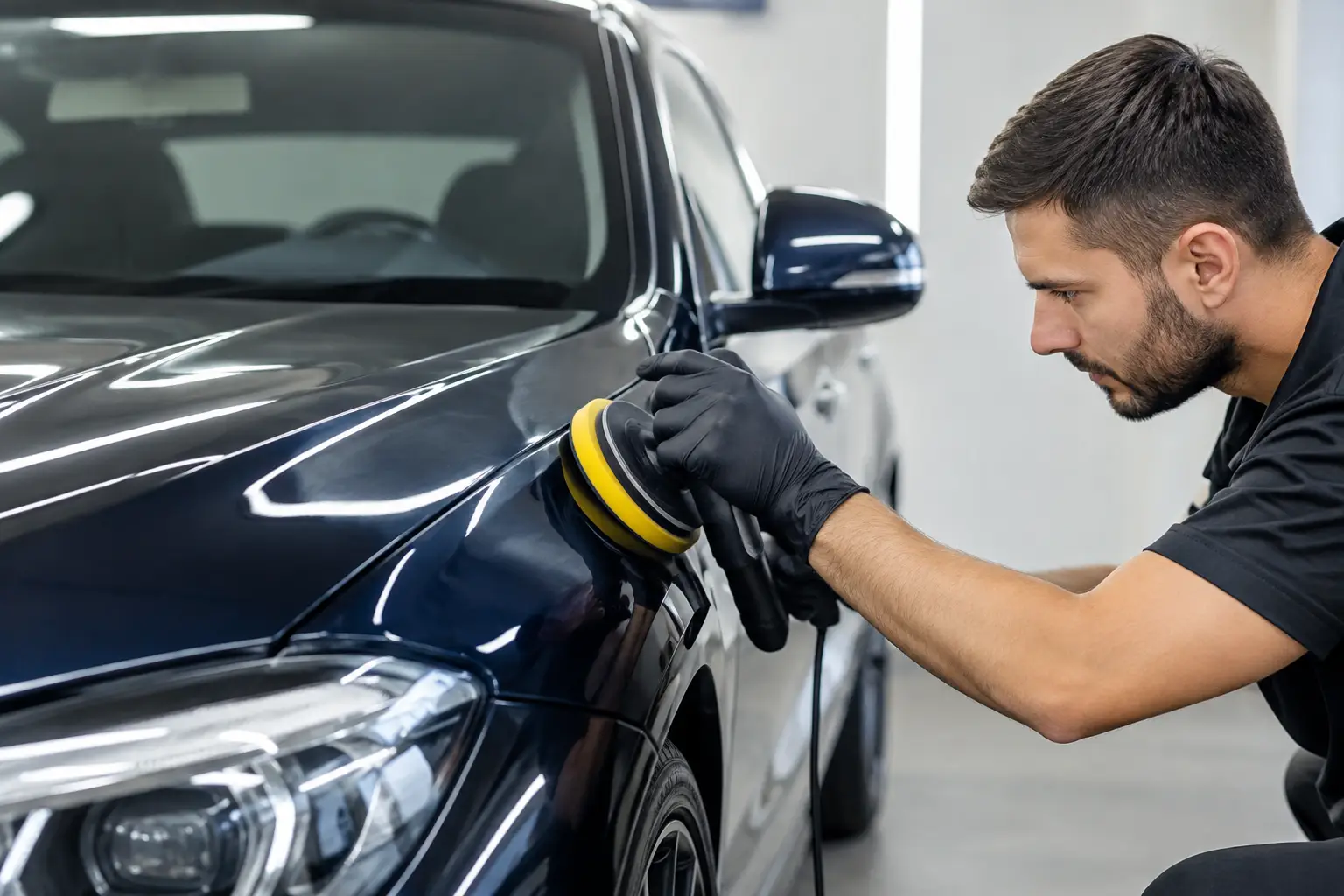
Paint correction is a machine-polishing process that reduces or removes defects in the clear coat, the transparent protective layer above your vehicle’s color. The goal is to level the surrounding paint carefully so scratches and swirls are less visible, leaving a sharper reflection and deeper color.
It is different from waxing, hand polishing, or a basic exterior detail. A wax may temporarily fill very light imperfections and add shine, but it does not meaningfully correct the paint. Paint correction uses professional pads, compounds, polishes, lighting, and paint-safe methods to create a lasting visual improvement.
Not every mark can be polished away. Deep scratches that catch a fingernail, rock chips, failing clear coat, etched stains, and areas where paint has been worn through may require touch-up, wet sanding, or body-shop refinishing. A trustworthy detailer should identify those limits before work begins rather than promising a flawless result that the paint cannot safely deliver.
Paint Correction Cost by Level of Service
Pricing is usually tied to the correction level, not just the size of the vehicle. A compact car with neglected black paint may take more time than a well-maintained SUV with light swirls.
One-step paint enhancement
A one-step correction combines a polishing compound and finishing ability in one process. It is designed to improve gloss and reduce lighter swirl marks, haze, and minor wash marring. This is often a strong choice for daily drivers that need a noticeable refresh rather than near-perfect defect removal.
One-step service commonly starts in the mid-hundreds and rises with vehicle size, paint condition, and prep requirements. It offers excellent value when the goal is a cleaner, more refined finish without the labor of chasing every deeper scratch.
Two-step paint correction
A two-step process uses a more aggressive cutting stage followed by a finer finishing polish. The first stage targets heavier swirls, oxidation, and more visible scratches. The second restores clarity and removes haze left by the correction stage.
This level of work can deliver a dramatic transformation, particularly on darker paint or vehicles that have been through automatic car washes. It also requires more time and product, so the paint correction cost is typically higher than a one-step enhancement.
Multi-stage or intensive correction
Multi-stage correction is reserved for paint with substantial defects, complex body lines, severe oxidation, sanding marks, or high expectations for a luxury, enthusiast, or classic vehicle. The technician may use multiple pad and polish combinations, inspect every panel under specialized lighting, and spend significant time refining the finish.
This is the most labor-intensive option and can reach into the thousands, especially for large trucks, specialty vehicles, and paint that needs extensive preparation. The best candidates are vehicles whose condition and ownership goals justify the investment.
What Changes the Price of Paint Correction?
The condition of the paint is the biggest variable. Heavy wash swirls, hard-water spotting, industrial fallout, embedded contamination, tree sap, and oxidation all add preparation and correction time. Before polishing can begin, the surface usually needs a proper hand wash, chemical decontamination, and clay treatment to remove bonded contaminants that could interfere with the polishing process.
Vehicle size matters, but shape matters too. A full-size truck, three-row SUV, or vehicle with intricate trim, vents, spoilers, and sharp body contours takes longer to clean, mask, polish, and inspect. Soft paint can correct quickly but may also mar easily during finishing. Hard paint may resist defects but require more cutting time to achieve visible improvement.
The desired outcome also affects the estimate. Reducing 50 to 70 percent of common defects costs less than pursuing 85 to 95 percent correction. Neither choice is automatically better. For a family SUV that sees school drop-offs, pets, road trips, and winter weather, a practical improvement with durable protection is often the sensible decision. For a collector vehicle or a new luxury purchase, a higher correction level may make sense before applying a long-term coating.
Previous bodywork can add complexity. Repainted panels may have different paint thickness or behavior than factory paint, and some areas may be too thin to correct aggressively. Paint thickness readings, visual inspection, and test spots help a skilled technician choose the safest approach.
Why Denver Conditions Matter
Colorado vehicles face a demanding mix of strong UV exposure, winter road salt, dust, temperature swings, and seasonal contaminants. Those conditions do not always create swirls directly, but they encourage frequent washing and make neglected paint look dull faster.
A corrected finish will look its best when it is protected and maintained properly. Ceramic coating is a popular next step because it adds durable chemical resistance, UV support, and hydrophobic behavior that makes washing easier. It does not prevent every scratch or eliminate maintenance, but it helps keep contaminants from bonding as aggressively to the paint.
Applying a coating over swirled paint can lock in the appearance of those defects. Correcting first allows the coating to preserve a more polished finish. That is why correction and coating are often quoted together, though they remain separate services with separate labor and material costs.
How to Tell if Paint Correction Is Worth It
Paint correction is worth considering when you notice dullness after washing, circular scratches in direct light, visible water spotting, or a lack of reflection that no wax seems to fix. It can also be a smart preparation step before selling a well-kept vehicle, returning a lease, protecting a recent purchase, or preserving a vehicle you plan to own for years.
The service may not be the best first move if the vehicle has widespread chips, peeling clear coat, severe paint failure, or damage that needs conventional repair. In those cases, polishing cannot replace paintwork. A professional assessment protects you from spending money on a service that cannot deliver the result you expect.
Be cautious of unusually low quotes that promise complete correction in only a few hours. Quality correction is measured in safe, repeatable results, not speed. Proper work includes thorough cleaning, decontamination, panel inspection, paint-safe masking, controlled machine polishing, and a final protection step. The work is highly visible, but much of the value is in the preparation and precision that happen before the final shine appears.
Getting an Accurate Estimate
The most reliable quote begins with clear photos or, ideally, an in-person evaluation in good lighting. Share the vehicle year, make, model, color, whether it has been repainted, and what you see on the paint. Mention any automatic car-wash use, water spots, scratches, or prior ceramic coating.
Ask what level of improvement is realistic, what preparation is included, and what protection will be applied afterward. You should also know whether the estimate is for an enhancement polish, a defined one-step correction, or a multi-stage correction. Those terms should not be interchangeable.
At FB Mobile Auto Detailing & Coating, the goal is to match the correction plan to the vehicle, its paint condition, and how you use it – at your home or workplace, without adding another stop to your day. The best paint correction investment is not necessarily the most aggressive option. It is the one that restores the finish to a level you will enjoy seeing every time you walk back to your vehicle.


