
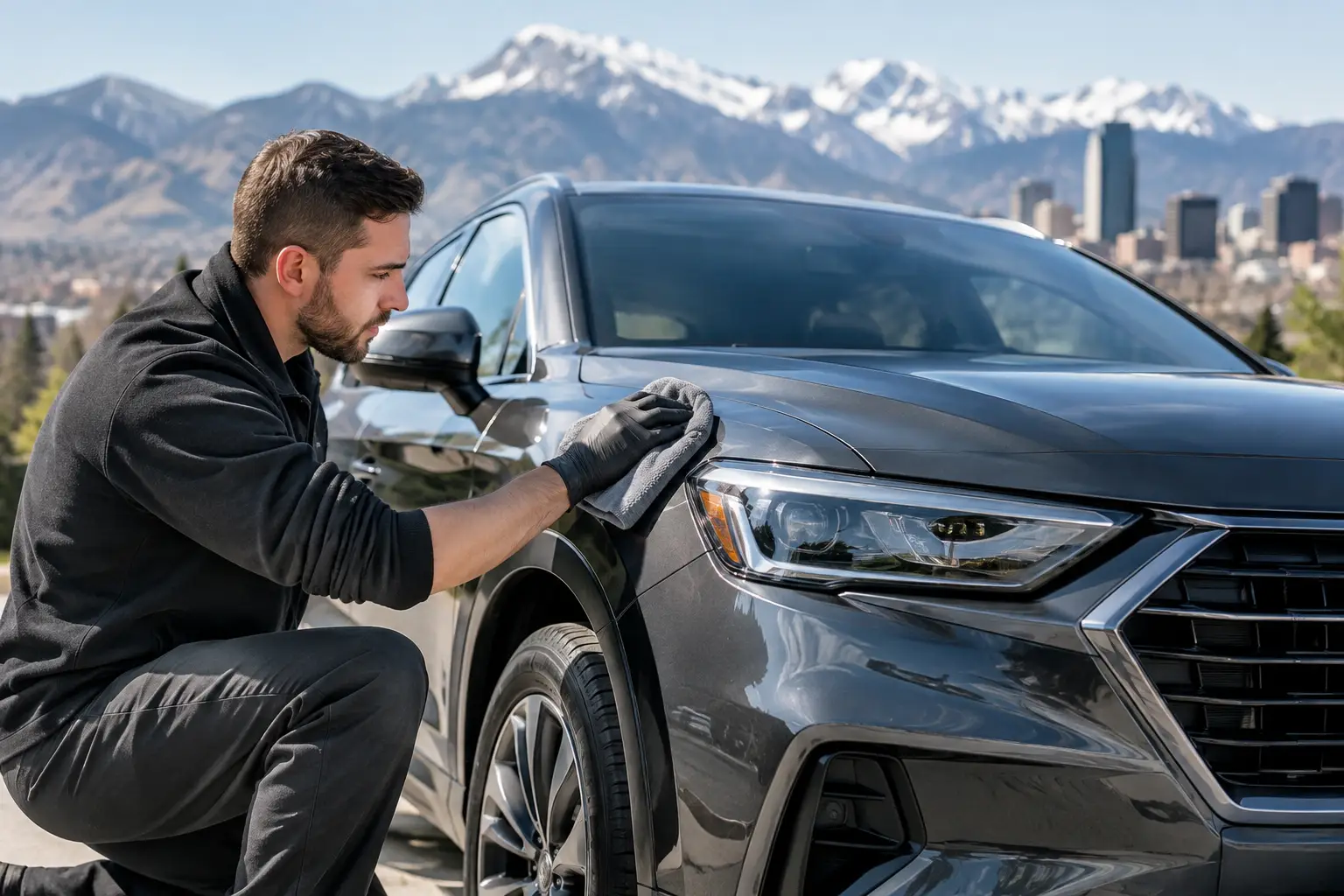
Are Ceramic Coatings Worth It for Denver Cars?
A Colorado vehicle can look great on Friday and feel like it has been through a season of punishment by Monday. Strong UV exposure, dry dust, sudden rain, winter road treatment, and mountain-road grime all take a toll on exterior surfaces. So, are ceramic coatings worth it? For many Denver-area owners, the answer is yes – but only when the coating is matched to the vehicle’s condition, how it is used, and realistic expectations for maintenance.
A ceramic coating is not a magic shield that makes paint invincible. It is a professional-grade protective layer that bonds with the clear coat, improves gloss, makes washing easier, and helps defend against contaminants that slowly dull a vehicle’s finish. The value comes from consistent protection and reduced upkeep over time, not from a promise that you will never need to wash or detail your car again.
What a Ceramic Coating Actually Does
Ceramic coatings are liquid polymer formulas applied to properly prepared paint, then cured to create a durable, hydrophobic surface. Hydrophobic means water beads and sheets away more easily, carrying loose dirt and grime with it. That effect is one of the first things owners notice after a quality installation.
The coating also creates a sacrificial barrier between the vehicle’s clear coat and common environmental contaminants. Bird droppings, tree sap, bug residue, road film, brake dust, and mineral-heavy water can all bond to or stain unprotected paint if left in place too long. A coating does not make those substances harmless, but it gives you more time to remove them before they cause permanent damage.
For Colorado vehicles, UV resistance matters as much as water behavior. Intense sun can accelerate oxidation and fade trim, especially on vehicles parked outside every day. A ceramic coating helps preserve a deeper, glossier appearance by reducing the direct burden placed on the paint’s clear coat.
Are Ceramic Coatings Worth It for Your Vehicle?
Ceramic coatings are most worthwhile when you care about preserving the finish and can maintain the vehicle reasonably well. That applies to a new luxury sedan, a well-kept truck, a family SUV, or a classic vehicle that only sees weekend drives. The common factor is not the badge on the hood. It is whether the owner values a clean, protected finish and wants to spend less time fighting grime at every wash.
For a daily driver parked outdoors, a coating can be especially practical. Denver weather changes quickly, and vehicles often collect a mix of dust, road debris, pollen, and winter contaminants. With a coated surface, routine washing is faster because dirt does not cling as aggressively. The vehicle stays presentable longer between washes, and the paint is easier to clean without excessive scrubbing.
The investment also makes sense for owners planning to keep their vehicle for several years. Protecting the exterior from gradual neglect helps preserve visual condition, which supports pride of ownership and can improve resale appeal. A buyer may not pay extra solely because a vehicle was coated, but a clean, glossy vehicle with minimal swirls and staining makes a stronger impression than one with dull, neglected paint.
Ceramic coating may be less worthwhile if the vehicle is near the end of its useful life, regularly exposed to severe worksite conditions without the opportunity for care, or if you simply do not care about cosmetic condition. In those cases, a quality sealant, wax, or periodic exterior detail may deliver better value for your needs.
The Biggest Value Is in the Preparation
The coating itself is only part of the job. Paint correction and decontamination are often what make the finished result look exceptional.
Before applying a ceramic coating, a professional detailer should wash and chemically decontaminate the vehicle to remove embedded fallout, iron particles, road film, and bonded contaminants. The paint is then inspected under proper lighting. If there are swirl marks, fine scratches, oxidation, or dull areas, correction can level those defects and restore clarity before the coating locks in the finish.
This step matters because ceramic coating enhances what is already there. If a vehicle has visible swirls or haze, coating over them will not hide them. In some lighting, it can make those defects more noticeable because the added gloss reflects light so clearly.
A single-stage paint correction may significantly improve the appearance of a newer vehicle with moderate swirls. A multi-stage correction may be appropriate for darker paint, older vehicles, or owners seeking the highest possible finish. The right approach depends on paint thickness, defect severity, vehicle age, and the owner’s expectations.
What Ceramic Coating Will Not Do
The strongest reason to work with a professional is honest guidance. Ceramic coating has real benefits, but it is often marketed with exaggerated claims.
It will not prevent rock chips from highway driving. It will not stop deep scratches from shopping carts, branches, or careless parking. It will not protect against dents, and it will not eliminate the need for hand washing. For impact protection on high-risk areas such as bumpers, hoods, mirrors, and rocker panels, paint protection film is a separate solution.
A coating also cannot compensate for poor wash habits. Running a dirty vehicle through abrasive automatic car washes can still create swirls. Letting bird droppings bake in the sun for days can still etch paint. Using harsh cleaners or dirty wash tools can still damage the appearance you paid to protect.
The best mindset is simple: a ceramic coating makes proper care easier and more effective. It does not replace proper care.
The Cost Question: Protection Versus Maintenance
Professional ceramic coating costs more upfront than a basic wax service because the process includes labor-intensive preparation, paint correction when needed, careful application, and curing time. The price can vary significantly based on vehicle size, paint condition, coating type, and the level of correction required.
That upfront cost should be measured against how you use the vehicle. If you wash your SUV several times a month, struggle with stubborn road film, or pay regularly for exterior detailing, a coating can reduce the effort needed to keep it looking sharp. The finish will release dirt more readily, dry more easily, and retain a cleaner gloss between appointments.
It can also prevent the cycle many owners know too well: ignore the paint for a year, notice it has become rough and dull, then pay for extensive restoration. A coated vehicle still benefits from regular maintenance, but it is less likely to reach that neglected point when cared for correctly.
How to Get the Most From a Coated Vehicle
After installation, wash the vehicle using pH-neutral products and clean microfiber towels or wash media. Avoid washing in direct sunlight when possible, particularly during hot Colorado afternoons. Rinse off salt, mud, and road treatment promptly during winter, paying attention to lower panels, wheels, and behind the fenders.
Do not wait for the vehicle to look filthy before cleaning it. A light maintenance wash every few weeks is easier on the finish than infrequent aggressive cleaning. If tree sap, bugs, or bird droppings land on the paint, remove them as soon as practical.
Periodic professional maintenance is also worthwhile. A detailer can inspect the coating’s performance, remove bonded contamination safely, and refresh the surface with compatible products. This is particularly helpful for outdoor-kept vehicles and drivers who travel frequently on mountain roads or through winter conditions.
When Professional Installation Makes the Difference
Consumer ceramic sprays can add temporary water beading and are useful as maintenance products, but they are not the same as a professionally installed coating. The difference is found in surface preparation, product chemistry, controlled application, and the technician’s ability to identify paint defects before they are sealed beneath a protective layer.
At FB Mobile Auto Detailing & Coating, coating service begins with an assessment of the vehicle’s paint and how you use it. A family SUV with years of wash swirls needs a different plan than a recently purchased luxury vehicle or a classic car stored indoors. Mobile service also means professional paint care can happen at your home or workplace, without adding another trip across town to your schedule.
The right coating should make vehicle ownership more enjoyable, not more complicated. When the paint is properly corrected, protected, and maintained, every wash takes less effort and every walk back to the driver’s door is a reminder that your vehicle is being cared for the way it deserves.


