
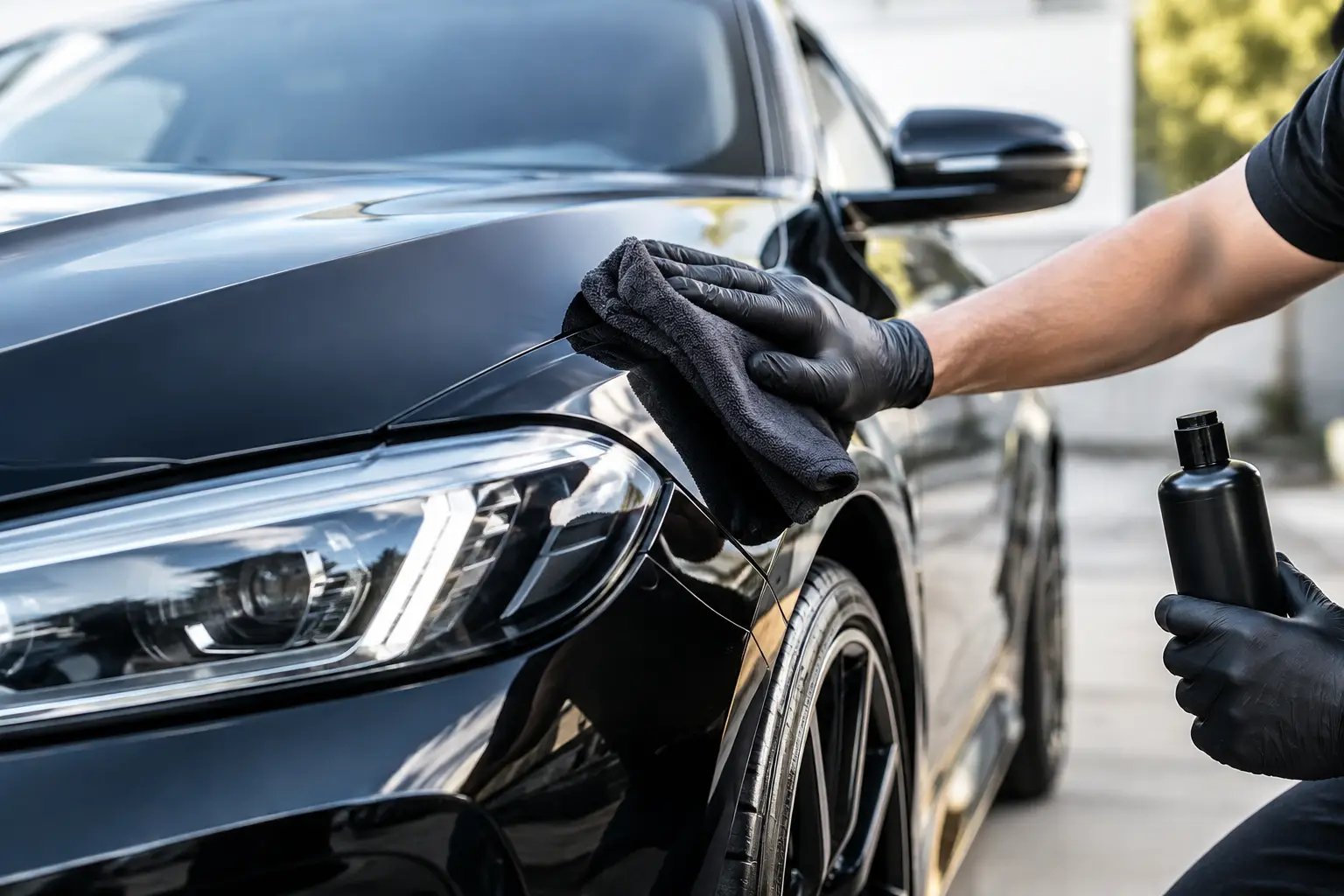
Best Protection for Black Paint That Lasts
Black paint makes a clean vehicle look exceptionally sharp, but it also reveals every swirl mark, dust layer, water spot, and careless wash line. The best protection for black paint is not one product applied once and forgotten. It is a combination of properly corrected paint, a protection method that fits how the vehicle is used, and wash habits that do not create fresh defects.
For Denver-area drivers, that combination matters even more. Strong sun, dry dust, winter road treatment, spring grit, and sudden weather changes can quickly take black paint from deep and reflective to hazy and tired-looking. The right approach keeps the finish easier to maintain while protecting the visual condition and value of your vehicle.
Why Black Paint Needs More Care
Black paint is not necessarily more fragile than other colors. It simply offers less camouflage. On a silver or light-gray vehicle, minor wash marring may be difficult to notice from a few feet away. On black paint, the same marks scatter light and show up as cobweb-like swirls, especially in direct sunlight or under parking-lot lights.
Contamination is also more visible. Mineral deposits from water, road film, pollen, bird droppings, tree sap, and dust all stand out against a dark finish. Left in place, some contaminants can stain or etch the clear coat. That is why a basic tunnel wash and occasional spray wax rarely delivers lasting results on black vehicles.
The goal is not to make black paint invincible. No coating can prevent rock chips, eliminate every scratch, or stop damage from neglected contamination. The goal is to preserve clarity, deepen gloss, reduce maintenance effort, and limit the everyday wear that slowly dulls the finish.
The Best Protection for Black Paint Starts With Correction
Applying a ceramic coating or sealant over swirl marks does not remove them. In fact, strong protection can make existing defects more noticeable because it increases gloss and reflectivity. For a black vehicle, paint correction is often the step that creates the biggest visual transformation.
Paint correction uses machine polishing, professional pads, compounds, and finishing polishes to reduce or remove defects in the clear coat. A single-stage correction can improve light haze, minor swirls, and dullness. Multi-stage correction is more appropriate when the paint has deeper scratches, heavy wash marring, oxidation, or a neglected appearance.
A careful detailer will inspect the paint before recommending a correction level. Some vehicles need substantial restoration. Others only need a refining polish before protection. The right choice depends on paint condition, paint thickness, the owner’s expectations, and how the vehicle will be used afterward.
Correction is especially valuable before coating a luxury car, classic vehicle, or newer black vehicle you want to keep looking exceptional. For a daily-driven family SUV or truck, a more practical correction may make better financial sense. The finish can still look dramatically cleaner and glossier without pursuing perfection on every panel.
Ceramic Coating Is the Strongest Everyday Option
For most owners who want long-term results, a professionally installed ceramic coating is the best protection for black paint. Ceramic coatings form a durable, chemically resistant layer over the clear coat. They enhance gloss, make the surface more hydrophobic, and reduce how strongly dirt, road grime, and contaminants bond to the paint.
On black paint, the visual benefit can be striking. A quality coating adds depth and crisp reflection while making routine washing more manageable. Water beads or sheets more readily, drying is easier, and many contaminants are less likely to cling to the finish.
Ceramic coating is particularly well suited to Colorado conditions because it offers meaningful resistance to UV exposure, road salt, hard-water spotting, and seasonal grime. It also helps protect wheels, glass, trim, and other exterior surfaces when the appropriate coating is used for each material.
Still, ceramic coating is not a replacement for washing. It does not stop rock chips, prevent door dings, or make a vehicle scratch-proof. Automatic brushes, dirty towels, aggressive scrubbing, and skipped maintenance can still mar coated paint. Think of a ceramic coating as a high-performance sacrificial barrier and maintenance aid, not armor.
When Paint Protection Film Makes More Sense
Paint protection film, often called PPF or clear bra, is the better choice when physical impact protection is the priority. It is designed to absorb and resist damage from small stones, road debris, and light abrasion. This makes it ideal for high-impact areas such as the front bumper, hood, fenders, mirror caps, rocker panels, and door edges.
For a black performance car, luxury SUV, or vehicle that spends significant time on highways, combining PPF on vulnerable panels with a ceramic coating over the rest of the exterior can be an excellent strategy. It is also the higher-cost option. Not every daily driver requires full-body film, but targeted coverage can be a smart investment where chips are most likely to occur.
Sealants and Waxes Still Have a Place
A premium synthetic paint sealant can provide strong gloss and several months of protection at a lower cost than ceramic coating. It is a good option for owners who want improved durability over traditional wax but are not ready for a long-term coating.
Carnauba wax can create a warm, rich appearance that many enthusiasts love on black paint. The trade-off is durability. Wax generally needs more frequent reapplication and is less resistant to harsh weather, detergents, and contamination than a sealant or ceramic coating.
These options can work well for garage-kept vehicles, leased vehicles, or drivers who enjoy regular detailing. For a busy household, work truck, or daily commuter exposed to Colorado weather, ceramic protection usually offers more practical value over time because maintenance becomes simpler and protection lasts longer.
How to Wash Black Paint Without Adding Swirls
Even the best coating cannot overcome poor washing technique. Most visible swirls are created during washing and drying, not while driving. Black paint rewards careful maintenance and quickly exposes shortcuts.
Start with a thorough pre-rinse to remove loose grit before touching the surface. Use a pH-balanced car shampoo, clean microfiber wash media, and plenty of lubrication. A two-bucket method, or a professional rinseless wash process performed correctly, helps keep abrasive dirt from being rubbed back onto the paint.
Avoid using household dish soap, stiff brushes, or old bath towels. Dish soap can strip protection, while rough materials drag grit across the clear coat. After washing, dry with clean, high-quality microfiber towels and a dedicated drying aid or air blower. Do not let hard water bake onto the surface in direct sun.
Automatic car washes deserve special caution. Touchless washes are generally safer than brush tunnels, though strong chemicals and incomplete drying can still affect protection over time. Brush-style washes are one of the fastest ways to add visible swirls to black paint.
Address Contaminants Before They Become Permanent
Bird droppings, bug splatter, tree sap, and fresh road salt should be removed as soon as practical. Their chemical makeup can damage the clear coat, particularly when heat and sun accelerate the process. Keep a clean microfiber towel and detail spray in the vehicle for prompt spot cleaning, but do not aggressively rub dry dirt across the paint.
At least once or twice a year, black paint benefits from a more thorough decontamination service. This can include iron removal, clay treatment when appropriate, and a careful inspection of coating performance. Decontamination restores smoothness and helps maintain the clear, reflective finish that black paint is known for.
Choose Protection Around Your Real Driving Habits
The right protection package should fit the vehicle, not just the color. A weekend sports car kept in a garage may benefit from meticulous correction, ceramic coating, and targeted PPF. A family SUV that faces school drop-offs, pets, mountain trips, and winter roads may need a durable ceramic coating with a realistic maintenance plan. A work truck may benefit most from easy-clean protection on paint, wheels, trim, and high-contact areas.
Professional preparation is what separates lasting results from a short-lived shine. Proper washing, chemical decontamination, paint correction, panel preparation, and controlled coating application all affect how the finished vehicle looks and how well the protection performs. FB Mobile Auto Detailing & Coating brings that level of paint-care service to your home or workplace, so protecting your vehicle does not require giving up a day at a shop.
Black paint will always show more than lighter colors, but that is also why a well-maintained black vehicle has such presence. Start with honest paint correction, choose protection for the way you drive, and treat every wash as part of preserving the finish you worked to restore.
We Proudly serve the following cities and surrounding neighborhoods : Aurora , Cherry Hills Village Greenwood Village Castle Pines Lone Tree Castle Rock Highlands Ranch Centennial Parker Louisville Superior


