
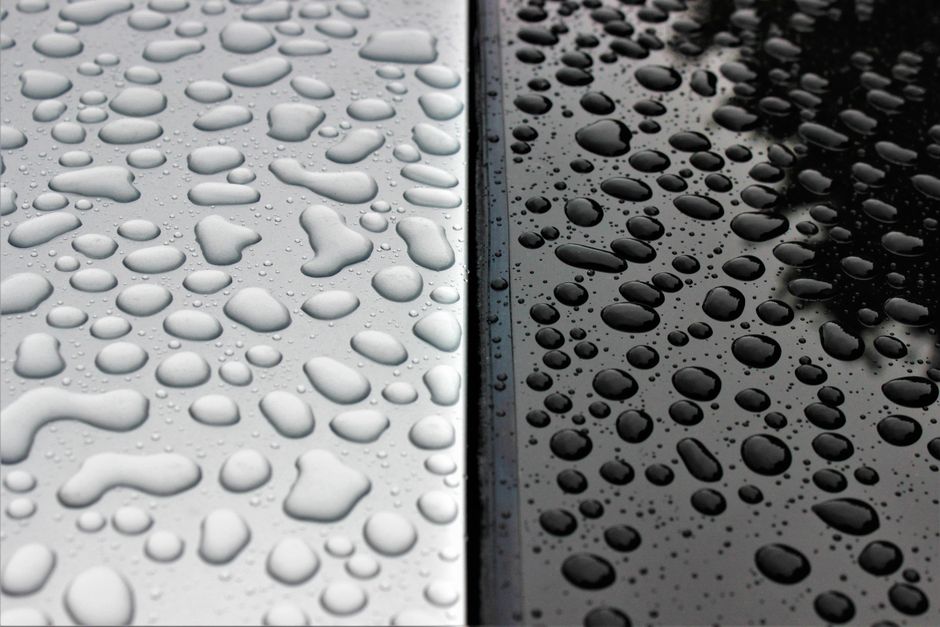
Ceramic Coating vs Paint Sealant in 2026 – Which Protection Actually Lasts?
If you park your car outside in Colorado, your paint is under constant attack. We experience dramatic temperature swings, sometimes 40 degrees or more in a single day, along with low humidity, high altitude, and intense sunlight, a combination that creates a perfect storm for exterior damage. Add freezing winters loaded with de-icing chemicals and you have one of the toughest environments for automotive paint in the country.
I’ve spent years advising Colorado drivers on paint protection, and one question comes up again and again: should I invest in a ceramic coating or stick with a paint sealant? Both products protect your finish and both look great fresh from application. The real difference shows up six, twelve, and thirty-six months later. This comparison breaks down how each option holds up, what each one costs, and which choice fits your situation in 2026.
Key Takeaways
-
Durability gap is significant: A ceramic coating can last anywhere from 1 to 5 years with minimal maintenance, while paint sealant typically requires reapplication every 4-6 months. Therefore, if you apply sealant twice a year for five years, you will reapply it approximately ten times versus once for a ceramic coating.
-
Colorado’s altitude multiplies UV risk: At elevations like Boulder’s 5,300 feet above sea level, UV intensity rises by about 10-12% for every 1,000-foot increase in elevation, meaning your paint degrades faster here than almost anywhere else. Choose your protection accordingly.
-
Professional ceramic coating costs more upfront but less per year: When averaged over its lifespan ceramic coating typically costs $180-$500 per year, which is competitive with the cost of reapplying a quality sealant service twice annually.
-
Winter road chemicals demand serious protection: In Colorado, the predominant de-icing solution is magnesium chloride, a type of salt that lowers the freezing point of water more than sodium-based products, but this same property makes it more corrosive to vehicles, accelerating rust formation and damage to critical components.
-
Prep work determines performance: Neither product fixes paint defects. If your car has swirls, scratches, or oxidation, those need to be corrected before protection goes on.
Quick-Start Prioritisation Framework
| Protection Option | Best For | Effort Level | Time to Results | Typical Cost |
|---|---|---|---|---|
| FB Mobile Auto Detailing, Ceramic Coating | Colorado daily drivers wanting long-term, hands-off protection | Low (after application) | Immediate bonding, full cure 24-48 hrs | $900-$2,500+ professionally applied |
| Professional Ceramic Coating (self-arranged) | Enthusiasts wanting premium-grade SiO2 longevity | Medium (finding installer) | Immediate | $900-$2,500 |
| Paint Sealant (professional) | Budget-conscious drivers, short ownership periods | Low | Same day | $100-$300 per application |
| DIY Paint Sealant | Drivers who enjoy hands-on maintenance | Medium | Same day | $60-$120 kit cost |
| DIY Ceramic Spray | Middle-ground option, moderate longevity | Medium | Same day | $50-$150 |
Start here if you are:
-
A Colorado daily driver who parks outdoors: FB Mobile Auto Detailing’s professional ceramic coating service, the best single investment against UV, mag chloride, and freeze-thaw cycles combined.
-
On a tight budget right now: A quality paint sealant gives you solid short-term protection while you save towards a full ceramic coating. Plan to reapply every four to six months.
-
Planning to sell within twelve months: A quality sealant or wax regimen at roughly $200 per year may serve you better until your budget allows for proper coating, as you may not recoup a full ceramic investment in that window.
How Each Product Actually Works
Understanding the technology behind each product helps you make a smarter decision. These are genuinely different approaches to paint protection, not just different price points for the same idea.
Paint Sealant: The Polymer Barrier
Paint sealants are synthetic polymers that sit on top of your paint surface. They create a protective barrier through chemical adhesion rather than molecular bonding. The sealant forms a film over your paint that provides protection until it is gradually worn away by washing, weather, and environmental factors.
In practice, this means a paint sealant is a consumable layer. Apply it fresh and it works well. Leave it six months without reapplication in Colorado conditions and its performance drops noticeably. Paint sealants are more affordable and user-friendly, which makes them a practical starting point for drivers who are new to paint protection.
Pros:
-
Low upfront cost ($60-$120 for a DIY kit)
-
Easy to apply at home with basic tools
-
Results visible the same day
-
Good short-term gloss and water beading
-
Flexible, reapply as often as you like
Cons:
-
Requires reapplication every 4-6 months
-
Wears away under UV, washing, and environmental exposure
-
Lower chemical resistance than ceramic
-
Less effective against Colorado’s mag chloride and hard-water mineral deposits
-
Ongoing annual cost adds up over time
Ceramic Coating: The Molecular Bond
Ceramic coatings provide one of the most durable layers of vehicle protection available today. These advanced formulas chemically bond with the paint surface, creating a semi-permanent layer that resists oxidation, UV damage, and environmental wear while enhancing depth and gloss.
The chemistry here is distinct. The chemical composition primarily consists of SiO2 (silicon dioxide) or SiC (silicon carbide), creating a semi-permanent bond with the factory clear coat. Surface adhesion occurs through covalent bonding, where molecules in the coating link directly to paint molecules, ensuring long-term durability. This bond resists washing, weathering, and light abrasion.
Pros:
-
Lasts 1-5 years (professionally applied) with minimal maintenance
-
Superior UV protection, critical at Colorado’s elevation
-
Excellent chemical resistance against mag chloride and road contaminants
-
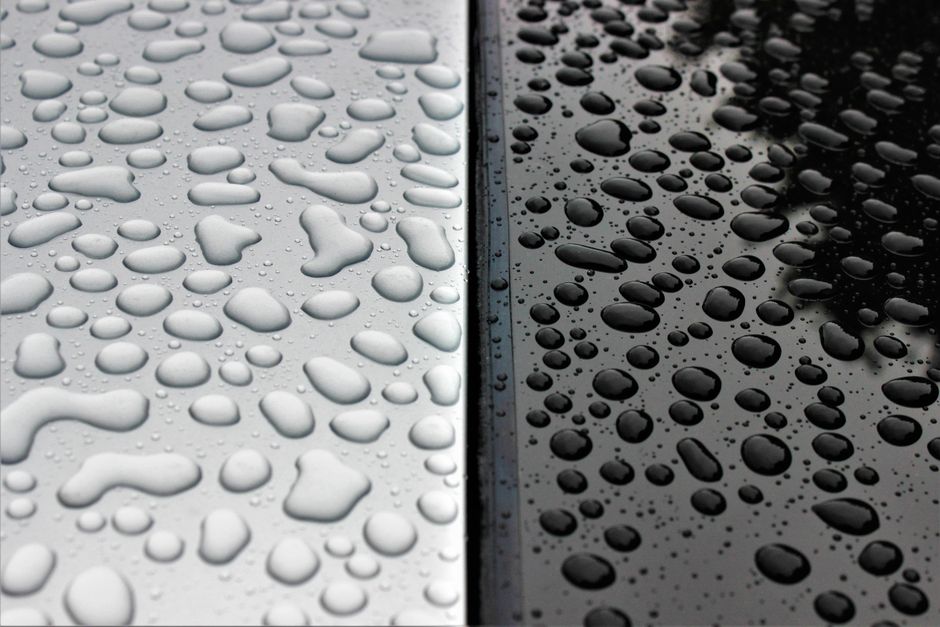
Strong hydrophobic effect makes washing faster and less frequent
-
Boosts resale value over time
Cons:
-
Higher upfront cost ($900-$2,500 professionally applied)
-
Requires proper surface prep and paint correction before application
-
Must be applied by a trained professional for best results
-
Needs a 24-48 hour cure window post-application
-
Cannot fix existing scratches or oxidation
Pro Tip: Watch this ceramic coating walkthrough on YouTube to see the full application process and understand what proper prep looks like before booking a service.
This independent comparison test puts several leading ceramic coating products through their paces, giving a clear picture of how their real-world performance differs from the marketing claims.
Durability in Colorado’s Climate: The Real-World Test
This is where the comparison becomes most relevant for Colorado drivers. Your choice of paint protection will be tested harder here than in most other states.
UV Exposure at High Altitude
Colorado’s elevation intensifies UV exposure, which means paint fade, clear coat breakdown, and plastic trim deterioration happen faster here than in many other states. Studies show ceramic coatings can reduce ultraviolet penetration by up to 90%, which translates into prolonged vitality for your paint, reducing oxidation and keeping it looking fresh longer. Therefore, if you are parking outdoors year-round in Denver or the mountain communities, a ceramic coating’s UV resistance is not a luxury; it is a practical necessity.
A paint sealant does provide UV protection, but ceramic coatings provide extended protection against harmful UV rays, preserving your car’s paint from fading over time. Waxes and sealants, while effective initially, lose their protective properties more quickly, making ceramics a better option for consistent, long-lasting UV defence.
Winter Chemicals and Freeze-Thaw Cycles
Colorado’s freeze-thaw cycle means road salt gets worked deep into every crevice of your vehicle throughout the winter. CDOT applies millions of pounds of magnesium chloride and sodium chloride to Colorado roads each season. That salt does not just wash off in the rain; it bonds to paint, seeps into door jambs, collects in wheel wells, and begins attacking metal surfaces at the molecular level.
A paint sealant offers limited defence here because it gradually wears away. A professionally applied ceramic coating creates a chemically resistant barrier that is highly resistant to chemicals and protects against substances like tree sap, bird droppings, and road salts, all of which can damage unprotected paint.

The Hydrophobic Advantage
One benefit I find clients underestimate is how much easier washing becomes after a ceramic coating. Studies indicate that those who apply hydrophobic coatings experience up to a 50% reduction in wash frequency. Less washing not only saves time and money but also protects your paintwork from the wear and tear that can arise from frequent cleaning. With Colorado mud, pollen season, and post-storm mag chloride residue all demanding regular washes, this is a meaningful quality-of-life improvement.
The Cost Comparison: Short-Term vs Long-Term Thinking
In my experience, most drivers compare the upfront sticker price rather than the true cost over time. Let me reframe this more helpfully.
Paint Sealant Costs
Budget $60-$120 for your first complete DIY kit, then $30-$60 per year for product replenishment. If you prefer professional application, a sealant service typically runs $100-$300 per visit. Reapplying twice a year at a shop puts your annual spend between $200 and $600, with no end date in sight for as long as you own the vehicle.
Ceramic Coating Costs
Professional ceramic coating costs $900 to $2,500 for most vehicles in 2026. Larger SUVs, trucks, and luxury vehicles may exceed $3,000. However, the annual cost picture looks different: when averaged over its lifespan ceramic coating typically costs $180-$500 per year, which compares favourably to repeated waxing or sealant services.
Paint correction work adds to the total if needed. Vehicles with swirl marks scratches, or oxidation need paint correction, which can add $400 to $1,000 or more. However, this is money well spent because a new car with a $35,000 sticker price loses approximately $700-$1,400 in resale value from paint degradation alone over 5 years of unprotected outdoor parking, a figure that comes from wholesale auction data where paint condition is one of the top three factors in grading.
Pro Tip: If your paint already has oxidation or heavy swirl marks, get a paint correction quote at the same time as your ceramic coating quote. The combined service locks in the best possible base before the coating goes on, and FB Mobile Auto Detailing can assess your paint’s condition and recommend the right prep level before any product is applied.
Resale Value: The Financial Case for Ceramic Coating
Paint condition directly affects what your car is worth when it is time to sell or trade in. Cars coated with ceramics see approximately a 10% to 15% increase in resale value compared to similar vehicles without this protection. On a vehicle worth $25,000, that is a potential $2,500 to $3,750 difference, which alone can justify the cost of a professional ceramic application.
Although a ceramic coating is an upfront expense, it offers a strong return over time. By reducing the need for frequent detailing and maintaining the car’s pristine look, it preserves resale potential and decreases depreciation.
Paint sealants help maintain appearance, but because they wear away and require constant upkeep, the protection they provide is only as good as your last application. A car that was sealant-protected but skipped a reapplication during a harsh Colorado winter will show it.
Pro Tip: Keep your ceramic coating documentation, the installer’s details, product used, and application date, as part of your vehicle records. Buyers respond well to proof of professional paint protection, and it adds credibility to your asking price.
Who Should Choose What: A Practical Decision Guide

Choose Paint Sealant If:
-
You plan to sell the vehicle within the next 12 months
-
Your budget is under $300 right now and cost is the primary concern
-
You enjoy hands-on car maintenance and do not mind bi-annual reapplication
-
The vehicle is garaged and rarely exposed to harsh weather
Choose Ceramic Coating If:
-
You drive daily and park outdoors in Colorado’s climate
-
You want to reduce the time and effort spent on regular washes
-
The vehicle is a higher-value car you plan to keep for three or more years
-
You want the best available defence against UV, mag chloride, and road debris
A professional ceramic coating is absolutely worth the investment for owners who plan to keep their vehicle for more than two years, desire elite environmental protection, and want to eliminate frequent waxing. While the initial professional application cost ranges from $500 to $2,000 or more, it effectively pays for itself by fully preserving the vehicle’s factory clear coat, slashing routine maintenance expenses, and substantially boosting long-term automotive resale value.
For Colorado drivers specifically, FB Mobile Auto Detailing offers mobile ceramic coating and paint protection services that come to your location, which means your vehicle cures in a familiar, controlled environment without you having to arrange transport. That convenience matters when you are balancing a busy schedule with proper vehicle care.
Common Mistakes to Avoid
Applying Either Product Over Contaminated or Damaged Paint
Genuine professional coatings require controlled application conditions, a curing window of 24-48 hours, and specific surface preparation to bond correctly. Skipping clay bar decontamination or applying over swirls means you are locking imperfections in rather than protecting against them.
Confusing Spray Ceramic Products with True Coatings
In 2026, shelves are packed with products marketed as “ceramic spray wax” or “hybrid ceramic sealants.” These are not the same as professional-grade ceramic coatings. They typically offer a few months of improved hydrophobics, but nowhere near the hardness, chemical resistance, or longevity of a true SiO2 coating applied and cured by a certified detailer. If the product costs $25 and promises three years of protection, treat it as a quality sealant, which it essentially is.
Applying Sealant Before Ceramic Coating
This is a mistake I see regularly. A sealant prevents the ceramic from bonding properly to the paint. Always apply ceramic directly to clean paint. If you have a sealant currently on your vehicle, your detailer will need to strip it fully before a ceramic coating can be applied correctly.
Frequently Asked Questions
How long does a paint sealant actually last in Colorado?
Depending on the environment where the car is parked, paint sealant may last for four to six months. In Colorado, with high UV intensity, hard water, and winter road chemicals, you should plan for reapplication on the shorter end of that range, closer to every three to four months if the vehicle parks outdoors daily.
Does ceramic coating prevent scratches?
Ceramic coatings offer scratch resistance and UV protection along with enhanced ease of cleaning. While ceramic coatings are not scratch-proof, they significantly reduce the likelihood of damage from light abrasions, swirl marks, and environmental contaminants. Think of it as a tough, sacrificial outer layer that takes the hits so your clear coat does not.
Is a DIY ceramic coating kit a good alternative to professional application?
DIY ceramic coating costs $190-$950 and lasts 1-3 years. Professional coating runs $800-$3,500 and lasts 3-9 years. DIY kits are a legitimate middle ground, but the gap in longevity is meaningful if you live in a harsh climate. Professional application also includes paint correction and decontamination that most DIYers skip, which directly affects how long the coating performs.
Can I put a ceramic coating on an older vehicle?
Yes, provided the paint is properly prepared first. Ceramic coating can be applied to older vehicles after proper paint correction. Oxidation, swirl marks, and clear coat defects must be removed to ensure chemical bonding and long-term durability. The older and more weathered the paint, the more prep work is needed before coating.
How often should I wash a ceramic-coated car?
Once applied, ceramic coatings require very little maintenance. You will need to wash your car with pH-neutral soap to avoid breaking down the coating. For most Colorado drivers, a wash every two to four weeks is sufficient, though you should increase frequency after winter driving to remove mag chloride residue promptly. The hydrophobic surface makes each wash considerably faster than on unprotected paint.
The Bottom Line
Both ceramic coating and paint sealant protect your vehicle’s paint. The choice comes down to how long you want that protection to last, how much ongoing effort you are willing to put in, and how seriously Colorado’s climate will test whatever you choose.
Paint sealant is a capable, affordable product for drivers who enjoy hands-on maintenance and plan to refresh their protection regularly. Ceramic coating is the stronger long-term investment, especially here in Colorado, where high-altitude UV, freeze-thaw cycles, and mag chloride demand more than a seasonal polymer barrier can reliably provide.
For drivers who want professional-grade protection applied at their location, FB Mobile Auto Detailing specialises in ceramic coating and paint protection services tailored to Colorado conditions. Get in touch to discuss your vehicle, your driving habits, and the right level of protection for both.
Sources
-
Ceramic Coating vs Paint Sealant, Chemical Guys. Comparison of durability, application, and protection levels. https://www.chemicalguys.com/blogs/exterior-how-tos/paint-sealant-vs-ceramic-coating
-
Ceramic Coating vs Paint Sealant: Which One Is Right?, Octint Solutions. Longevity and maintenance comparison data. https://octintsolutions.com/ceramic-coating-vs-paint-sealant/
-
How Colorado’s Climate and Weather Impact Auto Paint, Yoder Collision Network. Colorado-specific UV and climate paint damage overview. https://yodercollisionnetwork.com/auto-body-repair/how-colorados-climate-and-weather-impact-auto-paint-signs-and-repairs/
-
How Much Does Ceramic Coating Cost? 2026 Complete Pricing Guide, South Shore Detail Co. Professional ceramic pricing benchmarks for 2026. https://www.southshoredetail.com/how-much-does-ceramic-coating-cost
-
How Much Does Ceramic Coating Cost? 2026 Pricing Guide, ACT Customs. Cost breakdown including paint correction add-ons. https://www.actcustoms.com/how-much-does-ceramic-cost
-
DIY vs Pro Ceramic Coating: Cost and Results in 2026, Undrdog. SiO2 concentration differences and durability by tier. https://getundrdog.com/blogs/detailing-blog/diy-vs-professional-ceramic-coating
-
How to Protect Your Car From UV Rays in Colorado Springs, Springs Detailing. UV intensity at Colorado elevation and protection options. https://springsdetailing.com/protect-your-car-from-uv-rays-colorado-springs/
-
How to Protect Your Car’s Paint from the Colorado Sun, Speedy Sparkle Car Wash. UV intensity data by elevation. https://speedysparklecarwash.com/how-to-protect-your-cars-paint-from-the-colorado-sun/
-
Is Ceramic Coating Worth It in 2026?, Kovalent Coatings. Cost vs value analysis for long-term ownership. https://kovalentcoatings.com/is-ceramic-coating-worth-it-in-2026-cost-vs-value-explained/
-
6 Benefits of Hydrophobic Ceramic Coatings for Your Vehicle, Garvin Auto. Wash frequency reduction and UV penetration data. https://www.garvinauto.com/6-benefits-of-hydrophobic-ceramic-coatings-for-your-vehicle
-
How Ceramic Coating Enhances Your Car’s Resale Value, Every Detail. Resale value percentage increases for coated vehicles. https://www.everydetailme.com/how-ceramic-coating-enhances-your-cars-resale-value-and-protects-your-investment
-
Does Ceramic Coating Increase Car Value Long-Term?, Adams Coatings. Long-term depreciation reduction from ceramic protection. https://adamscoatings.com/does-ceramic-coating-increase-car-value/
-
Magnesium Chloride Car Damage Protection in Denver Guide, REP AutoWorks. Mag chloride effects on Denver-area vehicles. https://www.repautoworks.com/blog/liquid-magnesium-chloride-denvers-winter-deicer-and-its-impact-on-your-car
-
Spring Detail Checklist for Denver Cars After Colorado Winter, Black Diamonds Detailing. Mag chloride bonding to paint and CDOT road treatment volumes. https://www.blackdiamondsdetailing.com/post/spring-detail-checklist-denver-colorado
-
Is Your Car at Risk from Winter Road Salt?, AutoWash Co. Magnesium chloride corrosive effects on vehicles in Colorado. https://www.autowashco.com/post/is-mag-chloride-destroying-your-car
-
Ceramic Coating vs Wax vs Paint Sealant (2026 Guide), Beehive Executive Detailing. Product marketing confusion and true professional coating standards. https://beehiveexecutivedetailing.com/ceramic-coating-vs-wax-vs-paint-sealant/
-
Paint Sealant vs Ceramic Coating: Which Car Paint Protection Is Best?, Ghost Shield Film. Cost, durability, and reapplication frequency comparison. https://ghostshieldfilm.com/paint-sealant-vs-ceramic-coatings/
-
Best Paint Sealants for Cars, Fresh Layer. DIY kit cost guidance and professional comparison. https://www.fresh-layer.com/blog/best-paint-sealants-for-cars


