
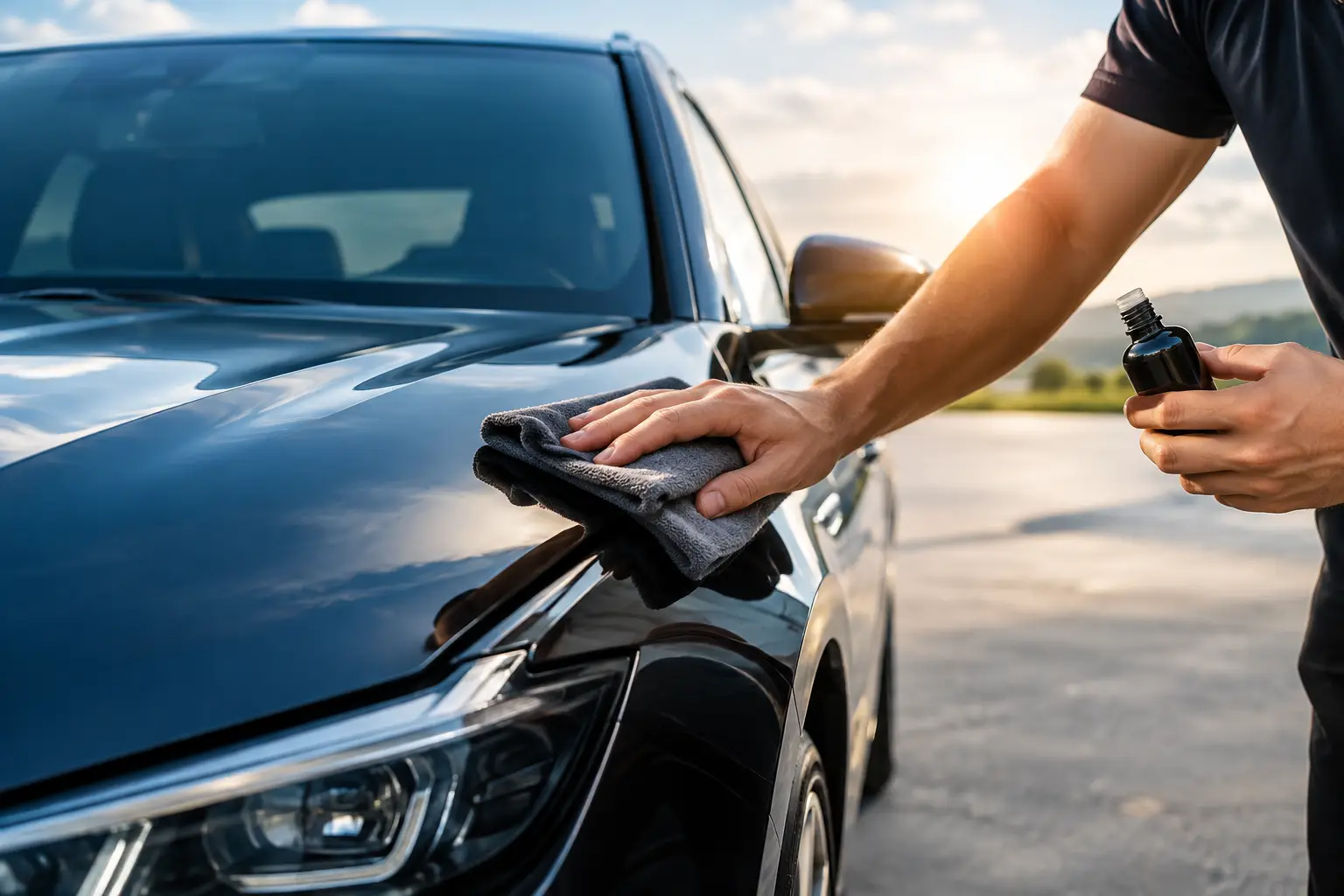
Does Ceramic Coating Protect UV Damage on Cars?
Colorado sunshine can be hard on a vehicle. At Denver’s elevation, UV exposure is intense, and it works on paint, clear coat, plastic trim, rubber seals, and interiors every day the car sits outside. So, does ceramic coating protect UV damage? Yes, a quality ceramic coating adds meaningful UV resistance and helps preserve a vehicle’s finish, but it is not a force field against fading, oxidation, or neglected paint.
The best results come from understanding what a coating is designed to protect, preparing the surface correctly, and maintaining it over time. For daily drivers, family SUVs, work trucks, and enthusiast vehicles alike, ceramic coating can be a smart long-term investment in appearance and resale value.
Does Ceramic Coating Protect UV Damage?
Ceramic coating helps protect against UV damage by creating a thin, durable protective layer over the clear coat. Professional-grade coatings use ceramic-based chemistry, commonly silicon dioxide or similar formulations, that are engineered to resist environmental exposure. That layer reduces the direct burden that sunlight, heat, airborne contamination, and moisture place on the paint surface.
UV rays gradually degrade exposed automotive materials. On painted panels, the process can contribute to oxidation, loss of gloss, and a dull or chalky appearance over time. On unpainted black trim, mirrors, wiper cowl panels, and other plastic surfaces, sun exposure is a major reason deep black turns gray or faded. A properly installed ceramic coating can slow these changes by adding a sacrificial barrier between the vehicle and the elements.
That distinction matters: ceramic coating helps slow UV-related deterioration. It does not make paint permanently immune to sun damage, especially if a vehicle spends every day outdoors without regular washing or care.
Why UV Protection Matters More in Colorado
A vehicle parked outside in Denver, Aurora, Lakewood, or Littleton can see strong sun, high heat, sudden storms, dust, tree debris, and winter road treatment in the same year. UV exposure does not happen only during the hottest months. Clear winter days can be particularly harsh, and reflected sunlight from snow adds another source of exposure.
The paint’s clear coat already contains UV inhibitors from the factory. Those inhibitors do not last forever, particularly on older vehicles or vehicles that have experienced years of frequent sun exposure. Once the clear coat begins oxidizing, restoring depth and gloss can require polishing or more involved paint correction.
Ceramic coating is most valuable before that deterioration becomes advanced. By protecting a healthy finish – or protecting paint after professional correction – the coating helps preserve the clarity and richness owners expect from their vehicle’s color.
What a Ceramic Coating Actually Does
UV resistance is only one benefit. A professional ceramic coating also creates a more hydrophobic surface, meaning water tends to bead and release more easily. This can make it easier to wash away dirt, road film, bug residue, and light contamination before those materials have extended contact with the paint.
The coating also adds chemical resistance. Bird droppings, insect remains, tree sap, mineral-rich water spots, and winter grime can etch or stain a neglected finish. A coating does not make these contaminants harmless, but it gives the paint more protection and makes prompt cleanup more effective.
For many owners, the visible benefit is the first thing they notice. A coated vehicle has stronger gloss, sharper reflections, and a cleaner appearance between washes. The practical benefit is that maintaining that finish usually takes less effort than maintaining unprotected paint.
Paint Protection Is Not Scratch-Proof Protection
One common misunderstanding is that ceramic coating prevents all scratches. It does not. Quality coatings offer some resistance to light wash marring and minor surface abrasion, but they will not stop rock chips, deep key scratches, shopping-cart impacts, or damage from improper washing.
If chip resistance is the main goal, paint protection film is a different product designed for that purpose. Ceramic coating and paint protection film can also work together, depending on the vehicle, budget, and the areas that need the most protection.
Preparation Determines the Result
A ceramic coating can only protect the surface it is applied to. It cannot correct existing oxidation, heavy swirl marks, scratches, water-spot etching, or embedded contamination by itself. Applying a coating over dull or damaged paint may make the vehicle easier to clean, but it can also lock in the defects that were already there.
That is why professional installation begins with careful assessment and preparation. The exterior is washed, chemically and mechanically decontaminated as needed, and inspected under proper lighting. If the paint has swirls, haze, oxidation, or isolated scratches, paint correction may be recommended before coating.
A single-stage polish can significantly improve gloss on many daily drivers. Multi-stage paint correction is more appropriate when a vehicle needs deeper refinement. The goal is not to chase perfection at the expense of paint thickness. It is to create the best realistic finish, then protect it with a coating suited to how the vehicle is used.
The Limits of UV Protection
Ceramic coatings are highly useful, but honest expectations lead to better long-term results. They will not restore severely faded paint, replace a failing clear coat, or prevent every effect of years of full-time outdoor parking. They also need to be installed on a clean, properly prepared surface to bond and perform as intended.
Durability depends on the coating itself, installation quality, storage conditions, wash habits, and exposure level. A garage-kept weekend car will have very different needs than a black SUV parked outside all day and driven through winter road salt.
Coatings can also lose water behavior over time when mineral deposits, road film, or traffic film build up on top of them. This does not always mean the coating has failed. Often, a professional decontamination wash or maintenance service can restore the surface’s hydrophobic performance.
How to Get the Most From a Ceramic-Coated Vehicle
A ceramic-coated vehicle still needs routine care. Regular washing removes contaminants before they can bake onto the surface in direct sun. Using pH-balanced products, clean wash media, and proper drying methods reduces the chance of adding swirl marks back into the finish.
Avoid automatic tunnel washes with abrasive brushes whenever possible. Their brushes can leave fine scratches and diminish the polished appearance that made coating worthwhile in the first place. Touchless washes are generally less risky than brush washes, although strong chemicals and inconsistent rinse quality can still affect the finish over time.
For vehicles parked outdoors, removing bird droppings, tree sap, bug splatter, and fresh water spots promptly is especially worthwhile. A coating gives you more time to address these problems, not unlimited time. Parking in a garage or under appropriate covered parking when possible remains one of the simplest ways to reduce UV exposure.
Is Ceramic Coating Worth It for Your Vehicle?
For owners who want paint to stay glossier, washing to be easier, and sun-related aging to progress more slowly, ceramic coating is a practical protection service. It is particularly valuable after paint correction, when the surface has been restored and deserves to be preserved.
The right choice depends on the vehicle’s condition and your expectations. A newer luxury car, a carefully kept classic, and a heavily used family SUV may all benefit from ceramic protection, but each may need a different level of correction and coating coverage. Exterior paint, wheels, glass, trim, and interior surfaces can each require a different approach.
FB Mobile Auto Detailing & Coating evaluates the vehicle before recommending a service, because the best coating result starts with the right preparation rather than a one-size-fits-all package. Protecting your paint from Colorado sun is not about promising perfection. It is about giving a major investment the professional care it needs to look better for longer.


