
How Long Does a Ceramic Coating Really Last on a Daily Driver?
If you drive your vehicle every day in Colorado, you already know your paint takes a beating. High-altitude UV radiation, road salt from October through April, hailstorms in summer, and freeze-thaw cycles in spring, your car’s finish is under siege every single time it leaves the driveway. That reality makes the question of ceramic coating lifespan far more urgent here than it is in gentler climates.
In my experience working alongside professional detailers in Colorado, the single biggest source of disappointment around ceramic coatings is mismatched expectations. Owners hear “five-year coating” and picture a worry-free, maintenance-free shield. The reality is more nuanced, and considerably more rewarding when you understand it properly.
This guide cuts through the marketing noise. By the end, you will know exactly what a professional-grade ceramic coating can do for your daily driver, how Colorado’s environment affects that timeline, and what you need to do to make every year count.
Key Takeaways
-
Real-world lifespan on a daily driver is 2 to 5 years: On a daily-driven car, a professional ceramic coating typically lasts between 2 to 5 years, and the exact lifespan depends heavily on the grade of the coating formula, environmental exposure, and how frequently the vehicle is washed. Therefore, treat the “5-year” figure as the upper boundary you earn through proper maintenance, not a guarantee from the tin.
-
Colorado’s altitude shortens your margin for error: At 5,280 feet, UV radiation in Denver is 25% more intense than at sea level, and the same altitude that makes Colorado sunsets beautiful fades your paint, oxidises your clear coat, and turns that showroom finish dull within a few years. Apply a ceramic booster spray every 3 to 6 months to compensate.
-
Professional application outperforms DIY by years: Most professional coatings last 3 to 7 years, while DIY coatings usually last 1 to 2 years. If you are committing serious money to a daily driver, professional installation is the only sensible path.
-
Automatic car washes are a silent killer: Tunnel car washes use high-pH alkaline detergents and abrasive brushes or harsh high-pressure systems; alkaline cleaners chemically attack the silica structure of a ceramic coating, and regular weekly tunnel washes over six months will strip hydrophobic performance significantly. Switch to hand washing immediately after your coating is applied.
-
Resale value is a genuine bonus: Recent studies have shown that cars with glossy, well-kept paint jobs can fetch up to 10 to 15% higher resale prices than those with visibly worn or damaged paint. Over the life of a vehicle, that return more than justifies the upfront cost.
Quick-Start Prioritisation Framework
Before diving into the detail, use this table to match your situation to the right starting point.
| Strategy | Best For | Effort Level | Time to Results |
|---|---|---|---|
| Professional multi-layer coating | Daily drivers, outdoor parking, Colorado weather | Low (post-install) | Immediate protection; 3 to 5+ year lifespan |
| Mid-tier professional single-layer | Budget-conscious owners, garage-kept cars | Low | 2 to 3 year lifespan |
| DIY kit + maintenance spray top-ups | Enthusiasts comfortable with prep work | High | 1 to 2 years, requires frequent attention |
| Ceramic booster spray only | Cars already coated; refreshing hydrophobics | Very Low | Days; extends existing coating 3 to 6 months |
| Wax or sealant | Short-term shine, no long-term commitment | Low | Weeks; reapply every 4 to 8 weeks |
Start here if you are:
-
A daily driver in Colorado’s front range: Professional multi-layer coating, the altitude, road salt, and UV exposure demand maximum bonding strength and multiple layers of SiO₂.
-
On a tighter budget: Mid-tier single-layer coating plus a diligent booster spray routine every quarter; you can still achieve solid protection at lower upfront cost.
-
An enthusiast who enjoys car care: A quality DIY kit is workable, but invest serious time in paint correction before application or the results will disappoint.
What Actually Determines Ceramic Coating Lifespan
The Product Grade Makes a Measurable Difference
The actual longevity of a ceramic coating depends on several factors, and professional-grade coatings have a higher concentration of active SiO₂ (silicon dioxide) and advanced resin formulas compared to consumer DIY products, meaning stronger protection and longer durability.
Professional-grade coatings with higher silicon dioxide content, typically 70% or more, generally last longer than consumer-grade products with lower SiO₂ percentages. When you are comparing quotes, ask the installer what the SiO₂ concentration is. If they cannot answer, walk away.
Pro Tip: Look for a coating with a 9H hardness rating as a baseline. As Paint Doctor’s ceramic coating guide explains, a hardness rating of 9H or above offers optimal protection against everyday surface wear. Anything below that is unlikely to hold up to Colorado’s gritty roads.
Installation Quality Determines the Ceiling
I have found that the application process matters just as much as the product itself. Even the best coating will fail prematurely if applied incorrectly, and a proper installation involves meticulous paint correction, chemical decontamination, and precise layering.
The vehicle must be meticulously washed, chemically decontaminated with an iron and tar remover, and then mechanically decontaminated with a clay bar to create a sterile surface. Any swirls, scratches, or other defects must be polished out of the paint before coating, applying a coating over imperfect paint will only highlight the flaws.
This is precisely why mobile detailing specialists who follow a controlled prep protocol, like the team at FB Mobile Auto Detailing, produce results that hold up far longer than a hasty DIY application on a dusty driveway.
Environmental Pressure in Colorado
Ceramic coating lifespan depends on several key factors, including UV exposure, which can reduce lifespan by up to 30%, and, as a result, vehicles in harsh environments may experience 20% to 40% shorter coating lifespan compared to mild conditions. That is a significant reduction, and it is worth planning for.
Colorado highways see heavy road salts and magnesium chloride treatments all winter, which embed in paint and cause micro-etching and corrosion over time, while hail season from May through August leaves water spots, micro-impacts, and surface contamination.
A ceramic coating is a long-term investment; in Colorado, high-altitude UV, dry heat, hail, and winter magnesium chloride all attack paint harder than in most other states, but with a simple maintenance routine, a professional coating will keep beading, sheeting, and shining for the full 3 to 9 year warranty window.
The Honest Lifespan Breakdown by Coating Tier
Entry-Level and DIY Coatings (1 to 2 Years)
DIY ceramic coatings generally have a shorter ceramic coating lifespan, often around 1 to 3 years. These products contain lower concentrations of active SiO₂ and, critically, they rely entirely on the owner’s surface preparation. Most DIY applicators skip or rush the decontamination and paint correction steps, and the coating pays the price.
Professional ceramic coatings typically employ advanced formulas with higher concentrations of silica dioxide, a key element that ensures durability and glossy protection. DIY kits usually contain lower SiO₂ percentages, offering protection that lasts around 1 to 3 years depending on upkeep.
If your budget only stretches to a DIY kit right now, that is fine, but plan to re-apply more frequently and be meticulous about prep.
Mid-Tier Professional Coatings (3 to 5 Years)
This is where most daily driver owners will land, and for good reason. Professional ceramic coating typically costs $600 to $3,500+, with most vehicle owners paying $1,000 to $2,000 for a 3 to 5 year package, while DIY kits cost $50 to $300 but provide shorter durability and weaker protection. That works out to roughly $300 to $500 per year of protection, far less than the cost of a single paint correction job after oxidation sets in.
Pro Tip: professional ceramic coating cost guides notes that professional applications ranging $1,200 to $1,800 provide optimal value for most vehicle owners, delivering 5 to 7 years of superior protection with a positive return on investment through reduced maintenance costs and enhanced resale values. If you are on the fence, use that annual cost figure to reframe the decision.
High-End Multi-Layer Professional Coatings (5 to 10 Years)
Most professional coatings last 3 to 7 years, while high-grade formulas, especially those containing silicon carbide, can last up to a decade with proper maintenance. These products typically come with a multi-year warranty, but read the fine print carefully. Warranties range from 1 to 10 years, though most require annual maintenance to stay valid.
In practice, a realistic lifespan for a daily driver depends more on behaviour than product. A realistic lifespan for a daily driver depends more on behaviour than product: with proper maintenance, 3 to 5 years on a professional application is achievable, while with poor habits, the same coating can be functionally depleted in 18 months.
The Three Biggest Mistakes That Cut Lifespan Short
Running Through an Automatic Car Wash
This one surprises people, but it is the fastest way to shorten a coating’s life. You should avoid washing your car at an automatic car wash because it will mar your car’s finish and cause micro scratches to form, as automatic car washes use highly abrasive bristles that can retain scratch-prone contaminants from previous washes.
The chemistry is equally damaging. To avoid these issues, it’s best to avoid automatic car washes altogether and hand wash your car with a gentle pH-neutral soap and a soft wash mitt, because the harsh chemicals used in automatic car washes can strip away the coating’s protective layer.
Using the Wrong Soap
Harsh detergents and dish soap will strip your coating over time. Always use a pH-neutral, coating-safe wash soap that cleans without degrading the hydrophobic layer, this is the single most important maintenance habit.
A ceramic coating should be washed with an automotive-specific shampoo that is pH neutral, contains no wax, and is ultra-suds producing. Most detergents like dish soap are high alkaline or +9 on the pH scale, which can leave a film on top of the coating if not completely rinsed off.
Skipping Regular Maintenance Washes
Ceramic coating reduces the frequency of washing; it does not eliminate the need for it. How often you wash your vehicle depends on how you drive and where you live, and for most drivers, washing every 2 to 4 weeks is ideal.
In Colorado, I would argue that cadence should tighten during winter. Colorado highways see heavy road chloride, sodium chloride, and sand on roads from October through April. Those compounds need to be rinsed off regularly or they embed and work against the coating’s surface chemistry.
Pro Tip: Apply a ceramic booster or silica spray sealant every 3 to 6 months. As Gtechniq’s wash guide explains, spraying a ceramic booster onto a microfibre towel and applying it evenly to the car’s paint enhances ceramic protection and maintains hydrophobic properties between full detail visits.
Common Misconceptions Worth Clearing Up
“Ceramic Coating Is Permanent”
One prevalent myth is that ceramic coatings are permanent and never require reapplication. While ceramic coatings do offer long-lasting protection, over time the coating may degrade due to exposure to UV rays, contaminants, and general wear and tear. The bond is semi-permanent, strong enough to outlast any wax or sealant by years, but not impervious to time.
“The Coating Makes Your Car Scratch-Proof”
This is the misconception I hear most often, and it is worth addressing clearly. Ceramic coatings can protect your vehicle from light scratches, but they are certainly not scratch-proof, while the coating can provide a layer of protection against shallow scratches, it is not impervious to damage.
A coating offers no meaningful protection against rock chips from highway driving. For robust impact protection, Paint Protection Film (PPF) is the necessary solution. If rock chips on I-25 or I-70 are your primary concern, ask your detailer about combining PPF on high-impact areas with ceramic coating over the rest of the vehicle.
“Once It’s On, You Never Have to Wash Again”
There’s a belief that once a ceramic coating is applied, maintenance becomes effortless. While ceramic coatings make cleaning easier by repelling dirt, water, and other contaminants, regular maintenance is still necessary to ensure the coating’s longevity and performance. The coating reduces effort, not responsibility.
This overview covers several widely held assumptions about ceramic coatings that are worth understanding before drawing conclusions about their performance and longevity.
How to Tell When Your Coating Needs Attention
Ceramic coatings typically wear down gradually rather than failing all at once. That is good news; it gives you time to act before bare paint is exposed. Watch for these signs:
-
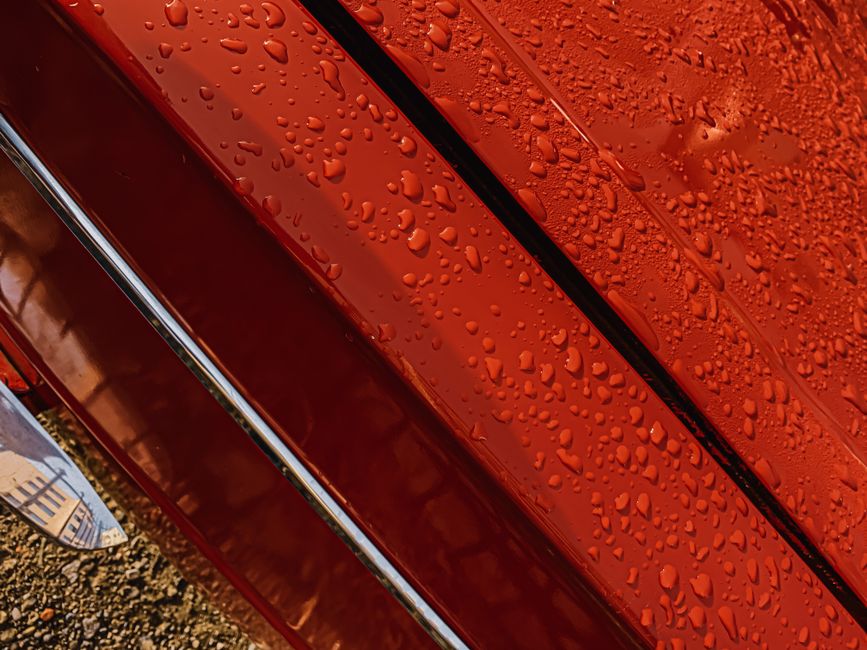
One of the clearest signs your coating is failing is when water no longer beads tightly on the surface or sheets off cleanly. Instead, it may spread out or cling, reducing protection against water spots and contaminants.
-
You may also notice a loss of gloss. As the coating degrades, the finish looks duller, meaning the protective layer is thinning and exposing the paint to UV rays and pollutants.
-
A gritty, sticky, or “draggy” texture suggests embedded contaminants or coating breakdown, meaning dirt and particles are sticking where they should not.
-
Another symptom is increased contaminant buildup: when coatings deteriorate, grime, sap, and droppings start sticking to the paint, making cleaning harder and allowing harmful particles to sit on the surface longer.
A good way to think of coating longevity is in phases: the first few years deliver peak performance with strong gloss, fast water beading, and easy cleaning. After that, the coating continues to protect the paint, but its surface behaviour, like slickness and water repellence, can gradually decline. This does not mean the coating has failed; it is simply entering a natural stage of ageing.
Frequently Asked Questions
How long does a ceramic coating realistically last on a car I drive every day?
Ceramic coatings typically last two to five years, depending on the product, application quality, driving habits, and environmental exposure. For a daily driver in Colorado, parked outside, exposed to UV, winter road chemicals, and hail, expect the lower half of that range unless you follow a consistent maintenance routine. A well-maintained professional coating can push toward five years or beyond.
How much does a professional ceramic coating cost in 2025 and 2026?
Ceramic coating typically costs $600 to $3,500 for professional installation, with most car owners paying $800 to $2,500 depending on vehicle size, paint condition, and preparation work. A compact sedan usually costs $600 to $900 professionally, but prices increase with decontamination, paint correction, and higher-quality coatings. Add-ons such as glass coating ($150 to $400) and wheel coating ($200 to $500) provide comprehensive protection but raise the total investment.
Does a ceramic coating actually improve my car’s resale value?
Ceramic coatings enhance a vehicle’s resale value by providing long-lasting protection against environmental elements, preserving the paint’s appearance, and minimising wear over time. Research indicates that vehicles with ceramic coatings can command significantly higher resale values due to their preserved condition, and when considering higher resale value coupled with lower maintenance costs, the long-term benefits truly start to shine through.
Is a ceramic coating worth it for a car I park outside every day?
Outdoor parking is actually one of the strongest arguments for getting coated. Ceramic coating forms a UV-resistant barrier that protects your paint from sun damage, fading, and oxidation, especially crucial in high-altitude, sunny areas like Colorado. During winter, roads are treated with salt, sand, and gravel, all of which can corrode your paint and leave behind micro-scratches, and a winter car protection coating forms a chemical-resistant barrier that repels these elements, reducing the risk of rust, etching, and long-term damage. If your car lives outside in Colorado, a coating is a practical choice rather than a luxury.
How do I know whether my coating needs a top-up or a full reapplication?
A top-up application is ideal if your current coating is mostly intact but performance is slightly reduced; a full reapplication is best when visible damage or failure areas exist, and includes stripping the old layer, proper prep, and applying fresh coating. The practical test: pour water over a clean panel. If it beads into tight balls and rolls off, your coating has life left. If water flattens into sheets or pools, it is time to consult a professional detailer about your options.
Final Thoughts
The ceramic coating lifespan question has a straight answer, 2 to 5 years for most daily drivers, but the more useful question is what you can do to land at the top of that range rather than the bottom. Based on everything I have seen, the difference comes down to three things: professional installation with proper prep, avoiding automatic car washes, and keeping up a pH-neutral wash routine every 2 to 4 weeks.
In Colorado specifically, the altitude, the magnesium chloride, and the intense UV make professional-grade protection worth every dollar. Combined, these benefits make ceramic coating an ideal long-term protection strategy tailored to Colorado’s extreme seasonal swings.
If you are ready to protect your vehicle properly, the team at FB Mobile Auto Detailing brings professional-grade ceramic coating services directly to you, no drop-off, no waiting, no shortcuts on prep. For a daily driver facing Colorado’s conditions, that level of expertise makes a real, measurable difference to how long your coating performs.
Sources
-
How Long Does Ceramic Coating Last on a Daily Driver?, KD Auto Spa. Real-world lifespan breakdown and environmental factors. https://kdautospa.com/how-long-does-a-ceramic-coating-last-on-a-car-that-is-driven-every-day/
-
How Long Does Ceramic Coating Actually Last on a Daily Driver?, EuroLuxe Detailing. Behaviour vs product impact on lifespan. https://euroluxedetailing.com/blog/how-long-does-ceramic-coating-last-daily-driver/
-
7 Expert Tips to Extend Your Ceramic Coating Lifespan, IGL Coatings. DIY vs professional lifespan data. DIY ceramic coatings generally
-
How Long Does Ceramic Coating Last?, Chemical Guys. Lifespan basics and maintenance guidance. https://www.chemicalguys.com/blogs/exterior-how-tos/how-long-does-ceramic-coating-last
-
How Long Does Ceramic Coating Last?, OC Tint Solutions. Tier-by-tier lifespan breakdown. https://octintsolutions.com/how-long-does-ceramic-coating-last/
-
Ceramic Coating Lifespan Expert Breakdown, Shamrock Detailing. UV and environment impact data. https://www.shamrockdetail.com/how-long-does-ceramic-coating-last
-
Ceramic Coating in Colorado Springs: Complete Guide, Professional PDR. Colorado-specific UV and protection data. https://professionalpdr.com/what-is-ceramic-coating-a-complete-guide-for-colorado-springs-car-owners/
-
Professional Ceramic Coating in Denver, Extreme Autoworks. Denver altitude UV intensity and road chemistry. Colorado highways see heavy road
-
Maintaining Your Ceramic Coating in Colorado, Revival Detailing. Colorado-specific maintenance routine. https://revivaldetailing.com/blog/maintaining-ceramic-coating-colorado
-
Ceramic Coating Cost: How Much Should You Pay?, FEYNLAB. Professional vs DIY cost comparison. professional ceramic coating cost guides
-
How Much Does Ceramic Coating Cost?, Xtreme Detailing. Full cost range by vehicle size and prep. https://www.xtremedetailingusa.com/how-much-does-ceramic-coating-cost
-
How to Wash a Ceramic Coated Car, Gtechniq. pH-neutral soap and booster spray guidance. Gtechniq’s wash guide
-
How to Maintain Your Ceramic Coating and Make It Last, Undrdog. Single most important maintenance habit. https://getundrdog.com/blogs/car-care-tips-tricks/how-to-maintain-your-ceramic-coating-and-make-it-last
-
Signs Your Ceramic Coating Is Wearing Off, Reflections Detailing. Hydrophobicity loss and coating wear indicators. A gritty, sticky, or “draggy”
-
Myths vs Facts About Ceramic Coatings, FEYNLAB. Scratch resistance misconceptions. https://www.feynlab.com/myths-vs-facts-about-ceramic-coatings/
-
Ceramic Coatings Demystified: Myths and Misconceptions, HyperClean Store. Rock chip protection limitations. https://hypercleanstore.com/blogs/news/ceramic-coatings-demystified-myths-misconceptions-and-what-actually-matters
-
The Impact of Ceramic Coating on Vehicle Resale Value, Prestige Auto Armor. Resale value research data. https://www.prestigeautoarmor.com/the-impact-of-ceramic-coating-on-vehicle-s-resale-value
-
Ceramic Coatings and Resale Value, LeJeune Ceramic Coating. Paint preservation and market appeal. https://www.lejeuneceramiccoating.com/ceramic-coatings-and-how-they-enhance-vehicle-resale-value
-
DIY vs Professional Ceramic Coating, Apex Auto Co. SiO₂ concentration and application comparison. https://www.apexautoco.com/diy-vs-professional-ceramic-coating-comparison-benefits-and-cost-guide
-
The Lifespan of Ceramic Coatings, My Car Heaven. Ageing phases and performance decline. https://mycarheaven.com/2025/10/the-lifespan-of-ceramic-coatings-and-what-can-ruin-it-fast/


