
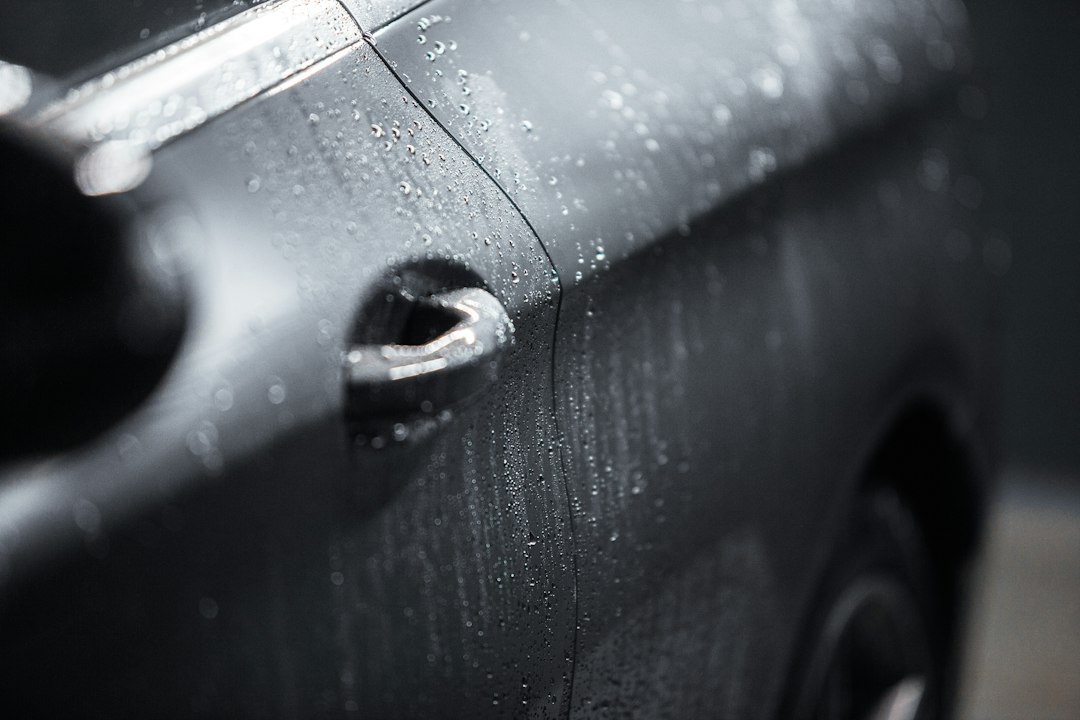
2026 Guide to Maintaining a Ceramic Coating Between Professional Details
If you’ve invested in a ceramic coating, you already know it delivers serious protection: deep gloss, water-beading hydrophobics, and a shield against UV damage, road salt, and environmental grime. The question most people ask after installation is simple: “What do I do now, and how often?” The answer matters far more than most coating owners realise. In Colorado, where Denver sits at 5,280 feet above sea level and roads are treated with magnesium chloride from October through March, maintaining a ceramic coating between professional details is genuinely a year-round job.
To maintain a ceramic coating properly, the basic process involves regular pH-neutral hand washes, prompt removal of contaminants, quarterly booster applications, and an annual professional detail. This guide walks through every step in plain language so you can protect your investment, and get the most years out of your coating, without needing to be a detailing expert.
Key Takeaways
-
Wash every one to two weeks: Washing every one to two weeks using a pH-neutral shampoo is the single most important habit for preserving a ceramic coating, skip this and contaminant build-up accelerates degradation faster than almost anything else.
-
Your coating’s lifespan depends heavily on how you maintain it: Environmental factors like UV exposure and road salt can reduce ceramic coating lifespan by 20 to 40%, especially in harsh climates. In Colorado, that means proactive care is non-negotiable.
-
Apply a booster spray quarterly: Applying a ceramic booster every three to six months maintains protection by replenishing the hydrophobic layer before it fails noticeably.
-
Automatic car washes are coating killers: Soft-touch car washes are notorious for causing micro-scratches; the brushes or cloth strips often harbour dirt, sand, and debris from previous washes that create swirl marks and fine scratches, marring the glossy finish.
-
Professional details once a year keep the coating performing at its best: Detailing professionals recommend customers return once a year for a maintenance detail, a wash, clay, seal, and heavy decontamination, and that between those major services, it is important to follow a regular maintenance wash routine to keep the coating in top condition.
Quick-Start Prioritisation Framework
| Strategy | Best For | Effort Level | Time to Results |
|---|---|---|---|
| pH-neutral two-bucket hand wash | All coating owners | Low | Immediate |
| Contaminant spot-cleaning | All owners, especially in summer | Low | Minutes |
| SiO2 booster spray application | Owners 3+ months post-install | Low-Medium | Same day |
| Annual professional decontamination detail | All coating owners | None (professional) | Same appointment |
| Iron remover decontamination wash | Owners near high-traffic roads | Medium | One session |
Start here if you are:
-
A new coating owner (under six months): Begin with the two-bucket hand wash routine, get the habit locked in before adding boosters.
-
A busy daily driver: Keep a pH-neutral spray detailer in the car for quick contamination removal between full washes.
-
Approaching winter in Colorado: Schedule a professional decontamination detail before the first mag chloride application hits your roads.
Why Colorado Makes Ceramic Coating Maintenance More Urgent
I’ve worked with enough vehicle owners across the Denver metro to know that what damages a coated car in Colorado is different from what you’d face in, say, Florida or the Pacific Northwest. The threats here are layered and seasonal.
High-Altitude UV: The Silent Threat
At 5,280 feet above sea level, the Mile High City experiences approximately 25% more UV radiation than locations at sea level. That figure applies to your car’s paint just as much as it does to your skin. With every 1,000-foot increase in elevation, UV intensity rises by about 10 to 12%. UV maintenance sprays containing UV blockers protect against sun-induced oxidation and fading, which degrade both the coating and the underlying clear coat. If you skip your booster spray schedule in a Colorado summer, you are leaving your coating to fight that elevated UV load on its own.
Mag Chloride and Road Salt: The Winter Threat
CDOT applies millions of pounds of magnesium chloride and sodium chloride to Colorado roads each season, and that salt does not simply wash off in the rain; it bonds to paint, seeps into door jambs, collects in wheel wells, and begins attacking metal surfaces at the molecular level. Unlike states that use traditional rock salt, Colorado primarily uses magnesium chloride to treat icy roads, and mag chloride is particularly aggressive on chrome trim, plastic components, and painted surfaces. A ceramic coating creates a barrier against this, but only if you wash the vehicle promptly after exposure. According to AAA’s road salt guidance, US drivers in areas hit hard by winter weather paid an estimated $15.4 billion on salt-related rust repairs over five years, that is the cost of neglect. Therefore, after every drive on treated roads, aim to wash your vehicle within 48 hours.

Step-by-Step: The Correct Maintenance Wash Routine
I’ve found the biggest mistake coating owners make is treating a coated car the same as an uncoated one. The chemistry is different. The tools need to be different too.
Step 1, Choose the Right Shampoo and Tools
pH-neutral shampoo is non-negotiable for ceramic-coated vehicles; standard pH-neutral formulas clean effectively without stripping the coating’s hydrophobic properties, while harsh alkaline cleaners, acidic wheel cleaners applied to painted surfaces, and especially household dish soap will degrade coating performance over repeated use. Grab a dedicated microfiber wash mitt, not a sponge. A quality microfiber wash mitt – not a sponge, is essential because sponges trap grit against the paint surface, while microfiber mitts encapsulate particles and lift them away.
Pro Tip: Use a separate bucket and mitt for wheels and tyres. Brake dust is iron-rich and abrasive. Introducing it to your main wash mitt is a fast way to add swirl marks to panels you’re trying to protect.
Step 2, Follow the Two-Bucket Method
Use the two-bucket method with a grit guard to minimise scratching: one bucket should contain clean water for rinsing your wash mitt, and the other should contain soapy water, helping remove dirt without reintroducing it onto the car’s surface. Wash in straight, overlapping lines rather than circular motions, and work from the top of the vehicle downward so you are always moving clean soapy water toward panels you have not reached yet.
Step 3, Wash in the Shade
Heat accelerates chemical reactions, and washing in direct sunlight causes soap to dry prematurely on the panel, leaving water spots and soap residue baked into the coating. In Colorado’s intense summer sun, this is particularly relevant. Always find shade before you start.
Step 4, Dry Correctly to Avoid Water Spots
Water spots contain mineral deposits that etch into ceramic coatings over time; use a dedicated microfiber drying towel or a forced-air blower and never let your car air-dry. Use a clean, high-quality microfiber drying towel and pat or drag it gently across panels rather than wiping aggressively; many detailers prefer using a filtered air blower for drying, which removes water with zero contact and eliminates any risk of towel-induced marring.
The following video walks through the correct wash process for a ceramic-coated vehicle, which may help clarify the steps described above.
Handling Contaminants: The Urgency Rule
In my experience, the number one avoidable coating failure I see is contamination left on the surface for too long. Bird droppings and bug splatter are the worst culprits.
Bird Droppings: Remove Them Now
With a pH acidity that can typically range in the area of 3 to 4.5, bird droppings should not be taken lightly. Within 30 to 60 minutes of landing, UV exposure heats the acid and begins the process of clear coat damage; after two to four hours, the acid starts to penetrate the clear coat, causing initial paint etching and dull spots. In Colorado’s high-altitude sun, that window gets even shorter. Ceramic coating does not make your car immune to bird droppings; it makes the surface harder to penetrate because the droppings land on the coating rather than the paint, meaning the acid has to work through that barrier first, and because the coating is hydrophobic, the droppings do not bond as tightly.
The action step is simple: keep a pH-neutral detailing spray and a folded microfiber cloth in your boot. When you find a dropping, mist, wait 30 seconds, and wipe gently with zero pressure. Do not rub dry.
Road Salt and Iron Fallout
Letting road salt and industrial fallout cling to the surface kills its slickness and hydrophobic energy, a consistent wash schedule is your absolute first line of defence. After winter drives on CDOT-treated roads, a rinse-down, even just with a hose, is better than leaving mag chloride to sit overnight.
Pro Tip: After the winter season ends, a dedicated iron-remover spray (a pH-neutral decontamination product) dissolves bonded iron particles that a standard wash cannot reach. This is a job you can do at home every six months, or ask your professional detailer to include it in your annual service.
The Booster Spray: Refreshing What the Elements Wear Away
A ceramic coating degrades gradually with every wash, every UV cycle, and every winter. The good news is that a booster product can slow that degradation significantly.
What a Booster Does and When to Apply One
Ceramic coating maintenance sprays, also called SiO2 toppers, help replenish the coating’s hydrophobic properties. You will know it is time when water stops beading and sheeting as cleanly as it used to, that reduced hydrophobic performance is the coating telling you it needs attention.
Applying ceramic quick detailers or booster products once monthly refreshes performance and adds protective depth; without maintenance, most ceramic coatings degrade within one to two years and require a full reapplication, while monthly treatments address gradual wear from washing and environmental exposure, extending protection for three to five years depending on environmental conditions. Even quarterly application delivers a meaningful improvement over doing nothing.
Apply the booster immediately after a maintenance wash, once the surface is clean and dry. Work one panel at a time, mist the product on, and buff with a clean microfiber cloth.
Pro Tip: Select a booster that is formulated specifically for ceramic-coated surfaces and contains no wax. Wax applied over a ceramic coating can clog the pores and actually reduce the coating’s performance rather than enhance it.
Common Mistakes That Cut a Coating’s Life Short
I have seen coating owners unknowingly undo months of protection in a single afternoon. These are the errors to avoid.
Using an Automatic Car Wash
Touchless car washes use strong chemical detergents to break down dirt and grime; while effective at cleaning, they can gradually degrade the hydrophobic properties of ceramic coatings, weakening the coating’s ability to repel water, dirt, and other contaminants. Brush-based washes are even worse. The Olson’s Auto Detailing complete guide confirms that automated car washes, especially those with rotating brushes, can create micro-abrasions on the ceramic coating. Both touchless and brush formats pose a risk, hand washing is always the right choice for a coated vehicle.
Applying Regular Wax Over the Coating
Traditional paste wax and spray wax products are designed to fill micro-scratches in bare clear coat. On a ceramic coating, they sit on top of the SiO2 layer and interfere with its chemistry. Use only products labelled as ceramic-compatible or SiO2-based.
Waiting Too Long Between Washes
Waiting months between washes allows bonding of contaminants that requires professional decontamination; you should wash every two weeks minimum because the coating makes it easier, not unnecessary. Think of this as the cost of ownership, not an inconvenience.

When to Book a Professional Detail
Between-detail home maintenance preserves the coating’s everyday performance. Professional maintenance restores what home care cannot fully address.
What Happens at an Annual Maintenance Detail
Perform a decontamination wash annually using a pH-neutral iron remover; this process removes embedded contaminants like metallic particles and brake dust that can degrade the coating over time. A professional will also inspect the coating for thin spots, check the hydrophobic performance, and apply a fresh topcoat layer where needed.
At FB Mobile Auto Detailing, the team can come directly to your home or workplace across the Denver metro, meaning there is no excuse to skip your annual service because of scheduling. The convenience of mobile detailing makes sticking to your coating’s maintenance schedule considerably easier. You can explore available services at FB Detailing and Coating.
Consider having your ceramic coating inspected by a professional detailer for maintenance every six months; they can spot any issues early and apply touch-ups if needed. In Colorado’s harsh environment, where UV, mag chloride, and freeze-thaw cycles all work against your coating simultaneously, six-monthly inspections are a smart approach for high-exposure daily drivers.
Frequently Asked Questions
How often should I wash a ceramic-coated car?
Wash your vehicle every one to two weeks using the two-bucket method with a pH-neutral, coating-safe shampoo. In Colorado winters, you may need to wash more frequently after each trip on CDOT-treated roads. The coating makes each wash faster and easier, so the time investment is lower than for an uncoated vehicle.
Can I use any car shampoo on a ceramic coating?
No. Dish soap strips wax, sealant, and ceramic protection equally, and that “squeaky clean” feeling means you have just removed your protective layer; only use products specifically formulated for ceramic coatings. Look for pH-neutral shampoos explicitly labelled as safe for ceramic or coated surfaces.
How long will my ceramic coating last if I maintain it properly?
Professional-grade coatings, when applied correctly in a controlled environment, generally last between three and seven years, sometimes longer with regular upkeep, and that estimate assumes proper washing, occasional decontamination, and avoidance of harsh chemicals. In Colorado’s high-UV, high-salt-exposure environment, consistent maintenance is the difference between reaching that upper range and falling far short of it.
What should I do if my coating’s water beading has noticeably decreased?
Apply a ceramic booster spray following a thorough maintenance wash. Applying ceramic quick detailers between washes adds fresh SiO2 layers that revitalise hydrophobic properties and rebuild protective depth. If the beading does not improve after one or two booster applications, schedule a professional inspection; it may be time for a professional topcoat service rather than a DIY booster.
Is there anything specific Colorado drivers should do for winter ceramic coating care?
Yes. Wash promptly after any drive on treated roads, prioritising mag chloride removal. As with any form of winter road treatment, liquid anti-icer and de-icer residue should be removed from vehicles with soap and water following winter weather storms. Book an annual decontamination detail in early spring to address any bonded contamination from the winter season. Use a ceramic booster spray in autumn before the first winter weather arrives to ensure your hydrophobic layer is at full strength heading into the harshest months.
Final Thought
A ceramic coating is one of the best investments you can make for your vehicle’s long-term appearance and value. But the coating only performs as well as the maintenance routine behind it. In Colorado specifically, where UV radiation is amplified by altitude and winter roads are treated with aggressive chemicals for months at a time, staying on top of your between-detail routine is not optional; it is the difference between a coating that lasts years and one that fades before its time.
Keep your wash schedule consistent, treat contaminants immediately, apply your booster quarterly, and trust a professional for the deep work once a year. If you would like expert support with your coating’s ongoing care, FB Mobile Auto Detailing provides mobile detailing services across the Denver metro, coming to you so that maintaining your coating is as convenient as possible.
Sources
-
Ceramic Coating Maintenance Guide, Chemical Guys. UV protection, pH-neutral washing, and maintenance schedule guidance. https://www.chemicalguys.com/blogs/exterior-how-tos/ceramic-coating-maintenance
-
How to Maintain Ceramic Coatings, IGL Coatings Blog. Professional inspection schedule and booster application advice. https://blog.iglcoatings.com/how-to-maintain-ceramic-coatings/
-
Ceramic Coating Maintenance: How to Wash, Dry, and Protect Your Coated Car, The Rag Company. Step-by-step wash routine and annual detail guidance. https://theragcompany.com/blogs/detailing-how-tos/ceramic-coating-maintenance-how-to-wash-dry-and-protect-your-coated-car
-
How to Maintain Ceramic Coating on Your Car: The Complete Guide, Olson’s Auto Detailing. Two-bucket method, drying techniques, and professional scheduling. https://www.olsonsautodetailing.com/maintain-ceramic-coating-on-your-car-complete-guide
-
Ceramic Coating Maintenance: Tips for Long-Term Protection, Panda Hub. Comprehensive aftercare instructions and booster schedule. https://www.pandahub.com/blog/ceramic-coating-maintenance
-
2024/2025 Comprehensive Guide to Proper Ceramic Coating Aftercare, IGL Coatings Blog. Seasonal maintenance and decontamination guidance. https://blog.iglcoatings.com/2024-guide-maintanance-ceramic-coating/
-
How Long Does Ceramic Coating Last? Ultimate Guide, Shamrock Detail. Lifespan statistics and maintenance impact data. https://www.shamrockdetail.com/how-long-does-ceramic-coating-last
-
The Lifespan of Ceramic Coatings (And What Can Ruin It Fast), My Car Heaven. Real-world lifespan ranges and maintenance requirements. https://mycarheaven.com/2025/10/the-lifespan-of-ceramic-coatings-and-what-can-ruin-it-fast/
-
The Impact of Automatic Car Washes on Ceramic Coated Vehicles, The Works Auto Center. Micro-scratch and chemical degradation research. https://www.theworksautocenter.com/impact-of-automatic-car-washes-on-ceramic-coated-vehicles
-
Paint Defects and Paint Correction, Bird Droppings, Detailed Image. pH acidity data and paint damage explanation. With a pH acidity that can
-
Bird Poop Damage to Car Paint: Risks, Removal & Protection, Astonishing Detail. Damage timeline data by hours of exposure. https://astonishingdetail.com/how-much-damage-can-bird-poop-do/
-
Does Ceramic Coating Stop Bird Droppings?, The Details San Diego. How ceramic coating slows acid damage from bird droppings. https://www.thedetails-sd.com/blog/can-ceramic-coating-in-san-diego-help-protect-against-bird-droppings
-
Spring Detail Checklist for Denver Cars After Colorado Winter, Black Diamonds Detailing. CDOT mag chloride use and Denver-specific winter contamination. https://www.blackdiamondsdetailing.com/post/spring-detail-checklist-denver-colorado
-
Protect Your Car From Snow, Springs Detailing. Magnesium chloride effects on Colorado vehicles. https://springsdetailing.com/protect-your-car-from-snow/
-
How Colorado’s Elevation Impacts the UV Index, KOAA News. UV intensity at Colorado’s altitude. https://www.koaa.com/weather/weather-science/how-colorados-elevation-impacts-the-uv-index
-
Denver’s Climate Effects on Paint, Harmony Painting Denver. UV radiation data for Denver at altitude. https://harmonypaintingdenver.com/denvers-climate-effects-on-paint-expert-guide-from-harmony-painting/
-
Road Salt, A Destructive Element, AAA South Jersey. National road salt damage cost statistics. https://southjersey.aaa.com/automotive/road-salt-a-destructive-element
-
Winter Maintenance FAQ, Colorado Department of Transportation (CDOT). Official guidance on de-icer residue removal from vehicles. https://www.codot.gov/travel/winter-driving/maintenance-faq


