
Car Paint Fading From UV Exposure Costs More to Fix Than to Prevent
Every year, thousands of vehicle owners in Denver and across Colorado are blindsided by a repair bill they never saw coming. A full vehicle respray can run anywhere from $3,000 to $10,000, and in most cases, it is the direct result of UV damage that built up silently over years of unprotected sun exposure. I’ve seen it happen over and over again: a car that looks perfectly fine one summer starts showing chalky, oxidised panels the next, and by the time the owner notices, the damage has already crossed the point of no return.
The hard truth is that car paint fading from UV exposure is largely preventable. The problem is that prevention costs a fraction of what correction does, yet most drivers never act until the paint is already suffering. If you park outdoors in Colorado, this article is for you.
Key Takeaways
-
UV damage is cumulative and irreversible: According to Artekya’s automotive paint research, UV damage at the molecular level accumulates over time and cannot be undone by washing alone, meaning every unprotected day counts against your paint.
-
Denver’s altitude makes the problem worse: Colorado UV exposure data shows that Denver sits at 5,280 feet, where UV radiation is approximately 25% more intense than at sea level, making protection more critical here than in most other cities.
-
Repair costs dwarf prevention costs: Ethos Car Care’s 2026 coating analysis shows that paint correction for moderate sun damage runs $300 to $600 for a sedan, while full resprays reach $3,000 to $10,000, compared to annual prevention products costing as little as $35.
-
Paint condition directly affects resale value: Ghost Shield Film’s resale value research confirms that cars with poor paint conditions lose significantly more value, and studies cited by Bliss Car Wash show that well-maintained paint can retain up to 10% more of a vehicle’s value compared to visibly damaged paint.
-
The protection window closes fast: Once the clear coat fails completely, polishing and correction no longer work, a panel repaint or full respray becomes the only option.
Quick-Start Prioritisation Framework
| Protection Strategy | Best For | Effort Level | Cost Range | Time to Results |
|---|---|---|---|---|
| Regular waxing (every 2-3 months) | Budget-conscious daily drivers | Low | $10, $80 per application | Immediate |
| Paint sealant (every 3-6 months) | Drivers wanting stronger, longer-lasting protection | Low | $15, $60 per application | Immediate |
| Professional ceramic coating | Long-term owners, high-value vehicles | Medium (one-time prep) | $700, $2,500 | 2 to 5 years of protection |
| Paint Protection Film (PPF) | High-value vehicles, high-UV environments | High (professional install) | $1,500, $5,000 | Up to 10 years of protection |
| Shaded/garage parking | Anyone with access | Zero | $0 | Immediate |
Start here if you’re:
-
A Denver daily driver parked outdoors: Begin with a quality paint sealant applied every three months, then schedule a professional ceramic coating within the year, the UV intensity at altitude means wax alone breaks down too quickly.
-
Seeing early dulling or chalky patches: Book a professional single-stage paint correction before the damage progresses to clear coat failure, then follow up immediately with a ceramic coating to lock in the restored surface.
-
On a tight budget: Wax your car every two to three months during Colorado’s high-UV spring and summer seasons, and park in shade wherever possible. The cost of four wax applications per year is still a fraction of a single paint correction job.
How UV Radiation Actually Destroys Car Paint
The Photodegradation Process
Most people assume that heat is what fades car paint. Heat plays a role, but the primary culprit is ultraviolet radiation itself. According to Hyperclean’s breakdown of UV paint damage, UV light carries enough energy to break down the chemical bonds inside a car’s clear coat. Once those bonds weaken, oxidation begins, and oxidation is what you see as that chalky, dull, lifeless finish.
Chemical Guys’ exterior protection guide explains the sequence clearly: UV rays penetrate the clear coat, weaken its protective layer, and trigger oxidation. The result is a surface that loses its depth and gloss, with vibrant colour fading and texture becoming rough and uneven. Left untreated, oxidation spreads, making the paint more vulnerable to further damage from the elements.
Why the Clear Coat Fails First
Think of the clear coat as your car’s first and most important line of defence. Artekya’s vehicle paint research explains that clear coats are polymer networks, typically polyurethane or acrylic-urethane, and that prolonged UV exposure breaks the molecular bonds within these polymers, generating free radicals and triggering oxidation reactions. Over time, this produces progressive gloss loss, surface chalking, colour fading, reduced hardness, and micro-cracking not yet visible to the naked eye.
Critically, Artekya’s research notes that UV damage is cumulative and irreversible, washing cannot undo it. Once the damage is done at the molecular level, only mechanical correction (polishing, compounding, or repainting) can address it.
Pro tip: The water-bead test is one of the fastest ways to check your paint’s protection level. Pour water on a clean panel. If it beads tightly and rolls off, you have active protection. If it sheets flat and stays, your wax or sealant has degraded and UV is reaching your clear coat unimpeded.
The Three Stages of UV Paint Damage
Understanding the stages helps you act at the right moment, and avoid paying for corrections you do not yet need.
USA Painter’s paint repair guide outlines the three stages of UV damage this way:
-
Stage 1, Early oxidation: The paint looks normal under direct light but appears matte from certain angles. Water still beads. This is surface-level and fixable with polish alone. Professional correction costs $150 to $250.
-
Stage 2, Clearcoat etching: The surface looks chalky or cloudy. Water beading is poor. Compound and polish are required. Professional correction costs $200 to $400.
-
Stage 3, Clearcoat failure: The clear coat has broken down entirely. No polish or compound can fix this. A professional respray is the only solution, costing $500 to $1,500 per panel or $2,500 to $5,000 or more for a full vehicle.
The window between Stage 1 and Stage 3 can close faster than most owners expect, particularly here in Colorado.
Why Colorado Drivers Face a Harder Battle
Denver’s Altitude Problem
In my experience working with vehicle owners across Colorado, the single most underestimated risk factor is altitude. Denver sits at 5,280 feet above sea level. According to the EPA via KOAA Weather, UV radiation increases by approximately 2% for every 1,000 feet of elevation gain. At Denver’s elevation, that translates to roughly 10 to 25% more UV intensity than coastal or low-elevation cities.
Colorado UV index data from Today UV Index confirms that UV values commonly reach 10 to 11 during summer months in Colorado, levels classified as “very high” to “extreme.” sun safety guidance for Colorado adds that since much of Colorado sits at 5,000 feet or higher, residents may experience 20% to 30% more UV exposure than those at lower elevations.
Snow Makes It Worse
The risk does not disappear in winter. Colorado’s famous snowpack creates an additional UV hazard that many drivers overlook. According to the World Health Organisation’s UV radiation guidance), UV levels increase by approximately 10% per 1,000 metres of altitude, and snow can reflect up to 80% of UV radiation, effectively doubling exposure on bright winter days. Your car parked near a snowy kerb is receiving UV bombardment from two directions at once.

The Freeze-Thaw Cycle Accelerates Damage
Colorado’s dramatic temperature swings add another layer of stress. When UV has already begun breaking down the polymer structure of the clear coat, making it brittle, the repeated expansion and contraction from freeze-thaw cycles accelerates micro-cracking. What might take five or six years to develop in a mild climate can progress in three to four years in Denver.
Pro tip: In Colorado, apply fresh wax or a paint sealant at the transition between each season, four times per year rather than the standard twice-yearly schedule recommended for mild climates. Autofix’s car waxing guide specifically notes that arid and high-UV climates call for waxing every two months to maintain a functional protective barrier.
The True Cost of Doing Nothing
What Repair Actually Costs
I find that most drivers are genuinely shocked when they get their first paint correction quote. Here is what the numbers actually look like, drawn from multiple industry sources:
According to Ethos Car Care’s 2026 protection cost analysis:
-
Paint correction for moderate sun damage, swirl marks, and etching: $300 to $600 for a sedan
-
Full correction with wet sanding for severe oxidation: $800 to $1,500
-
Single-panel respray: $500 to $1,000 per panel
-
Full vehicle respray: $3,000 to $10,000
Lititz Collision’s paint damage guide confirms that full vehicle resprays can reach $8,000 to $12,000 for comprehensive work, depending on vehicle size and paint quality.
Compare those figures to prevention. Ethos Car Care’s analysis notes that the cost-per-year of prevention is less than the cost-per-hour of correction. A quality sealant applied twice a year might cost $60 total. A professional ceramic coating applied once might cost $700 to $1,850 but lasts two to five years. The maths is straightforward.
The Hidden Resale Value Cost
Beyond the repair bill, UV-damaged paint quietly erodes your vehicle’s resale value year over year. Studies cited by Texas Collision Centers show that paint damage can reduce a car’s value by up to 10%, while professionally repaired paint can increase trade-in value by 8 to 10%. On a vehicle worth $25,000, a 10% reduction means $2,500 lost at the point of sale.
Bliss Car Wash’s sun damage research reports that studies show vehicles with well-maintained paint can retain up to 10% more of their value compared to those with noticeable damage. If you plan to sell or trade your vehicle within the next three to five years, every season of skipped protection is costing you money you will not get back.
A survey cited by Tintix found that 78% of car buyers consider exterior condition a critical factor when purchasing a used car, meaning faded paint actively reduces your pool of buyers and your negotiating position.
Your UV Protection Options, Ranked
Wax: The Affordable Starting Point
Traditional carnauba wax is the entry-level option. According to Ethos Car Care’s protection tier comparison, traditional wax costs $8 to $25, provides only minimal UV protection, and lasts just two to four weeks. For Colorado’s UV conditions, wax alone is insufficient as a standalone strategy; it wears off too quickly between applications.
That said, wax applied consistently is far better than nothing. The practical minimum for outdoor parkers in Denver is a fresh wax application every six to eight weeks during the spring and summer months.
Paint Sealants: A Stronger Middle Ground
Paint sealants are a step up. Chemical Guys’ UV protection guide explains that sealants contain polymers that chemically bond with the clear coat, creating a durable, invisible shield that reflects UV rays and prevents them from penetrating the paint’s molecular structure. At $15 to $40 per application and lasting three to six months, sealants offer a meaningful upgrade for drivers who want a longer-lasting barrier without the cost of a professional coating.
Ceramic Coatings: The Long-Term Investment
For Colorado drivers who park outdoors regularly, a professional ceramic coating is the most cost-effective long-term solution. Hyperclean’s ceramic coating analysis explains that ceramic coatings act as a sacrificial layer that absorbs and reflects UV radiation before it reaches the clear coat. The silica structure remains chemically stable under intense sunlight, meaning it does not degrade the way clear coat polymers do.
According to Spec Auto Detailing’s 2026 ceramic coating cost guide, professional ceramic coating typically ranges from $700 to $1,850 for most passenger vehicles, with premium multi-layer packages reaching $2,500 or more. The same guide notes that a ceramic-coated vehicle can reduce annual detailing costs by 40 to 60% compared to regular waxing.
RRC Collision’s UV protection guide reports that ceramic coatings can block up to 99% of UV rays and last two to five years, making them the most practical option for daily drivers in high-UV environments like Denver.
Pro tip: If your vehicle already has light oxidation or surface dulling, have a professional perform a single-stage paint correction before applying any ceramic coating. As DShine Detailing’s application guide explains, applying ceramic coating over uncorrected paint locks the defects in permanently; you want to start with a clean canvas.
A service like FB Mobile Auto Detailing can assess your paint’s current condition and recommend whether correction is needed before coating, saving you from a costly mistake.

If you’d rather tackle light fading yourself before committing to a professional treatment, this walkthrough demonstrates the hand-correction process step by step.
Common Mistakes That Make UV Damage Worse
Skipping Protection After a Wash
Every time you wash your car, any remaining wax protection is partially stripped away. Driving a freshly washed but unprotected vehicle in Colorado’s midday sun is one of the quickest ways to accelerate paint oxidation. I’ve found that making protection a built-in step after every thorough wash, even a quick spray sealant, dramatically slows UV degradation compared to washing alone.
Ignoring Horizontal Panels
DrVin’s paint defect guide notes that horizontal surfaces like the hood, roof, and boot lid typically fade before vertical surfaces because they receive direct overhead sunlight for the longest periods each day. If you notice early fading, check these areas first. They need the most frequent reapplication of protection products.
Assuming Clouds Mean Safety
A USPTO patent document on protective vehicle covers specifically notes that UV rays can penetrate all but the thickest cloud cover, and overcast conditions may even reflect and amplify UV levels. In Colorado, where partly cloudy days are common year-round, many owners wrongly assume their car is safe from UV on non-sunny days.
Waiting Too Long Between Protection Applications
In mild climates, waxing twice a year might suffice. In Colorado, it is not enough for outdoor parkers. Autofix’s car waxing guide specifically lists arid and high-UV climates as requiring waxing every two months. At Denver’s altitude, I’d place this recommendation firmly in the “every two months at minimum” category during spring through autumn, with a fresh application before winter to protect against road salt and UV reflected from snow.
Frequently Asked Questions
How do I know if my car’s UV damage is still reversible?
The quickest test is to run a clean, damp microfibre cloth across the affected area. If the surface looks chalky and powdery but does not feel deeply rough or show peeling, a professional polish and compound treatment can often restore it. If you see peeling clear coat, deep cracks, or bare colour coat exposed, the damage has progressed to Stage 3 and a respray is likely unavoidable. When in doubt, have a professional assess the paint condition before spending money on correction products.
Is a ceramic coating worth the cost for an older car?
Generally, yes, if the paint is in good or correctable condition. The coating protects whatever paint surface remains, slows further oxidation, and makes the car easier to keep clean. The key caveat is that any existing damage must be corrected first. According to Ethos Car Care’s 2026 coating analysis, even a daily driver benefits significantly from ceramic protection, since paint correction to fix sun damage costs $300 to $1,000 and prevention at $18 to $100 per year is a substantially better investment over time.
Does the colour of my car affect how quickly it fades?
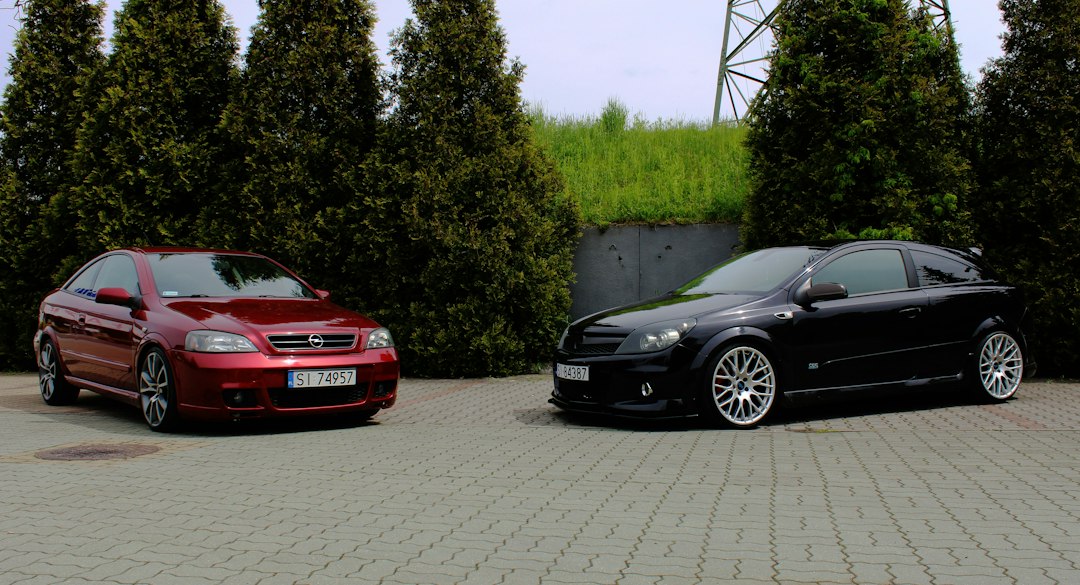
Yes, though not always in the way people expect. DrVin’s automotive paint guide notes that red and black finishes show fading most noticeably, with red experiencing a visible colour shift and black developing a grey, chalky sheen. Lighter colours such as white and silver may hide early oxidation more effectively, but they are equally susceptible to clear coat degradation, the UV damage is occurring even when it is not yet visible to the naked eye.
Can I protect my car from UV without spending much money?
Consistent, lower-cost options do make a difference. Parking in shade wherever possible, using a quality reflective car cover when a garage is unavailable, and applying a paint sealant three to four times per year can dramatically slow UV degradation. USA Painter’s prevention guide notes that a reflective car cover costing $30 to $80 can cut UV exposure by around 90%, making it one of the highest-value prevention tools available for a modest outlay.
How long does professional ceramic coating last in Colorado’s climate?
Spec Auto Detailing’s 2026 ceramic coating guide indicates that professional coatings typically last two to five years, with premium multi-layer packages offering up to seven years on well-maintained vehicles. In Colorado’s high-UV, high-temperature-swing environment, the lower end of that range is more realistic without regular maintenance washing. Keeping the coating clean removes contaminants that trap heat and amplify UV stress on the coating surface, extending its effective life.
The Bottom Line
Car paint fading from UV exposure is one of those problems that feels abstract until the repair quote arrives. By then, what could have been prevented with a $40 sealant and a Saturday afternoon has turned into a $500 correction job, or worse, a $5,000 respray. In Colorado, where Denver’s altitude and intense UV index create some of the harshest paint conditions in the country, acting early is the only sensible approach.
Whether you start with a quality wax, step up to a paint sealant, or invest in a professional ceramic coating from a trusted local service like FB Mobile Auto Detailing, the goal is the same: keep that clear coat intact, keep UV from reaching your pigment layer, and keep your vehicle’s value where it belongs.
Do not wait until the paint tells you it has had enough. By that point, prevention is no longer an option.
Sources
-
How UV Exposure Breaks Down Paint And How Ceramic Coatings Stop It, Hyperclean. UV damage mechanism and ceramic coating defence. https://hypercleanstore.com/blogs/news/how-uv-exposure-breaks-down-paint-and-how-ceramic-coatings-stop-it
-
Why Today’s Vehicle Paint Systems Deteriorate Sooner Than Expected, Artekya. Molecular-level UV degradation of automotive clear coats. https://www.artekya.com/paint-protection-for-new-cars/?lang=en
-
How to Protect Car from Sun Damage, Chemical Guys. UV oxidation process and paint sealant protection. https://www.chemicalguys.com/blogs/exterior-how-tos/how-to-protect-car-from-sun-damage
-
Ceramic Coating Cost in 2026: Is It Worth Paying for Professional Protection?, Ethos Car Care. Prevention vs repair cost analysis. https://ethoscarcare.com/pages/ceramic-coating-cost-worth-it-2026
-
How Much Does Ceramic Coating Cost In 2026?, Spec Auto Detailing. Ceramic coating pricing, longevity, and detailing cost savings. https://www.uptospecdetail.com/blog/how-much-does-ceramic-coating-cost
-
How Colorado’s Elevation Impacts the UV Index, KOAA News. EPA data on UV increase per 1,000 feet of elevation. https://www.koaa.com/weather/weather-science/how-colorados-elevation-impacts-the-uv-index
-
UV Index in Colorado, Today UV Index. Colorado peak UV levels and Denver altitude data. https://todayuvindex.com/us/colorado/
-
Stay Sun Smart: How to Protect Yourself from UV Rays, BCH Health. Colorado UV intensity at elevation. sun safety guidance for Colorado
-
Radiation: Ultraviolet (UV) Radiation, World Health Organisation. UV increase per altitude and snow reflection data. According to the World Health Organisation’s UV radiation guidance)
-
How to Fix Faded Paint on Car Roof, USA Painter. Three-stage UV damage classification and repair costs. https://usa-painter.org/faq/how-to-fix-faded-paint-on-car-roof/
-
Paint Defects on Used Cars: What Every Flaw Means, DrVin. Fading and oxidation causes, colour-specific impact, horizontal surface degradation. https://drvin.ai/guides/paint-defect-guide
-
Why Is My Car’s Paint Fading, Peeling, or Chipping?, Lititz Collision and Repair. Repair cost ranges and clear coat failure. https://lititzcollisionandrepair.com/why-is-my-car-paint-fading-peeling-or-chipping-and-what-you-can-do-about-it/
-
Auto Paint Repair and Vehicle Resale Value, Texas Collision Centers. Paint damage impact on trade-in value and ROI of repair. https://www.texascollisioncenters.com/post/auto-paint-repair-and-vehicle-resale-value-how-much-does-it-matter
-
Everything You Need to Know About Sun Damage On Your Car Paint, Bliss Car Wash. UV damage effects and resale value retention from protected paint. https://blisscarwash.com/everything-you-need-to-know-about-sun-damage-on-your-car-paint/
-
Does Paint Condition Affect Resale Value?, Ghost Shield Film. Paint condition and resale value relationship. https://ghostshieldfilm.com/does-paint-condition-affect-resale-value/
-
The Hidden Cost of Minor Car Damage, Tintix. Buyer survey data on exterior condition importance. https://www.tintix.com/the-hidden-cost-of-minor-car-damage-how-blemishes-scratches-chips-and-paint-wear-can-reduce-your-cars-value/
-
How Often Do You Need to Wax Your Car?, Autofix Blog. Waxing frequency recommendations by climate type. Autofix’s car waxing guide
-
Ultimate Guide to UV Paint Protection Techniques, RRC Collision. Ceramic coating UV blocking effectiveness and PPF costs. https://www.rrcollision.com/blog-posts/ultimate-guide-to-uv-paint-protection-techniques
-
Paint Correction vs Ceramic Coating: What Does Your Car Actually Need?, DShine Details. Application order and the risk of coating over uncorrected paint. https://www.dshinedetails.com/blog/paint-correction-vs-ceramic-coating.html
-
Protective Vehicle Cover, USPTO Patent 9,676,262. UV penetration through cloud cover and snow reflection. https://image-ppubs.uspto.gov/dirsearch-public/print/downloadPdf/9676262


