
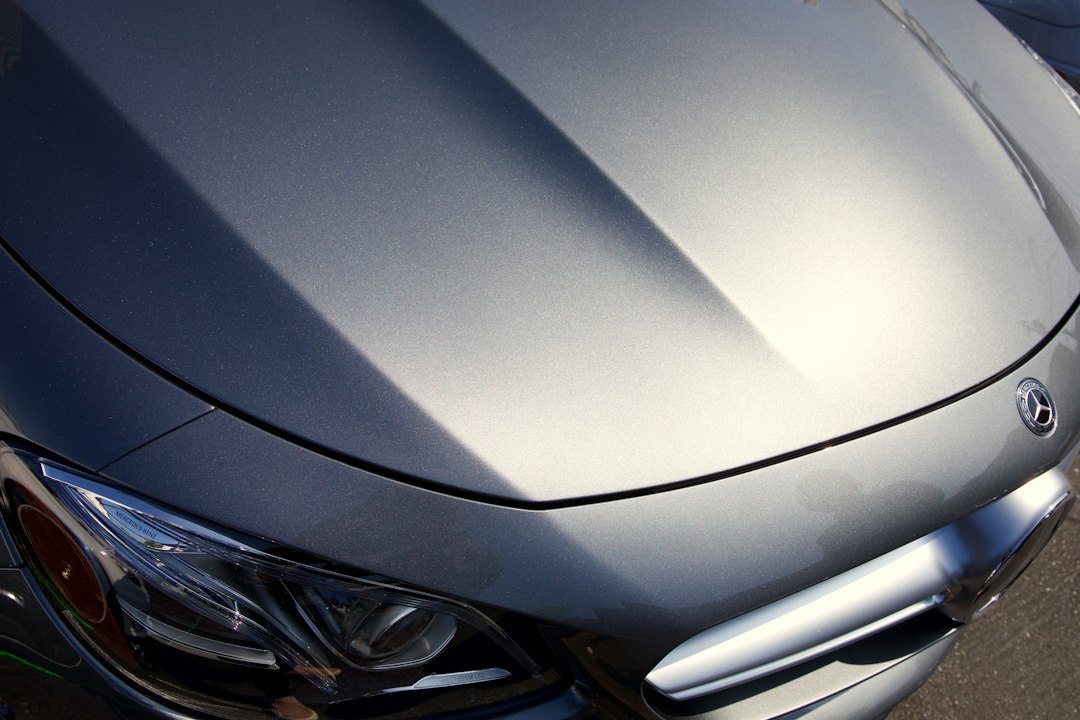
Deep Scratches on Your Car Hood Are Worse Than They Look
That scratch running across your bonnet; I mean your car hood, is probably not what it appears to be at first glance. Most drivers spot a mark, wince briefly, and carry on. I’ve seen this pattern hundreds of times working around vehicles. The scratch looks like a cosmetic problem, so it gets treated like one, ignored, or dabbed with a bit of touch-up pen, and then forgotten. The trouble is, deep scratches on a car hood trigger a chain of damage that accelerates faster than most owners ever expect.
What starts as a minor scratch or small chip can escalate into costly paint problems that affect both your car’s appearance and value. Most car owners don’t realise that paint damage follows a predictable pattern of deterioration. Understanding that pattern, and acting on it quickly, is the difference between a $150 repair and a $1,500 one.
Key Takeaways
-
Deep scratches compromise your vehicle’s structural defence: Your car’s paint does more than make it look attractive; it serves as a protective barrier, shielding the metal panels underneath from moisture, UV rays, salt, and debris. Once that barrier is compromised by even a small scratch, it allows water and oxygen to reach the bare metal beneath. Act within days, not weeks.
-
Rust can begin before you see it: If you see a silver or grey surface, you are looking at exposed metal, and moisture plus oxygen will begin developing rust right away. You may not see rust for several days or weeks, but microscopic corrosion can start the moment the scratch exposes the metal. Don’t wait for visible rust to appear before booking a repair.
-
Colorado’s conditions accelerate the damage: At 5,280 feet, Denver receives 25% more UV radiation than sea-level cities, and UV is the number one cause of paint oxidation and clear coat breakdown. Pair that with road salts and freeze-thaw cycles and the damage timeline shortens dramatically.
-
Deep scratches hurt your resale value hard: Deep scratches that expose primer or metal can reduce a vehicle’s value by 15% to 30% or more. Beyond the cosmetic issues, these scratches raise concerns about potential rust damage and the overall care the vehicle has received. Repair costs are almost always less than that reduction.
-
Professional repair is the right call for anything past the clear coat: Primer scratches always need professional repair. The standard process includes sanding a wider area around the scratch to level the surface. Trying to fix this at home can lead to mismatched paint or rust issues later.
Quick-Start Prioritisation Framework
| Scratch Level | What You See / Feel | Best Action | Time to Act |
|---|---|---|---|
| Clear coat only | Fingernail glides over it, looks hazy | Polish or buffing compound | Within a month |
| Base coat / colour layer | Fingernail catches, no primer visible | Touch-up paint kit or mobile detailer | Within two weeks |
| Primer exposed | White or grey visible beneath colour | Professional body repair | Within days |
| Bare metal exposed | Silver/grey, feels like a groove | Professional body repair + rust treatment | Immediately |
Start here if you’re:
-
Not sure of the depth: Use the fingernail test first, described in the next section, before spending a penny on product.
-
Seeing silver or grey in the scratch: Book a professional assessment today. Rust can begin forming within hours in wet conditions.
-
Preparing to sell or trade in: A professional repair typically costs less than the depreciation penalty for leaving the damage unaddressed. In most cases, the math strongly favours getting it fixed before you sell or trade in.
How to Tell Whether Your Scratch Is Actually Deep
Before you reach for any product, you need an honest assessment of what you’re dealing with. This is the step most people skip, and it’s the reason so many DIY fixes make things worse.
The Fingernail Test
The most common and tactile way to gauge a scratch’s depth is by using the fingernail test. Gently and slowly drag your clean fingernail perpendicular across the scratch line. If your nail catches in the groove, it indicates the scratch has gone past the protective clear coat and into the softer underlying layers. If your fingernail glides smoothly over the mark without snagging, the damage is likely confined to the clear coat, meaning it can often be polished out.
If your nail catches, the scratch is past the point of simple polishing. If you can also see a different colour beneath, white, grey, or silver; you are looking at exposed primer or bare metal. That is when the situation becomes urgent.
Understanding the Four Layers
These layers include a clear coat which gives shine and protects against UV, a base coat which gives colour, a primer layer that helps paint bond and resist corrosion, and the bare metal panels that form your car’s structure. When even one of these layers is damaged, the entire system becomes more prone to deterioration. The deeper the scratch, the bigger the risks.
Pro Tip: Check your scratch in natural daylight at an angle rather than straight on. Angled light reveals the true depth far more accurately than indoor lighting. A scratch that looks minor head-on can show real depth when light skims across it.
Why the Hood Is the Highest-Risk Panel
The hood is not just any panel. The heat of the sun beating down on the outside of the hood, combined with the heat of the engine working on the interior of the hood, can easily cause paint to flake off when scratched, especially if you have a long commute that forces the vehicle’s engine to be hot for long periods of time. Thermal stress, combined with constant debris impact at highway speed, makes the hood the panel most likely to develop a scratch that progresses rapidly.
Why Deep Scratches Escalate So Fast in Colorado
I’ve worked on plenty of vehicles that came in looking fine in spring but showed significant rust by autumn, and Colorado’s climate is a big part of why. The state is genuinely one of the toughest environments for automotive paint in the country.
UV Radiation at High Altitude
At 5,280 feet, Denver receives 25% more UV radiation than sea-level cities, and UV is the number one cause of paint oxidation and clear coat breakdown. When a scratch breaks through the clear coat, that UV protection is gone from the damaged area. The sunlight at higher altitudes is also more intense because there’s less atmosphere to filter it. This UV radiation can degrade paint and protective coatings on your car over time. Once those coatings are weakened, the metal underneath is more exposed to the elements. A scratch that might take months to rust in a coastal city at sea level can begin corroding within weeks in Denver during a sunny summer.
Road Salt and Deicing Chemicals
During Colorado’s winter months road salt and deicing chemicals, such as magnesium chloride, are necessary evils for safe driving conditions. However, these substances are highly corrosive to automotive paint. They accelerate oxidation and can lead to premature rusting, especially in areas where salt becomes trapped.
This often starts as micro-scratches or chips that trap salt, leading to bubbling paint and rust spots that are expensive to fix. Salt can begin causing corrosion within days when moisture is present. If you have a deep scratch and drive on salted Front Range roads, you are essentially packing a corrosive agent directly into the wounded area every single day.
Freeze-Thaw Cycles
Freeze-thaw cycles cause existing paint imperfections to expand, deepen, and eventually become visible scratches and chips. Water works its way into a scratch, freezes, expands, and pushes the surrounding paint further away from the metal. By spring, a scratch that was hairline-thin in October can be a visible groove requiring panel-level repair.

The Real Cost of Leaving a Deep Scratch Unrepaired
Let’s talk money, because this is where the maths becomes impossible to ignore.
Repair Costs by Scratch Depth
Minor surface scratches may only require a $50 to $150 touch-up, while deeper damage penetrating the clear coat or base layers can cost $300 to $2,500 per panel. The moment rust sets in and spreads beneath the surrounding paint, you move from a localised repair into panel resurfacing or, in severe cases, full panel replacement. Catching a deep scratch before rust establishes itself is almost always the cheaper option.
Pro Tip: If a DIY touch-up pen is your first instinct, know what it actually does. Touch-up pens, which cost $15 to $30, are best for small chips from rocks. They are not always seen as perfect on long scratches because they tend to leave a raised “blob” of paint. They coat the metal but do not refinish it. For deep scratches, a proper professional repair is a layered process, sanding, priming, colour matching, and clear coat application.
Resale Value Impact
According to industry data visible cosmetic damage, including scratches and paint chips, can reduce a vehicle’s resale or trade-in value by 10% to 25% depending on severity. For a $25,000 vehicle, that is a potential $2,500 to $6,250 hit. A survey conducted by the National Automobile Dealers Association (NADA) revealed that 78% of car buyers consider the exterior condition a critical factor when purchasing a used car. This means that exterior damage can significantly limit your pool of potential buyers, further reducing your chances of securing a good resale price.
Therefore: if professional scratch repair runs $400 to $900 and the depreciation penalty is potentially thousands, the repair almost always wins on a pure cost basis.
When Rust Enters the Picture
When your car’s paint is scratched, it exposes the metal beneath to moisture and oxygen, two essential ingredients for rust formation. As water and air penetrate the scratched area, they react with the metal, causing oxidation and the formation of rust. Initially, rust can appear as small specks or bubbles, but if left untreated, it can spread and worsen over time. As rust spreads, it can eat away at the surrounding metal, weakening the structural integrity of your vehicle.
Once rust starts, it doesn’t stop on its own. Left unaddressed, you are looking at not just a paint repair but a structural corrosion repair, a dramatically different and more expensive conversation.
Professional vs DIY: Making the Right Call
When DIY Is Appropriate
In my experience, DIY has a genuinely useful place, but only for the right category of scratch. For scratches confirmed to be within the clear coat, those that do not catch a fingernail and disappear when wet, the repair is usually straightforward. These surface abrasions can be effectively corrected using a fine polishing compound or a dedicated scratch remover product. These products work by using micro-abrasives to remove a thin layer of the surrounding clear coat, levelling the surface down to the bottom of the scratch.
For anything deeper, DIY carries real risk. A DIY fix is not recommended for deep scratches. A poor repair can look worse than the original scratch and cost more to fix later.
When to Call a Professional
DIY fixes are suitable for minor scratches, but professional repair may be warranted when scratches cover a large area or affect multiple panels, or when deep scratches have exposed metal or primer, risking rust or structural damage.
A proper professional repair involves far more than applying paint. While some minor scratches can be handled with DIY touch-up kits, deeper scratches that reach the metal should always be fixed by a professional. A proper repair involves cleaning and sanding the area, applying primer, carefully matching the paint, and sealing with a clear coat. This not only restores the appearance of your vehicle but also re-establishes a strong protective barrier against moisture and contaminants.
Mobile detailing services like FB Mobile Auto Detailing offer the added convenience of coming directly to you, which matters when you’re trying to address a scratch quickly, particularly in Colorado’s unpredictable weather windows.
The following walkthrough demonstrates the full DIY repair process for a deep scratch, including the tools and steps required to achieve a factory-finish result at home.
Protecting Your Hood from Future Deep Scratches
Once a scratch is properly repaired, prevention becomes the smartest investment you can make. I’ve found that drivers who protect their paint proactively spend significantly less over the lifetime of a vehicle than those who repair reactively.
Paint Protection Film (PPF)
Paint protection film (PPF) is a clear, durable layer of urethane that’s applied directly to your car’s paint. It acts like a shield against rock chips, scratches, and other physical damage. Think of it as transparent armour that takes the hits so your paint doesn’t have to. PPF is especially popular for high-impact areas like the front bumper, hood, side mirrors, and door edges.
Many PPF products can self-heal minor scratches with heat from the sun or engine. PPF can last 5 to 10 years depending on the quality and maintenance. For Colorado drivers who regularly face highway debris, gravel roads, and winter conditions, PPF on the hood is one of the most cost-effective protections available.
Ceramic Coating
Ceramic coating is a worthwhile complement to PPF, but it’s important to understand what it does and doesn’t do. Ceramic coating does not stop rock chips or deep scratches. It is a thin protective layer that improves surface protection, gloss, and cleaning, but it is not impact protection.
What it does exceptionally well is guard against UV degradation, chemical contamination, and road salt, three of Colorado’s most aggressive paint threats. Many PPF products can self-heal from fading caused by ultraviolet rays, and also resists damage from bird droppings, tree sap, and road salts. The ideal approach for high-risk panels like the hood is PPF first, then ceramic coating over the top.
Pro Tip: Apply PPF first to high-impact areas, front bumper, hood, fenders, side mirrors, rocker panels, and rear wheel arches. This shields against chips, scratches, and road rash. Then apply ceramic coating across the entire vehicle, including over the PPF. This creates a hydrophobic, chemical-resistant layer that enhances gloss and makes cleaning effortless. Together, the two products deliver maximum protection, longer-lasting performance, and a consistent showroom finish.
Regular Maintenance Habits
The small habits matter more than most people realise. Automatic car washes or careless hand-washing can do more harm than good. Poorly maintained brushes or dirty wash mitts may trap grit and drag it across the paint, creating micro-scratches. Use a quality microfibre mitt, two-bucket wash method, and pH-neutral car shampoo. In winter, rinse off road salt within 48 hours of driving on treated roads. If you regularly drive in snowy or mountainous regions, rust prevention should be part of your seasonal maintenance routine.

Frequently Asked Questions
How can I tell if a scratch on my car hood is deep enough to cause rust?
You feel a deep scratch catch your fingernail. It shows white or grey beneath the paint surface. That means it has cut through the clear coat and into the colour layer, sometimes all the way to the primer or bare metal. You cannot polish this away. If you see silver or grey, treat it as urgent, get it assessed professionally before moisture has a chance to reach the exposed metal.
How quickly can rust develop in a deep hood scratch?
If a primer scratch is left untreated, even for a few days, rust can start to form. This can cause serious damage to the car’s bodywork. In a wet climate or after winter driving on salted roads, the process is even faster. Salt can begin causing corrosion within days when moisture is present. Speed of action is the single most important factor in limiting repair costs.
How much does it cost to professionally repair a deep hood scratch?
For most small, superficial scratches, a DIY buff costs about $10 to $60 in supplies, while a professional buff without colour work runs roughly $50 to $350. When the scratch penetrates the clear coat or base coat, or if the damaged area spans a larger patch, costs rise to about $300 to $1,000. Scratches that have already developed rust or require full panel refinishing can exceed this range. Acting early consistently delivers the lowest repair bill.
Will a deep scratch on my hood affect what I get when I sell the car?
Yes, significantly. Deep scratches that expose primer or metal can reduce a vehicle’s value by 15% to 30% or more. Beyond the cosmetic issues, these scratches raise concerns about potential rust damage and the overall care the vehicle has received. Dealership and private appraisers are trained to spot this damage and will factor it into their offer. Repairing the scratch before listing or trading in almost always returns more money than the repair costs.
Does ceramic coating prevent deep scratches on my car hood?
If your priority is better shine easier washing, and protection from UV rays and chemicals, ceramic coatings are an excellent choice. But if you need defence against scratches, chips, and swirl marks, especially in high-impact areas like your bumper and hood, PPF is your best option. The most complete protection uses both: PPF on high-impact areas including the hood, with ceramic coating applied over the top. FB Mobile Auto Detailing can advise on the right combination for your specific vehicle and driving conditions.
What to Do Right Now
If you have spotted a deep scratch on your car hood, here is the immediate action plan:
-
Run the fingernail test to assess depth
-
If your nail catches, do not apply wax or sealant over it, that traps moisture
-
Rinse the area gently and keep it dry until assessed
-
Book a professional inspection as quickly as possible, especially if you can see grey, white, or silver beneath the paint
-
Ask about PPF or ceramic coating during the same appointment to prevent a repeat
The scratch on your hood is not just a cosmetic issue. It is an opening in your vehicle’s armour. Treat it with the urgency it deserves, and you will spend far less, in money, time, and frustration, over the life of your vehicle.
Sources
-
Different Types of Scratches on Cars and How to Fix Them, Synchrony. Overview of scratch categories, causes, and repair guidance. https://www.synchrony.com/blog/automotive/different-types-of-scratches-on-cars-and-how-to-fix-them
-
Can a Scratch on Your Car Lead to Rust Damage?, Mr Dent Adelaide. Explains oxidation risk from paint damage. https://mrdentadelaide.com.au/can-a-scratch-on-your-car-lead-to-rust-damage/
-
How Long Do Scratches in Paint Last?, Relux Collision. Rust timeline and deterioration stages. https://reluxcollision.com/blog/how-long-do-scratches-happen-in-paint-last/
-
Why You Should Fix Scratches Before They Lead to Rust, Morrison Corp Body & Paint. Professional repair process explained. Once rust starts, it doesn’t stop
-
Car Scratch Repair Cost Breakdown, ClearPro. DIY vs professional pricing comparison. https://www.clearpro.com/car-scratch-repair-cost/
-
Car Scratch Repair Cost: A Complete 2026 Price Guide, Apex Auto Pros. Detailed pricing by scratch depth. https://apexautopros.com/car-scratch-repair-cost-a-complete-2025-price-guide/
-
How Much Do Scratches Devalue a Car, Pristine Dent Repair. Resale value impact by damage severity. https://pristinedentrepair.com/how-much-do-scratches-devalue-a-car/
-
The Hidden Cost of Minor Car Damage, Tintix. NADA survey data and depreciation statistics. https://www.tintix.com/the-hidden-cost-of-minor-car-damage-how-blemishes-scratches-chips-and-paint-wear-can-reduce-your-cars-value/
-
How Much Do Scratches Devalue a Car, Alpha Collision Center. Industry data on repair vs depreciation maths. https://www.alphacollisioncenter.com/how-much-do-scratches-devalue-a-car/
-
How Much Do Scratches Devalue a Car, Texas Collision Centers. Value reduction by scratch depth category. https://www.texascollisioncenters.com/post/how-much-do-scratches-devalue-a-car
-
12 Car Paint Damage Types That Destroy Resale Value, Springs Detailing. Colorado-specific road salt and UV paint threats. https://springsdetailing.com/car-paint-damage-types/
-
Do Vehicles Rust in Colorado?, AutoLaundry. Colorado road salt, magnesium chloride, and altitude rust risks. https://www.autolaundry.com/blog/do-vehicles-rust-in-colorado/
-
How to Protect Your Car from Road Salt Damage, Mercury Insurance. Salt corrosion timeline and prevention steps. https://www.mercuryinsurance.com/resources/auto/how-to-protect-your-car-from-road-salt-damage.html
-
Professional Ceramic Coating in Denver, CO, Extreme Autoworks. Denver UV intensity and Colorado road chemistry data. https://extremeaw.com/ceramic-coating/
-
Paint Protection Film vs Ceramic Coating, Exclusive Paint Protection. Combined PPF and ceramic coating application strategy. https://www.exclusivepaintprotection.com/paint-protection-film-ceramic-coating/
-
Ceramic Coating vs PPF: What’s the Real Difference?, JC Auto Salon. Comparative protection capabilities and use cases. Many PPF products can self-heal
-
How to Tell How Deep a Scratch Is on Your Car, Dr Beasley’s. Layer-by-layer scratch depth identification guide. https://www.drbeasleys.com/blog/2011/04/28/surface-science-car-scratches
-
How Do You Repair Deep Scratches in Car Paint?, AutoDetailPedia. DIY vs professional assessment framework. https://autodetailpedia.com/repair-deep-scratches-car-paint/
-
Cost of Buffing Out a Scratch, CurrentCost.org. US cost ranges for buffing and professional repair. https://currentcost.org/cost-buffing-scratch-price-car-owners/
-
Car Paint Problems That Worsen Fast, Painted OEM Parts. Deterioration timeline and environmental compounding factors. https://www.paintedoemparts.com/post/car-paint-problems-that-worsen-fast-timeline-prevention-guide


