
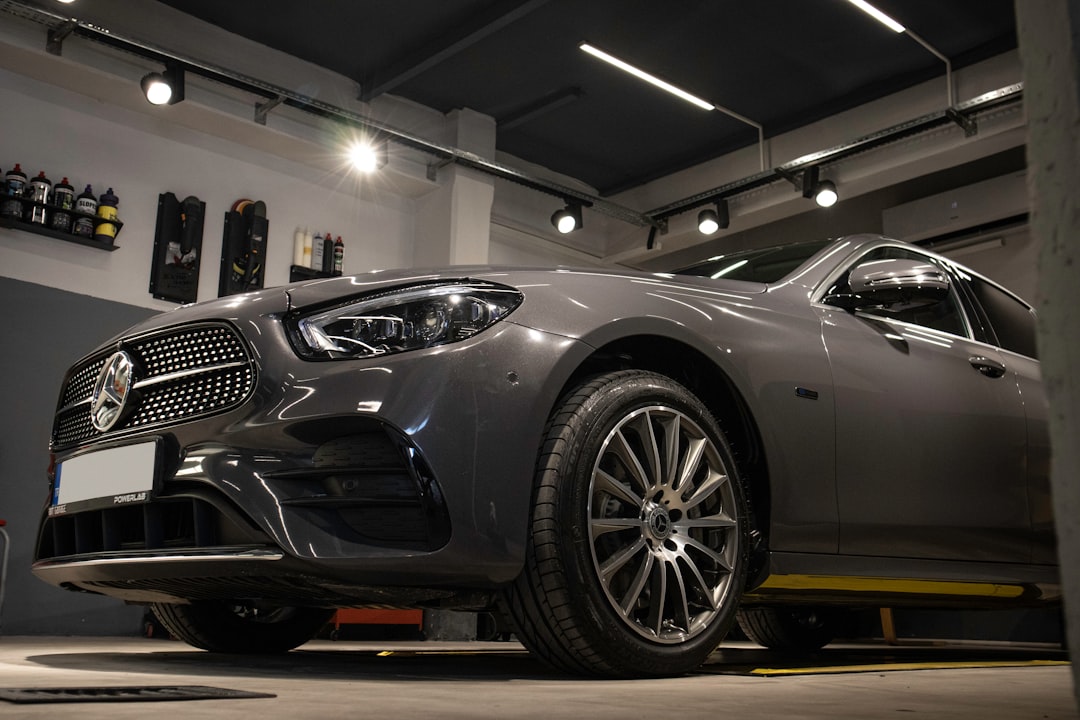
Regular Detailing Is One of the Easiest Ways to Protect Your Car’s Resale Value
Your vehicle starts losing value the moment it leaves the forecourt, but how fast it depreciates is, to a surprising degree, within your control. Most people think of depreciation as purely a mechanical or mileage story. In my experience, condition is where owners either protect or destroy thousands of pounds’ worth of equity. The good news is that the solution is straightforward: regular professional detailing.
Pristine quality vehicles command 10 to 20 percent more in value than the same car in average condition, and professional car detailing can increase a vehicle’s value by 5 to 20 percent. Put that into real numbers: most experts point to a 5 to 15 percent bump, which on a $20,000 vehicle translates to an extra $1,000 to $3,000 in your pocket. For anyone who views their car as an asset worth managing, rather than just a way to get from A to B, that figure alone justifies making detailing part of a regular routine.

Key Takeaways
- Condition drives resale value: Industry resale guides routinely put the gap between excellent and average condition at 10 to 20 percent, on a $40,000 car, that is $4,000 to $8,000. Therefore, prioritise keeping your car in the “excellent” bracket from day one rather than scrambling to restore it before a sale.
- Colorado’s climate is unusually harsh: From winter’s magnesium chloride-coated roads to summer’s intense UV rays and infamous hailstorms, Colorado drivers face a unique set of challenges when it comes to vehicle maintenance. This means the detailing schedule that suits a driver in a milder climate will likely fall short here.
- Regular detailing prevents costly damage: Regular detailing prevents permanent damage, oxidised paint, etched clear coat, cracked leather, and embedded stains all result from deferred maintenance and are far more expensive to fix than to prevent. Treat detailing as prevention, not repair.
- Interior condition closes sales: Odours and stains trigger immediate red flags for buyers and appraisers, most buyers will not negotiate over smells; they simply walk or lower their offer dramatically. A clean cabin is every bit as important as a glossy exterior.
- ROI on detailing is strong: When you consider the relatively modest cost of a detail versus the potential increase in resale value, it is clear why detailing is recommended before selling, a full professional detail might cost a couple of hundred dollars, but it often pays for itself by adding even more to the sale price.
Quick-Start Prioritisation Framework
| Strategy | Best For | Effort Level | Time to Results |
|---|---|---|---|
| Full exterior and interior detail | All vehicles before listing for sale | Low (one appointment) | Immediate |
| Seasonal detail schedule (every 3-4 months) | Daily drivers in Colorado | Low to medium | Ongoing protection |
| Ceramic coating application | Vehicles kept 3+ years | Medium (one-time investment) | 2 to 5 years of protection |
| Post-winter deep clean | All Colorado vehicles after snow season | Low | Within a week |
| Interior-only detail | Vehicles with heavy daily use or passengers | Low | Immediate |
Start here if you are:
- A daily driver in Colorado: Book a full detail every 3 to 4 months and add a ceramic coating to reduce maintenance between appointments.
- Preparing to sell: Prioritise paint correction, odour removal, and deep interior cleaning, these three areas produce the strongest buyer reactions.
- A longer-term keeper: Invest in a ceramic coating now and maintain it with regular washes and an annual inspection, protecting your equity for years.
Why Colorado Makes Detailing Non-Negotiable
Living and driving in Colorado is genuinely brilliant, the scenery, the lifestyle, the 300-plus days of sunshine. But that sunshine comes at a price for your vehicle’s paint.
The UV Problem at High Altitude
Colorado’s high altitude means UV exposure is roughly 25 percent more intense than at sea level. This accelerates paint oxidation fades interiors, and degrades rubber seals and trim pieces. If you are in Denver or higher, your car is ageing faster on the outside than it would in most other parts of the country. In Colorado’s high-altitude environment, with its increased UV exposure, oxidation can progress faster than in other regions. The practical action here is clear: do not wait for fading to become visible before addressing it. Apply UV-protective sealants or a ceramic coating, and commit to a regular exterior detail schedule.
Magnesium Chloride and Your Undercarriage
In Colorado, the predominant de-icing solution used on roads is magnesium chloride, like sodium chloride it is a type of salt, but it lowers the freezing point of water even more effectively, reducing ice and snow buildup. The downside is significant: unlike traditional rock salt which requires humidity above 70 percent to dissolve and corrode, magnesium chloride activates at humidity as low as 20 to 30 percent, in Denver’s dry climate, that means it stays chemically active on your vehicle’s undercarriage even on clear, sunny days after a winter storm. Therefore, a single wash after a snow event is not enough. Regular professional detailing services remove stubborn deicer buildup that standard washes might miss, and a full detail including clay bar treatments and sealants can keep your car protected throughout the winter.
Hail, Freeze-Thaw Cycles, and Hidden Damage
Colorado ranks among the top states for hail damage, with storms that can produce golf ball-sized or larger hail in minutes. Even when hail does not cause obvious dents, it can compromise the clear coat. When temperatures drop, prolonged exposure to the elements can significantly worsen hail damage, UV rays can further weaken damaged areas, and as the weather cools, any untreated damage can become more pronounced. A professional detailer will spot these vulnerabilities early, before they turn into expensive bodywork.
Pro Tip: After any Colorado hailstorm, book a detailing inspection even if the damage looks minor. A clear coat that has been compromised will absorb UV damage and mag chloride far more aggressively during the following season.
 Photo by
 What a Professional Detail Actually Does for Your Car’s Value
I’ve found that many vehicle owners underestimate the scope of a proper detail. This is not a glorified car wash. Every layer of the vehicle is addressed, and each one has a direct bearing on what a buyer is willing to pay.
Exterior Paint Correction and Protection
Private buyers and dealerships evaluate the same things: paint condition, interior condition, wheel condition, and mechanical history, of these, paint is evaluated first and carries the most weight in initial impression. A professional exterior detail removes surface contaminants, polishes out swirl marks, and applies a protective layer. Consistent exterior detailing involves removal of contaminants, followed by polishing and waxing, which restores depth and gloss to your vehicle’s paint and creates a protective barrier against harsh sun, bird droppings, road salt, and tree sap.
Buyers often associate a well-maintained appearance with responsible ownership; they assume that if the owner cared enough to maintain the vehicle’s appearance, they likely cared for its mechanical condition as well, and professional detailing taps into this psychology, helping your vehicle make a powerful first impression that can translate directly into higher resale offers.
The Case for Ceramic Coating in Colorado
For Colorado drivers especially, a ceramic coating is worth serious consideration. By chemically bonding to the paint surface, ceramic coatings create a durable barrier that resists UV radiation far more effectively than wax, helping to prevent colour fading, oxidation, and premature ageing of the clear coat. Ceramic coating is the marathon runner of car protection, lasting anywhere from 2 to 5 years or more, thanks to its tough bond with your car’s paint. Compare that to a traditional wax, which typically lasts one to three months before reapplication is necessary.
Pro Tip: If you drive your car through a Colorado winter and park outside, a ceramic coating is one of the smartest investments you can make. It repels mag chloride more effectively than wax and dramatically cuts down the time needed between detail appointments.
At FB Mobile Auto Detailing, ceramic coating is one of the most requested services precisely because Colorado drivers understand the cost of unprotected paint.
The Interior: Where Deals Are Won or Lost
Exterior appearance gets buyers through the door, but the interior is what closes the deal. In my experience, sellers consistently underestimate how much a substandard cabin costs them at negotiation time.
Odours and Stains Are Deal-Breakers
Interior condition often shapes how buyers feel during test drives because they spend most of their time inside the vehicle, a fresh-smelling cabin with clean seats and spotless carpets creates comfort and confidence, while strong odours or visible stains can quickly reduce excitement. Most buyers will not negotiate over smells; they simply walk or lower their offer dramatically.
A spotless interior makes buyers feel reassured and emotionally connected to the vehicle; they imagine driving it to work, taking family trips, or enjoying weekend rides without being reminded of the previous owner’s habits, and this emotional comfort often tips the scale, making buyers more likely to meet your asking price without prolonged haggling.
Consistent Interior Care Prevents Irreversible Damage
Leather and fabric seats are especially prone to wear and tear, but routine cleaning and conditioning can extend their lives significantly. The key word is routine. Even if you are not selling your car right now, regular interior detailing pays off in the long run, by maintaining your vehicle’s interior year after year, you prevent stains, odours, and wear from ever becoming severe, so when the time does come to sell, your car will already be in excellent condition.
Pro Tip: Use a dedicated fabric protector on seats and carpets after each interior detail. In Colorado, where you are often bringing in snow, mud, and trail dust, this one step can prevent the kind of deep staining that costs hundreds of dollars to remedy professionally.
How Detailing Affects Your Kelley Blue Book Condition Rating
This is a practical point that many sellers overlook. In the secondary market, the difference between a “Good” and “Excellent” condition rating on platforms like Kelley Blue Book can represent thousands of dollars in equity. According to Kelley Blue Book’s own standards, “Excellent” condition means that the vehicle looks new and is in excellent mechanical condition; it has never had any paint or bodywork, does not need reconditioning, has a clean engine compartment free of fluid leaks, and is free of rust.
Here is the actionable point: a vehicle that has been consistently detailed throughout its life is far more likely to genuinely meet the “Excellent” or “Very Good” criteria, which means a higher figure when you plug your details into KBB. Studies suggest that cars with a documented detailing history can command up to 15 percent higher resale prices compared to similar vehicles that have not been as well maintained, for example, if your car is worth $20,000, this can translate to a $3,000 premium. Therefore, keep a simple record of your detailing appointments. That paperwork signals to buyers and dealers alike that the vehicle has been actively protected.

How Often Should You Detail Your Car in Colorado?
The answer depends on how you use your vehicle, but Colorado’s conditions push the frequency higher than the national average.
Recommended Schedule for Colorado Drivers
You should detail your car every 4 to 6 months for general maintenance, but frequency depends on usage, climate, and exposure. For Colorado specifically, the more aggressive end of that range makes sense. Extreme weather demands more frequent detailing, every 2 to 3 months in areas with road salt and snow, or quarterly in hot, sunny regions to protect against UV damage.
A practical schedule for a Colorado daily driver looks like this:
- Exterior detail: every 3 to 4 months, aligned with the seasons
- Interior detail: every 4 to 6 months, or more frequently with pets, children, or heavy use
- Post-winter deep clean: as soon as temperatures allow in spring, to remove mag chloride residue
- Pre-sale full detail: always, regardless of current condition
A full detail twice a year is recommended for a comprehensive clean and restoration, especially before or after extreme weather conditions. If your vehicle carries a ceramic coating, regular maintenance washes every 2 to 4 weeks are sufficient to keep the vehicle looking excellent, with an annual coating inspection and booster application taking 30 to 60 minutes to maintain optimal performance.
The FB Mobile Auto Detailing team provides mobile services across the Colorado Front Range, which means protecting your vehicle does not require a trip across town.
Common Mistakes That Quietly Destroy Resale Value
Waiting Until You Are Ready to Sell
This is the single biggest error I see. Detailing immediately before a sale is better than nothing, but a vehicle that has been consistently maintained throughout its life will command a higher price and sell faster. Vehicles detailed immediately upon acquisition sell faster at higher prices compared to those sitting undetailed for weeks. The same logic applies to private sellers.
Skipping the Undercarriage
Car washes without strong enough or comprehensive enough undercarriage coverage can leave magnesium chloride residue on the bottom of the car, that residue will build up and eventually lead to corrosion. A standard drive-through car wash will not solve this. Ask specifically for undercarriage treatment, or book a professional detail that covers the full vehicle.
Ignoring the Wheels
Brake dust, road grime, and corrosion on wheels create an immediate negative impression, professional detailers restore factory finish to wheels and dress tyres to deep black, making the entire vehicle appear newer and better maintained. Clean wheels are a visual signal that carries significant weight with buyers.
This walkthrough of the core chemicals used in a professional detail helps illustrate where amateur shortcuts tend to cause lasting damage rather than protect the finish.
Frequently Asked Questions
How much can detailing actually increase my car’s resale value?
A car in pristine, detailed shape may command around 10 to 15 percent more money than the same car in fair or dirty condition. On a $30,000 vehicle, that is $3,000 to $4,500. The exact figure varies by vehicle type, age, and the quality of the detailing work, but the direction is consistent across all market research.
Does detailing help with trade-in value, or only private sales?
Dealerships evaluate vehicles quickly, assessing condition, market demand, and reconditioning costs, if your vehicle requires heavy cleaning, paint correction, or interior restoration, those costs are factored into the trade-in offer. A well-detailed vehicle reduces the dealer’s reconditioning burden, which tends to translate into a stronger offer. While dealerships will not always openly say “this is worth more because it is detailed,” a clean, polished car makes their job easier, and easier often means more competitive numbers.
How often should a Colorado vehicle be detailed?
For a daily driver on the Colorado Front Range, a full professional detail every 3 to 4 months is a sound baseline. Extreme weather demands more frequent detailing, every 2 to 3 months in areas with road salt and snow. After the winter season, a dedicated deep clean to remove mag chloride residue from the undercarriage and paintwork is strongly recommended, regardless of how recently the last detail occurred.
Is ceramic coating worth the cost compared to traditional wax?
For Colorado’s climate, ceramic coating offers a clear advantage. Ceramic coatings are renowned for providing long-lasting protection, often enduring 2 to 5 years, compared to traditional waxes, which may degrade in a matter of weeks, necessitating frequent reapplication. The upfront cost is higher, but the long-term protection, particularly against UV oxidation, mag chloride, and hail-related clear coat damage, makes it a financially sound choice for anyone planning to keep their vehicle for more than two years.
Does documenting detailing history actually help when selling?
Some detailing services will document their work, which can further boost buyer confidence. A simple folder with dated detailing receipts signals to any buyer or dealer that the vehicle has been actively cared for throughout its life. Combined with service records, this documentation shifts the burden of proof in your favour during negotiation.
Start Treating Your Car Like the Asset It Is
Your car is likely one of the more significant financial assets you own. The logic of maintaining it regularly, to protect and preserve that value, is the same logic you would apply to any other investment. Consistent, professional detailing is one of the lowest-effort, highest-return things you can do as a vehicle owner, particularly in Colorado’s demanding climate.
Whether you are two years from selling or simply want to protect what you have, the FB Mobile Auto Detailing team can advise on the right service schedule and protection package for your vehicle. The best time to start is before the damage accumulates, and the second best time is now.
Sources
- Does Car Detailing Increase Value? 2025 ROI Guide, Sparkle Armor. Detailing value increase data. https://sparklearmor.com/blog/does-car-detailing-increase-value/
- Auto Detailing for Dealerships: How Professional Detailing Increases Resale Value, C & C Powerwashing, Detail & Polishing Inc. https://ccpowerwashing.com/auto-detailing-for-dealerships-how-professional-detailing-increases-resale-value/
- How Vehicle Protection Increases Your Car’s Resale Value, Auto Cosmetics. Condition gap data. https://www.autocosmetics.org/blog/how-detailing-your-car-can-help-increase-the-resale-value
- Does Detailing Your Car Increase Used Car Value?, Gleamworks Ceramic. https://gleamworksceramic.ca/does-detailing-your-car-increase-used-car-value/
- How Regular Car Detailing Increases Your Resale Value, Parle Mag. Documented history premium. https://parlemag.com/2026/05/how-regular-car-detailing-increases-your-resale-value/
- How to Increase Car Resale Value with Detailing, SKY MAXPRO. KBB condition gap analysis. https://skymaxpro.com/blogs/news/how-to-increase-car-resale-value-with-detailing-the-professional-engineering-guide
- Why Auto Detailing Is Shaping Resale Values, MyCar Cru. Trade-in offer psychology. https://mycarcru.com/why-auto-detailing-is-shaping-resale-values/
- Colorado Weather and Car Wash Protection Tips, Rocket Express Car Wash. UV and hail data. https://www.rocketexpresscarwash.com/colorado-weather-car-wash-protection-tips/
- How Colorado’s Climate and Weather Impact Auto Paint, Yoder Collision Network. https://yodercollisionnetwork.com/auto-body-repair/how-colorados-climate-and-weather-impact-auto-paint-signs-and-repairs/
- Magnesium Chloride Can Ruin Your Car’s Undercarriage, AutoLaundry Mobile Auto Detailing. https://www.autolaundry.com/blog/magnesium-chloride-can-ruin-your-cars-undercarriage-colorado-drivers-urged-to-wash-more-often-this-winter
- Mag Chloride Spray Undercoating Denver, Extreme Autoworks. Mag chloride humidity activation. https://extremeaw.com/spray-undercoating/
- Denver Drivers: Avoid Problems Caused by Magnesium Chloride Deicer, Prestige Imports. Car washes without strong enough
- How Often Should You Detail Your Car?, Ceramic Pro. Frequency recommendations. https://ceramicpro.com/how-often-should-you-detail-your-car/
- How Often Should You Detail Your Car?, CarDetox. Climate-adjusted frequency. https://cardetox-us.com/how-often-should-a-car-be-detailed/
- How Often Should You Detail Your Car? A Complete Schedule, FindDetailing. Maintenance intervals. https://finddetailing.com/blog/how-often-should-you-detail-your-car
- How Often Should You Detail Your Car? A Complete Guide, Always Clean Cars. Seasonal schedule. https://www.alwayscleancars.com/blog/2024/12/9/how-often-should-you-detail-your-car-a-complete-guide
- Ceramic Coating vs. Wax: How Both Protect, Chemical Guys. UV protection comparison. https://www.chemicalguys.com/blogs/exterior-how-tos/ceramic-coating-vs-wax
- Ceramic Coating vs. Wax: Which Protects Better?, PPF Pros LA. UV bonding comparison. https://ppfprosla.com/ceramic-coating-vs-wax-which-protects-better/
- Ceramic Coating vs. Waxing: Key Differences for Protection, Baltimore Detail. Longevity data. https://www.baltimoredetail.com/ceramic-coating-vs-waxing-understanding-key-differences
- Interior Detailing and Resale Value, Jimbo’s Detailing. Odour and stain impact. https://jimbosdetailing.com/blogs/diy-detailing/interior-detailing-resale-value
- How Interior Detailing Increases Your Car’s Resale Value, AutoSpa360. Buyer psychology. https://autospa360.com/how-interior-detailing-increases-your-cars-resale-value/
- Can Professional Detailing Actually Increase Your Car’s Resale Value?, This Day Live. https://www.thisdaylive.com/2026/02/01/can-professional-detailing-actually-increase-your-cars-resale-value/
- Kelley Blue Book Condition Definitions, Cox Automotive / KBB. Excellent condition criteria. https://www.kbb.com/faq/values/
- 12 Car Paint Damage Types That Destroy Resale Value, Springs Detailing, Colorado Springs. https://springsdetailing.com/car-paint-damage-types/


