
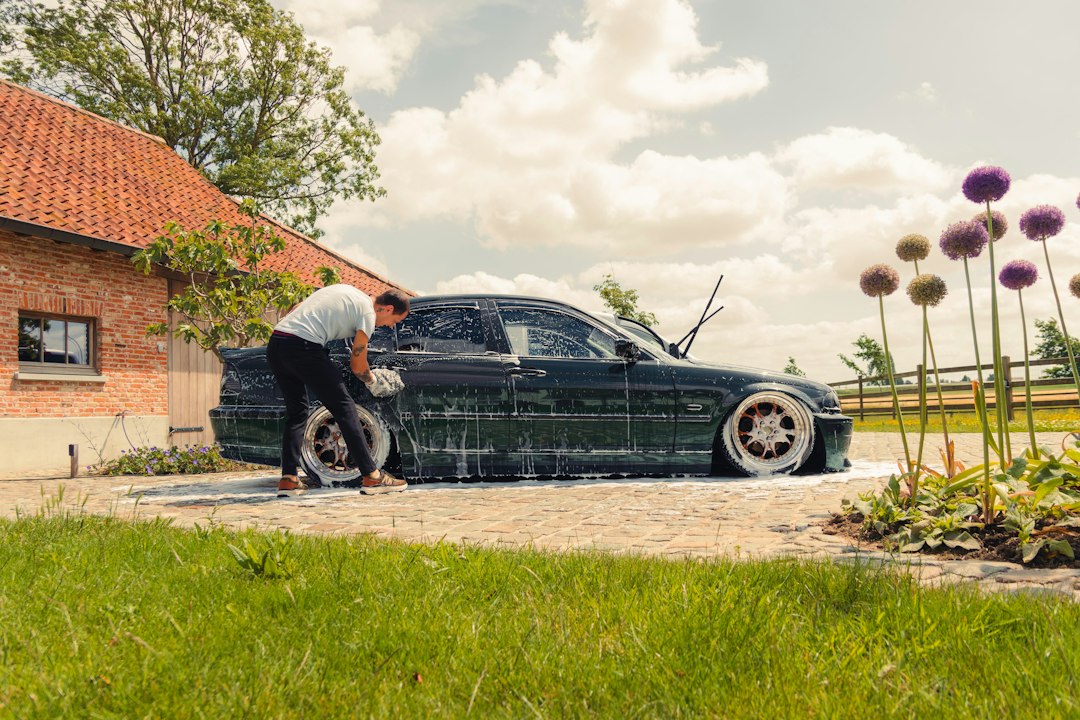
Why Autumn Is the Best Time to Detail Your Car in Denver
Every autumn, Denver-area drivers face a brief but critical window, the weeks between summer’s last heat and the first road-salt trucks rolling out. From October through March Denver-area roads get blanketed in road salt, magnesium chloride, and sand, and all of it ends up on your car. If your vehicle enters that season unprotected, you are handing corrosive chemicals a head start. The smart move is to detail now, while conditions are still on your side.
In my experience working with Denver drivers, the ones who skip autumn detailing tend to regret it come spring. Paint that looked perfectly fine in September can emerge from a Colorado winter looking oxidised, pitted, and dull. A targeted autumn detail, exterior decontamination, paint protection, interior prep, and undercarriage attention, addresses summer’s leftovers and armours your vehicle before the damage begins.
Key Takeaways
-
Autumn weather is ideal for product application: The cool fall temperatures and lower humidity create a comfortable environment for cleaning and detailing, allowing for fewer water spots and more effective application of detailing products. Book your detail before temperatures fall below 50°F.
-
Denver’s road chemicals are genuinely corrosive: CDOT uses a variety of products to treat Colorado highways during a winter storm, and all of the products contain salt with added corrosion inhibitors. Even with inhibitors added, these chemicals attack unprotected paint throughout the season.
-
Denver’s altitude amplifies UV damage: Denver’s mile-high altitude means 25% more UV radiation, intense freeze-thaw cycles, and year-round road contaminants that attack your vehicle’s paint every single day. Autumn is your last chance to correct summer UV damage before winter compounds it.
-
Detailing protects resale value: On average, a well-detailed vehicle can see a trade-in value increase of 8% to 12%, because it reduces the dealership’s reconditioning costs and improves the overall perception of the car’s maintenance. Protect that investment before winter strips it away.
-
Paint sealants applied in autumn last all winter: The polymers in a synthetic paint sealant form a barrier that protects your vehicle’s paint from road salts, water, and chemicals used on roads in winter weather, and high-quality sealants typically offer protection for about six months, meaning you can apply in autumn and remain protected all winter.
Quick-Start Prioritisation Framework
| Service | Best For | Effort Level | Time to Results |
|---|---|---|---|
| Full exterior wash + decontamination | All vehicles | Low | Immediate |
| Paint sealant | Daily drivers, budget-conscious owners | Low-Medium | 1-2 hours |
| Ceramic coating | Vehicles kept 2+ years, high-value cars | High (pro install) | 24-48 hours cure |
| Interior deep clean + fabric protection | Families, dogs, muddy boots | Medium | 2-4 hours |
| Undercarriage rinse + treatment | All Denver vehicles, non-negotiable | Low | 30 minutes |
| Headlight restoration | Vehicles 4+ years old | Low | 1 hour |
Start here if you are:
-
A daily driver on a budget: Full wash, decontamination, and a quality paint sealant, the best value protection before the first snowfall hits.
-
A vehicle keeper (5+ years): Professional ceramic coating at a service like FB Mobile Auto Detailing gives you the durability to withstand multiple Denver winters.
-
Short on time: Undercarriage rinse and a spray ceramic topper are your minimum viable protection, do those first, everything else second.
Why Denver’s Autumn Window Is Uniquely Valuable
Most cities have a generic “detail before winter” message. Denver is different. The combination of altitude, aggressive road chemistry, and rapid temperature swings makes the October window particularly precious.
The Temperature Sweet Spot
October in Denver averages a daytime high of 20.2°C (68°F) and an overnight low of 3.6°C (38°F), with only about 17.6 mm of precipitation over the entire month. That mild, drier daytime climate is nearly perfect for detailing work. Waxes and sealants need moderate temperatures to bond properly; too hot and they flash off before bonding, too cold and they won’t cure.
Autumn is the most important time of the year to apply paint protection because the cooler temperatures make waxes and sealants bond more effectively. Once November arrives, average highs drop to 11.9°C (53°F) with lows of -2.7°C (27°F), conditions that make quality product application significantly harder and less reliable. The window closes faster than most people expect.
The Road Salt Reality
CDOT uses a variety of products to treat Colorado highways during a winter storm, and all of the products contain salt with added corrosion inhibitors used to prevent or remove the build-up of ice and snow on roads. That sounds reassuring, but the inhibitors protect the roads and bridges, your car’s paint and undercarriage are a different story entirely.
CDOT applies millions of pounds of magnesium chloride and sodium chloride to Colorado roads each season, and that salt does not just wash off in the rain; it bonds to paint, seeps into door jambs, collects in wheel wells, and begins attacking metal surfaces at the molecular level. An autumn detail that includes undercarriage treatment and a durable paint barrier is the difference between a vehicle that weathers the season and one that rusts from the inside out.
Pro Tip: Ask your detailer to pay specific attention to wheel wells, door jambs, and the lower third of all body panels. These are the areas that collect the heaviest magnesium chloride deposits over a Denver winter, and the areas most likely to show corrosion by spring.
Addressing Summer’s Hidden Damage First
Before you can protect your vehicle for winter, you need to clear what summer left behind. I’ve found that most Denver owners underestimate how much abuse their paint takes between June and September.
UV Oxidation and Paint Correction
Denver at 5,280 feet receives up to 25% more UV radiation than sea-level cities. That intensity hits your paint hard across a long summer. Without proper protection prolonged exposure to UV rays can cause your car’s paint to fade, oxidise, and lose its glossy finish. Autumn is the right moment to polish out that oxidation before a protective layer goes on top. Polishing onto damaged paint without correcting it first seals in the deterioration rather than resolving it.
Bug Splatter, Tar, and Tree Sap
After summer road trips, your car could have accumulated tar, bugs, sand, and other contaminants throughout the interior and exterior. These are not merely cosmetic problems. The acidic nature of tree sap can do a great deal of damage to your car’s paint when left over the summer months. A clay-bar decontamination step lifts bonded contaminants that a standard wash cannot remove, giving your protective coating a clean, smooth surface to bond with.

This walkthrough demonstrates the full decontamination and one-step polish process on a vehicle that has accumulated the sort of surface damage a summer’s worth of driving typically leaves behind.
Choosing the Right Paint Protection for a Denver Winter
This is where I see the most confusion among vehicle owners. Not all protection products are equal when it comes to surviving Colorado road chemistry.
Wax: Warm Glow, Short Season
Wax offers a beautiful finish but falls short as a winter defence. Wax durability in snow and salt regions is typically three to ten days, rising to one or two weeks in mild winter areas, with almost zero durability in salted road environments. Applying wax in October and expecting it to last through March is optimistic to the point of being counterproductive. Reserve wax for vehicles that are garaged or rarely driven in winter conditions.
Sealant: The Practical Middle Ground
Paint sealants are synthetic polymer products designed to bond more durably to the clear coat than wax, and they typically last four to eight months, providing better chemical and UV resistance. Applied in early October, a quality sealant can carry your vehicle through the full winter season. Choose a paint sealant if you want affordable, easy protection that lasts longer with less fuss. For many Denver daily drivers, this is the most sensible autumn investment.
Ceramic Coating: Long-Term Defence for Denver’s Conditions
A professionally applied ceramic coating creates a chemically resistant barrier that does not react with salt, keeping the clear coat underneath fully protected through the entire winter season. Given Denver’s 25% elevated UV exposure and its aggressive road chemistry, ceramic is worth serious consideration for any vehicle you plan to keep for more than two years.
A single ceramic coating can outlast years of wax and keep your paint looking showroom-new for up to seven years. The upfront cost is higher, but the cost-per-year of protection makes it the most economical long-term choice for Denver drivers.
Pro Tip: Ceramic coating must be applied to properly decontaminated and polished paint. The autumn window is ideal because it gives your detailer the right working temperature and gives the coating time to fully cure before the first freeze arrives.
Interior Preparation: Overlooked but Critical
Most people focus entirely on the exterior when preparing for winter. The interior deserves equal attention, particularly in Denver’s dry, UV-intense climate.
Leather and Upholstery Conditioning
Detailing the interior in preparation for winter is necessary, particularly if your car has leather seats, leather can be dried out by winter’s cold weather and lack of humidity, and unmoisturised leather is prone to cracking. Moreover, because leather is only porous in relatively warm conditions, typically above 50°F; you must condition leather seats in fall, before winter weather sets in. Once temperatures drop, conditioner cannot penetrate effectively, and your investment in leather seating is at risk.
Carpets, Mats, and Moisture Management
Fall brings new challenges to your car’s interior, with passengers bringing in wet leaves, mud, and moisture, putting upholstery and carpets at risk of stains and mould. A deep interior clean in autumn removes existing contamination and applies fabric protectants that resist the salt-laden mud your boots will track in from November onwards. Salt and sand will eat away at paint surfaces, destroy interior carpeting when tracked in from your boots, and depreciate your car’s worth over time.
Pro Tip: Swap standard carpet mats for rubber all-weather mats before winter. They are dramatically easier to rinse clean and they prevent salt from soaking through to the carpet and sub-floor below.
The Undercarriage: Denver’s Most Neglected Surface
If there is one area where Denver drivers consistently under-invest, it is the undercarriage. Road salts accelerate the chemical process of rust when in direct contact with your vehicle, and the undercarriage of your car is the most at risk of damage from road salt.
Many winter cleaning routines fall short by not addressing the undercarriage and wheel wells, salt and slush collect underneath the vehicle and inside wheel wells, and those areas are exposed day after day. A professional autumn detail that includes a high-pressure undercarriage flush removes the summer’s accumulated grime and creates a clean surface for undercarriage-specific protective treatments.
The team at FB Mobile Auto Detailing understands this challenge well, mobile detailing services can come to you, which means your vehicle gets the attention it needs without you having to factor in a trip to a fixed location.

What Autumn Detailing Does for Your Vehicle’s Value
Professional detailing can increase a vehicle’s resale value by 10-20%, translating to hundreds or even thousands of additional dollars per vehicle. That figure assumes one-off presale detailing. Regular seasonal protection, including autumn prep, compounds that benefit by preventing the kind of corrosion and paint deterioration that is expensive to reverse.
If your vehicle still boasts a well-cared-for exterior paint job when it comes time to part ways, you will likely have a much higher resale value, leaving your car’s paint job exposed to the elements is like exposing your return value to the elements. A Denver winter without paint protection is one of the fastest ways to lose that advantage.
For a practical illustration: if a used car is in rougher condition initially, the price can potentially increase by about $3,000 after a thorough detailing job according to Autotrader’s vehicle condition analysis. That return on investment makes a seasonal detail one of the most financially sound decisions a vehicle owner can make.
Common Autumn Detailing Mistakes to Avoid
Even well-intentioned vehicle owners get a few things wrong during autumn prep. Here are the pitfalls worth knowing about before you book your detail.
Waiting Until After the First Snow
The first snowfall in Denver can arrive in October. October’s average daily high temperature dips to the low 60s, with nights in the upper 30s, and light snow can arrive late in the month. If you wait until after the first snow to book your detail, road salt has already been on your paint with nothing to stop it. Book in early-to-mid October, not late November.
Applying Protection to Contaminated Paint
Wax, sealant, or ceramic coating applied over bug residue, sap, or iron deposits will seal in contamination rather than protect against it. Always start with a full wash, iron remover, and clay-bar decontamination before any protective product goes on. Clay the paint to remove anything stuck to the surface, then polish it to smooth it out, only then should you choose your level of protection, whether wax lasting three to six months, sealant lasting six to twelve months, or ceramic coating lasting up to seven years.
Ignoring the Glass and Headlights
As the days grow shorter and you spend more time driving in the dark, a clean and well-maintained interior can significantly enhance your driving experience, and a professional detailing service will clean and treat your windows for better visibility and can restore your headlights to a like-new condition. In Denver’s autumn and winter, when early sunsets and occasional snow squalls combine, this is a genuine safety concern.
Frequently Asked Questions
When exactly should I book an autumn detail in Denver?
Early-to-mid October is the ideal window. Daytime highs average 24.5°C (76°F) over the first ten days of October, dropping to 15.7°C (60°F) over the last ten days of the month, a meaningful difference for product performance. Aim to have your detail completed by 20 October to ensure protective products cure fully before the first cold snaps and potential road-salt applications arrive.
How much does an autumn car detail cost in Denver?
Pricing depends on vehicle size and the level of service. A typical professional detail costs $150-$300 depending on vehicle size and condition. Ceramic coating is a separate investment with a higher upfront cost but a dramatically lower cost per year of protection compared to seasonal wax or sealant reapplication. FB Mobile Auto Detailing can provide a specific quote based on your vehicle and the services you need.
Does autumn detailing really prevent rust in Denver?
Yes, and this is especially true for the undercarriage and wheel wells. Road salt attracts moisture and creates a corrosive mixture that breaks down clear coat and paint, exposing metal surfaces to rust and accelerating exterior deterioration over time. A protective undercarriage treatment applied before the first road-salt application creates a physical barrier that interrupts that chemical chain reaction. Once rust establishes itself, it spreads, proactive treatment is far less costly than remediation.
Is mobile detailing a practical option for Denver residents?
Mobile car detailing is an excellent fit for Denver’s lifestyle. A mobile detailing service comes directly to your home or workplace, meaning your vehicle gets professionally prepared without any scheduling disruption on your part. Services like FB Mobile Auto Detailing bring professional-grade equipment and products to your driveway, the same quality as a fixed-location shop, without the drive.
Can I just run my car through a drive-through car wash instead?
A drive-through wash removes surface dirt but does not decontaminate the paint, apply durable protection, address the undercarriage properly, or treat the interior. A standard car wash will not suffice after a Denver winter; you need a proper multi-stage process that breaks down and lifts contaminants rather than just rinsing the surface. The same logic applies in autumn: surface washing alone leaves your vehicle exposed to everything the coming season will throw at it.
Make Your Move Before the First Freeze
Autumn detailing is one of the highest-return vehicle care decisions a Denver owner can make. The combination of ideal working temperatures, the urgency of incoming road chemistry, and the compounding effect on long-term resale value makes September-to-mid-October the most productive time to act.
In my experience, the drivers who detail in autumn consistently report better-looking, better-protected vehicles at the end of winter, and significantly lower spring repair bills. The ones who skip it tend to be the ones polishing out rust spots and dealing with faded paint in March.
If you want a professional autumn detail from people who understand Denver’s specific conditions, FB Mobile Auto Detailing offers mobile car detailing services across the Denver metro area. They come to you, with the right products for Colorado’s unique environment, and get your vehicle ready before winter arrives.
Sources
-
Why Autumn Is the Perfect Time to Detail Your Car, Killer Brands. Seasonal detailing guidance for cooler months. https://www.killerbrands.co.uk/blogs/news/autumn-car-care-for-beginners-a-complete-car-detailing-guide
-
Fall Car Detailing, SPA Car Wash. Benefits of autumn product application. https://spacarwash.com/blog/fall-car-detailing/
-
Why Detail Your Car This Fall and Autumn Seasons, MM Auto Detailing. Pre-winter interior and paint protection advice. https://mmautodetailing.com/detailing-blog/why-detail-your-car-this-fall-and-autumn-seasons/
-
Fall Car Detailing Checklist, Detail King. Step-by-step autumn detailing process. https://blog.detailking.com/fall-car-detailing-checklist/
-
Spring Detail Checklist for Denver Cars After Colorado Winter, Black Diamonds Detailing. Denver-specific road salt and corrosion information. https://www.blackdiamondsdetailing.com/post/spring-detail-checklist-denver-colorado
-
Snow Removal Products, Colorado Department of Transportation (CDOT). Official information on road treatment chemicals used in Colorado. https://www.codot.gov/travel/winter-driving/products.html
-
How to Protect Your Car This Winter, Denver Auto Shield. Colorado-specific winter paint protection guide. https://www.denverautoshield.com/how-to-protect-your-car-this-winter
-
Denver’s Mile-High Altitude and UV Radiation, Extreme Auto Works. UV intensity data for Denver at 5,280 feet. https://extremeaw.com/ceramic-coating/
-
UV Index in Colorado, Today UV Index. Elevation-adjusted UV data for Denver and Colorado. https://todayuvindex.com/us/colorado/
-
Ceramic Coating vs Wax vs Sealant, Crafted Garage. Paint protection comparison guide. https://craftedgarage.com/wax-vs-sealant-vs-ceramic-coating/
-
Ceramic Coating vs. Wax vs. Paint Sealant, The Apex Detailing. Durability comparison by season and climate. https://theapexdetailing.ca/blog/ceramic-coating-vs-wax-vs-sealant
-
Wax, Sealant, or Ceramic for Winter?, Jimbo’s Detailing. Winter protection comparison with durability timelines. https://jimbosdetailing.com/blogs/diy-detailing/protection-for-winter
-
How Professional Detailing Boosts Resale Value, Sparkle Armor. Data on detailing’s impact on trade-in offers. https://sparklearmor.com/blog/does-car-detailing-increase-value/
-
Should I Clean My Car Before Trading or Selling?, Autotrader. Vehicle condition impact on resale pricing. https://www.autotrader.com/car-shopping/clean-car-before-trading-selling
-
How Auto Detailing Increases Resale Value, C&C Powerwashing. Industry data on detailing return on investment. https://ccpowerwashing.com/auto-detailing-for-dealerships-how-professional-detailing-increases-resale-value/
-
Road Salt on Cars, Chemical Guys. How road salt damages paint and metal. https://www.chemicalguys.com/blogs/exterior-how-tos/road-salt-on-cars
-
Denver Weather in October, Weather Hack. Climate averages and temperature data for October in Denver. https://www.weatherhack.com/weather/denver/october/
-
Keeping Your Car Clean in Winter, Denver, Steve’s Detailing. Denver-specific winter car care advice. https://www.stevesdetailing.net/keeping-car-clean-winter/


