
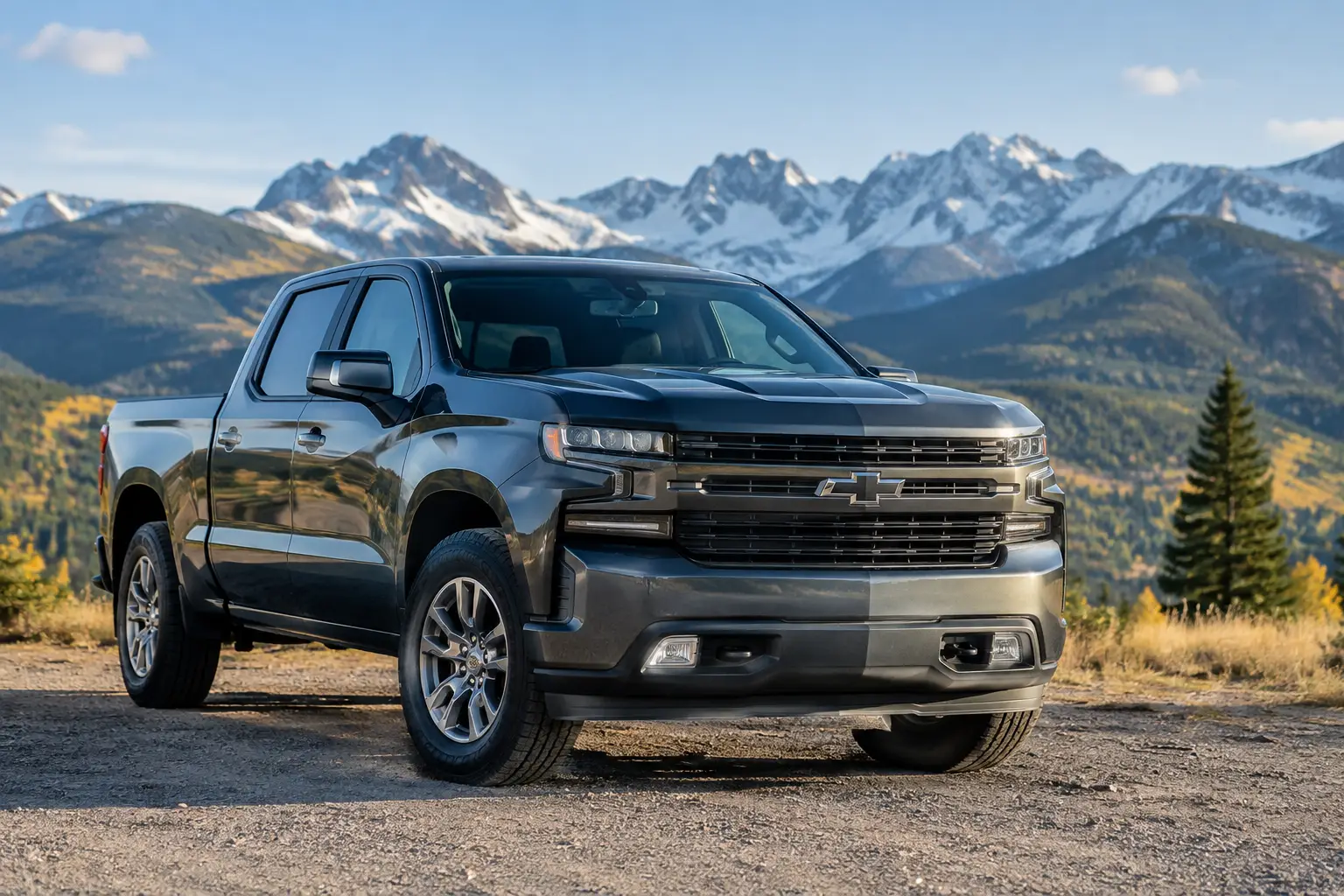
Best Ceramic Coating for Trucks in Colorado
What Makes the Best Ceramic Coating for Trucks?
-
he best ceramic coating is one that matches how the truck is used. A garage-kept luxury pickup driven occasionally on weekends has different needs than a work truck that faces gravel roads, construction sites, trailers, and daily highway driving. Both can benefit from ceramic protection, but the desired finish, level of preparation, and maintenance requirements will vary.
A high-quality professional ceramic coating forms a durable chemical bond with properly prepared clear coat. It helps repel water and provides greater resistance to UV exposure, chemical contaminants, bugs, bird droppings, road film, and oxidation. Its hydrophobic properties allow water to bead up and run off more easily, making dirt less likely to bond tightly to the paint and simplifying routine washing.
However, ceramic coatings do not prevent every scratch or rock chip. Unlike paint protection film (PPF), they are not designed to absorb physical impacts from gravel, shopping carts, or branches. For trucks that regularly travel gravel roads or highways, adding PPF to high-impact areas—such as the front bumper, hood edge, and side mirrors—can provide an extra layer of protection against paint damage.
It is also important to choose the right coating for each surface. Painted body panels are typically the top priority, but specialized products can also protect gloss-black trim, wheels, exterior glass, and certain plastic components. The truck bed liner requires separate consideration, as its texture and material may call for a dedicated protectant rather than the same ceramic coating used on painted surfaces.
Professional Coating vs. DIY Ceramic Products
Applying a DIY coating over embedded contaminants, oxidation, swirl marks, or old wax can leave those imperfections visible beneath the new layer of protection. Although the surface may repel water, the coating will not eliminate existing defects or significantly improve the paint’s appearance in direct sunlight.
A professional installation typically begins with a thorough inspection and hand wash, followed by chemical decontamination and, when necessary, clay treatment to remove bonded contaminants. Paint correction may then be performed to reduce swirl marks, haze, water spots, and other minor imperfections before the coating is applied.
For newer trucks with paint in excellent condition, a single-stage polish may be sufficient to enhance clarity and prepare the surface for coating. Darker-colored trucks, daily drivers with frequent wash marks, and vehicles that have endured years of automatic car washes may benefit from multi-stage paint correction for a more noticeable improvement.
The best approach depends on the truck’s existing paint condition, how it is used, and the results you expect—not simply which coating package is selected.
Choose Durability Based on How You Use Your Truck
Coating durability claims can be confusing. A product labeled for several years of protection may perform differently based on miles driven, wash methods, storage, climate, and maintenance. Long-term performance comes from the combination of coating quality, proper prep, correct installation, and how the truck is cared for afterward.
For a leased truck, a shorter-term ceramic protection service may make practical sense. It can preserve a polished appearance and reduce maintenance without paying for the longest available protection period. For an owned truck you plan to keep for years, a premium multi-year coating is often a stronger value because it helps preserve finish quality over more seasons of sun, snow, and road contamination.
Work trucks need an honest assessment. If a truck is exposed to concrete dust, overspray, mud, chemicals, and frequent loading, ceramic coating can still make exterior cleanup easier. It should not be sold as a substitute for careful washing or as protection against every form of job-site damage. In many cases, the best plan is durable exterior protection paired with regular maintenance detail appointments.
Paint Condition Matters More Than Most Owners Expect
Ceramic coating adds depth and gloss, but it does not hide defects. In fact, the added gloss can make scratches and swirl marks more noticeable if correction is skipped. That is why the paint evaluation is one of the most valuable parts of a coating appointment.
A qualified detailer should inspect the truck in proper lighting and explain what can reasonably be improved. Some deeper scratches may be reduced but not safely removed without taking too much clear coat. Rock chips, failing clear coat, and poorly completed prior repairs also require realistic expectations. A trustworthy recommendation protects the paint first and avoids promising perfection where it is not possible.
This matters especially for large trucks. Full-size pickups have expansive doors, bedsides, hoods, and tailgates, so minor wash marring can cover a great deal of visible surface area. Correcting that paint before applying a coating can transform how the truck looks in the sun and under parking lot lights.
Colorado Conditions Change the Recommendation
Colorado is hard on vehicle finishes. Intense sun can accelerate fading and oxidation, while winter driving introduces salt brine and road grime that can remain on lower panels, wheels, and wheel wells. In spring and summer, dust, pollen, tree sap, and bug residue add another layer of maintenance.
For these conditions, look for a professional ceramic coating with credible UV and chemical resistance, not vague claims of permanent protection. The installer should also have a plan for the areas that take the most abuse: lower doors, rocker panels, front bumper, grille, wheels, and behind the tires.
Trucks used for mountain travel deserve extra attention before winter. A coating makes salt residue easier to remove, but it does not eliminate the need for regular rinsing. After a snowstorm or a long drive on treated roads, wash the truck as soon as practical, including the wheel wells and lower body panels.
Maintenance Is Part of the Coating’s Performance
A ceramic-coated truck still needs to be washed. The good news is that washing is generally faster and less aggressive because grime releases more easily from a protected surface. Use pH-balanced products, clean microfiber towels, and proper wash techniques. Avoid abrasive brushes, dirty tunnel washes, and strong chemicals unless they are appropriate for coated surfaces.
For the best results, remove bird droppings, bug residue, and tree sap promptly. Even high-quality coatings have limits when contaminants sit in intense sunlight for extended periods. Periodic maintenance details can also refresh the finish, clean difficult areas, and confirm that the coating is performing as expected.
At FB Mobile Auto Detailing & Coating, the goal is not to push the longest-lasting package onto every truck owner. It is to evaluate the paint, understand how the truck is used, and recommend protection that delivers visible results and practical value at your home or workplace.
Questions to Ask Before Booking a Truck Coating
Ask what preparation is included, whether paint correction is recommended, which surfaces will be coated, and how the coating will be maintained. You should also ask how long the vehicle needs to remain dry while the coating cures and whether an indoor or weather-protected setup is required.
A clear answer to those questions tells you far more than a flashy hardness rating. Professional workmanship is visible in the details: clean edges, even coverage, corrected paint, properly prepared trim, and a finish that looks exceptional before water ever touches it.
The right coating should make you more confident using your truck, not more worried about protecting it. Choose one that fits your driving habits, care routine, and paint condition, then give it the straightforward maintenance it deserves.


