
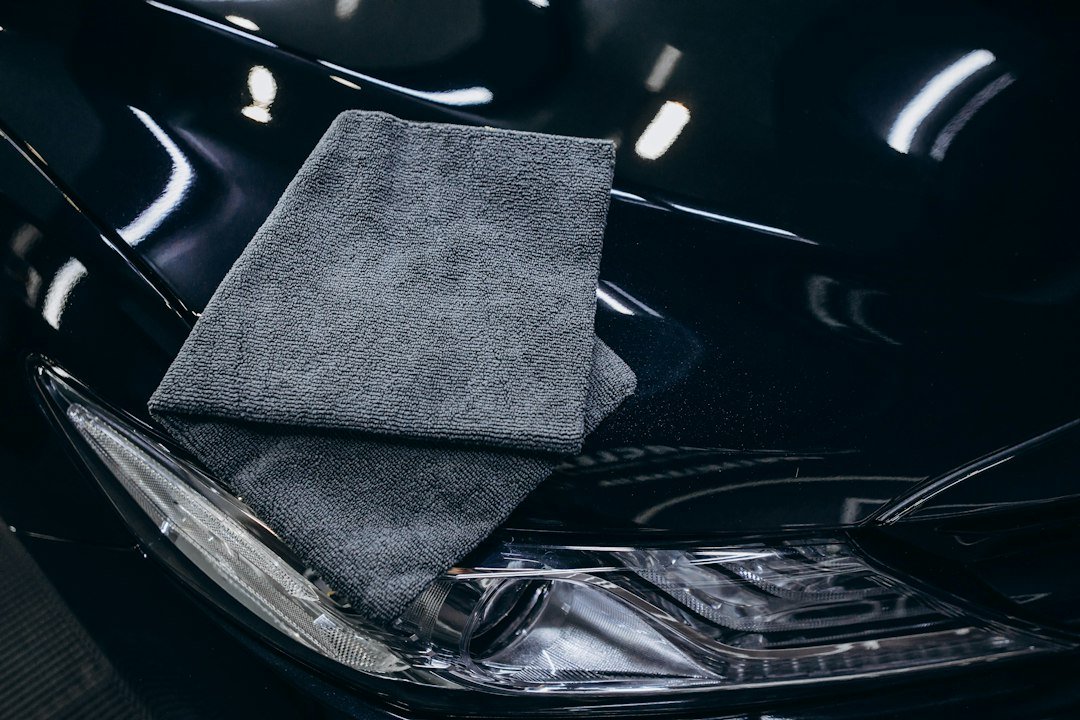
What Ceramic Coating Actually Does for a Luxury or Classic Car
If you own a Porsche, a classic Mustang, a Ferrari, or any vehicle that holds genuine financial and emotional value, you already know that protecting its paint is a priority. But you may be wondering whether ceramic coating is the right choice, what it actually does beyond the marketing language, and whether the investment makes sense. I’ve worked closely with high-value vehicle owners for years, and in this guide I’ll walk you through the real-world outcomes of ceramic coating on luxury and classic cars, what it protects, how it works, and what to expect at every price point.
Unprotected paint on a vehicle exposed to Colorado’s conditions deteriorates faster than most owners expect. Denver’s mile-high altitude means approximately 25% more UV radiation than at sea level, plus intense freeze-thaw cycles and year-round road contaminants that attack your vehicle’s paint every single day. For a car worth $80,000 or $200,000, that exposure is a serious concern, and ceramic coating is one of the most effective tools available to slow it down.
Key Takeaways
-
Ceramic coating bonds chemically to paint: It bonds with the clear coat rather than sitting on top like wax, which is why it lasts so much longer. This permanence means Colorado’s harsh winters and intense UV cannot simply wash away your protection.
-
UV exposure at altitude is your paint’s biggest enemy: Denver’s mile-high altitude means your vehicle is exposed to approximately 25% more UV radiation than at sea level, and this intense exposure accelerates paint oxidation and fading without proper protection. If your car sits outdoors regularly, this is the single most compelling reason to coat it.
-
Classic car finishes are especially vulnerable: Classic car paint, especially original lacquer or enamel finishes, is often softer and more porous than modern clear coats, making it highly susceptible to environmental damage. A ceramic layer provides a hard, modern shield without altering the original finish.
-
Ceramic coating can boost resale value by 5-20%: A vehicle protected by a professional-grade ceramic coating commands a resale premium of 5% to 20% compared to neglected counterparts. On a $100,000 car, that is a meaningful number.
-
Paint preparation is non-negotiable: If your paint has swirl marks etching, or oxidation, those imperfections will remain sealed under a ceramic layer, degrading both appearance and protection. Always insist on paint correction before the coat goes on.
Quick-Start Prioritisation Framework
| Protection Goal | Best Option | Effort Level | Time to Results |
|---|---|---|---|
| UV and oxidation defence | Ceramic coating | Low (once applied) | Immediate |
| Rock chips and deep scratches | Paint Protection Film (PPF) | Low (once applied) | Immediate |
| Full exterior defence | PPF on impact zones + ceramic over entire car | Medium | 1-2 days |
| Budget-conscious maintenance | Entry ceramic coating | Low | Same day |
| Long-term classic car preservation | Multi-layer professional ceramic | Low | 1 day |
Start here if you are:
-
A luxury car owner planning to sell in 3-5 years: A professional ceramic coating now protects your investment and maximises your resale position when the time comes.
-
A classic car owner with original paint: Prioritise a professional installer who understands single-stage and older lacquer finishes, the prep work here is critical.
-
A new car owner in Colorado: Apply ceramic coating within the first few months, before the sun and road salt have a chance to begin their work.
How Ceramic Coating Actually Works
Before spending $1,500 or more on any protective treatment, it is worth understanding what you are actually paying for.
The Chemistry Behind the Bond
A ceramic coating is built around silicon dioxide (SiO2), the same compound used in glass manufacturing. When a trained technician applies it to your vehicle, it does something that wax and sealants simply cannot do. As the ceramic polymer settles on the vehicle’s exterior, it fills in microscopic pores and imperfections found in paint finishes, then cures into a rigid, glass-like layer bonded directly to the clear coat.
The sacrificial nature of the coating means external threats interact with the ceramic layer first, creating a protective buffer that the underlying paint would not otherwise have. Think of it like a transparent suit of armour, everything that would have damaged your paint now has to get through the ceramic barrier first.
The Hydrophobic Effect
The coating creates a microscopic uneven surface that causes water to bead up and roll off rather than spread out. This is called hydrophobicity, and its value goes well beyond keeping your car looking clean. This hydrophobic effect carries away dirt and other contaminants when water rolls off a surface, keeping the surface cleaner for longer.
For Colorado drivers, this matters enormously in winter. As a Coloradan, it is essential to understand how road treatments, particularly magnesium chloride, can affect your vehicle, as while these treatments improve road safety by preventing ice formation, they can also lead to corrosion and damage to your car if not properly managed. A hydrophobic ceramic coating means mag chloride and road brine cannot bond to your paint’s surface the way they can on an unprotected car.
Pro Tip: After a snow event or mountain drive, a quick rinse is all it takes to clear road chemicals from a ceramic-coated car. On an unprotected vehicle, the same contaminants may need scrubbing, which introduces swirl marks and further paint damage.
This overview explains the science behind how ceramic coatings bond to paintwork and what that means in practical terms for your vehicle.
What Ceramic Coating Specifically Protects Against
Understanding what ceramic coating does, and what it does not do, is essential before committing to the treatment.
UV Fading and Paint Oxidation
This is where ceramic coating delivers its strongest value for luxury and classic car owners. Ceramic coating prevents paint oxidation by creating a durable, chemically bonded layer that acts as a protective shield against environmental factors such as oxygen, moisture, and UV rays. Without this protection, uncoated paint loses 30 to 50 percent of its gloss within the first six months to a year of exposure, according to Shine Detailing’s oxidation analysis. Act on this: if your vehicle spends any time outdoors in Colorado’s high-altitude sun, UV protection is the single most important reason to coat it.
For classic cars, the stakes are even higher. Ceramic coatings provide UV protection against the sun’s rays, which can break down car paint over time and cause fading, discoloration, and cracking, and this protection is especially important for classic cars, whose older paints are often more affected by UV light. Applying a modern ceramic layer over ageing lacquer or enamel is one of the most respectful things you can do for an original finish.
Chemical Contaminants: Bird Droppings, Tree Sap, and Road Chemicals
Ceramic coating protects against damage from bird droppings, bug residue, tree sap, and acid rain, contaminants that can quickly etch into softer classic paints. These are the everyday threats that cause the most cumulative damage on luxury and collector vehicles. Each time bird droppings sit on unprotected paint in summer heat, they etch deeper into the clear coat.
Ceramic coating prevents these substances from bonding to the surface, making it easier to clean the car while reducing the risk of stains and blemishes. For owners of vehicles like a Bentley Continental or a 1969 Camaro with a show-quality respray, this protection is invaluable.
Swirl Marks and Fine Abrasions
For luxury cars, where flawless finishes are a mark of distinction, even minor imperfections can stand out, and ceramic coating provides a tough protective layer that resists these small abrasions, keeping the paintwork looking factory-fresh. This is particularly relevant for dark-coloured luxury vehicles, where swirl marks from improper washing are most visible.
Pro Tip: A ceramic-coated car requires less physical scrubbing during each wash. Your classic car stays cleaner for longer, and less physical rubbing is required during washing, drastically reducing the risk of inflicting swirl marks or scratches on potentially sensitive paint.
What Ceramic Coating Will Not Do
Honesty matters here. Ceramic coating will not stop rock chips or deep scratches, that is what paint protection film is for, but it is the best long-term defence against UV fade, chemical staining, water spots, and wash-induced swirls that dull a finish.
For protection against rock chips road debris, and physical impact damage, classic car owners should consider Paint Protection Film (PPF), and many classic car owners choose to combine both technologies, applying PPF to high-impact areas like the front bumper and hood, then applying ceramic coating over the entire vehicle for comprehensive protection.

The Colorado Factor: Why This Matters More Here
I’ve seen firsthand what Colorado’s environment does to unprotected paint. Living and working along the Front Range means your vehicle faces a genuinely unusual combination of threats that most guides don’t fully account for.
High-Altitude UV
Along Denver’s Front Range, high altitude UV radiation is significantly more intense than at sea level, accelerating paint oxidation, clear coat fading, and plastic trim degradation far faster than in lower elevation climates. Traditional carnauba wax offers almost no meaningful resistance here. Carnauba wax provides minimal UV resistance and breaks down within weeks of sun exposure. A properly applied ceramic coating, by contrast, maintains its UV-blocking properties year-round.
Winter Road Chemicals
In Colorado, the predominant solution used on roads is magnesium chloride. Unlike basic sodium chloride, mag chloride stays active at lower temperatures and clings to surfaces far more stubbornly. Prolonged contact can leave painted surfaces dull, and in the case of rock chips or scratches on the surface, the introduction and prolonged exposure to magnesium chloride may result in paint peeling or bubbling, exposing the metal beneath to further corrosion.
Ceramic coating creates a durable hydrophobic barrier that repels salt, sand, and chemicals, protecting your vehicle’s paint from damage. For a classic car that only comes out from storage in warmer months, this matters during transport, loading, and any time the car is on a trailer in winter conditions.
Pro Tip: Whether you use FB Mobile Auto Detailing for a full ceramic service or handle seasonal maintenance yourself, rinse the undercarriage and lower panels after any trip that involves treated roads. The ceramic layer protects the paint above, but road brine can still work into uncoated areas.
Ceramic Coating and the Resale Value Equation
For many luxury and classic car owners, the financial case for ceramic coating is as compelling as the protective one.
What the Numbers Show
Data suggests that cars coated with ceramics see approximately a 10% to 15% increase in resale value compared to similar vehicles without this protection. On a $120,000 vehicle, that could represent $12,000 to $18,000 in additional value. The coating cost, even at the premium end, is a fraction of that return.
A car protected with ceramic coating retains approximately 80% of its original paint quality after five years, while vehicles merely waxed witness a stark decline, retaining only about 50%. This paint quality gap is exactly what buyers and appraisers notice when they inspect a used vehicle. Appraisers rarely add a specific dollar amount for a ceramic coating, what they do is deduct less, or nothing. A standard used car comes in with swirl marks, faded trim, oxidised paint, and water spots. A coated car with five years on it still looks deep, glossy, and oxidation-free. That’s where the value shows up, not as a line item, but as the absence of deductions.
The Maintenance Saving
Ceramic-coated vehicles need 70% fewer paint correction services throughout their lifetime, meaning $1,000 to $3,000 in savings over five years. When you factor in those savings against the initial coating cost, the investment looks considerably more attractive. For classic car owners who would otherwise invest in seasonal waxing and periodic correction work, the maths is straightforward.
What to Expect: Costs, Timelines, and Choosing a Detailer
What Professional Ceramic Coating Costs
Professional ceramic coating costs between $500 and $3,000-plus in 2026, depending on vehicle size, product brand, and paint condition. For luxury and exotic vehicles specifically, the price range for exotic and luxury cars is typically $1,500 to $3,000 for multi-stage correction with premium product, while top-tier packages with transferable warranties run $2,500 to $5,500.
For classic cars, budget allocations shift based on the condition of the original paint. Standard ceramic coating systems offer 3-year protection starting at around $1,000, while advanced systems providing 7-year protection start at around $1,450, representing the pinnacle of long-term paint preservation. These are starting points, prep work and paint correction add to the total.
Why Preparation Defines the Result
Ceramic coating is 80% installation and 20% product. A $2,000 professional coating installed on unwashed, unpolished paint by a rushed technician will underperform a $200 DIY coating applied by a patient owner on a properly prepped surface. This is the most important thing to understand when comparing quotes. Ask every potential detailer exactly what their preparation process includes.
Professional installation of ceramic coating on luxury cars ensures optimal surface preparation, precise application, and curing conditions, which are critical for achieving maximum durability and protection. Teams like FB Mobile Auto Detailing who bring this level of care to your location in Denver remove the logistical burden while delivering the controlled, careful application that high-value vehicles demand.

Common Mistakes to Avoid with Ceramic Coating
Skipping Paint Correction Before the Coat
This is the most costly mistake. Any swirl marks, water spots, or oxidation present on the paint surface when the ceramic coating is applied will be locked in permanently. The coating will seal imperfections just as readily as it seals a flawless finish. Book a thorough paint correction session first, and do not let cost pressure push you to skip it.
Choosing a Detailer Based on Price Alone
A quote of $400 for a ceramic coating on a classic Jaguar should raise immediate questions. The product alone costs significantly more than that in professional-grade form. A single bottle of professional-grade ceramic coating costs the installer over $100, and that is before labour, prep time, decontamination, and curing. Vague pricing usually reflects vague preparation.
Treating It as a Completely Maintenance-Free Solution
Ceramic coating dramatically reduces maintenance requirements, but it does not eliminate them. The coating benefits from occasional pH-neutral washes and, in some systems, an annual maintenance spray to refresh the hydrophobic layer. Following your installer’s aftercare programme protects the warranty and extends the coating’s effective life.
Frequently Asked Questions
How long does ceramic coating last on a luxury or classic car?
Generally, a professionally applied ceramic coating can last between 3 to 7 years, providing enduring protection and shine. Premium multi-layer systems can last even longer. Longevity depends heavily on the quality of preparation, the product chosen, and whether basic aftercare guidance is followed. Colorado’s high-altitude UV can degrade lower-grade coatings faster, so selecting a professional-tier product matters more here than in many other states.
Does ceramic coating protect against Colorado’s road salt and magnesium chloride?
Yes, this is one of its most practical benefits in our climate. Ceramic coating creates a durable hydrophobic barrier that repels salt, sand, and chemicals, protecting your vehicle’s paint from damage. The coating prevents corrosive road chemicals from bonding to the paint surface, so they rinse away cleanly rather than sitting on the clear coat and etching over time.
Can ceramic coating be applied to a classic car with original paint?
Yes, and in many ways classic cars benefit more from ceramic coating than modern vehicles do. Ceramic coating is suitable for various paint finishes, including single-stage paints commonly found on classic cars. However, the preparation stage must be handled with extra care by a detailer experienced with older finishes. The wrong polish or aggressive correction technique can damage original paint that cannot be replicated.
Should I combine ceramic coating with paint protection film?
For luxury and classic cars that see regular road use, the combination is the strongest approach available. For luxury car owners seeking ultimate protection, combining ceramic coating with PPF is a smart move: PPF shields against physical damage like stone chips, while ceramic coating enhances gloss and hydrophobicity. Apply PPF to high-impact areas such as the bonnet leading edge, front bumper, and wing mirrors, then coat the entire vehicle with ceramic for a comprehensive result.
How do I maintain a ceramic-coated luxury or classic car?
Maintaining a ceramic-coated car usually costs $180 to $500 per year when done by a professional detailer. At home, use pH-neutral car shampoo, a clean microfibre wash mitt, and avoid automatic car washes with abrasive brushes. Rinse the lower panels and undercarriage after winter drives on treated roads. Many professional coatings benefit from an annual inspection and top-up spray to maintain optimal hydrophobicity.
Is Ceramic Coating Right for Your Vehicle?
If you own a vehicle you care about, whether that is a current-generation luxury saloon, a weekend supercar, or a classic that has been in the family for decades, ceramic coating is worth serious consideration. The protection it provides against Colorado’s high-altitude UV, winter road chemicals, and everyday environmental damage is genuine and measurable. Collector and luxury cars are often treated as investments, and ceramic coating helps maintain the level of preservation that makes it a wise choice for owners who consider their vehicles part of their financial portfolio.
The key decisions are choosing an experienced installer, insisting on thorough paint preparation, and selecting a product tier that matches how long you plan to keep the vehicle. Done properly, ceramic coating for luxury cars pays for itself through preserved paint, avoided correction costs, and a stronger resale position.
For Colorado-based luxury and classic car owners looking for mobile ceramic coating services that come to your home or garage, FB Mobile Auto Detailing brings professional-grade protection directly to you, no need to leave your vehicle in an unfamiliar shop.
Sources
-
The Science Behind Ceramic Coating, Chemical Guys. How SiO2 bonds to clear coat and creates hydrophobic properties. https://www.chemicalguys.com/blogs/exterior-how-tos/ceramic-coating-spray
-
Benefits of Ceramic Coating for Luxury and Classic Cars, Xtreme Window Tint. UV protection, longevity, and hydrophobic benefits explained. https://xtremewindowtintil.com/the-benefits-of-ceramic-coating-for-luxury-and-classic-cars/
-
Ceramic Coating for Classic Cars, 5 Star Auto Detail. Coating types, prep requirements, and pricing for classic vehicles. https://www.5starautodetail.com/ceramic-coating-for-classic-cars
-
Five Reasons to Ceramic Coat Your Classic Car, Abundance Auto Detail. Classic paint vulnerability and long-term preservation outcomes. https://abundanceautodetail.com/uncategorized/the-five-most-important-reasons-to-ceramic-coat-your-classic-car/
-
Is Ceramic Coating Worth It in 2026?, Car Tips Daily. ROI analysis, resale value, and cost breakdown. https://cartipsdaily.com/is-ceramic-coating-worth-it-2026
-
Does Ceramic Coating Increase Resale Value?, Everydetailme. Paint quality retention figures and resale premium data. https://www.everydetailme.com/how-ceramic-coating-enhances-your-cars-resale-value-and-protects-your-investment
-
Does Ceramic Coating Really Matter for Resale in 2026?, Ceramic Enthusiasts. Resale premium percentages and appraisal insights. https://ceramicenthusiasts.com/does-your-ceramic-coating-really-matter-in-2026-heres-the-truth-about-resale-value/
-
Does Ceramic Coating Actually Add Value?, Car Detox. Paint correction savings and resale data over five-year period. https://cardetox-us.com/does-ceramic-coating-actually-add-value-to-your-car/
-
Ceramic Coating Cost 2026, Find Ceramic Coating. Price ranges by vehicle class including luxury and exotic. https://findceramiccoating.com/cost/ceramic-coating-cost
-
How Effective is Ceramic Coating for Car Protection?, Law Rap and Tint School. Science-backed analysis of UV protection, ROI, and real-world results. https://www.lawrapandtintschool.com/post/how-effective-is-ceramic-coating-for-car-protection-the-2026-science-backed-guide-chemistry-real
-
Ceramic Coating Benefits Luxury Cars, PDX Pro Detail. Professional installation standards and long-term value for luxury vehicles. https://www.pdxprodetail.com/ceramic-coating-for-luxury-cars-benefits-of-a-professional-installation
-
Denver’s High Altitude and UV Exposure, Best Clear Bra / Denver Ceramic Pro. Colorado-specific UV data and protection rationale. https://www.bestclearbra.com/ceramic-pro-denver-premium-paint-protection
-
Colorado Road Salt and Magnesium Chloride, AutoWash Colorado. Corrosive effects of Colorado winter road treatments on vehicle paint. https://www.autowashco.com/post/is-mag-chloride-destroying-your-car
-
Road Salt and De-icer Paint Damage, Supreme Finish Auto Detailing. How ceramic coating defends against winter road chemicals. https://detailsupreme.com/does-road-salt-sand-and-de-icer-damage-my-vehicles-paint/
-
Colorado Front Range Ceramic Coating Context, Colorado Auto Spa. UV intensity on Denver’s Front Range versus sea level. https://www.coloradoautospa.com/ceramic-coatings-Boulder-Denver-and-Castle-Rock
-
The Role of Ceramic Coating in Preventing Paint Oxidation, Shine Detailing. Oxidation data, UV reduction figures, and gloss retention over time. Shine Detailing’s oxidation analysis
-
Benefits of Ceramic Coating for Classic Cars, Detail Supreme. Classic paint vulnerability and long-term coating rationale. https://detailsupreme.com/why-ceramic-coating-is-a-good-choice-for-classic-cars/
- We Proudly serve the following cities and surrounding neighborhoods : Aurora , Cherry Hills Village Greenwood Village Castle Pines Lone Tree Castle Rock Highlands Ranch Centennial Parker Louisville Superior


