
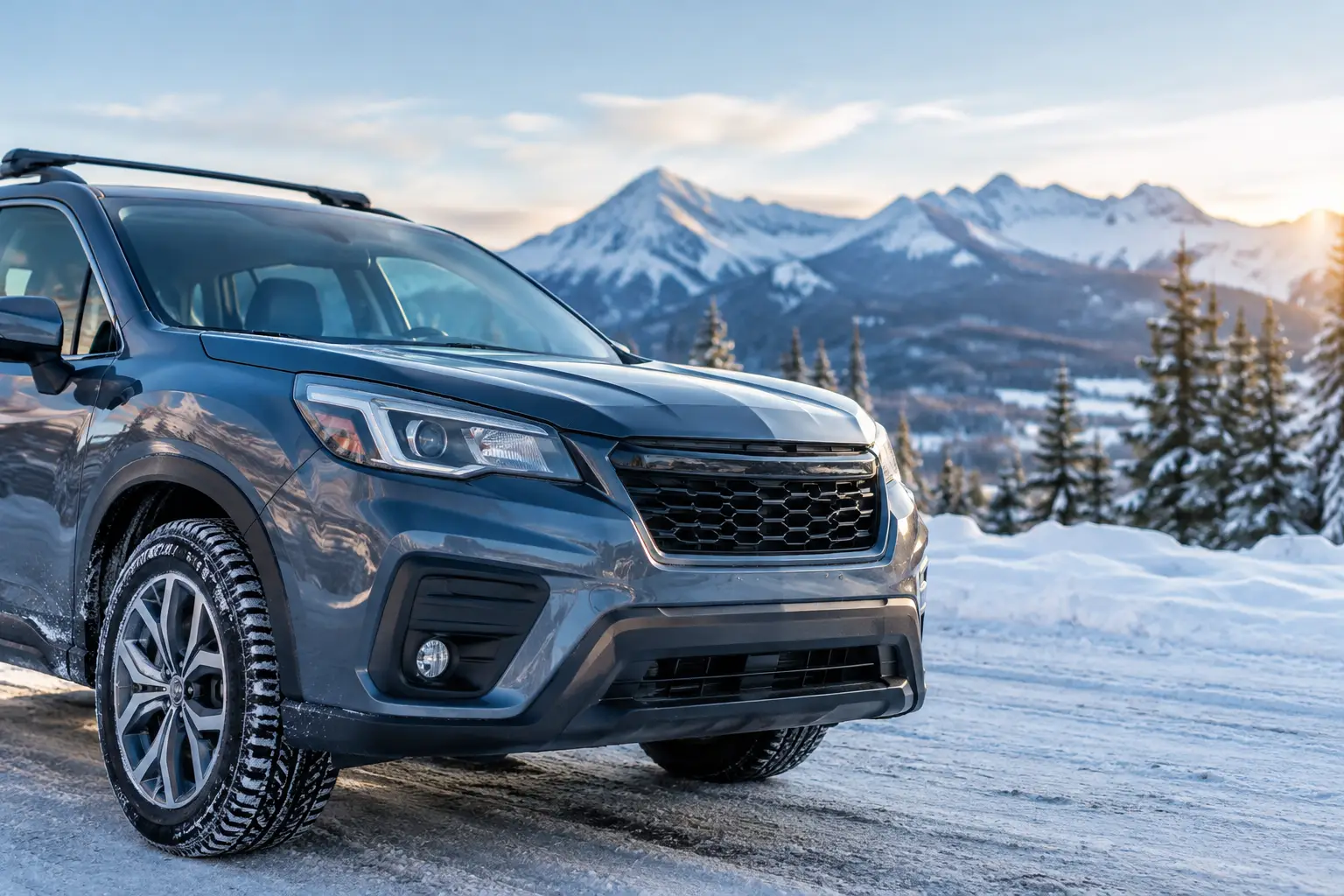
Colorado Winter Car Protection That Lasts
A Colorado winter can make a clean vehicle look neglected in a single commute. Snowmelt carries de-icing chemicals into wheel wells and lower panels, sand leaves fine scratches behind, and freezing mornings are often followed by bright, high-altitude sun. Effective Colorado winter car protection is not about keeping a vehicle spotless every day. It is about reducing the damage that builds up quietly through the season.
For Denver-area drivers, that means protecting the paint before salt and grime have a chance to bond, cleaning the areas a quick wash misses, and giving the interior the same attention as the exterior. A daily-driven SUV, work truck, family vehicle, luxury sedan, or weekend classic all face the same conditions. The right protection plan simply varies based on how the vehicle is used and how much long-term appearance matters to its owner.
Why Colorado Winter Conditions Are Hard on Vehicles
Road salt and de-icing products are the obvious concern, but they are not the only one. When slush dries on paint, glass, wheels, and trim, it leaves behind mineral residue and corrosive contaminants. Those deposits are especially persistent around rocker panels, fender liners, door jambs, brake components, and the rear of the vehicle, where road spray collects.
Colorado’s dry climate adds another layer of wear. Fine road dust and sand become abrasive when wiped across a dirty surface. A dry towel, snow brush, or rushed gas-station wash can turn that grit into visible swirls and scratches. Dark-colored vehicles tend to show the damage first, but every paint color can lose clarity and gloss over time.
Then there is the sun. Winter UV exposure is substantial at Colorado’s elevation, particularly on clear days and around reflective snow. UV rays can contribute to fading, oxidation, and deterioration of unprotected plastics and rubber trim. Cold temperatures also make neglected interiors feel worse: damp carpets hold odors, salt stains harden into fabric, and dirty glass creates glare when the sun sits low on the horizon.
Start Colorado Winter Car Protection With a Clean Surface
Protection works best when it is applied to a properly prepared vehicle. Applying a sealant or ceramic coating over bonded contamination, embedded brake dust, or existing swirl marks may add water resistance, but it will not correct the underlying condition. In some cases, it can make defects more noticeable under winter sunlight.
A professional exterior detail begins with a careful hand wash and decontamination process designed to remove the grime that regular washing leaves behind. Chemical decontamination helps address iron particles and road film, while clay treatment can remove bonded contaminants that make paint feel rough. The goal is a clean, smooth surface that can accept protection evenly.
For vehicles with dull paint, light scratches, or noticeable swirl marks, paint correction is worth considering before winter protection is installed. A single-stage polish may significantly improve gloss on a well-maintained daily driver. Multi-stage paint correction is better suited for vehicles with heavier defects or owners who want a more refined finish before investing in long-term coating protection.
This is one area where the trade-off matters. Paint correction removes a microscopic amount of clear coat to level defects, so it should be performed thoughtfully rather than aggressively. The right approach preserves paint while delivering a meaningful visual improvement.
Ceramic Coating for Winter Road Grime and UV Exposure
Ceramic coating is one of the strongest options for vehicle owners who want lasting Colorado winter car protection. A professionally installed coating forms a durable, hydrophobic protective layer over properly prepared paint. Water, slush, and dirt are less likely to cling to the surface, making routine maintenance easier during the months when vehicles get dirty quickly.
A coating also adds resistance against UV exposure, environmental fallout, road film, and many common contaminants. It does not make a vehicle invincible. Road salt still needs to be removed, rock chips can still happen, and improper washing can still create scratches. What a quality coating does is give the paint a stronger barrier and reduce how hard contaminants bond to the finish.
That difference becomes practical in winter. Instead of scrubbing stubborn grime from lower panels, owners often find that a careful maintenance wash removes contamination more easily. The paint stays glossier, and the vehicle is less likely to develop the permanently dull, neglected look that can follow several hard Colorado winters.
Ceramic coating is particularly valuable for newer vehicles, luxury models, dark paint colors, and owners planning to keep their vehicle for years. It can also make sense for a family SUV or truck that sees constant road spray, ski trips, pets, kids, and daily commuting. The best choice depends on the vehicle’s condition, storage situation, driving habits, and expected ownership period.
Do Not Forget Wheels, Trim, and Glass
Paint gets the attention, but wheels often take the harshest beating. Brake dust, salt, slush, and road debris settle into wheel barrels and around lug areas, where they can become difficult to remove. Protective treatments for wheels make regular cleaning easier and help preserve the appearance of painted, polished, or coated finishes.
Exterior plastic trim, rubber seals, and windshield glass deserve protection as well. Proper trim conditioning can help reduce the chalky, faded look that develops over time. Clean, treated glass improves visibility in snow, rain, and glare-heavy afternoon driving. These details may seem minor, but they noticeably improve how a vehicle looks and feels through the season.
Protect the Interior From Salt, Moisture, and Odors
Colorado winter damage does not stop at the door sill. Snowy boots bring salt, slush, gravel, and moisture into carpets and floor mats. Over time, that moisture can create odor issues, leave white salt rings, and make a clean cabin feel worn down.
The most effective first line of defense is simple: use quality all-weather floor mats and empty them regularly. However, mats do not capture everything. Saltwater reaches carpet edges, pedals, seat tracks, and door panels, especially in vehicles carrying children, dogs, ski gear, or work equipment.
A deep interior cleaning before or during winter can remove embedded dirt and address existing salt residue before it becomes more difficult to extract. Fabric upholstery and carpets benefit from thorough shampooing or extraction when needed, while leather should be cleaned and conditioned with products appropriate for its finish. Interior protectants can help reduce UV-related fading and make plastic, vinyl, and leather surfaces easier to maintain.
Odors deserve early attention. A damp jacket left in the back seat or wet floor carpet may seem harmless, but persistent moisture can create a musty smell that no air freshener truly solves. The answer is to remove the source, clean the affected materials, and dry the cabin thoroughly.
A Practical Winter Maintenance Routine
Even the best protective service needs maintenance. The goal is not to wash a vehicle after every snowfall. It is to avoid letting road contamination sit for weeks, especially when daytime temperatures allow slush to dry onto the paint and undercarriage.
Try to rinse or wash the vehicle after major snowstorms, long highway drives, or trips through heavily treated roads. Focus attention on the lower doors, rocker panels, wheel wells, wheels, rear hatch or trunk area, and door jambs. If weather limits washing at home, choose a method that uses clean tools and avoids dragging dirty brushes across the paint.
Avoid scraping snow or ice across painted surfaces whenever possible. A soft snow brush used gently is safer than using force on frozen, gritty paint, but clearing snow before it becomes packed down is better. Never use household cleaners, dish soap, or harsh degreasers on the exterior. They can strip protection, dry out trim, and leave the finish less prepared for the next storm.
For many owners, a seasonal professional detail is the most efficient answer. It provides a thorough reset that reaches the areas daily maintenance misses, without sacrificing a weekend to washing in cold weather. FB Mobile Auto Detailing & Coating brings that level of care directly to homes and workplaces, making it easier to protect a vehicle without adding another trip to the schedule.
When Winter Ends, Inspect Before Damage Sets In
Spring is the time to assess what winter left behind. Look closely at the lower panels, wheel wells, paint behind the tires, door jambs, carpets, and floor mat edges. Rough-feeling paint, stubborn salt residue, faded trim, new scratches, and interior odors are all signs the vehicle would benefit from professional attention.
The best time to protect a vehicle is before winter arrives, but the next best time is before neglect becomes permanent damage. A clean, properly protected vehicle handles Colorado’s changing seasons better, stays easier to maintain, and continues to reflect the care you put into a major investment.
We Proudly serve the following cities and surrounding neighborhoods : Aurora , Cherry Hills Village Greenwood Village Castle Pines Lone Tree Castle Rock Highlands Ranch Centennial Parker Louisville Superior


