
Does Paint Correction Last? What Affects It
A vehicle can look dramatically different after professional polishing. Swirl marks soften or disappear, the paint reflects light more evenly, and the color regains the depth it had when it was new. But does paint correction last? The correction itself can be permanent for the defects that were safely removed. What does not last forever is the freshly corrected appearance if the paint is exposed to new scratches, contamination, sun, and improper washing.
Paint correction is an investment in your vehicle’s finish, not a temporary shine product. Understanding what it changes, what can damage the results, and how protection fits into the process helps Denver drivers get the most value from their service.
What Paint Correction Actually Does
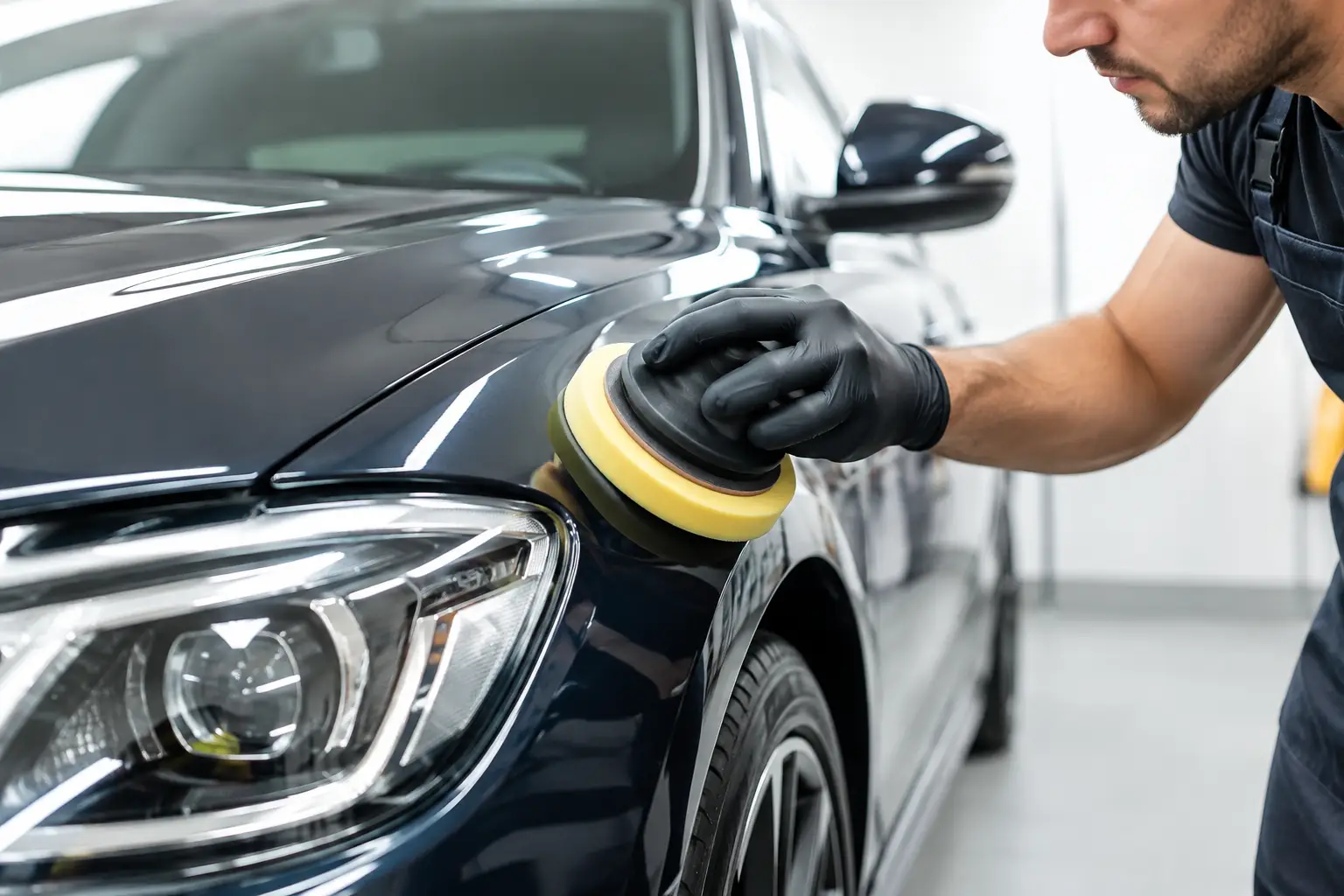
Paint correction is a machine-polishing process that improves defects in the clear coat, the transparent protective layer over your vehicle’s color. Depending on the vehicle’s condition and the selected service, a technician may use a single-stage polish to improve gloss and reduce lighter swirls or a multi-stage correction to address heavier scratches, oxidation, water-spot etching, and more visible paint imperfections.
Unlike a glaze or filler-heavy product that can temporarily hide defects, true correction levels the surface around a scratch or swirl mark. When that defect is removed rather than covered, it does not simply return after the next wash. The paint has been refined.
That distinction matters. A corrected panel can remain free of those original swirls for years. However, the vehicle can collect entirely new wash marks, scratches, and environmental damage the moment it returns to regular use. Paint correction restores the finish that is there. It cannot make clear coat invincible.
How Long Does Paint Correction Last?
For a well-maintained vehicle, the visual improvement from paint correction can last several years. The exact timeline depends less on a calendar and more on how the vehicle is driven, stored, washed, and protected.
A garage-kept weekend vehicle that receives careful hand washing may hold its corrected appearance for a very long time. A daily-driven SUV parked outside, taken through automatic car washes, and exposed to winter road treatments will develop new defects much sooner. The correction did not fail in either case. The paint simply experienced different conditions after the service.
Colorado presents a particularly demanding environment for automotive paint. Strong UV exposure, rapid weather changes, windblown dust, snow, de-icing materials, and road grime can all reduce gloss and increase surface contamination. A properly corrected finish still benefits greatly from ongoing protection and professional maintenance.
The Difference Between Correction and Protection
Paint correction improves the paint. Protection helps preserve that improvement.
After correction, a quality ceramic coating can create a durable protective layer that helps repel water, reduce the grip of dirt and grime, and make routine washing easier. It also provides valuable resistance against UV exposure and chemical contaminants. A coating does not prevent every scratch or rock chip, but it reduces the day-to-day abuse that can quickly dull an unprotected finish.
Traditional waxes and paint sealants can also add gloss and short-term protection, though they typically require more frequent reapplication than a professional ceramic coating. The right option depends on how the vehicle is used, how often it is washed, and how much long-term maintenance the owner prefers.
What Determines How Long Paint Correction Results Last?
The biggest factor is wash technique. Many vehicles pick up most of their swirl marks during washing and drying, not while driving. Dirty brushes, tunnel-car-wash equipment, old towels, and aggressive wiping can all drag abrasive debris across the clear coat.
A careful hand wash uses clean tools, quality microfiber towels, proper lubrication, and a method that removes loose dirt before contacting the paint. This approach takes more care, but it greatly reduces the chance of reintroducing the fine scratches that correction removed.
Storage is another major factor. Parking in a garage limits UV exposure, tree sap, bird droppings, pollen, and airborne fallout. Outdoor parking is not a reason to skip correction, especially when a vehicle’s appearance and resale value matter. It simply makes protection and consistent maintenance more important.
Driving conditions also play a role. Trucks and SUVs that see construction zones, mountain trips, gravel roads, or winter commuting will face more contamination than a lightly used sedan. Road salt and brine should be washed away promptly, particularly from lower panels, wheel wells, and behind the wheels. Letting these contaminants sit can stain, etch, or degrade the finish over time.
Finally, paint condition before correction matters. A newer vehicle with light wash marring may only need a refining polish. An older daily driver with deep swirls and oxidation may need a more involved multi-stage service. Professional technicians measure and evaluate paint carefully because correction removes a very small amount of clear coat. The goal is meaningful improvement while preserving as much healthy paint as possible.
Can Paint Correction Be Done More Than Once?
Yes, but it should not be treated like routine oil service. Every correction removes a controlled amount of clear coat, so the safest long-term strategy is to correct the paint properly once, protect it, and maintain it well.
Light polishing may be appropriate in the future to restore gloss or address new wash marring. Heavier correction should be approached with more caution, especially on older vehicles, repainted panels, or paint with a history of repeated polishing. A professional inspection can determine whether the paint can safely support additional refinement and which approach makes sense.
This is one reason professional work matters. An aggressive polish can create short-term shine while unnecessarily reducing clear-coat thickness. Precision, paint measurement, product selection, and technician experience protect both the appearance of the vehicle and the longevity of its finish.
How to Keep Corrected Paint Looking Better for Longer
The most practical step is to avoid brush-style automatic car washes whenever possible. They are fast, but their brushes can carry grit from vehicle to vehicle and leave behind circular wash marks. Touchless washes are generally gentler on the paint, although they may not clean as thoroughly as a careful hand wash and can rely on stronger chemicals.
Wash bird droppings, tree sap, bug residue, and winter road film off as soon as reasonably possible. These substances can bond to or etch into unprotected paint, particularly under strong sun. If the surface is dusty, do not dry-wipe it with a towel. Rinsing or using a safe detail spray first helps prevent scratching.
Use fresh, high-quality microfiber towels for drying, and keep wash tools clean. A vehicle with a ceramic coating will be easier to wash, but the coating still needs proper techniques to perform at its best. Periodic decontamination and professional maintenance can also help remove embedded fallout and restore the slick, glossy feel of the finish without unnecessary polishing.
For vehicles that work hard, regular exterior detailing is often the best bridge between a major correction service and long-term paint preservation. It removes contaminants before they become a bigger problem and gives a trained eye the chance to spot concerns early.
Is Paint Correction Worth It for a Daily Driver?
For many daily drivers, absolutely. The value is not limited to show cars and luxury vehicles. A corrected finish makes a family SUV, work truck, or commuter sedan look cleaner and better cared for every time the sun hits it. It can also improve the vehicle’s presentation when it is time to trade in or sell.
The realistic expectation is not that a daily driver will remain flawless forever. The goal is to start with a substantially better finish, protect it intelligently, and avoid the preventable damage that causes paint to look neglected. Even a single-stage correction can provide a noticeable upgrade when a vehicle is dull from light swirls and repeated car-wash use.
For deeper defects, a multi-stage correction paired with ceramic protection delivers the strongest long-term visual improvement. FB Mobile Auto Detailing & Coating can assess the paint at your home or workplace and recommend the level of correction and protection that fits the vehicle’s condition and your maintenance goals.
A corrected vehicle does not need to live under a cover to stay impressive. It needs thoughtful care: safe washing, timely removal of contaminants, and protection suited to how you actually drive. That is how a one-time restoration continues to look like a smart investment long after the polishing work is complete.
We Proudly serve the following cities and surrounding neighborhoods : Aurora , Cherry Hills Village, Greenwood Village, Castle Pines, Lone Tree, Castle Rock, Highlands Ranch, Centennial ,Parker ,Louisville ,Superior.


