
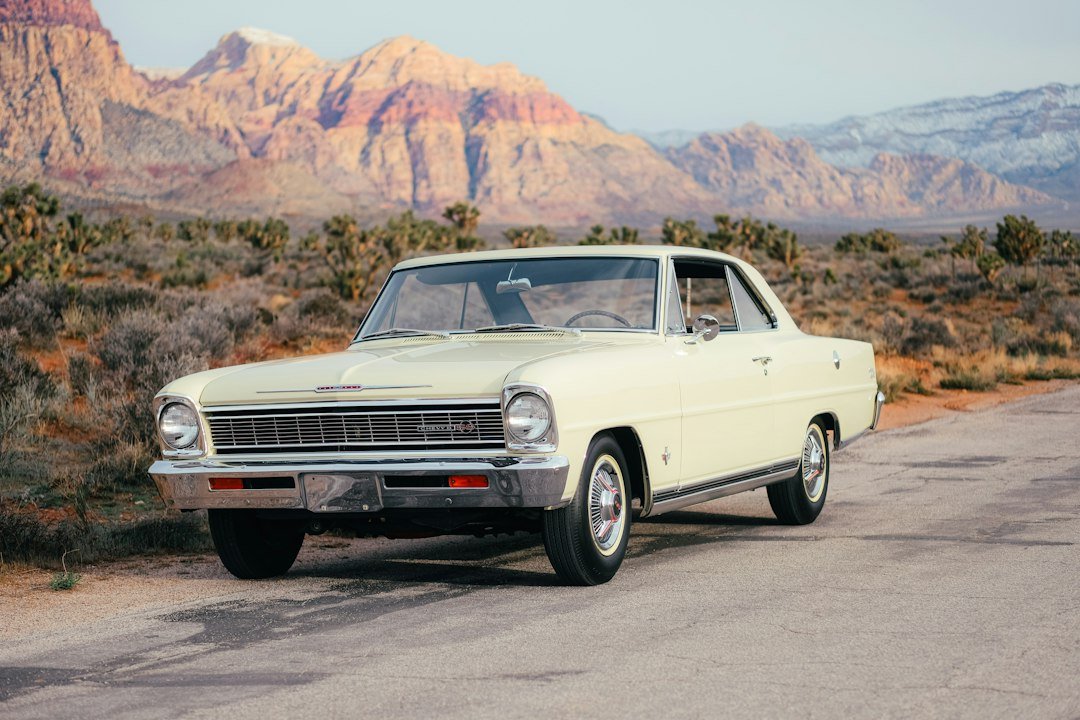
Classic Car Detailing in Denver — What Separates a Safe Specialist from a Risky Generalist
If you own a classic car in Denver, you are dealing with one of the harshest environments in the continental United States. UV intensity increases by approximately 8 to 10 per cent for every 1,000 feet of elevation gain, meaning Denver vehicles receive roughly 40 to 50 per cent more UV exposure than vehicles in sea-level cities. Factor in magnesium chloride on winter roads, freeze-thaw cycles, and over 300 days of annual sunshine, and that original lacquer or single-stage enamel on your 1967 Mustang or 1955 Chevrolet Bel Air is under constant assault.
The temptation, then, is to book whoever is available. That is where things go wrong. One wrong product or aggressive technique can strip original paint, crack irreplaceable leather, or damage chrome that has been perfect for decades. I have seen it happen, and the results are heartbreaking because the damage is permanent. This guide explains exactly what separates a true classic car detailing specialist from a generalist who is likely to cause harm, so you can make a confident, informed decision before anyone touches your vehicle.
Key Takeaways
-
Classic paint requires a completely different product set: Most modern detailing products are built for base coat and clear coat systems, and the wrong one can dull vintage single-stage paint in a single session. Always confirm your detailer knows the difference before they open a bottle.
-
Denver’s environment makes the stakes higher: Denver at 5,280 feet receives up to 25 per cent more UV radiation than sea-level cities, accelerating paint oxidation on already-fragile vintage finishes. If your classic sits unprotected, it ages faster here than almost anywhere else in the country.
-
Over-polishing is irreversible: Over-polishing can be disastrous for classic car finishes because many vintage vehicles have thinner paint layers, and excessive polishing can wear through the finish entirely. Therefore, any detailer working on your classic must use a paint thickness gauge before picking up a machine polisher.
-
Resale value is directly on the line: According to industry resale research from AutoCosmetics, the gap between excellent and average condition represents 10 to 20 per cent of vehicle value. For a classic worth $80,000, that is up to $16,000 riding on each detailing decision.
-
Mobile detailing eliminates one hidden risk: Mobile detailing brings professional care to your location, eliminating transportation risks for valuable classics. Every mile on a trailer is a mile of risk.
Quick-Start Prioritization Framework
| Situation | Recommended Approach | Effort Level | Time to Results |
|---|---|---|---|
| Garage-kept, lightly dusty, original paint | Maintenance detail, gentle hand wash, carnauba wax | Low | 1 day |
| Dull or oxidized single-stage paint | Specialist polish assessment + light correction only | Medium | 1 to 2 days |
| Post-winter road salt and contaminant removal | Full decontamination wash + sealant | Medium | 1 day |
| Prep for a show or sale | Full specialist detail with paint depth check first | High | 2 to 3 days |
| Any machine polishing or correction work | Specialist only, paint thickness measurement required | High | Varies |
Start here if you are:
-
A first-time classic car owner: Book a maintenance detail only. Have the paint assessed before agreeing to any correction work. A trustworthy specialist will recommend the gentler path when in doubt.
-
Preparing for a show or auction: Engage a specialist with documented experience on your specific era of vehicle and request before-and-after paint thickness readings.
-
Concerned about Denver’s winter damage: Prioritize a full decontamination wash after the season ends, targeting magnesium chloride residue on the undercarriage and lower panels before it continues corroding metal.
Why Classic Car Paint Plays by Different Rules
The Single-Stage Problem
This is the most important thing to understand. Most classics feature single-stage paint without the protective clear coat found on modern vehicles, making them far more susceptible to oxidation, fading, and damage from harsh chemicals. When a generalist arrives with products designed for a 2024 pickup truck, they are applying chemistry to a surface that behaves in a completely different way.
Classic cars often have single-stage paint, which lacks the clear coat protection found on modern vehicles. This means that the paint is more prone to oxidation and fading. The absence of a separate clear coat layer also means that every pass of a polish pad removes actual color pigment, not just a sacrificial protective layer. There is no buffer. The color itself is what gets thinned.
A good specialist tests this immediately. A product that is fine on a new car can strip color onto your towel on a classic. If your applicator turns the color of the car, you are working on single-stage paint, and you need to go gentle. Any detailer who does not check for this before starting work is a detailer to avoid.
The Material Sensitivity Factor
The risks extend beyond paint. Classic and vintage cars often incorporate materials no longer commonplace in modern automotive production. Leather seats might be natural hide without modern protective coatings, metal trim could be more prone to corrosion, and lacquers or single-stage paints might degrade faster under UV rays.
Modern silicone-based products can actually dry out and crack older leather, so avoid anything not explicitly designed for vintage materials. I have watched a generalist apply a modern interior dressing to original 1960s leather and cause visible cracking within weeks. The products that are brilliant for synthetic materials in a modern SUV are genuinely destructive on aged hide.
Pro Tip: Before any detailer opens a product on your classic, ask them to identify your vehicle’s paint type and what test they will run to confirm it. A specialist will immediately describe checking for single-stage paint by observing color transfer on a test towel. A generalist will look blank.
Denver’s Climate Makes Every Detailing Decision More Consequential
UV Oxidation at Altitude
Denver’s location creates a unique threat to classic car finishes. Compared to a city at sea level Denver receives roughly 20 to 25 per cent more UV radiation on an average day. Compounded over three to five years of daily sun exposure, the difference is significant. A headlight lens that might stay clear for seven to eight years in a coastal city can be noticeably oxidized in three to four years in Denver.
The same acceleration applies to vintage paint, which has no modern UV-inhibiting clear coat to slow the process. Increased ultraviolet exposure accelerates paint degradation, causing colors to fade faster and protective resins to break down more quickly. Fading and chalking occur more rapidly in Denver than in many other regions due to the intense UV exposure at high altitude.
This means your classic needs protective wax or sealant applied more regularly than collectors in lower-altitude states. It also means that UV damage on oxidized paint requires careful correction rather than aggressive compounding. The correct action: after any detail, ask your specialist what protection level was applied and confirm it carries UV-blocking properties appropriate for altitude.
The Magnesium Chloride Threat
Winter in Denver brings a chemical threat that most classic car owners underestimate. From October through March Denver-area roads get blanketed in road salt, magnesium chloride, and sand, and all of it ends up on your car. The Colorado Department of Transportation (CDOT) confirms that liquid anti-icer and de-icer residue should be removed from vehicles with soap and water following winter weather storms.
Despite its advantages on the road, liquid magnesium chloride is one of the worst chemicals for a car’s exterior and mechanical components. For a classic car where paint chips may expose raw metal beneath aged primer, the risk is especially serious. Even the smallest chip in your paint job is all it takes for the liquid to seep beneath the finish and cause real rust damage.
A classic car detailing specialist in Denver understands this seasonal rhythm. They will recommend a thorough decontamination wash after winter, paying close attention to lower panels, wheel wells, and the undercarriage, areas where corrosive residue accumulates and lingers long after the last snowfall.

What a Genuine Classic Car Specialist Looks Like
The Tools They Carry
A specialist brings equipment that a generalist typically does not own. Before any paint correction or ceramic coating, a professional detailer reaches for a paint thickness gauge. That number, in microns or mils, determines what is possible, what is safe, and what the car has already been through.
Using a paint thickness gauge gives a professional detailer credibility and also acts as an insurance against break-through of a clear coat, which would entail a re-paint. On a classic car with single-stage paint, this is even more critical. In a worst-case scenario with a single-stage paint process, buffing down to the primer may result in a costly trip to the paint booth. On an irreplaceable original finish, that is an outcome no amount of money can fully correct.
Beyond the gauge, look for a specialist who uses a dual-action orbital polisher when correction work is needed, never a rotary. Machine polishing on vintage paint requires a DA polisher, a finishing pad, and real prior experience. Rotary polishers have no place on a classic.
The Questions They Ask Before Starting
A trustworthy specialist asks questions before they touch anything. According to Hagerty’s classic car detailing guide, you should ask a prospective detailer whether they have worked on classic or vintage vehicles before and whether they are familiar with your car’s specific make, model, and year. A good classic car detailer also understands when hand techniques are the safer option.
Certification demonstrates that a detailer has the necessary knowledge on chemical use, proper care for different materials, and what to avoid. Ask about the products and techniques they use, whether for general cleaning or more specific jobs. You want to ensure the detailer uses high-quality, safe, and effective products that will not damage your car’s surface or interior.
Pro Tip: Ask to see before-and-after photos of previous classic car work specifically. Photos of modern vehicles are not evidence of classic car competence. The materials, products, and techniques required are genuinely different disciplines.
How They Handle Correction Work
When paint is too thin for aggressive correction but the paint is too thin to aggressively compound or polish to remove all defects, the specialist needs to have the right business sense to explain that there is too much risk and opt for a 90 per cent removal or a “so much better” end result.
That willingness to hold back is the mark of a professional. A generalist chasing a glossy finish may push too far. It is possible for detailers to burn the paint, over-thin clear coats, and sand too much, leaving the client’s car in shinier and glossier condition but in a premature clear coat failure state. On a classic, the same mistake leaves you with no clear coat to fail; it simply leaves you with less original paint than you started with.
Common Mistakes Generalists Make on Classic Cars
Wrong Products, Real Damage
The biggest mistake is treating a classic car like a modern vehicle. Products formulated for contemporary clear coats, synthetic leathers, and durable plastics can devastate vintage materials.
The specific damage this causes includes:
-
Stripped protective wax from dish soap or high-alkaline shampoos, leaving paint exposed to Denver’s UV
-
Cracked or dried-out original leather from silicone-based modern conditioners
-
Chrome dulled or stained by acidic or abrasive wheel cleaners
-
Single-stage paint stripped of pigment by high-cut modern compounds
Using harsh or abrasive products on a classic car’s exterior may be effective for removing grime in other situations, but they can strip off paint or damage delicate chrome and trim pieces on vintage vehicles.
Automated Car Washes
This one is non-negotiable. For classic cars, automated brush car washes are almost universally discouraged. Even soft-touch washes can risk swirl marks or paint chipping on fragile finishes. A mobile detailing service eliminates this risk entirely by bringing hand-washing directly to your location.
Pro Tip: If a detailer suggests a touchless automated wash as part of their service for your classic, end the conversation there. Even touchless systems use chemicals that can be damaging to vintage finishes, and Nathan’s Detailing Classic Car Guide advises avoiding them entirely.
Skipping the Paint Assessment
Owners are sometimes tempted to choose aggressive paint correction for dull or oxidised finishes, but that can be risky on classics. Many older vehicles have single-stage paint with no clear coat, thinner paint layers, and previous resprays of unknown thickness.
Instead, a gentle correction approach is safer. This usually means paint thickness checks, test spots first, and light polishing only. A generalist who skips straight to compounding is gambling with your vehicle’s originality.

This real-world restoration of a neglected Ferrari illustrates precisely the kind of irreversible damage that can result when classic paintwork and delicate surfaces are handled without the appropriate care and expertise.
Why Mobile Detailing in Denver Is the Right Choice for Classics
For a classic car owner, the mobile detailing model offers one specific advantage that is easy to overlook: your vehicle stays where it is safe. Every time a classic car is trailered or driven to a shop, that is an additional exposure to Denver’s roads and unpredictable Colorado weather. Mobile detailing removes that risk entirely.
One of the standout benefits of mobile detailing is the personalized approach. Whether it is a classic car with unique finishes or a modern vehicle with advanced paint protection, the mobile detailer can tailor their cleaning process to ensure that your vehicle receives the precise care it requires.
FB Mobile Auto Detailing brings this specialist approach directly to Denver classic car owners, handling everything from post-winter decontamination washes to careful paint assessment, without requiring you to move your vehicle. That matters when the vehicle in your garage is worth protecting.
The Colorado Department of Transportation advises removing all winter road treatment residue with soap and water after storms. For a classic, that wash needs to be done with the right chemistry, not whatever is in a bucket at a local shop. Mobile detailing in Denver means you control who handles your vehicle and exactly what they use.
Frequently Asked Questions
Does a classic car need a different type of wax than a modern car?
Yes, definitively. Carnauba wax is an excellent choice for classic cars because it provides a deep, glossy finish that enhances the natural beauty of the paint. Modern synthetic polymer sealants are formulated to bond with clear coat chemistry, which classic single-stage paint does not have. Always use a wax or sealant confirmed as safe for vintage single-stage finishes, and ask your detailer to name the specific product they intend to use before they apply anything.
How often should a classic car in Denver be detailed?
If your car is driven regularly and spends time outside the garage, washing it every couple of weeks should be considered the bare minimum. For owners in colder climates where salt and sand are common on the roads, a weekly wash is a smart move. These materials can do real damage if they are allowed to sit on paint, chrome, or trim. For classic cars that are mostly stored, a maintenance detail two to four times per year is typically sufficient, with a more thorough inspection each spring after the magnesium chloride season.
Can a detailer damage my classic car’s original paint permanently?
Once a technician removes too much material through aggressive polishing, the car’s historical integrity is permanently compromised. Entrusting these delicate surfaces to an inexperienced detailer who lacks knowledge of vintage chemistry often leads to irreversible damage. This is precisely why choosing a specialist rather than a generalist is so critical for a classic. The damage from one incorrect session cannot be undone.
Does professional detailing affect my classic car’s resale value?
Cars with fully documented histories and maintenance records command 20 to 30 per cent higher resale prices. Proper specialist detailing also preserves the originality that collectors prize. Modifications, while they might improve performance or aesthetics according to modern tastes, can significantly decrease a classic car’s value. Collectors and purists want a car that is a true representation of its era, and reverting a modified car back to its original specifications can be a costly and difficult process. Preserving original paint through careful detailing is the same philosophy applied to surface care.
What red flags should I watch for when hiring a classic car detailer?
Watch for anyone who cannot name the paint type on your vehicle, recommends an automated wash, reaches for a rotary polisher without first taking paint thickness measurements, or answers questions about their products vaguely. A lack of clear service descriptions or vague answers to questions is a core red flag. A genuine specialist will confidently describe every product they intend to use, explain why it is safe for vintage finishes, and show you documented experience with vehicles from your car’s era.
Sources
-
Classic Car Detailing Tips for Care and Protection, Nathan’s Detailing. Specialist care guidance for vintage vehicles. https://nathansdetailing.com/detailing-for-classic-cars-special-considerations-tips/
-
Best Car Detailing Products for Classic Cars, Bahama Detailing. Product safety guidance for single-stage paint. https://bahamadetailing.com/blogs/detail-lab/best-car-detailing-products-for-classic-cars-what-actually-works-on-vintage-paint
-
Detailing vs Paint Correction, Detailed Image. Expert analysis of correction risks on vintage paint. When paint is too thin for aggressive correction
-
Which Detailing Package Is Best for Classic Cars?, Veteran Detail. Guidance on correction approaches for vintage vehicles. https://www.veterandetail.com/which-detailing-package-is-best-for-classic-cars
-
Classic Car Paint Correction Guide, Grand Prix Cafe. Preservation vs. correction analysis for investment-grade classics. https://www.grandprixcafe.com/post/classic-car-paint-correction-in-east-hampton-a-guide-to-automotive-preservation
-
Car Interior Protection Denver, Extreme Auto Works. UV intensity data for Denver vehicles. https://extremeaw.com/interior-protection/
-
Why Denver and Colorado Drivers Have the Worst Headlight Oxidation, Headlight Boost. Altitude and UV exposure data for Denver. https://headlightboost.com/blog/why-denver-colorado-headlights-oxidize-faster/
-
Denver’s Climate Effects on Paint, Harmony Painting Denver. UV and altitude paint degradation analysis. https://harmonypaintingdenver.com/denvers-climate-effects-on-paint-expert-guide-from-harmony-painting/
-
Winter Maintenance FAQ, Colorado Department of Transportation (CDOT). Official guidance on de-icing chemical use on Colorado roads. https://www.codot.gov/travel/winter-driving/maintenance-faq
-
Spring Detail Checklist for Denver Cars, Black Diamonds Detailing. Magnesium chloride and winter road salt guidance for Denver vehicles. https://www.blackdiamondsdetailing.com/post/spring-detail-checklist-denver-colorado
-
How to Use Paint Thickness Gauges for Automotive Detailing, DeFelsko. Technical guidance on paint measurement before correction. https://www.defelsko.com/resources/how-to-use-paint-thickness-gauges-for-better-automotive-detailing
-
Paint Thickness Gauge, What the Numbers Mean, Gilroy Blackout. Clear coat depth and correction safety ranges. https://gilroyblackout.com/blog/paint-thickness-gauge-what-numbers-mean/
-
Classic Car Detailing, Everything You Need to Know, Hagerty. Authoritative specialist hiring guidance for classic car owners. https://www.hagerty.com/resources/car-maintenance/classic-car-detailing-everything-you-need-to-know
-
7 Factors That Affect the Value of Your Classic Car, Driven Racing Oil. Originality and documentation impact on classic car values. https://www.drivenracingoil.com/blogs/news/7-factors-that-affect-the-value-of-your-classic-car
-
Choosing the Right Detailing Professional, Scholar Academies. Red flags and questions to ask before hiring a detailer. https://www.scholaracademies.org/choosing-the-right-detailing-professional-red-flags-to-avoid-and-questions-to-ask-before-hiring-a-car-care-service/
-
Is Mobile Detailing Worth It?, Rick’s Reflections. Benefits of personalised mobile care for specialty vehicles. https://ricksreflections.com/is-mobile-detailing-worth-it-benefits-cost-and-expert-opinions/
-
How Vehicle Protection Increases Resale Value, AutoCosmetics. Research on condition-based resale value differences. https://www.autocosmetics.org/blog/how-detailing-your-car-can-help-increase-the-resale-value
-
Classic Car Investment: Buying, Selling and Maximising Value, Speeding Springs. Documentation and maintenance records impact on classic car pricing. https://speedingspringstx.com/classic-car-investment-buying-selling-maximizing-value/
- We Proudly serve the following cities and surrounding neighborhoods : Aurora , Cherry Hills Village, Greenwood Village, Castle Pines, Lone Tree, Castle Rock, Highlands Ranch, Centennial ,Parker ,Louisville ,Superior.


