
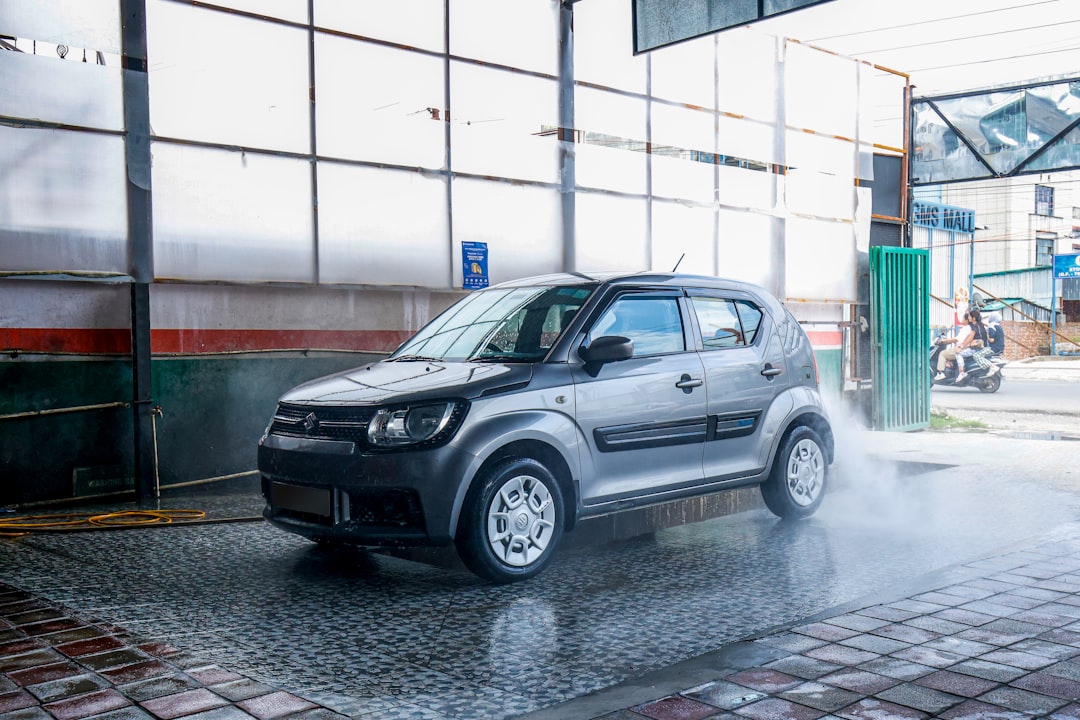
Full Detail vs Quick Wash — Which One Does Your Car Actually Need?
If you have ever pulled out of a drive-through car wash and thought, “That still does not look quite right,” you are not imagining things. A quick wash and a full car detail are two very different services, and confusing the two can quietly cost you money over time. I have seen it happen to daily drivers all across Colorado, vehicles that got washed every fortnight but never detailed, only to face hundreds of dollars in paint correction work that could have been avoided.
This guide is for anyone trying to figure out whether a $15 tunnel wash is doing the job, or whether it is time to invest in a full professional detail. The honest answer is: you probably need both, just at very different intervals.

Key Takeaways
-
A quick wash removes surface dirt; a full detail removes embedded contamination and adds lasting protection. According to Yelp’s car wash cost guide, a basic wash takes 10-20 minutes, whereas a professional detail can take a team of pros several hours, the time difference reflects a genuine difference in depth of service.
-
Colorado’s climate makes detailing a maintenance necessity, not a luxury. Yoder Collision Network’s climate analysis confirms that Colorado vehicles face high-altitude UV rays, hailstorms, and freeze-thaw cycles that put immense stress on paint, therefore, a detail with protective sealant every 3-6 months is your shield.
-
Regular detailing can increase your resale value by up to 15%. Parle Magazine’s 2026 detailing report notes that cars with a documented detailing history can command up to 15% higher resale prices, meaning a $200 detail on a $20,000 car could return $3,000 at sale time.
-
Tunnel washes carry a real risk of paint damage over time. AutoZone explains that repeated visits to brush-type tunnel washes create swirl marks that look like spider webs in sunlight, therefore, use them sparingly and follow up with a proper hand wash or detail.
-
Most daily drivers should detail every 3-6 months and wash every 2-3 weeks. The Mobile Detailing Expert’s seasonal schedule recommends a full detail every 4-6 months with a quick wash in between, stick to that cadence and your paint and interior stay protected without overspending.
Quick-Start Prioritisation Framework
| Service | Best For | Cost Range | Time Required | Protection Duration |
|---|---|---|---|---|
| Drive-through / tunnel wash | Removing light surface dust between details | $10, $25 | 10-20 min | 1-3 days |
| Hand wash (self or professional) | Gentle surface clean without swirl risk | $20, $40 | 30-60 min | 3-7 days |
| Interior-only detail | Spills, odours, stained upholstery | $75, $150 | 1.5-3 hrs | 3-6 months |
| Exterior-only detail | Paint decontamination, swirl correction | $100, $200 | 2-4 hrs | 3-6 months |
| Full detail (interior + exterior) | Complete restoration and protection | $150, $400+ | 4-8 hrs | 4-6 months |
| Full detail + ceramic coating | Maximum long-term paint protection | $400, $1,000+ | 1-2 days | 1-5 years |
Start here if you are:
-
A daily commuter in Colorado: Book a full detail every 3-4 months. Black Diamonds Detailing’s Denver driver guide highlights that Denver drivers deal with high UV in summer and road salt in winter, meaning quarterly protection is the sensible minimum.
-
A weekend-only driver with garage storage: A full detail twice a year and a hand wash every 2-3 weeks is sufficient, as confirmed by Top Detailers’ frequency guide.
-
Preparing to sell your vehicle: Book a full detail before listing. Gleam Works Ceramic’s resale research finds that a well-detailed vehicle can attract higher offers and sell faster than a similar vehicle in average condition.
What a Quick Wash Actually Does (and Does Not Do)
The Case For Regular Washing
A quick wash has a clear and legitimate role in your car care routine. A car wash removes loose surface dirt from your paint, whether through an automatic tunnel or a self-serve bay with high-pressure water. Done regularly, it prevents the kind of grime buildup that makes your next professional detail harder and more expensive. AAA recommends washing a car every one to three weeks, with waxing two to four times a year. If you follow that cadence between full details, you are doing the right thing.
The good news is that a regular wash does not need to be elaborate. If the vehicle just needs the visible dirt knocked off between details, a wash does that job for a fraction of the price, mid-winter rinses to remove salt are genuinely worth doing every couple of weeks, and no detailer would tell you otherwise.
The Hidden Downside of Tunnel Washes
Here is where things get nuanced. Not all washes are equally gentle on your paint. Some automatic car washes can cause fine scratches, known as swirl marks, especially if they are poorly maintained or use abrasive materials. The brushes in tunnel washes are used on hundreds of vehicles every day, and all of that accumulated debris gets spun across your paint at high speed. Over time, repeated visits create swirl marks that look like spider webs in the paint when the sun hits it.
In Colorado specifically, the risk compounds. Tunnel wash recycled water contains accumulated grit from previous vehicles, including brake dust, road sand, and dried salt crystals. Soft-touch brushes trap these particles, and when pressed against your paint at high speed, they act as abrasives creating micro-scratches. If swirl marks become dense across every panel, professional paint correction is the only fix, and that costs far more than the washes that caused the damage.
Pro Tip: If you rely on a tunnel wash between details, choose a touchless option whenever possible. Hogwash Car Wash’s paint protection guide notes that touchless systems rely on pressure and detergents rather than physical contact, reducing friction risk on your clear coat.
Pros:
-
Fast and inexpensive ($10-$25)
-
Accessible with no scheduling needed
-
Good for removing light dust between professional visits
-
Prevents heavy grime buildup that makes details harder
Cons:
-
Does not remove embedded contaminants, tar, or brake dust
-
Brush-type tunnels carry a real swirl-mark risk
-
Applies no lasting protective coating to paint
-
Does not touch the interior
-
Spray-on “wax” at wash tunnels typically lasts only a few days
The following walkthrough demonstrates what a thorough quick wash actually involves in practice, including the tools and techniques that make it possible within a tight timeframe.
What a Full Car Detail Actually Does
The Exterior Process
A full car detail shares almost no steps with a drive-through wash beyond rinsing water off the paint. Detailing takes hours because it does real work: decontaminating paint, polishing out swirls, shampooing carpets, extracting stains, and sealing the finish so it stays clean longer.
On the exterior, a standard breakdown includes hand washing with bug and tar removal, clay bar treatment and drying with microfiber towels, paint protection via wax, sealant, or ceramic coating, polishing or paint correction to buff out swirl marks, and tyre and wheel degreasing with tyre shine applied. That is a multi-stage process that physically removes bonded contamination from the surface of your paint rather than simply rinsing loose dirt off the top.
The Interior Process
The interior work in a full detail is equally thorough. Interior detailing encompasses vacuuming the seats, carpets, and every corner of the cabin space with the goal of eliminating every speck of dust and debris. Carpets are given extra attention using methods like hot water extraction for deep cleaning, and leather surfaces may be conditioned, with pet hair and lingering odours specifically addressed.
In Colorado, this interior protection matters beyond just aesthetics. UV rays can cause upholstery to fade, crack, or dry out, and professional detailing includes interior protection treatments that block harmful rays from damaging your seats, dashboard, and other surfaces. At Colorado’s altitude, that UV exposure is more intense than most drivers realise.
How Long Does a Full Detail Take and What Does It Cost?
A professional full detail typically takes 4-8 hours depending on vehicle size, condition, and service level. A basic car wash costs about $10 to $40 and takes 10 to 20 minutes, while a professional detail costs roughly $149 to $399-plus and takes two to six hours. That cost difference reflects genuine skilled labour and premium products, and, as I will explain below, it pays back in resale value.

Pros:
-
Removes embedded contaminants a wash cannot touch
-
Applies lasting paint protection (wax, sealant, or ceramic coating)
-
Deep cleans and protects the interior including carpets and leather
-
Corrects swirl marks and minor paint imperfections
-
Demonstrably boosts resale value
-
Results typically last 3-6 months with proper maintenance washing
Cons:
-
Higher upfront cost ($150 to $400+)
-
Requires scheduling time (4-8 hours of service)
-
Needs to be followed by regular maintenance washes to preserve results
The Colorado Factor: Why Weather Makes Detailing Essential
I have spoken with enough Colorado car owners to know that the local climate is one of the most aggressive environments a vehicle can face. In Colorado, vehicles face a constant battle against extreme weather conditions. The state’s unique combination of high altitude, powerful UV rays, low humidity, hailstorms, snow, and freeze-thaw cycles puts immense stress on a vehicle’s exterior, leading to paint fading, chipping, and rust formation.
The winter season is particularly harsh. Denver drivers deal with extreme weather changes that take a toll on paint and interior. During summer, high UV rays and dry air fade paint, dry out leather, and crack plastic trims. In winter, road salt and magnesium chloride eat away at the vehicle’s clear coat and undercarriage. A detail with a proper sealant applied before winter creates a chemical barrier between your paint and that corrosive cocktail.
The right seasonal approach, according to Steve’s Detailing’s Colorado maintenance schedule, is a thorough post-winter detail in spring to address embedded road chemicals, followed by a UV-focused mid-summer detail to protect against the intense high-altitude sunshine. For vehicles in Colorado professional detailing every 3-6 months is recommended due to the unique climate conditions.
Pro Tip: Do not skip the rinse after a snowstorm. Steve’s Detailing advises hand washes every two weeks during winter, or after any major storm, to remove magnesium chloride buildup from wheel wells and the undercarriage before it does lasting damage.
Resale Value: The Financial Case for Detailing
One of the most compelling reasons to invest in professional detailing is the return it generates when it comes time to sell. Studies suggest that cars with a documented detailing history can command up to 15% higher resale prices compared to similar vehicles that have not been as well maintained. For a car worth $20,000, this can translate to a $3,000 premium.
Think about that figure against the cost of detailing. If you detail your car twice a year at $200 per session, you spend $400 annually. Over three years that is $1,200 spent, but you may recoup $3,000 at resale, a clear net gain, especially when Colorado’s harsh climate is actively degrading unprotected paint in the meantime.
Professional detailing will not change official market value listings, yet it can strongly influence buyer interest and negotiation results. Clean vehicles often sell faster because buyers feel more confident about overall care history. In a competitive used-car market, that speed advantage alone has real value.
Pro Tip: Book your full detail before listing a vehicle for sale, not after several viewings have already gone flat. This Day Live’s detailing resale analysis notes that detailing right before listing creates the strongest visual impact because surfaces remain clean during buyer inspections and photography.

FB Mobile Auto Detailing: Best Overall for Colorado Daily Drivers
Editor’s Pick, Best for Colorado Daily Drivers Who Want Doorstep Convenience
When it comes to matching a service to the actual needs of a Colorado driver, high UV summers, salty winters, and a busy schedule, FB Mobile Auto Detailing stands apart as the most practical choice for getting your vehicle properly protected without the hassle of dropping it off at a shop.
FB Mobile Auto Detailing comes directly to your home or workplace, which matters enormously when you are trying to maintain a 3-4 month detail schedule through Colorado’s unpredictable seasons. Mobile detailing eliminates the need to drop off your car and wait. Most services are completed within a couple of hours and can be scheduled at a time that works best for you, even during work hours or on weekends. For a Colorado driver juggling a commute, kids, and a calendar that does not slow down in winter, that convenience is genuine.
The team delivers a full detail process, including hand washing, clay bar decontamination, paint sealant application, interior deep clean, and leather conditioning, at your driveway. Technicians bring their own power water, and equipment, ensuring a completely self-sufficient experience. You do not need to prepare anything or arrange alternative transport.
What makes FB Mobile Auto Detailing particularly well-suited to this market is their focus on protective coatings in a climate that demands them. One of the most effective ways to protect a car’s paint from the harsh Colorado elements is by applying Paint Protection Film or ceramic coating, which creates a barrier that shields the paint from dirt, debris, and UV damage. This is the kind of service that genuinely earns its price tag in Colorado.
Visit www.fbdetailingandcoating.com to book a service or to ask about the right package for your vehicle’s current condition.
Frequently Asked Questions
How often should I get a full car detail versus a regular wash?
Most drivers should get a full detail every 4 to 6 months, with a quick wash every 2 to 3 weeks in between. That cadence keeps paint protected and the interior fresh without overspending. If you drive daily in Colorado and park outdoors, shift that to every 3-4 months, as the UV, road salt, and temperature swings accelerate paint degradation.
Does a car wash damage my paint over time?
Touchless washes pose minimal risk, but brush-type tunnels do carry a genuine long-term concern. Drive-thru car washes use abrasive brushes and harsh chemicals that can leave scratches and swirl marks on your vehicle’s paint. These damages may not be immediately noticeable but accumulate over time, dulling your car’s finish. The fix, professional paint correction, costs considerably more than switching to a safer wash method now.
Is a full detail worth the cost if I am not selling the car?
Yes, for two reasons. First, professional car detailing involves cleaning, restoration, and finishing of the vehicle both inside and out to maintain and enhance appearance, performance, and resale value, providing benefits such as protecting paintwork from scratches and corrosion and improving interior hygiene. Second, in Colorado’s climate, an unprotected clear coat is actively degrading between visits, a $200 detail is far cheaper than a $500-$1,200 paint damage repair down the line, as noted by Fresh Layer’s cost comparison.
What is the difference between an exterior-only detail and a full detail?
An exterior detail focuses on paint, an interior detail focuses on the cabin, and a full detail does both. If your car is relatively clean inside but the paint has started to look dull or you can see swirl marks in sunlight, an exterior-only detail is a cost-effective starting point. If you have pets, children, or food odours in the cabin, add the interior service.
How do I maintain my car between full details?
This includes weekly exterior washes using pH-neutral soap, quick interior vacuuming, wiping down surfaces, and promptly cleaning up spills. Applying a spray wax or sealant every few weeks can also help maintain paint protection and shine between full detailing appointments. These small habits protect the work your detailer has already done and stretch the time between full sessions.
Ready to Book a Full Detail?
If you have been relying on the drive-through wash and wondering why your car never quite looks as good as it used to, that is your answer. A professional mobile detail from FB Mobile Auto Detailing brings the full process, paint decontamination, sealant protection, and deep interior cleaning, directly to your driveway. No drop-off, no waiting room, no compromise on quality.
Book your service or get a quote at www.fbdetailingandcoating.com.
Sources
-
Car Wash Cost Guide, Yelp. Pricing and service breakdown for wash types. https://www.yelp.com/costs/carwash
-
Car Detailing vs Car Wash: What You Actually Pay For (2026), Essential Auto Detailing. https://essentialautodetailing.ca/car-detailing-vs-car-wash/
-
Car Detailing vs Car Wash: What’s the Real Difference?, Golden Bay Detailing. https://goldenbaydetailing.com/blog/car-detailing-vs-car-wash
-
5-Minute Car Wash vs Full Detailing, Fresh Layer. https://www.fresh-layer.com/blog/5-minute-car-wash-vs-full-detailing
-
How Colorado’s Climate and Weather Impact Auto Paint, Yoder Collision Network. https://yodercollisionnetwork.com/auto-body-repair/how-colorados-climate-and-weather-impact-auto-paint-signs-and-repairs/
-
How Car Detailing Protects Your Paint from Colorado Weather, Heights Detailing. https://www.heightsdetailing.com/how-proper-detailing-protects-your-cars-paint-from-colorado-weather/
-
How Often Should You Detail Your Car? Seasonal Schedule, Mobile Detailing Expert. https://www.mobiledetailingexpert.com/blog/how-often-should-you-detail-your-car
-
How Often Should I Get My Car Detailed?, Black Diamonds Detailing. https://www.blackdiamondsdetailing.com/post/how-often-should-i-get-my-car-detailed
-
Best Maintenance Detailing Schedule for Colorado Drivers, Steve’s Detailing. https://www.stevesdetailing.net/best-maintenance-detailing-schedule-colorado-drivers/
-
How Regular Car Detailing Increases Your Resale Value, Parle Magazine. https://parlemag.com/2026/05/how-regular-car-detailing-increases-your-resale-value/
-
Can Professional Detailing Increase Your Car’s Resale Value?, This Day Live. https://www.thisdaylive.com/2026/02/01/can-professional-detailing-actually-increase-your-cars-resale-value/
-
Does Detailing Your Car Increase Used Car Value?, Gleam Works Ceramic. https://gleamworksceramic.ca/does-detailing-your-car-increase-used-car-value/
-
Will an Automatic Car Wash Scratch Your Car?, Auto Detail Doctor. AutoZone
-
Do Car Washes Scratch Your Car?, Hogwash Car Wash. https://www.hogwashcarwash.com/post/do-car-washes-scratch-your-car-causes-and-how-to-prevent
-
Drive-Thru Tunnel Car Washes Are Bad, One Call Detailing. https://www.onecalldetailing.com/post/drive-thru-tunnel-car-washes-bad
-
What’s Included in Car Detailing? Full Breakdown, Black Diamonds Detailing. https://www.blackdiamondsdetailing.com/post/what-is-included-in-a-car-detailing-a-complete-breakdown
-
What Does a Full Detail Include?, Eagle Star Detail. https://www.eaglestardetail.com/guides/what-does-a-full-detail-include
-
How Often Should You Detail Your Car?, Top Detailers. https://topdetailers.com/blog/how-often-should-you-detail-your-car/
-
Benefits of Mobile Car Detailing, Shine to Drive. Shine to Drive
-
Car Cleaning and Detailing Guide, AAA. https://exchange.aaa.com/wp-content/uploads/2017/05/ATU_Car_Cleaning_Detailing_External.pdf
-
What is Mobile Car Detailing?, L&M Car Detailing. https://www.lmcardetailing.com/what-is-mobile-car-detailing


