
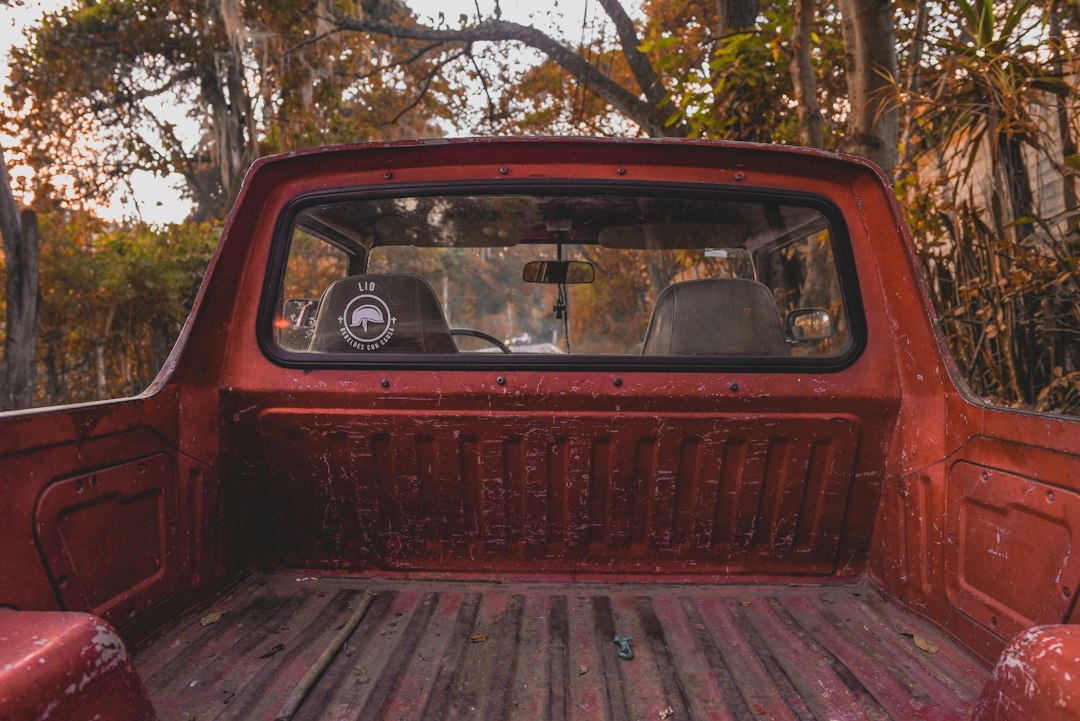
How to Detail a Truck the Right Way — Inside and Out
Trucks take a beating. Whether your rig hauls tools across Denver’s jobsites, tackles muddy mountain back roads, or just battles Colorado’s relentless weather swings every day, the damage accumulates fast. Road salt, intense high-altitude UV, hailstorms, dust, mud and freeze-thaw cycles all conspire against your paint, interior and undercarriage in ways that a basic drive-through wash simply cannot address.
The good news is that a proper detail is well within reach for any truck owner willing to put in the effort. To detail a truck the right way, the process involves starting with the interior, moving to a thorough exterior wash and decontamination, correcting the paint, and then sealing it with the right protection. Do it correctly and you protect a significant investment. In fact, industry resale data from Auto Cosmetics shows the gap between excellent and average condition at 10 to 20 percent, on a $40,000 truck, that is $4,000 to $8,000 in potential value left on the table.
This guide walks you through every step, from clearing out the cab to sealing the paint, with practical advice built specifically for the conditions trucks face here on Colorado’s Front Range.
Key Takeaways
-
Always detail the interior first: Vacuuming and scrubbing the cab generates dust and debris that can land on a freshly washed exterior, so work inside out.
-
The two-bucket wash method protects your paint: Using one bucket for soapy water and one for rinsing your mitt prevents you from dragging grit back across clear coat, which is the leading cause of swirl marks.
-
Clay bar treatment is non-negotiable after winter: Chemical Guys’ guide to road salt damage confirms that salt, brine and deicer break down clear coat and expose metal to rust, bonded contamination must be removed before any protection goes on.
-
Colorado’s UV is far more aggressive than you think: Colorado’s high-altitude sun delivers significantly more UV radiation than at sea level, accelerating paint oxidation and turning plastic trim chalky, a protectant applied after every detail is essential here, not optional.
-
Detailing increases resale value: Kelley Blue Book survey data via Autowash found that 77% of respondents believed a clean, well-maintained vehicle commands a higher price. Therefore, treat every detail session as a direct investment in your truck’s future selling price.
Quick-Start Prioritisation Framework
| Task | Best For | Effort Level | Time to Results |
|---|---|---|---|
| Interior vacuum and wipe-down | All trucks, any condition | Low | 1-2 hours |
| Two-bucket exterior wash | Weekly or bi-weekly maintenance | Low | 45-90 minutes |
| Clay bar decontamination | Post-winter or after heavy use | Medium | 1-2 hours |
| Polish and paint correction | Faded paint, swirls, oxidation | High | 2-4 hours |
| Wax or sealant application | After every wash or correction | Low | 30-60 minutes |
| Ceramic coating | Long-term protection, daily drivers | High (professional) | Days to cure |
| Bed and undercarriage clean | Work trucks and off-road rigs | Medium | 1 hour |
Start here if you are:
-
A busy daily driver: Interior vacuum plus a proper two-bucket wash gives you the most visible improvement for the least time spent.
-
Coming out of a Colorado winter: Prioritise clay bar treatment and undercarriage rinse before any paint correction or protection, because bonded salt and deicer residue must come off first.
-
Preparing to sell: Paint correction followed by a ceramic coating or sealant and a full interior detail will do more for your asking price than any other combination.
Step 1, Start Inside: Cleaning the Truck Cab
Clear It Out and Vacuum Thoroughly
According to detailing guides from Custom Wheel Offset, starting with the interior during the detailing process prevents loose dirt and grime from landing on a clean exterior once you begin vacuuming and removing floor mats. Pull everything out of the cab first, floor mats, rubbish, gear from the seat pockets and anything tucked under the seats. In my experience, this de-cluttering step alone reveals problem areas like spilled coffee under the seats or months-old mud packed into the carpet fibres.
Vacuum the floors, seats and door pockets with a crevice tool. The Rag Company’s interior detailing guide recommends using compressed air to blow debris out of air vents, seat stitching and tight gaps before collecting it, because loose grit left in place can turn into abrasive slurry once liquid cleaner is applied.
Pro Tip: Sprinkle baking soda on carpet and fabric seats before vacuuming. Let it sit for at least an hour to neutralise odours, then vacuum it up thoroughly. For persistent smells, especially common in work trucks, activated charcoal bags placed under the seats absorb odours without masking them with artificial fragrance.
Clean Seats, Dashboard and Hard Surfaces
Leather seats require a leather-safe cleaner and a conditioning step after every clean. Always spot-test any product in an inconspicuous area first. For fabric seats and carpets, an enzyme-based pre-treatment breaks down stubborn stains before you scrub and extract. Always allow the carpet to dry as quickly as possible, Arrow Truck Sales warns that leaving wet areas damp for too long can lead to mould growth.
Wipe down the dashboard, door panels and centre console with an interior cleaner and a soft microfiber cloth. Colorado’s high-altitude UV radiation causes dashboard cracking and leather fading, so applying a UV protectant to all plastic and vinyl surfaces is a critical step here, not just a cosmetic finishing touch. Clean the interior glass last, using an ammonia-free product and a microfiber cloth to avoid streaks and prevent damage to tinted glass.
This walkthrough of a heavily neglected truck interior shows the full cleaning process in practice, from removing deep-seated grime to restoring surfaces that have been left untreated for years.
Step 2, Exterior Wash: Wheels First, Paint Second
Clean the Wheels and Tyres Before You Touch the Paint
Cleaning wheels splashes grime onto bodywork, so always start here. Spray a dedicated wheel cleaner on one wheel at a time and let it dwell for a minute, do not allow it to dry on the surface. Use a wheel brush to agitate brake dust and road grime from the spokes and barrel, and a stiff-bristled brush for the tyre sidewall. Rinse thoroughly before moving to the next wheel.
Apply a dedicated tyre dressing afterwards, aiming for a clean, even finish rather than an overly shiny result that attracts dust or flings product onto your freshly cleaned paint panels.
The Two-Bucket Wash Method
Pre-rinse the entire truck with a pressure washer or garden hose to remove loose dirt and debris before making contact with the paint. This prevents scratching during the main wash. Fill one bucket with a quality car wash solution and a second bucket with clean water. Dip your microfiber wash mitt into the soapy water and wash from the top down, one panel at a time. Rinse the mitt in the clean water bucket after each panel to avoid dragging contamination back across the paint.
Trucks often show oxidation on horizontal panels like the hood and roof, especially vehicles that sit outside year-round. Pay extra attention to these surfaces. Work in the shade whenever possible so soap and water do not dry before you can rinse them off.
Pro Tip: Use separate microfiber towels for paint, glass, wheels and interior surfaces. Cross-contaminating a wheel towel, which carries brake dust and grit, onto your paint is a guaranteed way to introduce fine scratches.

Step 3, Decontamination and Paint Correction
Clay Bar Treatment
After washing and drying, lightly run your fingers over the paint inside a clean plastic bag. If the surface feels gritty, the paint has bonded contamination that a standard wash cannot remove. Clay bar treatment lifts these embedded particles, rail dust, industrial fallout, tree sap residue and road tar, without scratching the clear coat, provided you use plenty of clay lubricant. Work in small sections and keep the bar moving with light pressure.
This step is particularly important for Colorado truck owners. Colorado’s roads are heavily treated with magnesium chloride and other chemical deicers throughout the winter months, and few things are more damaging to paint, trim and wheels than repeated exposure to these compounds. Running a clay bar in spring is one of the highest-value things you can do after the snow season ends.
Polishing Swirls and Oxidation
If the paint looks dull or has visible swirl marks under good lighting, a machine polish or a one-step compound will restore depth and clarity. Work in two-foot sections using overlapping passes at medium speed, keeping the pad flat and in constant motion to avoid burning through the clear coat. Wipe residue with a clean microfiber towel and inspect your work under direct light before moving on.
Colorado Springs sits at roughly 6,000 feet, where sunlight is far more punishing on clear coat than at sea level, the same principle applies to all of Denver’s Front Range. If you are seeing dull, chalky horizontal panels, correction is necessary before any protective coating will bond properly.
Step 4, Paint Protection: Wax, Sealant or Ceramic Coating
Which Protection Is Right for Your Truck?
This is where many truck owners make a decision that shapes the next few months or years of maintenance. The right choice depends on how much time and money you want to invest, and how long you want the results to last.
Traditional carnauba wax typically lasts only four to six weeks, providing a warm gloss and a basic sacrificial barrier against minor abrasion and environmental contaminants. It is an affordable starting point and good for trucks you want to maintain yourself on a regular schedule.
A synthetic paint sealant offers longer-lasting protection of four to six or more months and creates a sharper, glassier shine. For Colorado’s climate, I have found sealants to be the sweet spot for most daily drivers, more durable than wax but achievable as a DIY application.
Ceramic coatings form a chemical bond with the vehicle’s paint surface and can last two to four years or longer with proper maintenance. They provide superior UV protection, hydrophobic water-beading and resistance to chemical stains from bird droppings, tree sap and road salts. For trucks that face Colorado winters regularly, a professionally installed ceramic coating is a serious long-term investment.

Step 5, The Truck Bed and Undercarriage
Cleaning the Bed Liner
The truck bed is easy to overlook, but it takes more abuse than any other surface on the vehicle. Remove loose debris first, then clean the liner, rails and tailgate edge, paying attention to corners and tie-down points. For spray-on and drop-in liners alike, use a mild detergent and warm water with a stiff brush, and rinse thoroughly with a hose or pressure washer. Avoid harsh chemicals or abrasive scrubbers that can damage the liner’s surface.
For spray-in liners, consider applying a UV protectant spray after cleaning. Exposure to sunlight causes spray-in bed liners to fade and discolour over time, particularly relevant given Colorado’s intense high-altitude sun.
Protecting the Undercarriage
The combination of moisture and salt creates the perfect environment for corrosion on the undercarriage, brake lines and wheel wells. Salt acts as a catalyst that speeds up rust formation, with brake lines and electrical connections being the most vulnerable components. This is the part of truck detailing most people skip, and it is the part with the most expensive consequences.
During and after Colorado’s snow season, wash the truck body and undercarriage at least every ten days using a high-pressure rinse to flush salt from frame rails, wheel wells and suspension components. If you prefer to leave the undercarriage work to a professional, FB Mobile Auto Detailing offers mobile detailing services that include thorough exterior decontamination; they come to you, which means your truck gets attention on your schedule.
Pro Tip: Before the first winter snow, apply a wax or sealant to your paint and treat the undercarriage with an appropriate rust-inhibiting product. It is far easier to flush salt off a properly protected surface than to address the corrosion it leaves behind. Preventive washing and protective coatings can reduce salt damage by up to 80%.
Common Truck Detailing Mistakes to Avoid
One of the biggest mistakes is treating the truck like a small car. The bed, wheel wells and lower body panels need their own dedicated attention and often their own specialised products. Here are the other pitfalls I see most often:
-
Using automatic car washes with spinning brushes, those brushes leave microscopic scratches across your paint that accumulate into a dull, swirled finish over time.
-
Applying wax or sealant over contaminated paint, protection only works when it bonds to a clean, clay-barred surface.
-
Skipping the clay bar after winter, bonded salt residue and deicer films must come off before you polish or protect.
-
Using too much product, more soap, more dressing or more polish does not mean better results, and excess product often leaves residue that attracts more dirt.
-
Allowing bird droppings or tree sap to sit on the paint, those brushes leave microscopic scratches across your paint in a way that even professional detailing cannot always fully reverse.
-
Not conditioning leather seats after cleaning, conditioning keeps the leather supple and prevents cracking, which is accelerated by Colorado’s dry air and strong UV.
Frequently Asked Questions
How long does it take to properly detail a truck?
A complete DIY detail typically requires four to six hours depending on the truck’s size, current condition and whether paint correction is needed. Breaking the work into two sessions, interior one day, exterior the next, makes the process more manageable and produces better results because you are not rushing either stage.
How often should I detail my truck?
A full detail twice a year is a solid baseline for most truck owners. However, if you drive in Colorado winters, I recommend a thorough post-winter detail in March or April to address accumulated road salt, deicer residue and winter grime. A lighter refresh detail mid-summer, combined with a monthly wash and spot checks for bird droppings or sap, will keep paint and interior materials in strong condition year-round.
Is a ceramic coating worth the cost for a truck?
For trucks used daily in Colorado’s climate, the answer is generally yes. Ceramic coating provides a durable, hydrophobic layer that repels dirt, water and contaminants and reduces the frequency of washing and detailing. Given Colorado’s high-altitude UV, magnesium chloride-heavy roads and hailstorm risk, the long-term protection ceramic delivers justifies the upfront investment, particularly for newer trucks or vehicles you intend to keep for several years.
Can I detail my truck myself, or should I hire a professional?
Both are valid options depending on your time, tools and truck’s condition. A basic wash, interior vacuum and wax application are achievable at home with the right products. Paint correction, removing swirls, oxidation and embedded contamination, is more involved and mistakes can damage your clear coat. For vehicles needing correction followed by ceramic coating, professional application produces significantly better results. Mobile detailing services like FB Mobile Auto Detailing bring everything to your driveway, which is a practical option for busy truck owners who want professional-grade results without the trip to a shop.
What products should I avoid on my truck’s paint and interior?
Avoid household cleaners, dish soap and products containing ammonia. Dish soap strips protective coatings from paint. Ammonia damages tinted glass and can dry out leather and vinyl over time. On bed liners, avoid harsh chemicals and silicone-based protectants as these can compromise the liner’s surface and may void warranties. On floor mats, skip dressings or coatings that make the surface slippery underfoot, these can interfere with safe pedal operation.
Closing Thoughts
Detailing a truck the right way is a methodical process, not a sprint. Start inside, work outward, decontaminate before you protect, and address the parts most people ignore, the bed, the wheel wells and the undercarriage. In a state like Colorado, where the conditions are as beautiful as they are punishing, proper care makes the difference between a truck that holds its value and one that shows every season it has lived through.
If the full process sounds like more than you want to tackle on your own, FB Mobile Auto Detailing provides professional mobile detailing and ceramic coating services across the Denver area, bringing everything needed directly to your home or workplace.
Sources
-
How Detailing Increases Resale Value, Auto Cosmetics. Industry data on condition gaps and resale impact. https://www.autocosmetics.org/blog/how-detailing-your-car-can-help-increase-the-resale-value
-
Car Cleanliness and Resale Value (KBB Survey Data), Autowash Co. Survey findings on cleanliness and buyer perception. https://www.autowashco.com/post/retain-car-resale-value
-
Road Salt and Vehicle Damage, AA Law. Winter corrosion prevention and washing frequency guidance. https://aa.law/blog/road-salt-and-vehicle-damage-car-care-tips/
-
Road Salt on Cars, Chemical Guys. How salt damages clear coat and undercarriage components. https://www.chemicalguys.com/blogs/exterior-how-tos/road-salt-on-cars
-
Colorado High-Altitude UV and Paint Damage, Colorado Auto Spa. UV radiation effects on paint and trim at elevation. https://www.coloradoautospa.com/boulder-co
-
Pickup Truck Detailing Guide, AAAutomotives. Step-by-step truck detailing with common mistakes. https://aautomotives.com/pickup-truck-detailing-guide/
-
How to Detail a Chevy Truck, FullSizeChevy.com. Paint correction technique and time estimates. https://fullsizechevy.com/how-to-detail-chevy-truck/
-
A 2025 Pro’s Guide to a Perfect Exterior Detail, Apex Auto Pros. Wheel cleaning sequence and sealant durability. https://apexautopros.com/a-2025-pros-guide-to-a-perfect-exterior-detail/
-
Ceramic Coating vs. Wax, Top Shine Detailing. Durability and protection comparison. https://www.topshinedetailing.com/ceramic-coating-vs-wax
-
Ceramic Coating vs. Wax: Longevity and Protection, 14/69 Super Center. Lifespan data for ceramic coatings vs. traditional wax. https://www.1469supercenter.com/ceramic-coating-vs-wax-comparing-longevity-and-protection-for-your-car
-
How to Detail Work Trucks, GP Mobile Car Wash. Tyre dressing and protective coating guidance for work trucks. https://gpmobilecarwash.com/how-to-detail-work-trucks/
-
How to Clean Truck Bed Liner, Chemical Guys. Bed liner cleaning frequency and product selection. https://www.chemicalguys.com/blogs/exterior-how-tos/how-to-clean-truck-bed-liner
-
Truck Bed Liner Maintenance Tips, Fat Lip Customs. UV protection and chemical safety for spray-in liners. https://www.fatlipcustoms.com/truck-bed-liner-maintenance-tips-everyone-should-know
-
Maintaining Your Spray-in Bed Liner, Texas Truck Riggins. UV fading and long-term liner care. https://www.txtruckriggins.com/maintaining-your-spray-in-bed-liner/
-
How Road Salt Damages Your Truck, Skyliner Truck Center. Salt damage rates, vulnerable components and preventive washing. https://www.skylinerrepaircenter.com/blog/how-road-salt-damages-your-truck-and-how-to-prevent-it/
-
How to Clean Road Salt Off Your Car, Rydell Cars. Washing frequency and undercarriage care in winter. https://www.rydellcars.com/blogs/744/grand-forks-car-wash/how-to-clean-road-salt-off-your-car/
-
Car Interior Cleaning Guide, Bissell. Leather seat care and ammonia-free glass cleaning. https://www.bissell.com/en-us/blog/comprehensive-guide-how-to-clean-a-car-interior/
-
Car Interior Cleaning: Step-by-Step Guide, The Rag Company. Compressed air technique and stain treatment process. https://theragcompany.com/blogs/detailing-how-tos/car-interior-cleaning-ultimate-step-by-step-guide-tools-best-products
-
Paint Correction Colorado Springs, Springs Detailing. Front Range elevation and UV impact on clear coat. https://springsdetailing.com/automotive-paint-correction-colorado-springs/
-
Shielding Your Ride: The Ultimate Guide to Paint Protection, Pickup Truck Talk. Automatic car wash risks and bird dropping damage. those brushes leave microscopic scratches across your paint
-
How to Detail Your Truck, Custom Wheel Offset. Interior-first detailing sequence rationale. https://www.customwheeloffset.com/blogs/950/how-to-detail-your-truck
-
Truck Interior Detailing, Wantz Details. Two-bucket method and pre-rinse importance. https://wantzdetails.com/how-to-detail-a-truck-step-by-step-guide/
-
Colorado Paint Correction and UV Damage, Colorado Auto Spa Denver. Magnesium chloride road treatment and ceramic coating benefits. https://www.coloradoautospa.com/Paint-correction-Arvada-Boulder-Castle-Rock-Denver
-
Five Essential Auto Detailing Tips for Trucks, CoaterZ. Ceramic coating hydrophobic properties and maintenance reduction. https://coaterz.com/five-essential-auto-detailing-tips-for-trucks/
-
Semi-Truck Interior Cleaning, Arrow Truck Sales. Mould risk from damp carpets and leather spot-testing. https://www.arrowtruck.com/blog/eight-steps-to-cleaning-your-semi-trucks-interior
-
Colorado Interior UV Protectant, Arapahoe Collision and Mechanical. Dashboard cracking and leather fading from high-altitude UV. https://www.acmautomotiveco.com/detailing
-
How to Clean Rhino Truck Bed Liner, Eric’s Rhino. Product restrictions and silicone-based protectant warnings. https://ericsrhino.com/blogs/how-to-clean-your-truck-bed-coating/


