
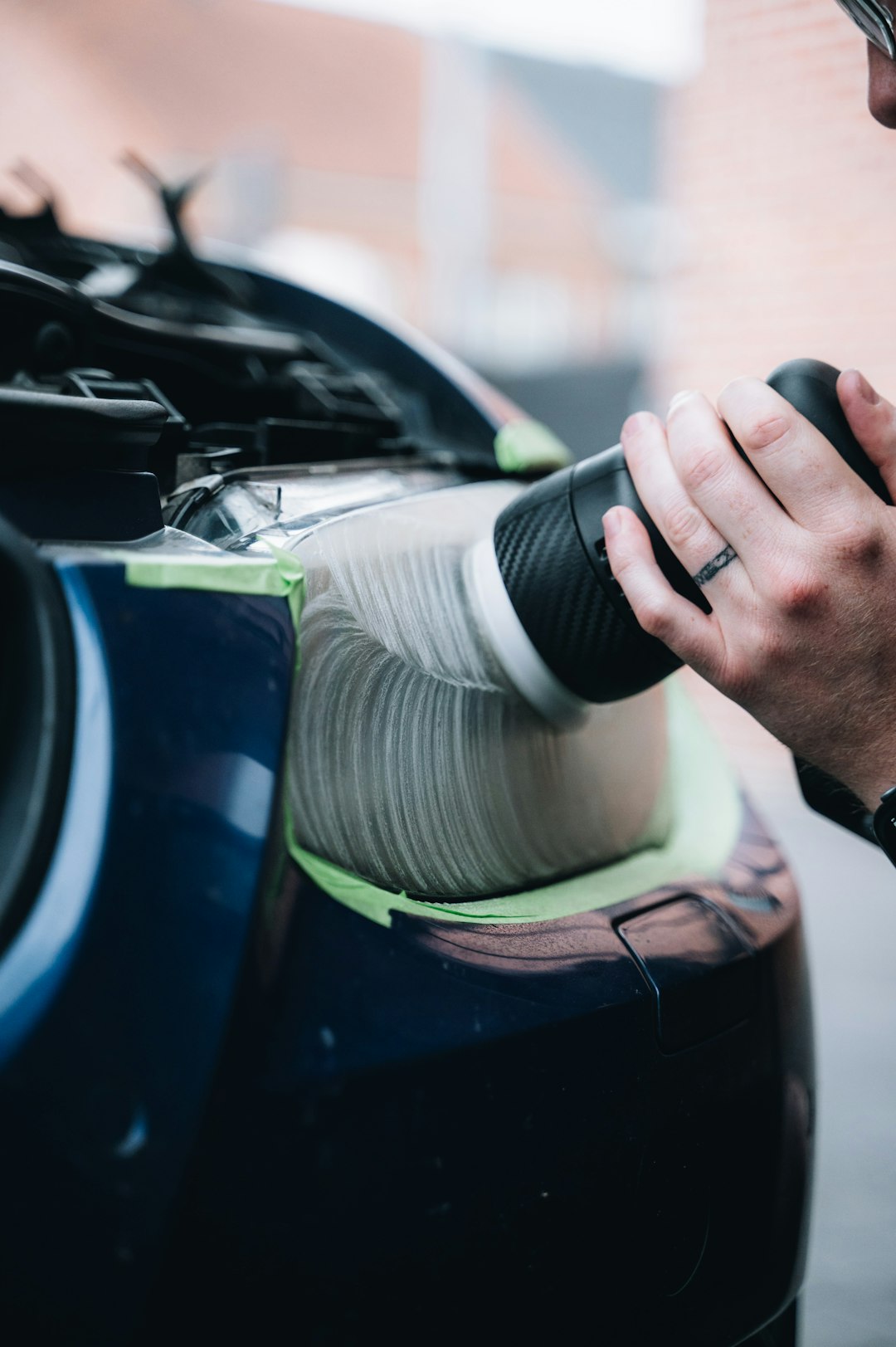
How to Remove Car Scratches Without Wrecking Your Clear Coat
Every car owner has been there. You return to the car park, walk around the bonnet, and there it is: a fresh scratch cutting across an otherwise clean finish. Whether it’s a stray shopping trolley, windblown grit, or a tight squeeze past a pillar, scratches happen to every vehicle. The real question is what you do about them, and, more importantly, what you avoid doing.
I’ve spent a lot of time working with vehicle owners across Colorado, and the single most common mistake I see is the wrong treatment applied to the wrong scratch. People attack a deep gouge with a polishing pad, or over-buff a surface scuff until the clear coat thins out entirely. Both turn a minor annoyance into a costly repair.
This guide walks you through how to remove car scratches safely, protect your paint long-term, and know when to call in the professionals. We’ll also touch on how to remove car odour and cover the specific considerations for larger vehicles, since learning how to remove truck scratches requires a slightly different approach.

Key Takeaways
-
Identify before you treat: Before attempting any correction it is important to understand the kind of scratch you are dealing with, because scratches vary in depth and severity, and correctly identifying them sets realistic expectations for safely removing them. Use the fingernail test first.
-
Clear coat scratches are DIY-friendly: Clear coat scratches are the most common and superficial type, affecting only the top transparent layer of your car’s paint job, and since they are only surface-level, they are relatively easy to fix with the right products.
-
Deep scratches need a professional: Deep scratches that expose primer or metal require more caution, and while polishing can improve their appearance, full removal is usually beyond the scope of DIY correction. Attempting them yourself can cost more in the long run.
-
Over-polishing is a real danger: Polishing too frequently or too aggressively can progressively thin out the clear coat. Since each polishing session removes a small layer, doing it more than necessary may eventually strip the protective layer entirely, leaving your car’s paint exposed to fading, oxidation, and corrosion.
-
Colorado’s climate accelerates damage: Colorado’s high altitude means UV exposure is roughly 25% more intense than at sea level, which accelerates paint oxidation and degrades rubber seals and trim pieces. Address scratches promptly to prevent compounding wear.
Quick-Start Prioritisation Framework
| Scratch Type | Best For | Effort Level | Likely Cost |
|---|---|---|---|
| Clear coat scuff (no nail catch) | DIY at home | Low | $20-$50 in product |
| Shallow base coat scratch (nail barely catches) | DIY or mobile detailer | Medium | $50-$200 |
| Deep base coat scratch (nail catches clearly) | Professional detailer | High | $150-$400 |
| Primer or metal exposed | Body shop | Very High | $400-$2,500+ |
| Swirl marks / wash marring | DIY or detailer | Low | $20-$150 |
Start here if you are:
-
A first-timer: Stick to clear coat polishing with a hand applicator and a quality finishing compound, the lowest risk route with the fastest visible improvement.
-
Dealing with a truck or large SUV: Work in small, manageable panels. The larger surface area on trucks makes heat build-up from a machine polisher more likely, so extra care is needed.
-
In Colorado’s freeze-thaw season: Address any scratch, no matter how small, before autumn ends. Colorado’s rapid temperature changes cause materials to expand and contract, and existing chips, cracks, and dents can worsen significantly during this period.
Step 1: Diagnose the Scratch Before You Touch It
The Fingernail Test
The single most reliable first step costs nothing. To properly remove scratches on your car, it is important to identify the type of scratch you have. Run your fingernail over the scratch: if your fingernail catches on it, it is a clear indication that it is a deep scratch. If your fingernail does not catch, you likely have a clear coat or surface scratch.
A clear coat scratch is extremely superficial, only one to two mils thick, which equates to approximately two-thousandths of an inch. Running your fingernail over it, you likely will not feel it catch, and it does not permeate to the coloured base coat. Those are the easiest to fix at home.
Understanding the Layers
Automotive paint is built in layers: primer, base coat, and clear coat. The clear coat is the transparent top layer that adds gloss, depth, and UV protection, so scratches here often look white or hazy because they scatter light.
Base coat scratches penetrate into the coloured paint layers. They are quite visible, especially in brightly lit circumstances, and you can catch your fingernail on them. These need more work but are still repairable at home in many cases.
Pro Tip: Inspect the scratch under direct sunlight at a low angle. This ‘raking light’ technique reveals depth and extent far better than overhead lighting. If you see a distinctly different colour in the groove, the base coat or primer is exposed.
Step 2: Gather the Right Products
What You Will Need
The right tools make the difference between a repair and further damage. According to Chemical Guys’ scratch removal guide, once you understand the type of scratch you are dealing with, the next step is gathering the right tools and products. DIY correction works best when the approach is controlled and intentional, and using proper polishing products helps improve the appearance of scratches while keeping paint safety front and centre.
For clear coat scratches, you will need:
-
pH-neutral car wash soap and microfiber cloths
-
Isopropyl alcohol (for degreasing before polish)
-
A quality finishing polish or light compound
-
Foam applicator pad or dual-action polisher
-
High-GSM microfiber towels for buffing
For deeper base coat scratches, add:
-
Factory colour-matched touch-up paint (your colour code is on a sticker inside the driver’s door jamb)
-
2000-grit and 3000-grit wet-and-dry sandpaper
-
A small foam sanding block for even pressure
-
Clear coat spray to seal the repair
Costs to Expect
A $20 to $50 polishing kit handles most clear coat scratches at home, while professional buffing runs $150 to $400 and takes under a day. That said, CarXplorer’s 2026 cost guide reports that the average car scratch repair cost ranges from $150 to $1,500 depending on severity, a minor surface scratch that can be buffed out might cost $50 to $150, while a deeper scratch into the paint could be $400 to $1,000, and a very deep scratch down to metal may cost $800 to $2,500 or more professionally. Therefore, if your scratch passes the nail catch test, invest in a $30 to $50 polishing kit first, the potential saving against a body shop visit is substantial.
Step 3: The Repair Process, Level by Level

Fixing Clear Coat Scratches (No Nail Catch)
This is the most manageable scenario. According to A clear coat scratch is extremely, the process is straightforward:
-
Clean the area. A clear coat scratch is extremely alcohol and let it dry completely. This removes wax, oils, and grit that could cause new micro-scratches during polishing.
-
Apply polish. Light clear coat scratches can often be polished away using a microfiber cloth and a polishing compound. Buffing the surface will smooth out the scratches and restore the glossy finish.
-
Work in small sections. Trying to correct a large section at once reduces control and makes it harder to judge progress. Small sections allow consistent pressure, better product breakdown, and more accurate inspection.
-
Seal with wax. A clear coat scratch is extremely of wax after polishing. This adds a fresh protective layer and restores depth to the finish.
Fixing Base Coat Scratches (Nail Catches)
These require a more methodical approach. You need two grits of wet-and-dry sandpaper: 2000-grit to level the edges of the scratch and 3000-grit to refine the area before polishing. Always use them wet, keep a spray bottle of water handy to lubricate the surface.
Once sanded, apply factory-matched touch-up paint in thin layers, allowing each to dry fully. Then apply clear coat, let it cure, and polish back to blend. The main goal is to restore uniform reflectivity across the panel without removing too much clear coat.
Fixing Primer or Metal Scratches
I’ll be direct here: this level of damage benefits most from professional attention. Scratches that cut through to bare metal or plastic demand immediate attention. Left untreated, exposed metal can rust and spread, compromising the integrity of the panel, so professional automotive paint repair is strongly recommended to prevent long-term damage.
Pro Tip: If you drive a truck or large SUV, working on scratch repairs in the tray, bed, or on the bonnet requires extra care with machine polishers. The flat, wide panels heat up quickly. Keep the polisher moving at all times, use moderate speed, and work in 30cm x 30cm sections to maintain control.
This walkthrough demonstrates the full repair process in practice, showing exactly how each level of scratch responds to the techniques covered above.
Step 4: Avoid the Mistakes That Wreck Your Clear Coat
The Most Common DIY Errors
In my experience, the repair itself is rarely the issue; it is the technique errors around it that cause the most damage. Chemical Guys’ detailing blog spells this out clearly: more pressure does not equal better correction. Excess force increases heat and friction, which can thin the clear coat and result in uneven finishes. Let the product and pad do the work.
Inland Empire Autobody’s polishing guide warns that using low-quality or overly abrasive pads, compounds, or polishing machines can cause scratches and even burn through the clear coat, particularly if you are using an aggressive cutting compound with a high-speed rotary buffer without experience.
According to The main goal is to restore, The main goal is to restore surface cleaning, applying paint too thickly, and over-polishing with coarse compounds, which can dull the finish. Start with the least invasive method and test on an inconspicuous area first.

Know When to Stop
Once the scratch blends into the surrounding paint under normal lighting, stop polishing. Chasing total removal can compromise paint thickness and long-term durability. A slight improvement is a genuine success, the goal is a better result, not a perfect one.
Step 5: Protect the Paint After the Repair
Ceramic Coating and PPF for Colorado Conditions
After repairing a scratch, the finish is vulnerable. Sealing the work is not optional, especially in Colorado. In Colorado, vehicles face a constant battle against extreme weather conditions. The state’s unique combination of high altitude, powerful UV rays, low humidity, hailstorms, snow, and freeze-thaw cycles puts immense stress on your vehicle’s exterior, leading over time to noticeable paint damage including fading, chipping, and rust formation.
Ceramic coating is a liquid polymer that chemically bonds with the car’s paint, forming a protective layer. It utilises nanotechnology to create a semi-permanent barrier, providing enhanced durability and resistance against environmental contaminants, enhancing gloss, reducing the impact of UV rays, and repelling dirt and water.
However, set your expectations correctly. Kovalent Coatings’ expert guide notes that a ceramic coating cannot completely prevent scratches, but a professional ceramic coating can help reduce the risk of minor swirl marks, wash-induced marring, light surface scratches, and everyday paint damage by creating a durable protective layer over your vehicle’s clear coat. For deeper protection against rock chips and road debris, common on Colorado highways, pairing ceramic coating with paint protection film provides the ultimate level of protection, as ceramic coatings offer durability and resistance against scratches, environmental contaminants, and UV damage, while paint protection film takes it a step further.
The team at FB Mobile Auto Detailing can assess your vehicle’s finish post-repair and recommend the right protection package for Colorado’s demanding climate, whether that is a wax sealant, a ceramic coating, or a full paint protection film application.
Pro Tip: After any scratch repair, avoid automatic car washes with stiff brushes for at least two weeks. Per Maaco’s paint fade prevention guide, regular hand washing with a pH-balanced car shampoo removes dust, salt, and pollutants that can damage the clear coat, and harsh detergents or automatic car washes with stiff brushes can scratch the surface and thin the clear coat.
A Quick Word on How to Remove Car Odour
While you are tending to your vehicle’s exterior, it is worth addressing the interior too. Car odours can arise from various sources, such as food spills, pets, smoke, or mould, and tackling these unwanted smells requires thorough cleaning, effective deodorising, and sometimes air fresheners.
The most effective starting point, per Stoner Car Care’s odour removal guide, is a full interior clean. Baking soda is a natural deodoriser that can absorb unpleasant odours, sprinkle it over fabric seats and carpets to neutralise smells, let it sit for several hours or overnight, then vacuum it up. For persistent odours from the air conditioning system, Consumer Reports recommends spraying AC disinfectant into the intake vents, and to change your cabin air filter which keeps the air inside the car free of allergens and contaminants and is usually accessed through the glove box.
Frequently Asked Questions
How do I know if a scratch can be fixed at home?
Run your fingernail over the scratch. If your fingernail catches on it, it is a clear indication of a deep scratch. If your fingernail does not catch, you likely have a clear coat or surface scratch that can be improved at home with polishing compound and a microfiber cloth.
Can I use toothpaste to remove car scratches?
You may have seen this suggested online, but I would avoid it. The internet is full of tutorials promising quick and easy ways to polish your car at home, often with unconventional items like toothpaste or household abrasives. These hacks might seem effective at first but often cause significant damage to the clear coat, leaving it dull and uneven.
How much does professional scratch repair cost in 2026?
A $20 to $50 polishing kit handles coat or minor paint scratches, which typically fall in the $150 to $400 range at a professional shop. Deep scratches that reach bare metal cost significantly more. Mobile detailing services like FB Mobile Auto Detailing offer convenient on-site assessment and treatment without the wait of a traditional body shop.
Does ceramic coating prevent scratches on trucks and SUVs?
Ceramic coatings help minimise minor scratches and swirl marks, particularly those caused by improper washing or small dust particles rubbing against the paint. By adding a harder layer on top of the paint it reduces friction and makes the surface slightly more resistant to light contact. For trucks that face heavy road debris, pairing ceramic coating with paint protection film on the front panels and bonnet is the most effective strategy.
How does Colorado’s climate affect scratch repair and paint protection?
Colorado’s elevation intensifies UV exposure, meaning paint fade, clear coat breakdown, and plastic trim deterioration happen faster here than in many other states. Additionally, from winter’s magnesium chloride-coated roads to summer’s intense UV rays and infamous hail storms, Colorado drivers face a unique set of challenges when it comes to vehicle maintenance. Any scratch should be treated promptly, and protection applied immediately after repair.
Ready to Protect Your Vehicle?
Removing car scratches without damaging your clear coat is absolutely achievable, provided you diagnose correctly, use the right products, and resist the urge to over-polish. For scratches that go deeper than the clear coat, or for professional-grade protection after a DIY repair, the team at FB Mobile Auto Detailing brings the service to you, right across the Denver area. No waiting rooms, no drop-offs, just expert results for Colorado drivers who want their vehicles looking their best year-round.
Sources
-
How To Remove Scratches From Your Car (DIY Guide), Chemical Guys. Step-by-step scratch identification and polishing guide. https://www.chemicalguys.com/blogs/exterior-how-tos/how-to-remove-car-scratches
-
How to Remove Scratches From Your Car, AutoZone. Clear coat, base coat, and primer scratch repair walkthrough. A clear coat scratch is extremely
-
Car Scratch Repair Cost Guide 2026, Auto Cleaned. DIY vs professional pricing breakdown. A $20 to $50 polishing kit handles
-
Car Scratch Repair Cost Guide Minor Deep DIY Professional 2026, CarXplorer. Industry-standard pricing analysis. https://carxplorer.com/how-much-for-a-scratch-repair-on-a-car/
-
How Colorado’s Climate and Weather Impact Auto Paint, Yoder Collision Network. Regional paint damage and repair guide. https://yodercollisionnetwork.com/auto-body-repair/how-colorados-climate-and-weather-impact-auto-paint-signs-and-repairs/
-
Colorado Weather and Car Wash Protection Tips, Rocket Express Car Wash. UV intensity and weather damage data for Colorado drivers. https://www.rocketexpresscarwash.com/colorado-weather-car-wash-protection-tips/
-
Colorado Weather vs. Your Car, Elevated Auto Body. Seasonal protection guidance for Colorado vehicles. https://elevated-autobody.com/auto-body-insights-and-tips-blog/colorado-weather-vs-your-car-how-to-protect-your-vehicle-year-round
-
How At-Home Polishing Can Ruin Your Clearcoat, Inland Empire Autobody and Paint. Risks of incorrect DIY polishing. https://ieabp.com/how-at-home-polishing-can-ruin-your-clearcoat/
-
How to Fix Clear Coat Scratches, Motorist Care. Practical clear coat repair technique guide. https://motoristcare.com/how-to-fix-clear-coat-scratches/
-
Can Ceramic Coating Prevent Scratches?, Kovalent Coatings. Expert explanation of ceramic coating capabilities and limits. https://kovalentcoatings.com/can-ceramic-coating-prevent-scratches/
-
Does Ceramic Coating Prevent or Remove Scratches?, American Wrap Co. Ceramic coating vs PPF comparison. https://americanwrapco.com/does-ceramic-coating-prevent-or-remove-scratches/
-
How to Remove Odors from Your Car Interior, Stoner Car Care. Step-by-step interior odour elimination guide. https://stonercarcare.com/blogs/product-tips/how-to-remove-odors-from-your-car-interior
-
How to Rid Your Car of Odors and Smells, Consumer Reports. Authoritative guidance on AC and cabin air filter odour treatment. https://www.consumerreports.org/cars/car-maintenance/how-to-rid-your-car-of-odors-a2880164557/
-
Combatting Car Paint Fade and UV Damage, Maaco. UV damage prevention and clear coat protection guidance. https://www.maaco.com/blog/combatting-car-paint-fade-uv-damage-restoration/
-
Repair Deep Scratches in Car Paint, AutoDetailPedia. Expert technique guide for base coat and primer scratch repair. https://autodetailpedia.com/repair-deep-scratches-car-paint/
-
Repair Paint Scratch on Car: A Practical DIY Guide, PaintQuickGuide. Common DIY mistakes and correct polishing methodology. The main goal is to restore


