
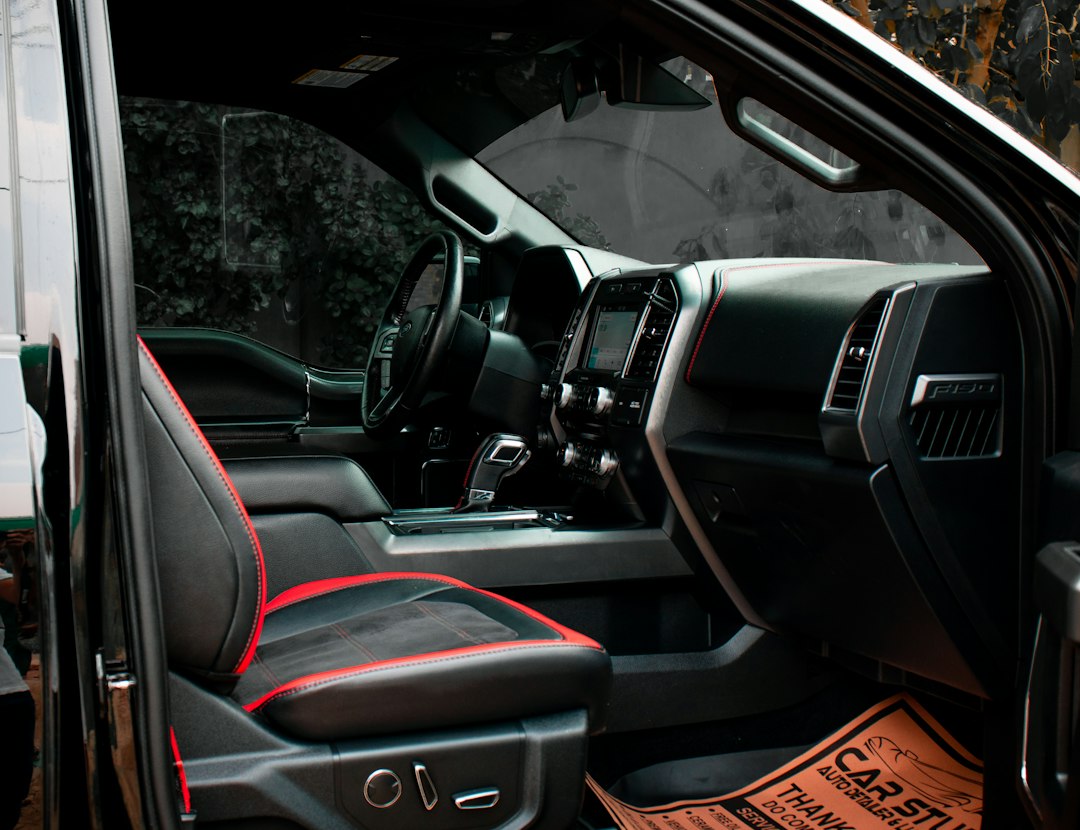
Mud Stains Wrecking Your Truck Interior? Here Is How to Fix Them
If you drive a truck in Colorado, mud stains come with the territory. Spring snowmelt, afternoon thunderstorms, and unpaved mountain trails all conspire to drag grit, clay, and wet earth straight into your cab. Mud can damage upholstery and cause permanent unsightly stains that lead to persistent odours and a lower resale value on your vehicle. The problem is that most truck owners make the situation worse by reaching for a wet cloth the moment they notice the mess. In my experience, that single mistake turns a manageable stain into a ground-in disaster.
This guide covers exactly what to do, and what to avoid, when mud stains invade your truck interior. Whether you are dealing with fresh footprints on the carpet or set-in smears on leather seats, there is a reliable path to a clean cab.
Key Takeaways
-
Wait before you wipe: Cleaning mud whilst it is wet just smears it over a bigger area, whereas mud left to dry completely brushes loose and vacuums straight up, leaving only a light mark to treat. Patience is the single most cost-effective tool you have.
-
Mould is the hidden danger: Mould can develop within just 24 to 48 hours of water exposure inside a warm, enclosed cabin, so drying the interior thoroughly after cleaning is non-negotiable.
-
Seat material determines your method: Different seat materials, fabric leather, and vinyl, require specific cleaning approaches to avoid damage while effectively removing mud contamination. Using the wrong product on leather, for example, can strip its protective coating and lead to cracking.
-
Interior condition affects resale: Interior condition, including upholstery, odours, and general cleanliness, contributes directly to a vehicle’s value. Keeping your cab clean is a financial decision as much as a comfort one.
-
Prevention cuts future clean-up time significantly: Dirt and mud can cause permanent stains and wear on upholstery and carpets, but protective products help extend the lifespan of a truck’s interior and preserve its resale value. Fitting the right floor mats and applying a fabric protectant takes less than an hour and saves hours of scrubbing later.
Quick-Start Prioritisation Framework
| Situation | Best First Move | Effort Level | Time to Results |
|---|---|---|---|
| Fresh mud, still wet | Blot surface moisture, then wait | Low | 2 to 4 hours drying |
| Dried mud on carpet | Vacuum, then mild soap solution | Low to Medium | 30 to 60 minutes |
| Dried mud on fabric seats | Scrape, vacuum, upholstery cleaner | Medium | 45 to 90 minutes |
| Mud on leather seats | Dry removal, pH-balanced cleaner, conditioner | Medium | 60 minutes |
| Set-in stain, weeks old | Commercial stain remover or steam clean | High | 1 to 3 hours |
| Persistent odour or suspected mould | Professional detailing | High | Book same day |
Start here if you are:
-
A weekend trail driver in Colorado: Prioritise the carpet and floor mat cleaning routine after every off-road trip, mud season here runs from March through June.
-
A tradesperson with a work truck: Focus on durable rubber floor liners and a monthly interior clean to stay on top of repeated soiling.
-
Preparing to sell or trade in: Address set-in stains with a steam clean and book a professional interior detail, deficiencies in a vehicle’s interior appearance can decrease the resale value by thousands of dollars, making restoration an excellent return on investment.
Why Mud Is More Damaging Than It Looks
Most people treat mud as purely cosmetic. The reality is more serious. Mud can seep deep into the fabric or even cracks in your floor mats, creating permanent stains that damage your truck’s appearance and value over time.
The Moisture Problem Underneath the Stain
The visible stain is only part of the issue. The moisture trapped in mud does not just stay on the surface; it can soak into your carpets, creating a breeding ground for mould and mildew that not only smells bad but can also lead to long-term health problems and costly repairs.
According to the EPA, indoor relative humidity above 60 per cent is enough to trigger mould growth on nearly any porous surface, and car interiors regularly exceed that threshold. That means a single muddy drive with wet floor mats is all it takes. If you leave moisture trapped under those mats, you may be creating conditions for mould before the day is out.
Pro Tip: After any muddy drive in Colorado, pull your floor mats out completely and stand them up to air dry. If moisture gets into the interior, dry it out immediately or you risk a mould infestation on top of the mess, park in a sunny spot and leave the windows open, even a little.
The Physical Wear Mud Causes
Mud carries abrasive particles, grit, sand, and fine rock fragments, that act like sandpaper on your interior materials. Dirt and sand from boots can grind into the fabric or carpeting, creating friction that leads to fraying, fading, and eventually holes. Without protection, this means replacing floor mats and carpets more often than you would like.
In Colorado specifically, wet boots track in road salt sand, and mud, and that moisture gets trapped under floor mats and into carpet fibres, where it creates odour-causing bacteria and can eventually cause mould if left untreated. The combination of deicing chemicals and mud makes Colorado’s version of this problem particularly harsh.
Step-by-Step: Cleaning Mud From Carpet and Floor Mats
Carpet is where most truck owners see the worst mud damage, because that is where boots and shoes land first. The best defence is treating the problem before it starts with protective floor mats designed to trap water, mud, and debris.

Step 1, Let It Dry First
For the interior, do not remove mud when it is wet. Doing so just smears it all over clean upholstery. Wait until the mud is 100 per cent dry, and then remove it. This rule surprises most people, but it is the single most important step in the process.
Step 2, Scrape and Vacuum
Once the mud is fully dry, use a plastic scraper or an old credit card to lift hardened clumps away from the carpet fibres. Scrape it off lightly using the edge of the card, and make sure not to push down into the mud but to gently sweep it off. Follow this with a thorough vacuum pass. Start at the outer edges of the stain and work your way inward to help prevent spreading the stain further.
Step 3, Apply a Cleaning Solution
Mix one tablespoon of dish soap with two cups of warm water, stir well, and use the solution to create a light foam on the stained area. For stubborn marks, a white vinegar and water mix can be effective. white vinegar and water mix for stubborn marks and let it sit for about 15 minutes before gently blotting it away.
Step 4, Blot, Rinse, Repeat
Use a soft-bristled brush to gently scrub the stain, being careful not to scrub too aggressively, as this can damage the carpet fibres. The goal is to lift the stain without causing fraying. Blot with a clean cloth, rinse the area with plain water, and repeat as needed.
Step 5, Dry Thoroughly
Moisture trapped in carpet and insulation can lead to mould and mildew, so complete drying is essential. Park the vehicle in direct sunlight with all windows and doors open, position a fan to blow air across the wet areas, and check progress every four hours until the carpet and padding beneath feel completely dry to the touch.
Pro Tip: For deeply embedded mud on carpet, a carpet extractor provides the most thorough cleaning. These machines are typically available to rent at home centres. Be sure to get one with attachments for car interiors; they work by injecting water and a cleaning solution into the carpet and suctioning it back out along with the dirt.
The following walkthrough demonstrates the full process of lifting dirt from carpets and floor mats, which is particularly helpful if you want to see each stage carried out in practice.
Step-by-Step: Cleaning Mud From Fabric Seats
Fabric seats present a different challenge because the weave traps particles and the material can spread stains if handled incorrectly.
Assess the Mud First
Check whether the mud is still wet or has dried. If the mud is wet, it is best to let it dry thoroughly. Cleaning wet mud can cause it to spread, making the problem worse. Once it is dry, you can remove it without smearing it deeper into the fabric.
Clean With the Right Solution
For small stains, mix a solution of warm water and mild dish soap, one tablespoon of soap per cup of water. Dip a microfibre cloth in the mixture, wring it out, and gently dab the stain. Rinse with a clean damp cloth and blot dry. For tougher stains, use a fabric cleaner spray, but test it on a hidden area first to avoid discoloration.
Avoid harsh chemicals or bleach which can be too abrasive and might damage the fabric of your seats.
Step-by-Step: Cleaning Mud From Leather Seats
Leather requires the most care of any interior material. Leather seats add a sense of quality to your truck but require extra care. Mud left on leather can dry out the material and cause cracks.
The Correct Order of Operations
Vacuum loose debris first, test the cleaner in a hidden area, apply a dedicated leather cleaner to a soft brush or microfibre, gently agitate the surface, and wipe away the loosened dirt with a clean microfibre towel. The order matters. Skipping the vacuum step means you drag abrasive particles across the surface as you clean.
Use pH-balanced leather cleaners to avoid stripping the natural oils and damaging the upholstery. I’ve found that products marked “pH-balanced” or “pH-neutral” consistently outperform general-purpose sprays on leather.
Always Condition After Cleaning
After cleaning, allow the leather to dry for 15 to 20 minutes, then apply leather conditioner. Most conditioning products are thin, so a little goes a long way. Use a clean microfibre towel or a separate applicator pad to work the conditioner into the leather, working in small sections and wiping away any excess.
Clean and condition leather seats every three to six months, adjusting frequency based on usage and environment. In Colorado, where intense UV exposure accelerates drying and cracking, I would lean toward every three months for a regularly used truck.
Pro Tip: Never use bleach, ammonia, Windex or dishwashing liquid on leather. These cleaners are too strong and will chemically break down the leather’s protective coating.
When DIY Is Not Enough: Knowing When to Call a Professional
In my experience, there are clear signs that a mud problem has moved beyond what a bottle of upholstery cleaner and an afternoon can handle.
Signs You Need Professional Help
Saturated padding that stays damp will regrow mould no matter how well you clean the surface, and at that point replacing the carpet or seat foam is often the only durable fix. A persistent musty smell that returns after thorough cleaning means moisture is still trapped somewhere, and the source has to be found before the interior is salvageable.
According to the EPA, indoor as a trigger for nasal stuffiness, throat irritation, coughing, wheezing, and skin irritation in otherwise healthy people. If the inside of your truck smells musty, this is a health issue, not just an aesthetic one.

For truck owners in the Denver metro area, FB Mobile Auto Detailing offers mobile interior detailing that comes to you, no need to drive a muddy, odour-laden truck across town. A professional steam extraction and deep interior clean is often the most cost-effective solution when you are dealing with set-in stains, mould risk, or heavy soiling across multiple surfaces.
Preventing Mud Stains Before They Happen
As the Lasfit truck care guide puts it, the most effective strategy is not reacting to mud but preventing it from bonding with your surfaces in the first place.
Floor Mats and Seat Covers
To protect your truck interior from dirt, mud, and daily wear, use high-quality, custom-fit floor mats, seat covers, and cargo liners made from durable materials like TPE. Rubber all-weather liners are far easier to rinse than standard carpet mats. When you are done on the trail, you lift them out and hose them down.
Fabric Protectant Sprays
A fabric protectant applied to clean carpets and fabric seats creates a barrier that causes liquids and mud to bead up rather than soak in. Products like Scotchgard Auto Carpet Water Shield create invisible protection that repels rain and snow, protect against salt damage, and make cleanup of car carpet and other fabric surfaces easier. This type of car interior spray is easy to apply and should be reapplied every six months or every time you clean your auto’s interior.
For fabric seats and carpets, ceramic fabric protectants using SiO2 formulation bond to individual fibres, delivering hydrophobic characteristics while resisting abrasion and UV fading for up to 12 months, a useful option for trucks that see regular off-road or work use in Colorado.
A Consistent Cleaning Schedule
Colorado’s dusty conditions affect your vehicle’s interior year-round. Dirt, sand, and debris from hiking boots or snow gear can accumulate quickly, leading to wear and tear on carpets and upholstery. Vacuuming your car’s interior every two weeks and cleaning the dashboard and seats monthly is a practical minimum for trucks used in Colorado conditions.
Frequently Asked Questions
Should I clean mud when it is still wet or wait for it to dry?
Always wait. Cleaning mud whilst it is wet just across a bigger area. Let it dry completely first, and most of it vacuums straight up. Only once the dried flakes are vacuumed away should you introduce any moisture or cleaning solution.
How long does it take for mould to grow after mud gets into the carpet?
Faster than most people expect. A single spilled drink, a window left cracked in a rainstorm, or a slow leak around a windshield seal is enough to trigger colonisation within 24 to 48 hours, per EPA guidance on mould growth timelines. This is why drying the interior completely after cleaning is not optional.
Can I use the same cleaning method on leather as I use on fabric seats?
No, the methods are quite different. Different seat materials, fabric leather, and vinyl, require specific cleaning approaches to avoid damage while effectively removing mud. Leather needs a pH-balanced cleaner and a conditioner applied afterwards. Fabric tolerates water-based solutions more freely, but should still be tested in a hidden area first.
Will mud stains permanently lower my truck’s resale value?
They can. The interior is where signs of daily use are most noticeable. Food stains, debris in carpets, and strong odours can make a vehicle feel more worn than it actually is. A thorough interior cleaning helps present the vehicle in its best light. Addressing mud stains promptly, and professionally when needed, protects that investment.
When should I call a professional detailer instead of handling mud stains myself?
Call a professional if the stain has been set in for more than a week, if you notice a persistent musty smell that returns after cleaning, or if mud has soaked through to the padding beneath the carpet. Ink, pet accidents, and deep-set stains are situations where a professional detail is often the safer choice. For Colorado truck owners, a mobile detailer like FB Mobile Auto Detailing can save significant time and protect materials that DIY methods can easily damage.
The Bottom Line
Mud stains inside a truck are a common Colorado reality, but they are also a fixable one, if you act with the right approach. Wait for the mud to dry, vacuum it away, treat the residual stain with a material-appropriate solution, and dry everything completely. For leather, add a conditioning step. For serious or set-in damage, call in a professional before the problem turns into mould, permanent staining, or a costly carpet replacement.
The real cost of ignoring mud stains is not just cosmetic; it is financial, structural, and in the case of mould, a matter of health. A clean truck interior retains its value, stays fresh-smelling, and simply makes every drive more comfortable. That is worth an afternoon’s effort.
Sources
-
How to Get Mud Out of Carpet, TMF Store. Step-by-step carpet cleaning guide. https://shop.truckmountforums.com/blogs/news/how-to-get-mud-out-of-carpet
-
How to Get Mud Stains Out of Carpet, Prolux Cleaning. Cleaning methods for fresh and set-in mud stains. https://www.proluxcleaning.co.uk/how-to-get-mud-stains-out-of-carpet
-
How to Remove Mud & Dirt Stains, Jay’s Cleaning. Step-by-step mud removal guidance. Cleaning mud whilst it is wet just
-
What Is the Best Way to Get Mud Out of a Carpet?, Unique Carpet Cleaning. Advanced tips including vinegar method. white vinegar and water mix for stubborn marks
-
How to Clean Icky Mud off Your Car (Inside and Out), The Last Coat. Interior mud cleaning guide. https://thelastcoat.com/pages/how-to-clean-icky-mud-off-your-car-inside-and-out
-
How to Remove Mud From Your Car Interior, eBay Motors Blog. Detailed interior carpet and seat cleaning steps. How to Remove Mud Stains from Car Seats, Ordiniq. Three detailed methods for removing mud from car interior upholstery. https://www.ordiniq.com/blogs/news/how-to-remove-mud-stains-from-car-seats-3-methods-to-try
-
How to Remove Mud Stains from Car Seats, Ordiniq. Three-method guide for all seat materials. https://www.ordiniq.com/blogs/news/how-to-remove-mud-stains-from-car-seats-3-methods-to-try
-
How to Remove Monsoon Mud Stains from Your Car’s Interior, Glosszilla. Fabric and leather seat mud removal guide. https://www.glosszilla.com/how-to-remove-monsoon-mud-stains-from-your-cars-interior/
-
Mold in Your Car: How It Starts and How to Prevent It, CarCapsule. EPA-referenced mould growth data. According to the EPA, indoor
-
Types of Mold Found in Cars, Car Mold Guys. Mould species, growth timelines, and health risks. https://lonadiersmobiledetailing.com/types-of-mold-found-in-cars/
-
Importance of Water and Mold Remediation for Your Vehicle, Wellstone Auto Spa. Mould growth statistics and remediation process. https://www.wellstoneautospa.com/importance-of-water-and-mold-remediation-for-your-vehicle
-
Why Muddy Work Boots Ruin Your Truck Interior, Lasfit. Mud impact on truck interior surfaces. https://www.lasfit.com/blogs/news/why-muddy-work-boots-ruin-your-truck-interior
-
How to Protect a Truck Interior from Dirt, Mud, and Daily Work, Lasfit. Protection strategies including floor mats and fabric protectants. https://www.lasfit.com/blogs/news/how-to-protect-a-truck-interior-from-dirt-mud-and-daily-work
-
5 Factors That Determine Car Trade-In Value, Dent Wizard. Interior condition and resale value analysis. https://www.dentwizard.com/insights/selling-a-car-determine-trade-in-value/
-
Factors That Impact Your Car’s Resale Value, Associated. Interior and exterior condition’s effect on value. https://www.associatedct.com/blog/2026/04/factors-that-impact-your-car-s-resale-value
-
How Often Should You Wash Your Car in Colorado?, Auto Laundry. Colorado-specific vehicle care recommendations. https://www.autolaundry.com/blog/how-often-should-you-wash-your-car-in-colorado/
-
Spring Detail Checklist for Denver Cars After Colorado Winter, Black Diamonds Detailing. Colorado road salt and mud interior impact. https://www.blackdiamondsdetailing.com/post/spring-detail-checklist-denver-colorado
-
How to Clean and Protect Leather Car Seats, Crash Champions. Step-by-step leather cleaning and conditioning guide. https://crashchampions.com/company/knowledge-center/how-clean-leather-car-seats-and-keep-them-looking-new
-
How to Care for Leather Car Seats, Work-Stuff. Leather cleaning system and FAQ. https://work-stuff.com/how-to-take-care-of-leather-car-seats-a-complete-detailing-guide/
-
Scotchgard Auto Carpet Water Shield, Scotchgard. Fabric protectant product details and application guidance. Products like Scotchgard Auto
-
HydroThread Ceramic Fabric Protectant, Chemical Guys. Ceramic SiO2 fabric protectant for automotive interiors. https://www.chemicalguys.com/products/hydrothread-ceramic-fabric-protectant-stain-repellent
-
How Cleanliness Affects Trade-In Value, Courtesy. Interior cleanliness and vehicle appraisal. https://gocourtesy.com/bdp/100481/trade-your-car/how-cleanliness-affects-trade-in-value


