
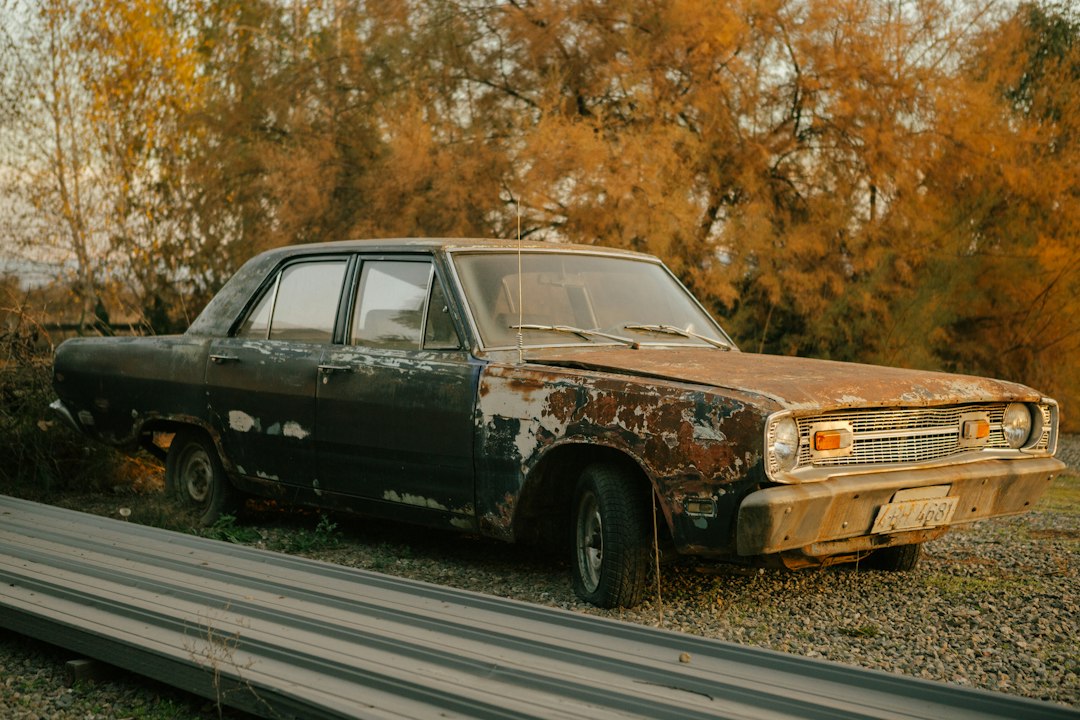
Bring Faded Oxidised Paint Back to Life With Professional Restoration
If you have ever run your hand across the roof of a sun-baked car and come away with a powdery white film on your fingers, you have already met paint oxidation up close. That chalky residue is oxidation in its advanced stages, and for vehicle owners in Colorado it arrives faster than most people expect. With every 1,000-foot increase in elevation, UV intensity rises by around 10 to 12 percent, meaning your vehicle’s paint is under more stress here than in lower-altitude regions. Denver and the surrounding Front Range sit well above 5,000 feet. Do the maths and the urgency becomes clear: act early, or pay far more later.
The good news is that faded, dull, oxidised paint is largely a restorable condition. Professional oxidised paint restoration brings back colour, clarity and gloss without repainting, and it protects real money in resale value. This article walks you through what oxidation is, how to spot each stage, what the professional restoration process involves, and how to protect the results so that you never have to start from scratch again.
Key Takeaways
-
Colorado’s altitude accelerates damage significantly: Colorado’s high altitude increases UV exposure by up to 33% compared to sea level, which means oxidation sets in faster than in most other regions, so early action is critical.
-
Three clear stages, three different solutions: Light oxidation can often be corrected in one step with 70 to 90 percent defect removal, while severe oxidation may require multi-stage correction. Match the treatment to the stage.
-
Untreated oxidation costs you at resale: Studies show that bad paint can drop a car’s worth by up to 10%, while cars with nice, clean paint can sell for much more, often thousands of dollars more than similar cars with damaged paint. Restoration pays for itself.
-
Correction alone is half the job: Correcting the paint is only half the job. Without proper protection afterwards, vehicles are left vulnerable to the very same conditions that caused the imperfections in the first place.
-
Road salt and deicers compound the problem in winter: Deicers made with calcium chloride or magnesium chloride are highly corrosive to vehicles. They can penetrate your car’s clear coat and start to break down the layers underneath, leading to paint deterioration.
Quick-Start Prioritisation Framework
| Oxidation Severity | Best Approach | Effort Level | Time to Results |
|---|---|---|---|
| Light (slight dullness, minor fading) | Single-stage polish or enhancement | Low | 2 to 4 hours |
| Moderate (visible haze, rough texture, no beading) | Multi-step compound and polish | Medium | 4 to 8 hours |
| Severe (chalky, powdery surface, patchy colour) | Professional multi-stage correction | High | Full day |
| Clear coat failure (peeling, flaking edges) | Partial or full respray | Professional only | Multiple days |
Start here if you are:
-
A daily driver owner noticing early dullness: Book a single-stage polish now. Caught early, the cost is far lower and results are faster.
-
Seeing rough texture or cloudy panels: Move straight to a professional assessment. Multi-stage correction is likely needed before more damage sets in.
-
Preparing a vehicle for sale: Prioritise paint correction followed by a protective sealant or ceramic coating, buyers notice paint condition before anything else, and it directly affects the offers you receive.
Why Colorado’s Environment Hits Your Paint Hard
UV Radiation at High Altitude
I have seen vehicles come in for mobile detailing in Denver looking years older than they actually are. It is not neglect in most cases; it is physics. Ultraviolet and infrared radiation from the sun breaks down the polymer structure of the paint on your vehicle, gradually converting the surface layer of glossy polymer into a dull and chalky-looking oxide byproduct.
In Colorado’s high-altitude environment, with its increased UV exposure, oxidation can progress faster than in other regions. All automotive paint gradually fades over time, with red and blue vehicles typically showing colour deterioration faster than neutral tones. This fading is accelerated by intense sun exposure, and Colorado Springs and the broader Front Range experience 300-plus annual days of sunshine. If your vehicle sits outside for most of those days without protection, the clear coat is under constant chemical assault.
Winter Road Chemicals Make Things Worse
Summers bring UV damage; winters bring a different threat. In Colorado, the predominant deicing solution used is magnesium chloride, a type of salt whose unique property is its ability to lower the freezing point of water even more than sodium-based counterparts. Between freezing temperatures snowstorms, and the constant use of salt and deicing chemicals, vehicles face serious wear and tear from November through March. While these materials help keep roads safe, they are equally effective at corroding paint, metal, and the undercarriage.
Pro Tip: After any winter drive on treated roads, rinse your vehicle as soon as weather permits. Mag chloride stays active longer than traditional rock salt because it is hygroscopic; it continues pulling in moisture and reacting with your clear coat even after the road dries.
The Freeze-Thaw Cycle
Colorado’s extreme temperature swings add yet another layer of stress. In colder months, moisture enters small paint chips and freezes overnight, expanding and breaking down surrounding layers. Any area where the clear coat has already been thinned by UV oxidation becomes a prime entry point for moisture. Left unaddressed, that combination of UV degradation and freeze-thaw infiltration turns minor dullness into cracking and peeling.
How to Identify Your Level of Oxidation
Light Oxidation
Early on, the paint may just seem faded or dull. As it progresses, the paint can look patchy, with uneven spots and discoloration. You may notice cloudy or chalky areas on the surface. In practice, light oxidation often shows up first on horizontal panels, the bonnet, roof and boot lid, because those surfaces receive the most direct UV exposure. Paint typically gets visibly dull and rough after approximately two years in the elements without protection. If you are at this stage, a single-stage polish can often recover most of the gloss.
Moderate Oxidation
Moderate oxidation means the finish feels rough, reflects poorly, and may have visible haze that does not wash off. A quick test: spray water across a clean panel. If water used to bead up nicely on the paint and now it just sheets flat across the surface, the protective clear coat is compromised and the hydrophobic properties are gone. That is a clear signal that the damage has moved beyond surface dullness. Multi-step compounding followed by polishing is the correct approach at this stage.
Severe Oxidation
Severe oxidation means heavy chalking, dead-looking paint, or obvious breakdown that may need compounding or sanding. Failure means peeling, lifting edges, or flaking clear coat, and that usually points to repainting, not correction. If you can wipe a cloth across the surface and it comes away coloured, the paint layer itself has begun to disintegrate. At this point, professional multi-stage correction is necessary, and a paint-thickness gauge reading should be taken before starting work to confirm enough clear coat remains to correct safely.

The Professional Oxidised Paint Restoration Process
In my experience, the biggest misconception people bring to a mobile auto detailing appointment is the idea that a good wax will fix dull, oxidised paint. It will not. Wax does not remove anything; it temporarily fills scratches so they are less visible. Paint correction actually removes them. Here is what professional oxidised paint restoration actually involves, step by step.
Step 1, Thorough Decontamination Wash
Every restoration starts with a deep clean. Dead paint and dirt build up on the surface when paint oxidises, and the first step is to clean the oxidation and dirt away. This is not a standard car wash. It includes a foam pre-soak, a two-bucket hand wash, and a dedicated decontamination stage using iron-fallout remover to pull bonded metallic particles from the surface.
Step 2, Clay Bar Treatment
The best way to remove embedded surface contamination is with a clay bar treatment. A bar of detailer’s clay and lubricant is used to gently rub over the surface of the vehicle. The clay picks up these contaminants, leaving the vehicle’s surface smooth and on the right path to preservation. This step matters because you cannot correctly polish over embedded grit; you will just drag it across the clear coat and create new scratches.
Step 3, Compounding and Multi-Stage Polishing
Paint correction involves the meticulous removal of surface imperfections through mechanical polishing. These imperfections can include swirl marks, fine scratches, water spots, oxidation, and holograms, all of which dull the paint’s finish and reflect light unevenly. The process begins with an in-depth inspection of the paint surface under various lighting conditions to identify imperfections. Depending on the severity of the defects, different grades of polish and pads are used to carefully remove a tiny layer of the clear coat, effectively levelling the surface and eliminating imperfections.
According to Detailing Finder’s 2026 paint correction cost guide, a light one-step polish for minor oxidation often starts around $350 to $600, while a two-step correction for deeper damage lands between $650 and $1,200. That investment is modest compared to the cost of a full respray, which can run $3,000 to $7,000 or more.
Pro Tip: Ask your detailer for a paint thickness gauge reading before work begins. A professional using specialised equipment will measure how much clear coat remains so they can correct safely without burning through to the base coat. This is the difference between a skilled technician and someone just buffing blind.
Step 4, Paint Protection
Applying wax, sealant, or ceramic coating immediately after correction is what extends how long the results last before the paint needs attention again. The choice of protection matters enormously, especially in Colorado’s climate.
The following demonstration shows the practical steps involved in buffing and cleaning faded paintwork at home, which helps illustrate what the restoration process looks like in action.
Protecting the Results: Why Ceramic Coating Belongs After Restoration
I have found that owners who invest in paint correction and then skip the protective step often find themselves back at square one within a year. Without proper protection after correction, vehicles are left vulnerable to the very same conditions that caused the imperfections in the first place. Ceramic coating is the next logical step that seals in the results of paint correction, offering a long-lasting barrier against UV rays, chemical contaminants, water spots, and more.
A ceramic coating is a liquid protective layer that chemically bonds with your vehicle’s factory clear coat. Unlike waxes or sealants that sit on the surface for a few months, ceramic coatings create a durable, semi-permanent shield that helps protect paint against UV rays, dirt, water, chemicals, and light environmental fallout.
For Colorado drivers dealing with both intense UV and winter road chemicals, ceramic coating is a particularly smart investment. Between freezing temperatures off after a few weeks, ceramic coatings chemically bond to paint, creating a semi-permanent shield that resists chemical etching, UV rays, and harsh contaminants. During winter, this hydrophobic coating causes water, slush, and salt to bead up and roll off the vehicle instead of sticking to it.
Unlike wax or paint sealants which last a few months, ceramic coatings can provide protection for up to five years. Some professional-grade coatings go even further, reaching up to seven years with regular maintenance. That is the kind of interval that makes the upfront cost entirely reasonable.
Pro Tip: Always complete paint correction before applying a ceramic coating. If your paint is full of swirl marks and cloudy spots, applying a ceramic coating on top of that locks the damage in place; you seal in every flaw and then look at it for the next few years.

Common Mistakes That Make Oxidation Worse
Using the Wrong Abrasive
Most people just jump right in and start rubbing some type of abrasive compound over old, dry, fragile paint, which can remove a lot of paint quickly and possibly remove too much. On a vehicle where the clear coat is already thin from years of UV exposure, aggressive compounding without a paint thickness check can cut through to the base coat, making repainting unavoidable.
Skipping Decontamination
Many owners go straight from a rinse to polishing without a clay bar step. Attempting to polish over bonded contamination, iron particles, road tar, and dried deicers, means grinding those contaminants across the surface. The result is new swirl marks on top of the oxidation you were trying to remove.
Expecting Wax to Fix Severe Damage
Detailing does not fix paint defects that are embedded in or below the clear coat. Swirl marks, deep scratches, water etching, and oxidation cannot be removed by washing or polishing alone. Wax is a protectant and a temporary gloss enhancer. For oxidation, you need mechanical correction first.
Oxidised Paint Restoration and Resale Value
If you are thinking about selling your vehicle in the next year or two, paint condition deserves serious attention. Glossy, consistent paint suggests careful ownership, while fading, oxidation, or mismatched panels signal neglect and future repair costs, cutting hundreds or more from offers.
According to Edmunds, paint condition is one of the top three factors that affect a used vehicle’s trade-in and private sale value. Correcting oxidation before selling can recover far more than the cost of the service. According to paint correction cost data from Springs Detailing, professional correction can increase a vehicle’s resale value by 8 to 10 percent compared to similar vehicles with visible paint defects. On a $25,000 vehicle, that is $2,000 to $2,500 of recovered value for a service that typically costs $400 to $1,200.
The maths are straightforward: restoration pays for itself.
Frequently Asked Questions
What causes paint oxidation on my car?
Car paint oxidation is a chemical process that occurs when the paint on a vehicle’s surface reacts with oxygen in the environment. Over time, this reaction causes the paint to lose its natural oils, leading to a dull, chalky, or faded appearance. Oxidation is often accelerated by prolonged exposure to direct sunlight, extreme weather conditions, and environmental pollutants such as acid rain or industrial fallout. In Colorado, altitude amplifies all of these factors significantly.
Can all oxidised paint be professionally restored?
Light to moderate oxidation can usually be removed. Severe cases may require more advanced correction. If the clear coat is peeling with lifting edges or flaking, that usually points to repainting rather than correction. A professional detailer will assess paint thickness before beginning any correction work to confirm that restoration is safe and viable.
How much does professional oxidised paint restoration cost in the Denver area?
A light one-step polish for minor oxidation often starts around $350 to $600. A two-step correction for deeper defects usually lands between $650 and $1,200, while heavy multi-stage work can push well beyond that on larger vehicles. Vehicle size, paint condition, and the number of correction stages required all influence the final price. Getting a detailed quote, one that specifies the stages included, is always worthwhile.
How long does paint correction last, and what should I do afterwards?
Paint correction lasts as long as the paint stays free from new scratches or oxidation, sometimes just months if the car is not protected. Ceramic coating, on the other hand, can last two to five years depending on the product and maintenance, since it actively shields the paint from damage. Following restoration with a quality ceramic coating is the most effective way to extend results and prevent repeat oxidation.
How often should I have my car detailed to prevent oxidation returning?
For Colorado vehicles parked outdoors, I recommend a thorough professional detail every three to four months, with a maintenance wash in between. Even after professional treatment regular maintenance plays an important role in protecting your vehicle. Safe washing methods and routine inspections help preserve the corrected finish and extend the life of any protective coating. Washing with pH-balanced products, drying with clean microfibre towels, and removing bird droppings and tree sap promptly are the habits that preserve your investment between service visits.
Ready to Restore Your Vehicle’s Finish?
Whether your paint is just beginning to dull or it has reached the chalky stage, professional restoration is the most cost-effective path forward. At FB Mobile Auto Detailing, we come to your location across the Denver area, which means no waiting at a shop and no disruption to your day. Our mobile auto detailing services include full paint assessments, multi-stage correction, clay bar decontamination, and ceramic coating application, everything your vehicle’s paint needs to go from faded to showroom-sharp.
Get in touch with FB Mobile Auto Detailing today to book your paint assessment and find out exactly what stage of oxidation your vehicle is at.
Sources
-
Colorado’s High Altitude Increases UV Exposure by Up to 33%, Springs Detailing. Paint correction cost guide and UV statistics for Colorado. https://springsdetailing.com/paint-correction-colorado-springs-cost/
-
UV Intensity Increases 10-12% Per 1,000 Feet of Elevation, Speedy Sparkle Car Wash. UV and elevation data for Boulder and Colorado. https://speedysparklecarwash.com/how-to-protect-your-cars-paint-from-the-colorado-sun/
-
How to Restore Faded and Oxidised Paint, Guide to Detailing. Step-by-step restoration process and oxidation staging. https://guidetodetailing.com/damage-repair/how-to-restore-faded-oxidized-paint/
-
Car Paint Oxidation: What It Is, Causes and How to Fix It, Fresh Layer Mobile Detailing. Molecular-level oxidation explanation and professional correction methods. https://www.fresh-layer.com/blog/car-paint-oxidation-causes-prevention-and-restoration
-
Paint Correction Cost: What to Expect, Chemical Guys. Professional correction pricing factors and protection guidance. https://www.chemicalguys.com/blogs/exterior-how-tos/paint-correction-cost
-
How Much Does Paint Correction Cost in 2026, Detailing Finder. Pricing by stage for single, two-step and multi-stage correction. https://www.detailingfinder.com/blog/paint-correction-cost
-
Why Ceramic Coating is Essential After Paint Correction, TintD. Ceramic coating benefits and durability after restoration. https://www.tintd.au/blog-posts/protecting-your-paint-why-ceramic-coating-is-essential-after-paint-correction
-
Paint Correction Before Ceramic Coating: Must or Myth?, Gloss It Detail Studio. Why correction must precede coating. A ceramic coating is a liquid
-
Paint Correction vs Ceramic Coating, Ride and Shine Detail. Differences between correction and coating, and how to combine them. https://rideshinedetail.com/paint-correction-vs-ceramic-coating
-
Does Paint Condition Affect Resale Value, Texas Collision Centers. Studies on paint damage and vehicle resale value impact. https://www.texascollisioncenters.com/post/auto-paint-repair-and-vehicle-resale-value-how-much-does-it-matter
-
Step-by-Step Guide: How to Remove Oxidation from Car Paint, L&M Car Detailing. Oxidation severity identification and correction guidance. https://www.lmcardetailing.com/how-to-remove-oxidation-from-car-paint
-
What Is Paint Oxidation, Causes, Signs, and Prevention, Topline Auto Spa. Oxidation signs and water-beading test methodology. https://topline-autospa.com/paint-oxidation-causes-signs-prevention-guide/
-
Does Road Salt, Sand and De-icer Damage My Vehicle’s Paint?, Supreme Finish. Effects of deicing chemicals on clear coat and paint. https://detailsupreme.com/does-road-salt-sand-and-de-icer-damage-my-vehicles-paint/
-
Magnesium Chloride Car Damage Protection in Denver, REP AutoWorks. Denver winter deicer impact on vehicle paint and undercarriage. https://www.repautoworks.com/blog/liquid-magnesium-chloride-denvers-winter-deicer-and-its-impact-on-your-car
-
Auto Paint Repair and Vehicle Resale Value, Northwest Auto Collision. Paint condition signals to buyers and resale value impact. https://www.northwestautocollision.com/the-role-of-quality-paint-in-vehicle-resale-value/
-
Paint Correction and Ceramic Coating: The Complete Guide, Autostin. How correction and coating work together for long-term protection. https://autostin.com/paint-correction-and-ceramic-coating/


