
Vehicle Resale Preparation That Pays Off
A buyer can overlook normal mileage. They are far less likely to overlook stained seats, a lingering pet odor, cloudy paint, or a cargo area full of dirt. Effective vehicle resale preparation is not about making an older vehicle look brand-new. It is about presenting its condition honestly, cleanly, and confidently so buyers can focus on the vehicle’s value instead of the work they think they will need to do.
For Denver-area owners, that often means addressing the evidence Colorado leaves behind: road salt, winter grime, UV exposure, dust, hard-water spotting, pet hair, and the wear of family life. A thoughtful preparation plan can strengthen listing photos, improve first impressions during test drives, and help support a more realistic asking price.
Start With the Buyer’s First 30 Seconds
Most buyers form an opinion before they inspect service records or ask about tires. They notice the paint, wheels, glass, odor, seats, and overall order of the cabin. A vehicle that looks cared for suggests that its maintenance may have been handled with the same attention. That impression is not a substitute for mechanical condition, but it has real influence on how buyers evaluate the whole vehicle.
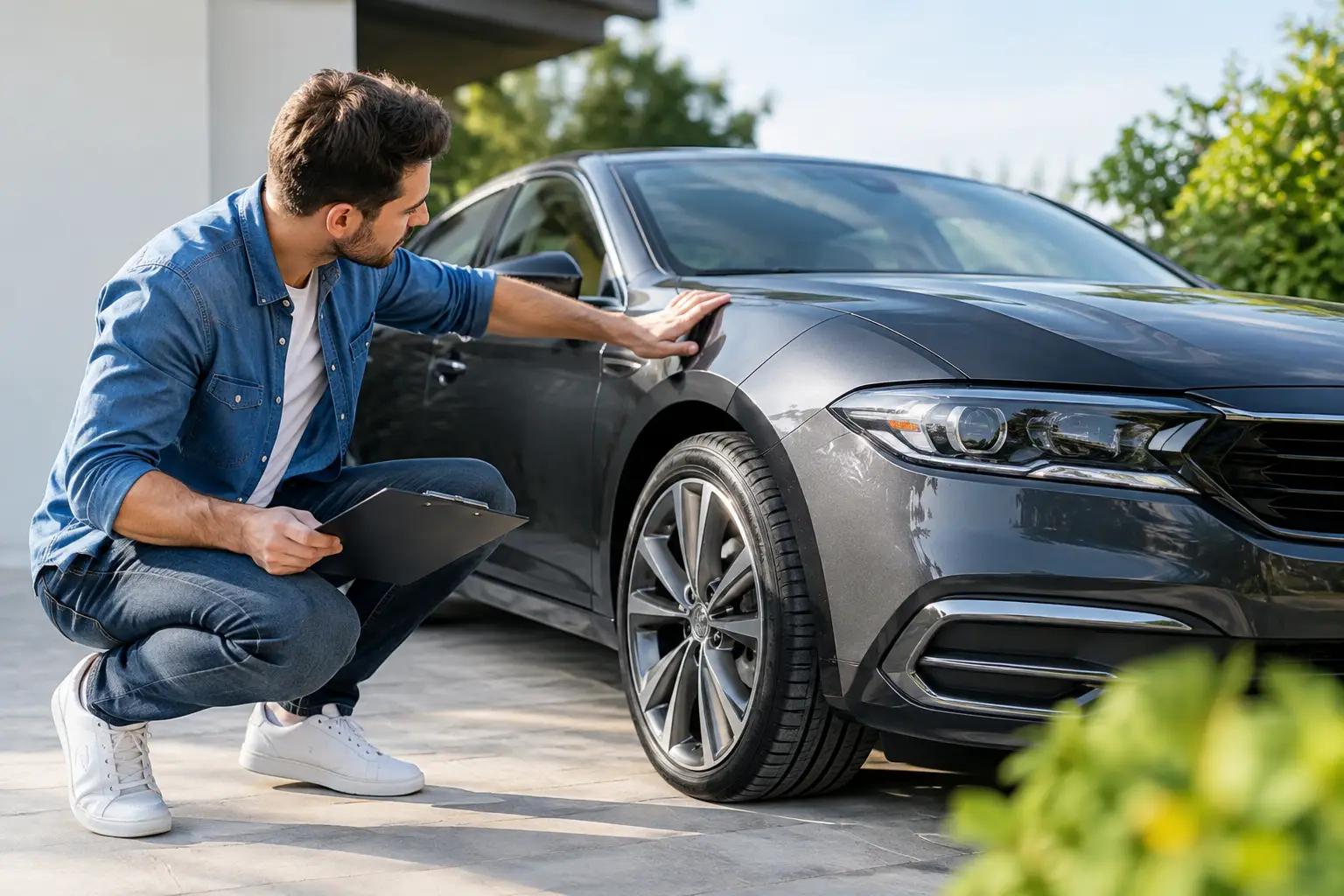
Walk around your vehicle as if you were seeing it for the first time. Look at it outdoors in direct sunlight as well as in shade. Check the front bumper, hood, door edges, lower rocker panels, wheels, windshield, headlights, and cargo area. Inside, look beneath the seats, inside cup holders, around seat seams, and in the door pockets. These areas collect the small details that make a vehicle feel neglected.
The goal is not to hide defects. It is to remove dirt and clutter that make ordinary wear look worse than it is. A clean car gives buyers a clearer, more accurate view of what they are considering.
Vehicle Resale Preparation: Clean Beyond a Basic Wash
A quick drive-through wash and a vacuum are rarely enough for a vehicle headed to market. They may remove surface dust, but they often leave behind bonded contaminants, brake dust, interior residue, odors, and dull-looking paint. Buyers notice that difference, especially when they compare several similar vehicles in the same price range.
Restore the interior where buyers spend their time
The interior can make or break a private sale. Buyers sit in the driver’s seat, touch the steering wheel, open compartments, and imagine using the vehicle every day. If the cabin has embedded dirt, crumbs, sticky surfaces, pet hair, or a noticeable odor, it creates immediate doubt.
Professional interior detailing goes beyond a fast wipe-down. It can include deep vacuuming, cleaning and conditioning appropriate leather surfaces, shampooing or extracting fabric where needed, treating mats and carpets, cleaning vents and crevices, and removing residue from high-touch areas. Odor treatment is especially worthwhile when the source has been properly addressed. Covering smoke, food, pet, or mildew odors with heavy fragrance usually creates more suspicion rather than less.
Remove personal items before the detail appointment and before photographing the vehicle. Empty the glove box, center console, trunk, door pockets, and seat-back storage. A few useful items, such as floor mats, a spare key, and owner manuals, should remain organized and available for serious buyers.
Correct exterior issues that distract from the sale
On the exterior, road film and iron particles can make paint feel rough and look dull even after washing. Paint decontamination safely targets bonded contamination that conventional washing leaves behind. Clean wheels, tires, wheel wells, door jambs, and glass also matter because they frame the overall appearance of the vehicle.
Swirl marks, light scratches, oxidation, and haze can be especially visible on black, dark blue, and red paint in Colorado sunshine. Depending on paint thickness and the vehicle’s overall condition, a single-stage or multi-stage paint correction may improve gloss and reduce the appearance of correctable defects. This is not the same as repainting, and no reputable detailer should promise that every scratch will disappear. Deep scratches, rock chips, peeling clear coat, and damaged panels require a more measured conversation about repair versus disclosure.
For many resale vehicles, the best value is targeted improvement. Correct the defects that make the whole vehicle appear tired, then leave expensive bodywork for damage that genuinely affects the sale. A 10-year-old daily driver does not need to look like a concours vehicle. It needs to look clean, respected, and appropriately priced.
Decide What Is Worth Fixing Before You List
Resale preparation works best when the investment matches the vehicle’s market position. A late-model luxury SUV, a well-kept truck, or a classic vehicle may justify more extensive correction and protection because presentation plays a larger role in buyer expectations. A high-mileage commuter car may benefit most from deep cleaning, odor removal, exterior decontamination, and honest photographs.
Address safety or usability issues before cosmetic upgrades. Replace burned-out exterior bulbs, repair a nonfunctioning latch, check wiper blades, top off fluids as appropriate, and resolve warning lights with a qualified mechanic. A spotless interior cannot compensate for a check-engine light during a test drive.
Be cautious about spending heavily on repairs with little return. Large dents, cracked trim, worn tires, or damaged upholstery may be worth repairing if they will prevent a sale or substantially limit the buyer pool. In other cases, a fair price and straightforward disclosure are smarter than attempting a cosmetic cover-up. Buyers often recognize rushed repairs, and a transparent seller is easier to trust.
Protect the Finish Without Overpromising
Ceramic coating can be an excellent long-term protection choice for an owner who plans to keep a vehicle, particularly in a climate with strong sun, dirt, road salt, and changing seasons. A professionally installed coating can improve gloss, add hydrophobic behavior, and make routine washing easier. It may also help a vehicle continue to present well through months or years of ownership.
However, applying a ceramic coating immediately before selling is not automatically the best resale decision. If the paint has been corrected and the vehicle will remain on the market for a while, it can enhance presentation and simplify upkeep. But a coating does not repair deep defects, and its cost may not always be recovered in a quick sale. For a vehicle being listed soon, paint correction and thorough detailing may deliver the more direct visual return.
The right choice depends on the vehicle’s value, color, condition, expected selling timeline, and buyer type. A detail professional should explain those trade-offs rather than steering every vehicle toward the same package.
Prepare the Records and Listing Photos
Once the vehicle is clean, organize the information that supports its story. A well-maintained vehicle is more persuasive when the seller can show what has been done. Keep service invoices, tire receipts, warranty information, inspection records, and documentation for any major repairs in a simple folder. If you have both keys, manuals, cargo covers, charging cables, or removable accessories, confirm they are present before publishing the listing.
Photographs should be taken after the vehicle has been detailed, not before. Choose a clean, uncluttered location with even daylight. Photograph the front and rear three-quarter angles, both sides, wheels, interior seating, dashboard with mileage visible, cargo area, engine bay if appropriate, and useful features. Avoid heavy filters. Clear, honest photos attract better-qualified buyers and reduce wasted time answering questions that the listing could have addressed.
Include cosmetic flaws in your description when they are material. A buyer who arrives expecting normal wear is more likely to have a productive conversation than one who feels surprised by it. Clean presentation and transparency work together.
Make Test Drives Feel Professional
Before a buyer arrives, remove valuables, check that the fuel level is adequate, and keep the vehicle dry and presentable. Have the title status, maintenance records, and vehicle history information ready if available. Set a reasonable test-drive process that protects both parties, such as verifying a driver’s license and accompanying the buyer.
This final stage is where careful detailing pays off. A fresh, neutral-smelling cabin, clean glass, polished paint, and orderly records reduce friction. They allow the buyer to focus on how the vehicle drives instead of calculating the effort required to make it feel acceptable.
For owners who want professional results without losing a day at a shop, FB Mobile Auto Detailing & Coating can bring interior restoration, exterior detailing, paint correction, and protection services directly to a home or workplace. The best time to prepare is before the listing goes live, when every improvement can show up in the photos, the first impression, and the buyer’s confidence.


