
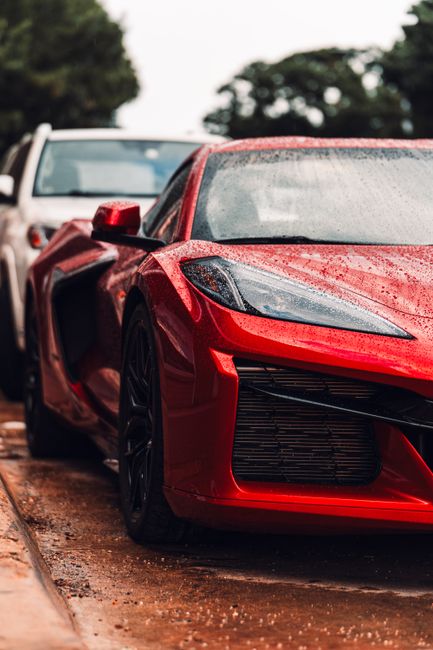
Is Ceramic Coating Actually Worth the Investment for Your Car?
If you park your car outside in Colorado, your paint is fighting a battle every single day. In Colorado, vehicles face a constant battle against extreme weather conditions. The state’s unique combination of high altitude, powerful UV rays, low humidity, hailstorms, snow, and freeze-thaw cycles puts immense stress on your vehicle’s exterior. When I first started advising car owners on paint protection, the most common question I heard was simple: “Is ceramic coating actually worth the money?” After seeing firsthand what Colorado weather does to unprotected paint, my answer has never changed, yes, it is. But the reasons why deserve a proper explanation.
This guide walks you through what ceramic coating actually does, what it costs, what it will not do, and how to decide whether it makes sense for your specific situation. Think of it as straight advice from someone who wants your car to stay protected and looking its best for years to come.
Key Takeaways
-
Ceramic coating lasts years, not months: Most ceramic coatings last two to five years, depending on product quality, environmental exposure, and how you care for that glossy finish. Therefore, if you are currently waxing every two months, a professional coating can eliminate that recurring hassle for years at a time.
-
Colorado’s altitude makes protection essential: At 5,280 feet, Denver receives 25% more UV radiation than sea-level cities, and UV is the number-one cause of paint oxidation and clear coat breakdown. Protection is not optional here; it is actively needed.
-
The upfront cost is offset by long-term savings: If you spend an average of $300 per year on traditional waxing for your car, with a ceramic coating lasting five years, you could potentially save $1,500 on waxing alone during that period. That money stays in your pocket.
-
Resale value receives a real boost: Recent studies have shown that cars with glossy, well-kept paint jobs can fetch up to 10 to 15% higher resale prices than those with visibly worn or damaged paint. Therefore, treat your coating as an investment, not an expense.
-
Professional application is non-negotiable for lasting results: Studies have shown that a professionally applied ceramic coating can last up to five years more than those applied by DIY enthusiasts. Choosing a qualified detailer is as important as choosing the coating itself.
Quick-Start Prioritisation Framework
| Strategy | Best For | Effort Level | Time to Results |
|---|---|---|---|
| Professional ceramic coating | Daily drivers, new cars, long-term owners | Low (after application) | Immediate gloss; full cure in 2-3 weeks |
| DIY ceramic kit | Budget-conscious owners, short-term keepers | High | 1-2 years of protection |
| Wax / sealant only | Classic or garage-kept cars, casual use | Medium (reapply every 6-8 weeks) | Instant, but fades fast |
| Ceramic coating + PPF combo | High-mileage drivers, hail-prone areas, performance vehicles | Low after installation | Immediate; maximum coverage |
Start here if you are:
-
A daily driver in Colorado: Professional ceramic coating, the UV, mag chloride, and hail exposure make it the clearest return on investment.
-
Keeping your car for 3+ years: Full professional coating plus periodic maintenance washes to protect your resale value.
-
On a tighter budget right now: Start with a DIY kit, then upgrade to professional-grade at your next service interval.
What Ceramic Coating Actually Does (and Does Not Do)
How It Works at a Chemical Level
Ceramic coating is a liquid polymer, usually based on silicon dioxide (SiO2) or silicon carbide (SiC), that chemically bonds with the clear coat of your vehicle to form an extremely thin, hard, slick, hydrophobic layer. Once cured, it forms a durable, semi-permanent bond with your clear coat, creating a glossy, protective barrier that can last years, not months.
The practical effect is straightforward. The hydrophobic property makes water bead up and roll off, which means dirt, brake dust, and bird droppings have a much harder time sticking. Washing your car becomes quicker and easier, and contaminants that used to bond to bare paint simply slide away.
Pro Tip: Ceramic coating bonds to whatever condition the paint is in at the time of application. A ceramic coating is not a paint correction product. It does not fill scratches, remove swirl marks, or repair oxidation. It seals whatever condition the paint is in at the time of application. Always ask your detailer about paint correction before coating.
What It Will Not Do
Being honest about limitations matters as much as talking up the benefits. A common myth is that ceramic coating prevents rock chips or deep scratches. It does not. Ceramic coatings are scratch-resistant, not scratch-proof. A key, a sharp stone, or a careless door will still mark the paint. If physical impact protection is your main concern, paint protection film (PPF) is the better answer for those vulnerable areas.
Ceramic coating does not make your car bulletproof. Rock chips, dents, and deep scratches can still happen. Set realistic expectations and you will be satisfied with the result.
This overview walks through what ceramic coatings genuinely offer and where their limitations lie, which is worth watching before forming expectations.
The Real Cost of Ceramic Coating, And the Real Cost of Not Getting One
What You Pay Upfront
Ceramic coating pricing depends on vehicle size and paint correction. As of 2025, mainstream references place professional installs roughly in the $800 to $1,500+ range for many vehicles, with higher-tier packages exceeding that. For larger vehicles or multi-layer premium packages, costs can rise further, with some top-tier applications reaching $2,500 or more.
DIY application kits are significantly cheaper, usually between $50 to $150, but require a lot of time and effort to apply correctly. The savings look attractive on paper, but the risk of poor application is real. Many DIY enthusiasts undertake the application process with minimal preparation or experience, underestimating the precision required for optimal results. Improper application can lead to a range of issues that compromise both the vehicle’s aesthetic appeal and structural protection, potentially resulting in costly corrective work.
What You Save Over Time
Wax costs less upfront, but when you factor in the time, products, and labour for reapplication every few weeks, the annual cost adds up. Ceramic coating costs more initially but requires minimal additional investment over its lifespan. When measured on a per-month or per-year basis, ceramic coating often proves to be the more economical choice for long-term protection.
When provided with proper care, a ceramic coating can last anywhere between two and five years. Compare this to car wax, which only lasts eight to twelve weeks. That is a fundamental difference in value over time, especially if you are paying someone else to apply the wax.

Why Colorado Vehicles Need Ceramic Coating More Than Most
High-Altitude UV Is a Serious Threat
I’ve found that many car owners in Colorado massively underestimate what the altitude does to their paint. Colorado experiences dramatic temperature swings, sometimes 40 degrees or more in a single day, along with low humidity, high altitude, and intense sunlight. This combination creates a perfect storm for exterior damage that many drivers do not anticipate.
In just two years, sun exposure can reduce paint gloss by nearly 50%. That means a car bought in 2023 with no paint protection is already significantly duller. If that stat concerns you, act now, apply a ceramic coating before further fading locks in the damage.
One of the standout features of ceramic coatings is their exceptional ability to protect vehicle paint from harmful UV rays. Over time, UV radiation can lead to significant deterioration of a car’s exterior, resulting in faded paint and an overall neglected appearance that detracts from its value. The chemical structure of ceramic coatings contains unique compounds that create a barrier, effectively blocking or reflecting these damaging rays before they have a chance to infiltrate the surface.
Road Salt, Hail, and Freeze-Thaw Cycles
Road salts and magnesium chloride treatments, used heavily on Colorado highways all winter, embed in your paint and cause micro-etching and corrosion over time. The hydrophobic surface of a ceramic coating makes it far harder for these substances to bond, reducing the chemical damage that accumulates through a typical Colorado winter.
Colorado ranks number two nationally for hail damage insurance claims. Whilst ceramic coating will not stop hail dents, that is PPF’s territory; it does help prevent the surface contamination, micro-impacts, and chemical etching that even near-misses leave behind.
Pro Tip: If your car sits outside year-round in the Denver metro area, ceramic coating is one of the most practical investments you can make. Services like FB Mobile Auto Detailing specialise in mobile ceramic coating application, meaning qualified professionals come to you and apply the coating in controlled conditions, no drop-off required.
Ceramic Coating vs. Wax vs. PPF, Choosing the Right Protection
Ceramic Coating vs. Traditional Wax
The core difference is durability. In order to maintain the most consistent paint protection with wax, it needs to be applied every couple of months, and it is still susceptible to environmental contaminants and harsh soaps that can breach the barrier provided by the wax. A properly applied professional ceramic coating protects a car’s paint more completely for around three to five years.
Pros:
-
Lasts three to five years versus two to three months for wax
-
Superior UV, chemical, and contaminant resistance
-
Dramatically easier washing maintenance
-
Deeper, glossier finish than wax
-
Positive impact on resale value
Cons:
-
Higher upfront cost ($800 to $2,500 professionally applied)
-
Requires proper paint correction before application
-
Does not protect against physical impacts or rock chips
-
Needs a curing period of two to three weeks before full exposure
Ceramic Coating vs. Paint Protection Film (PPF)
Paint protection film and ceramic coating both bring value, but for different reasons. PPF provides unmatched defence against rock chips and scratches, while ceramic coating delivers a glossy finish and makes maintenance easier.
PPF is the bigger investment. We are often talking several thousand dollars for full coverage, whereas a professional ceramic coating usually lands somewhere between a third to half of that cost. For most everyday car owners, ceramic coating is the practical starting point. For those with newer or higher-value vehicles, combining both products on high-impact areas gives the most comprehensive protection.
Common Mistakes That Undermine Your Coating Investment
Skipping Paint Correction Beforehand
In my experience, this is the most frequent mistake I see. Putting ceramic coating on unprepped paint is like painting over a dirty wall; it will not last long, and you will be disappointed with the result. Any swirl marks, oxidation, or micro-scratches will be sealed in permanently beneath the coating.
Choosing an Unqualified Installer
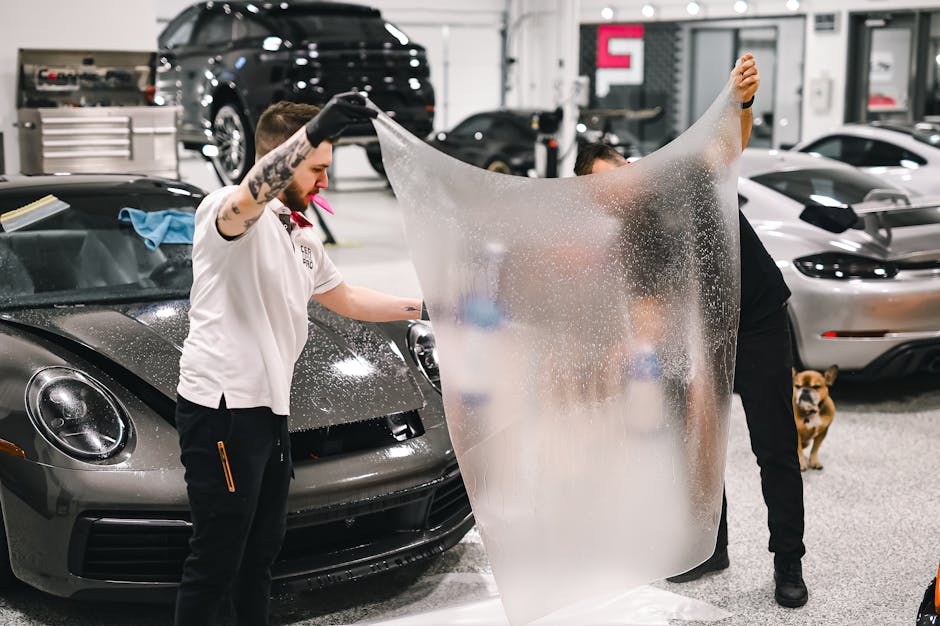
Not all applications are equal, and the difference in results is significant. The most common ceramic coating mistakes include poor surface preparation, applying too much product, improper curing conditions, and incorrect maintenance after application. A qualified detailer will address all of these before a single drop of coating touches your car.
Pro Tip: Ask any prospective detailer specifically whether paint correction is included in their process and what brand of coating they use. A detailer who cannot answer both questions with confidence is worth looking elsewhere. FB Mobile Auto Detailing outlines its coating process transparently, which is the standard every car owner should expect.
Neglecting Maintenance After Application
One of the most common misconceptions about ceramic coatings is that once they are applied, no further care is needed. Regular hand-washing with pH-neutral shampoo is still required. You should have your car detailed roughly every six months to maintain the coating properly. Think of it like maintaining any quality investment, a little consistent care keeps it performing at its best.
Frequently Asked Questions
How long does ceramic coating actually last on a car?
A high-quality professional ceramic coating, when applied correctly and maintained properly, can last for several years. The lifespan typically ranges from 2 to 10 years. The wide range comes down to product grade, preparation quality, your local environment, and how well you maintain the surface afterwards. In Colorado’s high-UV, hail-prone climate, choosing a premium professional coating gives you the most reliable longevity.
Is ceramic coating worth it for a used or older car?
Older cars benefit greatly from ceramic coating, especially when paired with paint correction to restore and protect the finish. The key question is the condition of your paint. If the paint is in reasonable shape, ceramic coating can extend its life significantly. If it is heavily oxidised or has deep damage, address those issues with correction work first, then coat.
Does ceramic coating protect against hail damage?
Ceramic coating does not prevent hail dents, those require paint protection film for meaningful impact resistance. What ceramic coating does is protect the surface from the chemical contamination, water spots, and micro-etching that hail seasons leave behind, even on cars that dodge direct strikes. Hail season in Colorado, running from May through August, leaves water spots, micro-impacts, and surface contamination even on vehicles that escape a direct storm.
What is the difference between professional and DIY ceramic coating?
Consumer-grade ceramic coatings applied at home typically last 1-2 years due to less thorough preparation and application techniques. Professional-grade coatings use higher concentrations of active SiO2, proper multi-stage surface preparation, and controlled application conditions that simply are not achievable in a driveway. The durability gap between the two is substantial.
How soon after application can I wash my car?
A ceramic coating needs at least 24 hours before exposure to water and multiple days before a car wash. Most professional-grade coatings require a full two to three weeks to cure completely before heavy washing or prolonged rain exposure. Your detailer will give you specific aftercare guidance for the product they apply, and following it closely is essential for achieving the full lifespan the coating is rated for.
The Bottom Line
Ceramic coating is worth it for the vast majority of car owners who plan to keep their vehicle for more than a year or two. While the initial application cost may be significant, many users report that the benefits such as easier cleaning and improved paint longevity justify the investment, especially in regions with challenging climates. Colorado is precisely that kind of challenging climate.
The maths are straightforward. A coating that lasts three to five years, reduces your washing effort, protects against the state’s intense UV and road salt, and helps preserve your resale value is not a luxury; it is sensible vehicle ownership. The goal is to keep your car looking sharp and protected through every Colorado season, and ceramic coating is one of the most effective tools available to do exactly that.
For personalised advice on the right coating package for your vehicle and driving habits, reach out to FB Mobile Auto Detailing, a mobile service that brings professional-grade ceramic coating directly to your driveway.
Sources
-
Is Ceramic Coating Worth the Investment?, Autoblog. Overview of ceramic coating benefits and limitations. https://gtechniq.com/ceramic-coating-benefits/
-
Is Ceramic Coating Worth Buying Right After a New Car Purchase?, Fresh Layer. Cost-benefit breakdown including DIY vs professional pricing. https://www.fresh-layer.com/blog/is-ceramic-coating-worth-buying-right-after-a-new-car-purchase
-
Is Ceramic Coating Worth It? Here’s How It Holds Up In The Real World, Jalopnik. Real-world durability analysis. https://www.jalopnik.com/1801001/is-ceramic-coating-worth-it-pros-cons-car-auto-detailing/
-
How Long Does Ceramic Coating Last?, Chemical Guys. Lifespan factors and product comparisons. https://www.chemicalguys.com/blogs/exterior-how-tos/how-long-does-ceramic-coating-last
-
How Long Does Ceramic Coating Last?, Gtechniq. Professional-grade coating lifespan guidance. A high-quality professional
-
How Long Does Ceramic Coating Last?, FEYNLAB. Maintenance and care for maximum longevity. https://www.feynlab.com/how-long-does-ceramic-coating-longevity/
-
Car Paintwork Protection Options: Ceramic Coatings, PPF, and Vinyl Wrap, Aluko Vinyl. 2025 pricing data for ceramic coating and PPF. https://blog.alukovinyl.com/car-paintwork-protection-options-comparing-costs-and-benefits-of-ceramic-coatings-ppf-and-vinyl-wrap/
-
PPF vs Ceramic Coating: The Definitive 2026 Guide, LA Wrap and Tint School. Technical comparison of both protection methods. https://www.lawrapandtintschool.com/post/ppf-vs-ceramic-coating-the-definitive-2026-guide
-
The UV Protection Power of Ceramic Coatings, Baltimore Detail. UV damage statistics and ceramic coating protection data. https://www.baltimoredetail.com/say-goodbye-to-fading-paint-the-uv-protection-power-of-ceramic-coatings
-
How Colorado’s Climate and Weather Impact Auto Paint, Yoder Collision Network. Front Range weather and paint damage overview. https://yodercollisionnetwork.com/auto-body-repair/how-colorados-climate-and-weather-impact-auto-paint-signs-and-repairs/
-
Professional Ceramic Coating in Denver, CO, Extreme Autoworks. Denver-specific UV intensity and hail statistics. https://extremeaw.com/ceramic-coating/
-
Colorado Weather and Car Wash Protection Tips, Rocket Express Car Wash. Altitude UV exposure and temperature swing data. https://www.rocketexpresscarwash.com/colorado-weather-car-wash-protection-tips/
-
The Impact of Ceramic Coating on Vehicle Resale Value, Prestige Auto Armor. Resale value statistics for ceramic-coated vehicles. https://www.prestigeautoarmor.com/the-impact-of-ceramic-coating-on-vehicle-s-resale-value
-
The Cost of Ceramic Coating: Is It Worth the Investment?, CM3 Detail. Five-year wax vs coating savings breakdown. https://www.cm3detail.com/the-cost-of-ceramic-coating-is-it-worth-the-investment
-
Ceramic Coating vs Wax: Which Is Better for Your Car?, PaintSlayer AutoSpa. Long-term cost comparison of waxing vs ceramic coating. https://www.paintslayerautospa.com/blog/ceramic-coating-vs-wax
-
Common Misconceptions About Ceramic Coatings, Rolling Art Group. Myth-busting guide on ceramic coating limitations. https://www.rollingartgroup.com/common-misconceptions-about-ceramic-coatings/
-
Common Ceramic Coating Mistakes, Wings Formula Pro. Application errors and how to avoid them. https://www.wingsformulapro.com/post/common-ceramic-coating-mistakes
-
Ceramic Coating Durability: How Long Does It Really Last?, Endless Detailing. DIY vs professional application longevity comparison. https://www.endlessdetailingwi.com/ceramic-coating-durability-how-long-does-it-really-last


