
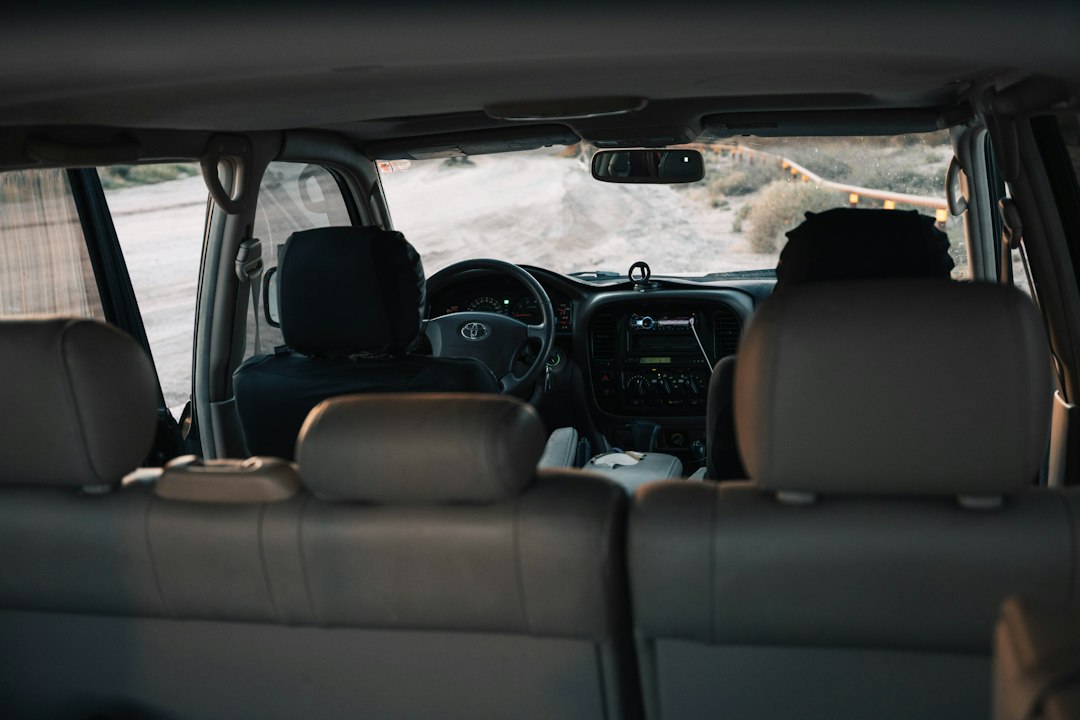
Seven Things That Make Detailing a Truck or SUV Interior Different From a Standard Car
If you drive a full-size truck or a three-row SUV around Denver, you already know that your vehicle carries more life than the average saloon. Sports kit, muddy boots, snowboard bags, dogs, kids, takeaway containers, and whatever the Rocky Mountain trails throw at you; it all ends up inside. In my experience, owners of these vehicles are often surprised when a professional detail takes significantly longer and costs more than a friend’s compact sedan. There is a good reason for that. Truck and SUV interior detailing is a different discipline, shaped by bigger dimensions, more complex layouts, and the unique punishment that Colorado’s roads and seasons dish out.
FB Mobile Auto Detailing sees this every day across the Denver metro. Understanding exactly what makes larger vehicles harder to detail helps you set realistic expectations, ask better questions, and make sure the service you book is built for your vehicle, not scaled up from a compact car package.
Key Takeaways
-
More surface area means significantly more time. A full-size SUV has two to three times the interior surface area of a sedan, with more carpet square footage, additional seating rows, a cargo area, and a larger headliner. Budget accordingly.
-
Third-row seating is the most neglected zone in any SUV. Third-row seating is often the most neglected area of any SUV, collecting crumbs, pet hair, sports equipment, and grime that accumulates unnoticed. A detailer who skips it is not doing the job properly.
-
Denver’s winter deicers make interior contamination worse. Some chemical compounds used to melt snow can leave a harmful residue on carpets when tracked indoors. This means floor mats and footwell carpets in Denver trucks and SUVs need more aggressive treatment than vehicles in drier climates.
-
Leather interiors at altitude need conditioning more often. Colorado’s high altitude means more intense UV exposure, which accelerates fading and drying, and the low humidity does not help either. Conditioning every 90 days is a practical minimum in the Front Range.
-
A rushed full detail on a large truck is a red flag. How long will the detail take? A rushed full detail on a large truck in under two hours is a red flag. Quality truck and SUV interior work cannot be hurried.
Quick-Start Prioritisation Framework
| Situation | Start Here | Effort Level | What to Expect |
|---|---|---|---|
| New to detailing, light soil | Basic interior vacuum + wipe-down | Low | 1-2 hours, surface clean |
| Family SUV, heavy daily use | Full interior deep clean with extraction | High | 3-5 hours, carpet and seats restored |
| Work truck, tools and mud | Cargo + footwell focus, rubber mat treatment | Medium-High | 2-4 hours, heavy grime removed |
| Pet hair throughout | Specialised pet hair removal + enzyme odour treatment | High | Add 1-2 hours to any service |
| Leather seats, faded/dry | Leather clean + condition + UV protectant | Medium | 1-2 hours focused, quarterly upkeep |
| Post-winter, road deicer residue | Full carpet extraction + door sill scrub | High | 2-3 hours, chemical residue cleared |
Start here based on your situation:
-
Light use, infrequent detail: Basic interior clean every 3-4 months keeps build-up manageable.
-
Family or work vehicle, heavy daily use: Full interior deep clean every 6-8 weeks; professional extraction every quarter.
-
Truck or SUV with pets: Add pet hair removal to every detail and enzyme treatment every two visits.
1. The Interior Is Substantially Larger, And That Changes Everything
This sounds obvious, but the scale difference is larger than most people realise. A standard sedan detail takes 2-3 hours. An SUV or 3-row SUV interior detail takes 3-5 hours, and that difference is why not every detailer can deliver consistent results on large vehicles.
Why the Surface Area Adds Up Quickly
An SUV with three rows can have significantly more carpeting, floor mats, seats, and hard surfaces than a two-row car. Detailing each area properly requires additional labour, making the service more time-intensive than simply adding a few minutes to the process.
According to Housecall Pro’s 2026 car detailing pricing guide, a full-service detail costs $500-$650 or more for an extra-large truck or 3-row SUV, compared to $150-$250 for a mid-size sedan. The gap reflects real labour, not a size surcharge. Therefore, if a quote for your full-size truck matches what you would pay for a compact, either corners are being cut or you are getting a very basic clean.
The Sequencing Problem
A small sedan may be efficient to clean front-to-back. An SUV with folding seats may need the cargo area inspected first so the row can be raised and lowered while surrounding surfaces are still untreated. A detailer who has not done this before will lose time and may re-contaminate cleaned zones. This is one reason it pays to work with someone who specifically understands truck and SUV interior detailing in Denver.
Pro Tip: Before any detail begins, fold down your third row and clear out the cargo area completely. This alone saves a detailer 20-30 minutes and ensures the space gets proper attention rather than a surface wipe-around belongings.
This walkthrough of a full-size F250 detail gives a practical sense of the scale and methodology involved when tackling a large truck cabin from the interior outward.
2. Third-Row Seating and Cargo Areas Are a Category of Their Own
In my experience, the back third of a large SUV is almost always the dirtiest zone in the vehicle, and the zone most likely to be under-cleaned. Third-row seating is often the most neglected area of any SUV, collecting crumbs, pet hair, sports equipment, and grime that accumulates unnoticed. Extended cab trucks have jump seats and under-seat storage areas that require extra attention.
What Hides Back There
Interior cargo areas may hold sand, pet hair, mulch, tools, groceries, sports equipment, or beach chairs. If the vehicle tows or spends time near construction, the build-up can be even heavier. In Denver, add ski bags, snowboard boots, dog beds, and trail mud to that list.
The Cargo Area Versus the Cabin
A pickup truck presents its own wrinkle. A pickup can combine a passenger cabin with an exposed truck bed that behaves more like an exterior utility surface than an interior cargo compartment. Confirm upfront whether your detail quote includes the bed, because many packages assume only the cabin.

3. Denver’s Winter Chemicals Track Straight Into Your Footwells
This is the challenge that is unique to Colorado, and one that I find most owners do not connect to their interior condition. Denver uses liquid and solid deicers on its main streets. The city uses liquid magnesium chloride as a deicer for areas downtown.
Why Mag Chloride Is a Problem for Interiors
Magnesium chloride is excellent at corroding precious metals and plastics on your vehicle. Since the substance is liquid versus salt’s solid crystals, it penetrates nearly every inch of a car’s undercarriage. Now consider that trucks and SUVs sit higher off the ground, have more tyre surface to collect spray, and have larger footwells with more carpet. Every time a passenger steps in from a treated road, they carry that chemical residue onto the carpet and mats.
According to the Colorado Department of Transportation’s winter maintenance information, liquid deicer residue should be removed from vehicles with soap and water following winter weather storms. For interior carpet and mats, that means extraction, not a quick vacuum. Denver uses liquid and solid can leave a harmful residue on carpets when tracked indoors. The practical action: book a full carpet extraction service after every heavy snow season, and use quality all-weather floor liners in your truck or SUV throughout winter.
Pro Tip: If you drive a truck or SUV in Denver between November and March, treat your floor mats as a separate item in every detail. Heavy-duty rubber mats should be removed, pressure-rinsed, and treated before going back in. Standard carpet mats need hot water extraction to pull out the mineral residue that vacuuming leaves behind.
4. Seat Materials Require Completely Different Approaches
Mud, road film, pet hair, food residue, stains, and embedded dirt may require specialised cleaning techniques or multiple passes. Deep interior cleaning can involve vacuuming, brushing, steam cleaning, extraction, and careful treatment of different materials. Trucks and SUVs compound this by often mixing seat types across the cabin, leather in the front, cloth in the second and third rows.
Leather: Beautiful but Demanding in Colorado
Without regular conditioning and treatment, the leather in your vehicle will age faster than it should, especially in Colorado’s dry climate. Whether you are driving through the Denver Tech Centre or commuting from Centennial, your seats are exposed to temperature swings, UV rays, and the natural oils from your skin that slowly break down the material.
In a city like Denver, where high-altitude sun exposure is stronger than in lower elevations, leather interiors are at an even greater risk of UV-related damage. If your vehicle is regularly parked outside, the sun can take a serious toll on your seats.
The action step from Steve’s Detailing’s leather care guide is clear: condition leather every three months in Colorado’s climate, use a conditioner with UV protection, and never let it go more than six months without treatment.
Fabric: Easier to Overlook, Harder to Restore
Cloth seats in trucks and SUVs absorb everything. Fabric seats, carpet, and floor mats absorb spills, skin oils, and odours that surface wiping never reaches. Once something has dried into fabric, it takes a steam cleaner and an extractor to lift it properly. For cloth seats, a steam cleaner can work wonders in lifting deep-set dirt.
5. Pet Hair in a Large Cabin Is Its Own Specialised Job
Colorado is a dog state, and trucks and SUVs are the vehicle of choice for anyone hitting the trails with their dog. The result is interiors that are heavily embedded with pet hair across multiple rows and cargo areas. Pet hair can quickly become embedded deep into carpets, floor mats, seat fabric, and even air vents. Once pet hair settles into automotive interiors, it becomes extremely difficult to remove with regular vacuuming, making specialised pet hair removal services essential.
Why Standard Vacuuming Falls Short
The problem with a large SUV is that hair embeds across a much greater surface area, three rows of seats, a cargo liner, and sometimes even the headliner. Professional detailing services use specialised tools and techniques designed specifically for pet hair extraction. Detailers often use air compressors or tornador tools to loosen embedded hair before extraction. Rubber brushes, pumice stones, pet hair blocks, and silicone tools create friction that pulls hair from fabric without damaging surfaces.
If you have a dog that rides regularly in your truck or SUV, plan for pet hair removal as a dedicated add-on, not something a standard vacuum pass will handle. FB Mobile Auto Detailing brings the specialist equipment to your driveway, so you do not need to transport a hair-covered vehicle anywhere.
Pro Tip: Between professional details, a slightly damp rubber glove dragged across fabric seats is a surprisingly effective DIY method for lifting pet hair. It is not a substitute for deep extraction, but it prevents build-up from getting completely out of hand between appointments.
6. Door Sills, Running Boards, and Entry Points Take a Beating
One of the less obvious differences between a sedan and a truck or SUV is what happens every single time someone climbs in. Repeatedly climbing into a taller vehicle creates more day-to-day wear than many owners realise. Shoes brush against the lower door sills, leaving dirt and scuff marks around the rocker panels. In rain or on muddy roads, passengers also track water and grime into the cabin while climbing aboard.
The Door Sill Problem
Truck door sills sit at a higher elevation than a sedan’s, which means boots make contact with them on every entry. In Denver’s winters, those boots carry snow, mag chloride residue, and gravel. Work trucks carry grit into the carpet on every trip, and it grinds into the fibres each time someone slides across the seat. Truck interior detailing is mostly patience: dry extraction first so the grit comes out rather than turning to mud.
Detailing door sills properly means scrubbing the rubber seals, cleaning the painted metal, treating any plastic trim, and then working inward through the footwell carpet. A detailer who only vacuums the carpet and wipes the dash is leaving one of the highest-traffic contamination zones untouched.

7. The Headliner Is Larger, Higher, and Far More Delicate Than You Think
In a sedan, the headliner is relatively compact and easy to access. In a full-size SUV or crew-cab truck, you are dealing with a much larger surface area, and one that requires a specific, careful approach. Headliners are one of the most delicate components of a vehicle’s interior, requiring special care due to their unique construction. Unlike seats or carpets, headliners consist of a thin layer of fabric adhered to a foam backing, which is glued to a hardboard ceiling panel.
Why Over-Wetting Causes Irreversible Damage
A vehicle’s headliner can quietly accumulate dirt, smoke residue, food splatters, and oils from frequent contact. Cleaning it improperly can lead to sagging fabric, water damage, or spreading stains even further. The risk is higher on large SUVs because the headliner spans a greater area, requires the detailer to work at height throughout the cabin, and takes longer to dry.
In Denver, where the dry air and UV intensity accelerate material degradation, a neglected headliner in a truck or SUV can develop odours and discolouration faster than in more humid climates. A musty smell that will not go away even after cleaning the rest of the interior often comes from the headliner, which can hold onto airborne contaminants. The fix is not masking the smell with air freshener; it is proper headliner cleaning followed by odour treatment at the source.
How FB Mobile Auto Detailing Handles Trucks and SUVs in Denver
Editor’s Pick, Best Overall for Truck and SUV Interior Detailing in Denver
Best for: Denver-area truck and SUV owners who want a thorough, vehicle-specific interior detail without driving anywhere.
Whether your vehicle needs a complete interior detail, exterior hand wash, paint decontamination, or showroom-quality finish, FB Mobile Auto Detailing’s experienced specialists use professional-grade products and proven techniques to achieve exceptional results. From daily drivers and family SUVs to luxury vehicles, trucks, and classic cars, they are committed to restoring your vehicle’s appearance while helping preserve its long-term value.
The team comes directly to you providing convenient interior cleaning, exterior detailing, paint correction, and ceramic coating services wherever you are, your driveway, your workplace car park, or anywhere else in the Denver metro. That matters for truck and SUV owners because getting a large vehicle to and from a fixed-location shop takes time and planning. Mobile detailing removes the friction entirely.
What makes the difference for large vehicles is the commitment to working through every zone, not treating a three-row SUV like a fast sedan pass. For Denver owners dealing with mag chloride residue, pet hair, leather that has seen too much Colorado sun, and cargo areas that have hauled everything from ski equipment to camping gear, that thoroughness is what separates a real detail from a quick clean. Visit fbdetailingandcoating.com to book or get a quote.
Frequently Asked Questions
How long does a truck or SUV interior detail take compared to a sedan?
Interior detailing for an SUV or truck typically takes 3-4 hours. A full detail takes 5-7 hours. Third-row seating, extra cargo space, and additional exterior surface area add time compared to a sedan. If a provider quotes you one hour for a full-size truck interior, that is a warning sign that important zones are being skipped.
How much more should I expect to pay for a truck or SUV interior detail?
Basic detailing packages typically cost $50 to $150, while full-service detailing usually ranges from $150 to $300. Larger vehicles like SUVs and trucks often cost $50 to $100 more than sedans because they require more time, labour, and cleaning products. For a full deep clean on a three-row SUV or full-size truck, expect the range to be $300-$650 or more depending on condition.
Why does my truck or SUV interior smell worse in winter?
Denver’s roads are treated with liquid magnesium chloride throughout winter. Colorado highways use magnesium chloride as its most prevalent deicer, this chemical is highly corrosive to metals. It clings to vehicles’ wheel wells and other exposed areas, and passengers track it inside on boots and shoes. That residue combines with moisture, carpet fibres, and pet dander to create persistent odours. A hot water extraction and enzyme treatment in spring is the practical solution.
How often should I have the leather conditioned in my Denver SUV?
Leather that might last fifteen years in a humid climate can start showing wear in five or six years in Denver, Aurora, or anywhere along the Front Range if it is not properly maintained. I recommend conditioning leather every 90 days in Colorado, more frequently if the vehicle parks outside regularly. Always use a conditioner with UV blockers given the altitude.
Is mobile detailing suitable for full-size trucks and SUVs?
Yes, and it is often more practical than taking a large vehicle to a fixed shop. Mobile detailers like FB Mobile Auto Detailing come fully equipped with professional vacuums, extractors, steam equipment, and cleaning products. The only requirements are a safe area around the vehicle for the doors to open fully, and access to a power outlet.
Sources
-
Why Pickup Trucks and SUVs Need a Different Detailing Routine Than Cars, Pickup Truck Talk. Overview of size-driven detailing differences. Interior cargo areas may hold
-
Does Mobile Car Detailing Work Differently for Different Vehicle Types?, Nathan’s Detailing. https://nathansdetailing.com/does-mobile-car-detailing-work-differently-for-cars-suvs-trucks-and-minivans/
-
Why Does Auto Detailing Cost More for Larger Vehicles, Whirlocal. https://whirlocal.io/north-carolina/charlotte-charlotte-north-carolina/spotlight/what-factors-make-auto-detailing-more-expensive-for-larger-vehicles/
-
SUV Truck Detailing Massachusetts, Deelway Mobile Detailing. https://deelwaymobiledetailing.com/suv-truck-detailing/
-
How Vehicle Size Impacts Mobile Detailing Prices, Boost Mobile Detailing. https://boostmobiledetailing.ca/how-vehicle-size-affects-mobile-detailing-prices-in-2025/
-
What is Used to De-Ice Roads and Sidewalks in Denver?, KDVR Fox 31 Denver. Denver uses liquid and solid
-
Denver Drivers: Avoid Problems Caused by Magnesium Chloride Deicer, Prestige Imports. https://www.prestigeimports.net/avoid-problems-magnesium-chloride-deicer/
-
Winter Maintenance FAQ, Colorado Department of Transportation (CDOT). https://www.codot.gov/travel/winter-driving/maintenance-faq
-
Do Cars Rust in Colorado?, Park(ing) Day. Colorado highways use magnesium
-
Leather Seat Care: Conditioning and Treatment for Longevity, Steve’s Detailing. https://www.stevesdetailing.net/leather-seat-care-conditioning-and-treatment-for-longevity/
-
What Causes Leather Seats to Wear Out?, MB Clinic Denver. https://www.mbclinic.com/blog/what-causes-leather-seats-to-wear-out-and-how-can-you-prevent-it
-
How to Get Dog Hair Out of a Car, Chemical Guys. https://www.chemicalguys.com/blogs/interior-how-tos/how-to-get-dog-hair-out-of-car
-
Professional Pet Hair Removal Process, Shine Heroes. https://shineheroes.com/pet-hair-removal/
-
Why Running Boards Have Become a Practical Upgrade, CorvetteSpot. https://www.corvsport.com/why-running-boards-have-become-a-practical-upgrade-for-todays-full-size-suvs-and-pickup-trucks/
-
Interior Car Detailing: Vancouver, WA, Tan’s Auto Detailing. https://tansautodetailing.com/interior-detailing/
-
Headliner Cleaner and Care Guide, Chemical Guys. https://www.chemicalguys.com/collections/headliner-cleaner
-
How to Detail a Car Interior, My Detail Buddy. https://mydetailbuddy.com/how-to-detail-a-car-interior/
-
Car Detailing Prices 2026, Housecall Pro. https://www.housecallpro.com/resources/how-much-to-charge-for-car-detailing/
-
How Much Does Auto Detailing Cost? 2026 Pricing Guide, Maryland Clean Rides. https://www.marylandcleanrides.com/how-much-does-auto-detailing-cost
-
FB Mobile Auto Detailing, Denver, CO. https://www.fbdetailingandcoating.com/


