
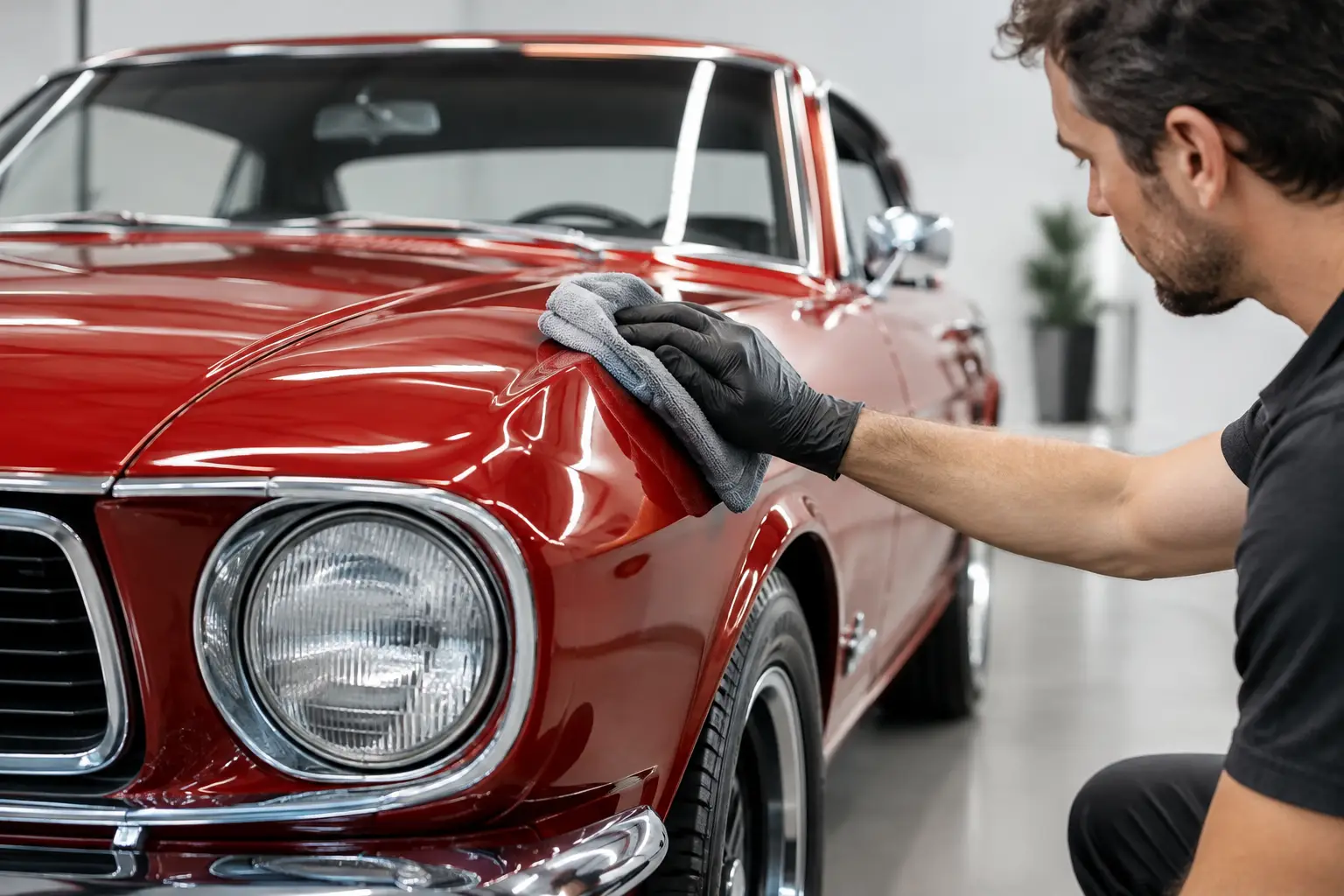
Classic Car Paint Protection That Preserves Value
A classic car can lose years of visual appeal in one careless wash, one summer of intense sun, or one drive home on treated winter roads. Classic car paint protection is not about making every vehicle look artificially perfect. It is about preserving the finish, character, and value that make the car worth caring for in the first place.
For an original survivor, the goal may be to retain as much factory paint as possible. For a restored vehicle, the priority may be keeping a fresh finish free from swirls, oxidation, water spotting, and environmental damage. The right approach depends on the paint’s age, condition, originality, and how the vehicle is used.
Why Classic Car Paint Needs a Different Approach
Older paint systems can be more delicate than modern clear-coated finishes. Many classics have single-stage paint, meaning the color and gloss are contained in the same layer. Others have lacquer, enamel, early clear coat, or a repainted panel with an unknown history. Treating every classic like a late-model daily driver can create unnecessary risk.
A hard polishing process may remove defects, but it also removes a small amount of material. On a vehicle with thin original paint, that trade-off matters. The objective is not always maximum correction. Often, it is the safest improvement possible: removing oxidation, improving gloss, reducing visible swirls, and protecting what remains.
Paint thickness readings, careful test spots, and a close inspection help determine the right path. A knowledgeable detailer should identify compromised clear coat, previous bodywork, checking, cracking, fading, and areas where aggressive correction should be avoided. This is especially important on high-touch areas such as hood edges, fender tops, door handles, and raised body lines.
Classic Car Paint Protection Starts With Preparation
Protection products can only perform as well as the surface beneath them. Applying wax, sealant, or ceramic coating over embedded contamination, staining, and oxidation may add shine temporarily, but it will not create a properly restored finish.
The process begins with a careful hand wash using paint-safe methods. Classics should not be rushed through automatic car washes, where harsh detergents and worn brushes can add scratches and strip existing protection. A proper wash removes loose dirt without grinding it into the paint.
Next comes paint decontamination. Road film, brake dust, tree sap, bug residue, industrial fallout, and mineral deposits can bond to the surface over time. Colorado vehicles also deal with dust, strong UV exposure, sudden weather changes, and winter road treatments. Removing these contaminants makes the paint feel smoother and gives protection products a clean surface to bond to.
If correction is appropriate, polishing follows. A single-stage paint correction may be enough to lift dullness and soften light defects while preserving more original material. Multi-stage correction can produce a more dramatic finish on healthy, newer paint or quality resprays, but it is not automatically the best answer for every classic.
Preserve Character, Not Just Gloss
A few small flaws can be part of a classic car’s story. Original paint with minor patina may hold more value to a collector than an over-corrected finish that looks glossy but has lost measurable paint thickness. The best result is one that respects the vehicle’s purpose.
For a show-quality restoration, a more refined correction may make sense. For a weekend cruiser with well-preserved original paint, a conservative enhancement and strong protection plan can be the smarter investment. Good detailing is as much about judgment as it is about equipment.
Choosing the Right Paint Protection for a Classic
There is no single product that fits every classic. Wax, paint sealants, and ceramic coatings each offer useful benefits, but they differ in durability, appearance, maintenance needs, and suitability for the vehicle’s finish.
A quality carnauba wax is valued for the warm, rich look it can bring to darker colors and single-stage paint. It is a practical choice for garage-kept cars that are driven occasionally and maintained regularly. The trade-off is longevity. Wax needs periodic reapplication and may not provide enough endurance for a vehicle exposed to frequent sun, rain, or road grime.
Synthetic paint sealants generally last longer than wax and provide strong protection against environmental contaminants. They can be a good middle ground for owners who drive their classic often but still prefer a traditional maintenance routine.
Ceramic coatings offer long-term chemical resistance, UV protection, hydrophobic behavior, and easier cleaning when properly installed. Water and grime release more easily from a coated surface, which can reduce the chance of scratching during maintenance. A coating is not a force field, however. It will not prevent rock chips, stop deep scratches, or correct failing paint. It also needs thorough preparation, particularly on older finishes where oils, oxidation, or paint instability may affect bonding.
For many well-kept classics, ceramic protection makes sense when the paint is stable and the owner wants lower-maintenance protection without sacrificing gloss. At FB Mobile Auto Detailing & Coating, the recommendation should always follow an inspection, not a one-size-fits-all package.
Protection Must Match How You Use the Car
A concours vehicle that spends most of its time indoors needs a different plan than a classic truck driven to weekend events, or a vintage coupe that sees regular Denver commutes. Storage, mileage, parking habits, and weather exposure all affect the best protection choice.
A garage-kept collector car may benefit from a gentle wash schedule, periodic wax application, climate-aware storage, and a breathable cover only when the paint is clean. Covering a dusty car can create fine scratches from trapped debris. For long-term storage, maintaining stable humidity and keeping the car away from direct sunlight are just as valuable as the product applied to the paint.
A frequently driven classic needs more durable protection and more disciplined washing. Road salt should be removed promptly after winter driving, including from lower panels, wheel wells, and underbody areas where corrosion can begin. Bird droppings, bug residue, and tree sap should also be cleaned off quickly because they can etch or stain older paint.
Washing Habits That Protect the Finish
Most swirl marks are created during washing and drying, not while the car is parked. The safest protection plan can be undermined by rough towels, a dirty wash mitt, or a quick wipe-down on a dusty panel.
Use a clean, lubricating automotive shampoo and separate wash tools for painted surfaces and wheels. Rinse thoroughly before touching the paint, work from upper panels downward, and avoid washing in direct sun when possible. Dry with clean microfiber towels using light pressure rather than rubbing aggressively.
Do not use household dish soap, abrasive polishes, or old bath towels on a classic finish. Dish soap can strip protection and dry out trim, while abrasive products may remove more paint than intended. If the car has single-stage paint, color transfer onto a towel can occur during polishing or washing. That does not always mean something is wrong, but it is a reason to use a careful, informed process.
Watch for Early Signs of Paint Damage
Paint rarely fails all at once. Early warning signs include fading, chalky oxidation, a rough surface after washing, water spots that do not wipe away, reduced gloss, and fine cracks in the finish. Catching these issues early can often limit the amount of correction needed.
Clear coat failure, peeling, deep checking, and widespread cracking cannot be repaired with detailing alone. In those cases, polishing may make the damage more obvious or worsen weak areas. Honest assessment matters. Professional paint protection should improve and preserve healthy paint, not promise to solve problems that require bodywork or repainting.
A Better Long-Term Plan for a Vehicle You Intend to Keep
Classic car ownership rewards consistency. A protected finish is easier to clean, but it still needs thoughtful maintenance. Schedule gentle washes after dirty drives, inspect the paint seasonally, refresh protection when needed, and address contamination before it has time to bond or stain.
The payoff is more than a sharper reflection at the next cruise-in. Proper care helps preserve original materials, reduces avoidable wear, and lets you enjoy the vehicle without wondering whether every sunny drive is taking something away from it. Treat the paint with the same respect you give the engine, interior, and history of the car, and it can continue telling its story beautifully for years to come.


