
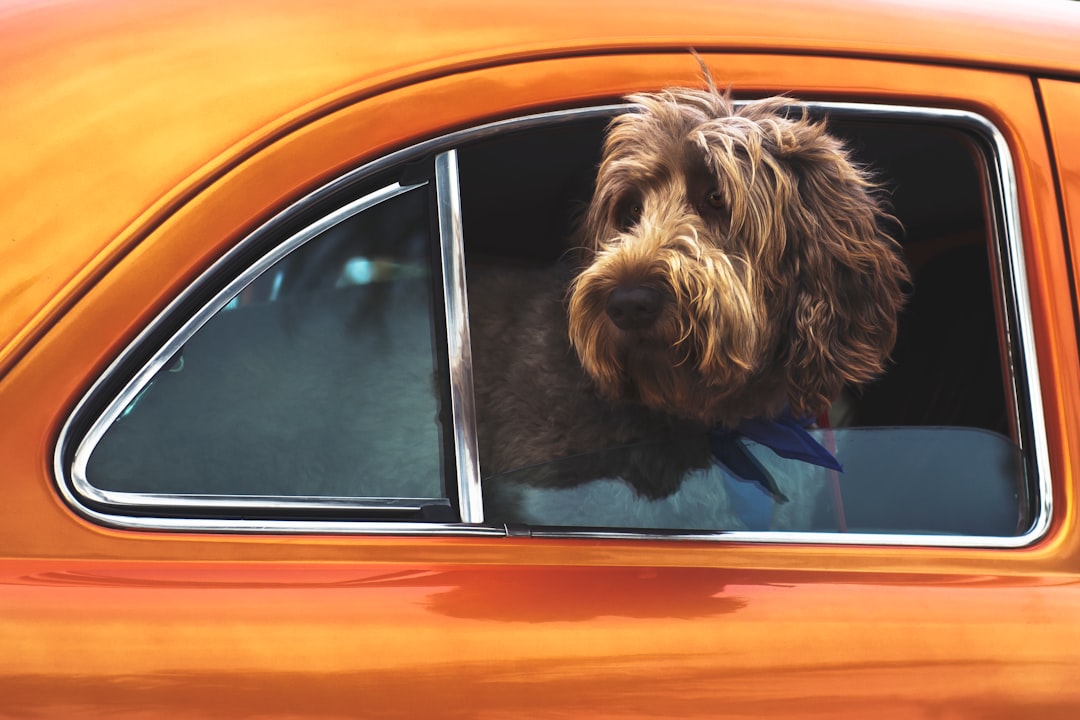
The Surprisingly Effective Way to Tackle Pet Hair Car Removal
If you share your vehicle with a dog or a cat, you already know the scene. You open the car door, and there it is: a fine layer of fur coating the seats, wedged into every seam, and clinging to the carpet like it was woven there on purpose. A survey by the American Automobile Association (AAA) found that over 80% of dog owners drive with their pets in the car, which means the vast majority of pet owners are fighting this same battle every single week. The good news? There is a proven sequence of techniques that actually works, and once you understand why pet hair sticks so stubbornly, you can remove it far more efficiently than guesswork allows.
In my experience helping Colorado pet owners keep their vehicles looking sharp, the biggest mistake people make is reaching for the vacuum first. A standard vacuum pass on an upholstered seat rarely solves the problem on its own, and many owners feel defeated before the real cleaning has even begun. This guide walks you through what actually moves the needle, from the science behind the static cling to the tools that professionals rely on.

Key Takeaways
-
Static electricity is the real enemy: Pet hair clings to car interiors because of static electricity. Most automotive carpets and seat fabrics are made from synthetic fibres, and when your pet’s fur rubs against those fibres, friction creates static, a charge that makes the hair stick fast. Address the static first, and the hair comes out more easily.
-
Vacuuming alone is not enough: Unlike smooth human hair, pet hair is covered in overlapping microscopic scales that form a cuticle layer acting like tiny barbs, making it cling and embed in fabric, an effect similar to Velcro. You need to loosen it before you can lift it.
-
The right sequence matters: According to Stoner Car Care’s pet hair removal guide, beginning with a deep vacuuming session, then using rubber gloves to gather stubborn clumps, and finishing with a final vacuum pass consistently outperforms single-tool approaches.
-
Pet hair carries hidden health risks: Pet hair often carries dander saliva, pollen, and microscopic allergens that can trigger allergic reactions or worsen existing respiratory conditions, and even if you are not allergic to your pet, passengers could be. Therefore, regular removal is a health issue, not just a cosmetic one.
-
Professional mobile detailing resets the interior: Accumulated hair can lead to odours and even damage fabrics over time. Hiring a mobile detailer ensures your car remains in excellent condition, which helps preserve its resale value, since a clean interior is more appealing to potential buyers.
Quick-Start Prioritisation Framework
| Approach | Best For | Effort Level | Time to Results |
|---|---|---|---|
| Lint roller + dryer sheet | Light surface hair, quick touch-up | Low | Minutes |
| Rubber glove + fabric softener spray | Moderate embedded hair, fabric seats | Low-Medium | 20-30 minutes |
| Rubber brush + shop vac | Heavy buildup, carpet and seat seams | Medium-High | 45-90 minutes |
| Professional mobile detailing | Severe accumulation, leather + fabric mix, pre-sale | Low (for you) | 1-3 hours |
Start here if you are:
- A weekly pet traveller: Keep a lint roller in the glovebox and do a quick rubber-glove pass every fortnight to stay ahead of buildup.
- Preparing to sell or trade in: Book a mobile pet hair removal detail. A clean, odour-free interior significantly improves your car’s resale or trade-in value.
- Dealing with allergies: Prioritise professional extraction, which removes dander from vents and seat seams that DIY tools cannot reach.
Why Pet Hair Sticks So Stubbornly in the First Place
Understanding the problem is the first step to solving it efficiently, so this section is worth a few minutes of your time before you pick up any tool.
The Static Electricity Trap
Pet hair sticks due to static cling and friction. Most car interiors, especially cloth upholstery and carpet, create the perfect storm of texture and static electricity. Every time your pet shifts position on the seat, that movement generates a fresh charge that drives hair deeper into the fibres. According to Rodeo Express Car Wash’s detailed interior guide, static can make hair cling to upholstery, carpet, and even plastic trim, which explains why a quick wipe rarely lifts everything.
This static problem is amplified here in Colorado. Homes at higher elevations may experience more static electricity, which attracts dust and fine particles to surfaces. The same principle applies inside your vehicle. Denver’s dry, semi-arid climate means the air inside your car holds less moisture, and low humidity is one of the primary drivers of static buildup. In other words, pet hair car cleaning in Denver and along the Front Range requires a slightly more deliberate approach than it might in a humid climate.
The Microscopic Barb Problem
Pet hair is covered in overlapping microscopic scales that form a cuticle layer acting like tiny barbs, which make hair cling and embed in fabric. This is why running a standard vacuum nozzle over a seat leaves hundreds of hairs still woven in. The suction can pull out what is already loose, but it cannot dislodge hair that has barbed itself into upholstery fibres. You need friction and agitation before suction will work properly.
The Most Effective DIY Pet Hair Removal Sequence
I have tried nearly every method out there, and the ones below consistently deliver results. The key is working in the right order rather than attacking the problem randomly.
Step 1, Prepare the Surface
Before tackling pet hair, you should start with a clean slate. Remove any loose items from your car, like floor mats and personal belongings, to ensure you have full access to all surfaces. Then grab a vacuum cleaner and remove any large debris, crumbs, and dirt from the vehicle’s interior. This initial pass prepares the surface for focused pet hair removal and stops loose dirt from mixing with the fur you are trying to gather.
Step 2, Use the Fabric Softener Trick
This is the step most people skip, and it is also the one that makes the biggest difference. Mix one part fabric softener with three parts water in a spray bottle, lightly mist fabric surfaces, and wipe with a microfiber cloth. The solution breaks the static bond that makes pet hair cling stubbornly to textiles, removes hair, leaves a pleasant scent, and reduces future hair buildup. Always test the mixture on a small hidden area first to confirm it will not mark your upholstery.
Pro Tip: In Colorado’s dry air, dilute the fabric softener further, one part softener to ten parts water, to avoid leaving any residue on the fabric. The Rodeo Express Car Wash pet hair guide recommends applying just a fine mist, never a soaking layer, and allowing the surface to become barely damp before brushing.
Step 3, The Rubber Glove Method
A basic rubber cleaning glove can be one of the most effective pet hair tools. Lightly dampen the glove and run your hand over the upholstery. The mix of friction and moisture builds static, pulling loose hairs together into clumps. Once the fur gathers, lift it away by hand or make a quick pass with the vacuum. This method works especially well on stubborn spots where suction alone leaves hair behind.
Work section by section rather than trying to do the whole seat in one sweep. Rinse the glove frequently in a bucket of water as it fills with hair.
Step 4, Targeted Brush Agitation
Switch to a pet hair attachment on your vacuum and move in slow, deliberate strokes. Start at the top of your seats and work downward, paying special attention to crevices, seams, and corners where pet hair loves to hide. Use a rubber bristle brush to lift hair before vacuuming for thorough cleaning sessions on carpets and mats.
Switch to a crevice tool for seat seams, corners, and the glove compartment. A pet hair-specific vacuum attachment works best for stubborn hair embedded in fabric fibres. Move in slow, deliberate strokes for best results, and focus on one area at a time to ensure no hair is left behind.
Step 5, The Final Vacuum Pass
Switch to a crevice tool for seat suction power, so clear the canister frequently. Empty it before your final pass to ensure maximum suction picks up everything that has been loosened in the previous steps. Vacuum in multiple directions, not just back and forth, since pet hair can lie flat against carpet and upholstery after passengers have sat on it, so vacuuming in multiple directions lifts hair that has settled with the weave.
 Photo by
 The following footage walks through a real-world pet hair removal job from start to finish, showing how each stage of the process is applied to heavily soiled upholstery and carpets.
Choosing the Right Tool for Your Upholstery Type
Matching your tool to the material is critical. Using the wrong approach can spread hair further, or in some cases damage delicate surfaces.
Fabric and Cloth Seats
For fabric seats, rubber gloves work exceptionally well, the static friction pulls hair out as you rub the upholstery. A purpose-built pet hair brush with rubber bristles is also highly effective. According to Chemical Guys’ dog hair removal guide, combining a rubber bristle brush with your vacuum to dislodge hair as you go is one of the most thorough methods for fabric interiors.
For flat carpeted areas, a rubber squeegee can cover ground quickly. A squeegee with a rubber blade can gather pet hair from fabric seats and carpets effectively. Use short strokes in one direction to herd hair into clumps, then collect by hand or with the vacuum.
Leather and Vinyl Seats
For leather seats, use a microfiber cloth to wipe down surfaces and finish with a lint roller. Avoid using rubber brushes aggressively on leather, as the friction can dull the surface over time. For leather seats, avoid static buildup by wiping with a dryer sheet first, then use your vacuum. The dryer sheet neutralises the static charge that causes stray hairs to re-attach after you have just cleaned the area.
Crevices, Seat Seams, and Tight Spaces
A vacuum with narrow crevice attachments helps collect loose hair around seat tracks, under the pedals, along door pockets, and in the seams between seat cushions. Compressed air can be useful for dislodging hair from very tight gaps before you vacuum, pushing it out into the open where tools can reach it properly.
Pro Tip: Pet hair often carries dander heating and cooling systems, and filters. As hair and dander build up in the cabin air filter and ventilation system, it can restrict airflow and circulate contaminated air throughout the vehicle. Check and replace your cabin air filter regularly if your pet travels with you frequently, most manufacturers recommend doing so every 12,000 to 15,000 miles, and pet owners should consider doing it sooner.
The Hidden Costs of Ignoring Pet Hair Buildup
It is easy to put off a thorough clean when life gets busy, but the cost of delay is higher than most people realise.
Health and Air Quality
According to the U.S. Centers for Disease Control and Prevention, approximately 30% of people with allergies react to dogs or cats, and pet dander can persist in the environment for weeks to months if not properly cleaned. Therefore, if you regularly carry passengers, children, colleagues, or anyone with sensitivities, a fur-coated interior is a genuine health concern and not just a cosmetic inconvenience.
Pet hair often carries dander amplifies exposure to these allergens, as hair and dander circulate through the air vents and HVAC system. Over time, this can lead to chronic exposure and increased discomfort for anyone riding in your vehicle. The fix is straightforward: regular removal keeps dander concentrations manageable.
Upholstery Damage and Resale Value
Dog hair, if left unattended, can embed itself into various surfaces of your car’s interior, including upholstery, carpets, and vents. Over time, this can lead to wear and tear, affecting the overall quality and aesthetics of your vehicle. Thorough car hair removal is therefore a proactive measure to preserve the integrity of your car’s interior and maintain its resale value.
Think about the numbers when you are ready to sell. A clean, fresh-smelling interior commands a noticeably better price. For those getting ready to sell a vehicle or return a lease, a hair-free, odour-free interior can dramatically improve the car’s perceived value, and clients have avoided cleaning fees or received better resale offers simply because the car felt clean again.
When to Call in a Mobile Detailing Professional
DIY methods are excellent for maintenance, but there are situations where professional help is the smarter and faster choice.
What Professional Mobile Pet Hair Removal Involves
Pet hair is more than just a nuisance; it can also contribute to allergies and respiratory issues. A professional mobile detailing service not only removes visible hair but also deep-cleans surfaces to eliminate dander and other allergens, resulting in a healthier environment for you and your passengers.
Mobile detailing is particularly convenient for Denver and Front Range residents with busy schedules. Rather than driving to a fixed location, a fully equipped van comes to your home or workplace. With a mobile service, there is no need to drop your vehicle off or worry about alternate transportation while your vehicle is being detailed on-site.
At FB Mobile Auto Detailing, the approach to pet hair car cleaning combines professional-grade vacuums, specialist rubber agitation tools, and a multi-step process designed to pull embedded fur from even the deepest seat seams. Colorado’s variable climate, dry summers, snowy winters, and the static-amplifying high altitude, makes the interior work here more demanding than in many other states, and that context shapes every service.
What to Expect from the Process
Results depend on the type of hair, the interior material, how deeply the hair is embedded, and how long it has been accumulating. Longer hair may vacuum more easily, while short, stiff hair can become woven into carpet and fabric. Some vehicles also have coarse factory carpeting that holds pet hair more aggressively than other materials. A good detailer will walk you through realistic expectations before starting.
Professional pet hair removal pricing typically varies by the level of buildup. Typical ranges run from around $50 to $100 for light pet hair, $100 to $200 for moderate buildup, and $200 or more for heavy pet hair removal, with vehicles that have excessive buildup potentially requiring deep cleaning, shampoo extraction, and additional labour. Those numbers reflect the significant time and specialist equipment involved, and the result is far more thorough than what is achievable with consumer tools alone.
Pro Tip: If you transport pets daily, I would recommend scheduling a professional interior detail at least twice a year. For most daily drivers, at least two interior details per year keeps things fresh and prevents buildup from becoming harder to remove. Between appointments, the DIY routine above keeps things under control.

Preventing Pet Hair Buildup Between Cleans
The best pet hair car removal strategy involves spending less time removing hair in the first place. A few simple habits go a long way.
Use Seat Covers and Pet Hammocks
Switch to a crevice tool for seat a washable, pet-friendly cover, catches fur before it reaches your car seats. Pet hammocks are particularly effective for rear seats, as they form a full barrier between your dog and the upholstery. Both options are washable, which means the fur goes into your washing machine rather than embedding itself into your car’s fabric.
Groom Your Pet Before Car Rides
Switch to a crevice tool for seat, using a wire brush or de-shedding tool, removes loose fur before they enter the car. This single habit can dramatically reduce the volume of hair deposited on every trip. Cats are less cooperative, but a thorough brush before travel helps with them too. During periods of shedding, dogs can lose over a hundred hairs a day, and cats can lose around a thousand hairs daily, so catching that loose hair at the source, rather than in your upholstery, makes an enormous practical difference.
Keep a Lint Roller in the Car
Using a lint roller or similar device, removing the pet hair once a day can significantly impact the level of cleaning needed later. A 30-second roll over the rear seat after every journey keeps surface hair from having the chance to work its way deeper into the fabric.
Frequently Asked Questions
Why does my vacuum fail to remove pet hair from car seats?
Even the best vacuums tend to only suck up the hair that is already loose. Along with a vacuum, you need a tool to gather up the pet hair first. The barbed structure of pet hair means it actively clings to fabric fibres. Agitate the hair with a damp rubber glove or a rubber-bristle brush before vacuuming, and your results will improve dramatically.
How often should I clean pet hair from my car?
The frequency of pet hair removal detailing depends on factors such as your pet’s shedding, how frequently your pet travels in the car, and your personal preferences. As a practical guide, a quick DIY pass every one to two weeks keeps surface buildup manageable, while a thorough professional interior detail twice a year addresses the embedded hair that routine cleaning cannot reach.
Is pet hair in my car a health risk?
Pet hair carries dander, and according to the American Lung Association, pet dander particles are small enough to stay airborne for extended periods and can trigger allergy or asthma symptoms in sensitive individuals. The Asthma and Allergy Foundation of America notes that dander allergens can persist on fabric and upholstery-type surfaces well after a pet has been removed from the environment. Regular, thorough cleaning is therefore advisable for health reasons, not merely appearance.
Can I use household items for pet hair removal, or do I need specialist tools?
Household items work very well for moderate buildup. A pair of kitchen rubber gloves lightly dampened with tap water, used to rub the upholstery or fabric vigorously will cause pet hair to stick to the fingertips. A diluted fabric softener spray neutralises static, and a squeegee gathers clumps on flat carpet areas. Specialist tools, purpose-built rubber pet brushes and high-powered vacuums with upholstery attachments, outperform household items on heavy, embedded hair, but you can achieve excellent results with common items for lighter jobs.
Does professional mobile detailing for pet hair removal damage my upholstery?
Professional detailers use tools and methods designed specifically for automotive materials. A reputable mobile detailing service matches the technique to the seat type, gentler methods for leather and Alcantara, more aggressive agitation for deep-pile carpet and cloth. Always confirm with your chosen provider that they are experienced with pet hair specifically, and ask about the products they use to ensure they are safe for your interior.
Closing Thoughts
Pet hair car removal is a manageable challenge once you stop relying on a single tool and start working the problem in sequence. Address the static first, agitate the fibres with the right tool, and then vacuum up what you have loosened. In Colorado’s dry climate, that fabric softener spray step is especially valuable because it directly counteracts the extra static that the altitude and dry air generate.
For those times when the buildup has gone beyond what DIY methods can handle, or when you want the satisfaction of a truly reset interior before a road trip or a vehicle sale, the team at FB Mobile Auto Detailing brings the equipment and expertise directly to your driveway. Your car does not have to look like a fur farm just because you love your pet.
Sources
-
How to Remove Dog Hair from Your Car, Gtechniq. Pet hair removal techniques and prevention. Switch to a crevice tool for seat
-
How to Remove Pet Hair from Car Seats: Proven Tips and Tools, Stoner Car Care. Step-by-step removal methods including rubber gloves and static techniques. https://stonercarcare.com/blogs/the-basics/how-to-remove-pet-hair-from-car-seats-proven-tips-and-tools-that-work
-
How to Get Dog Hair Out of Car, Chemical Guys. Professional tool recommendations and vacuuming strategy. https://www.chemicalguys.com/blogs/interior-how-tos/how-to-get-dog-hair-out-of-car
-
How to Get Pet Hair Out of Car, Dreame. Fabric vs leather seat cleaning methods. https://www.dreametech.com/blogs/blog/how-to-get-pet-hair-out-of-car
-
Car Expert’s Genius Hack Removes Pet Hair, AOL/Ovoko. Static electricity explanation and household hack. Pet hair clings to car interiors
-
How to Remove Pet Hair from Car Upholstery, Echelon Elite. Upholstery-specific guidance and crevice tools. https://www.echelon-elite.com/post/how-to-remove-pet-hair-from-car-upholstery
-
17 Pet Hair Removal Hacks That Actually Work, Home as We Make It. Fabric softener spray technique and anti-static methods. https://www.homeaswemakeit.com/17-pet-hair-removal-hacks-that-actually-work/
-
Pet Hair Removal Car Interior Guide, Rodeo Express Car Wash. Fabric softener dilution ratios and rubber glove method. https://rodeoexpresscarwash.com/blog/pet-hair-removal-car-interior-guide
-
The Hidden Dangers of Pet Hair in Your Car, Syndetail. Health and HVAC impact of pet hair buildup. Pet hair often carries dander
-
How to Remove Pet Hair from Your Car, Vorwerk Auto. American Lung Association and AAFA dander references. https://www.vorwerkauto.com/how-to-remove-pet-hair-from-car-interiors-the-right-way/
-
How to Effectively Remove Pet Hair from Your Car, SD Clean Rydz. Mobile detailing benefits and resale value. Mobile detailing convenience and resale value. Mobile detailing benefits for pet owners include professional pet hair removal at your location and improved resale value through consistent vehicle care.
-
Best Car Detailing Solutions for Pet Owners, TrueWash. Resale value and allergen control. https://truewash.us/pet-hair-removal-detailing/
-
Pet Hair Removal, GoShine Mobile Detailing. Professional service pricing ranges. https://goshinedetail.com/pet-hair-removal-car
-
How to Remove Pet Hair from Your Car, Spiffy Blog. Anti-allergen spray and dander management. https://blog.getspiffy.com/how-to-remove-pet-hair-from-your-car
-
Dog Travel Statistics, Kurgo/AAA. Survey data on pet owners driving with dogs. https://www.kurgo.com/dog-travel-statistics
-
Survey: Unrestrained Pets Lead to Distracted Driving, AAA via CBS News. 80% of dog owners drive with pets in the car. https://www.cbsnews.com/amp/boston/news/survey-unrestrained-pets-lead-to-distracted-driving
-
How to Remove Dog Hair from Your Car Interior, Delomo. Step-by-step fabric and leather techniques. https://www.delomo.com/blogs/guide/how-to-remove-dog-hair-from-car-the-ultimate-2025-guide
-
The Impact of Altitude on Home Cleaning in Denver, Organic Maids Denver. Static electricity and dry climate effects at altitude. https://organicmaids.com/blog/the-impact-of-altitude-on-home-cleaning-in-denver/
-
How to Remove Pet Hair from Your Car, Wash My Mobile. Dog and cat hair per square inch statistics. https://www.washmymobile.com/post/the-best-secret-to-removing-pet-hair-from-your-car
-
Pet Hair Removal, Peach Line Mobile Detailing. Professional service tiers and expectations. https://www.peachlinemobiledetailing.com/pet-hair-removal


