
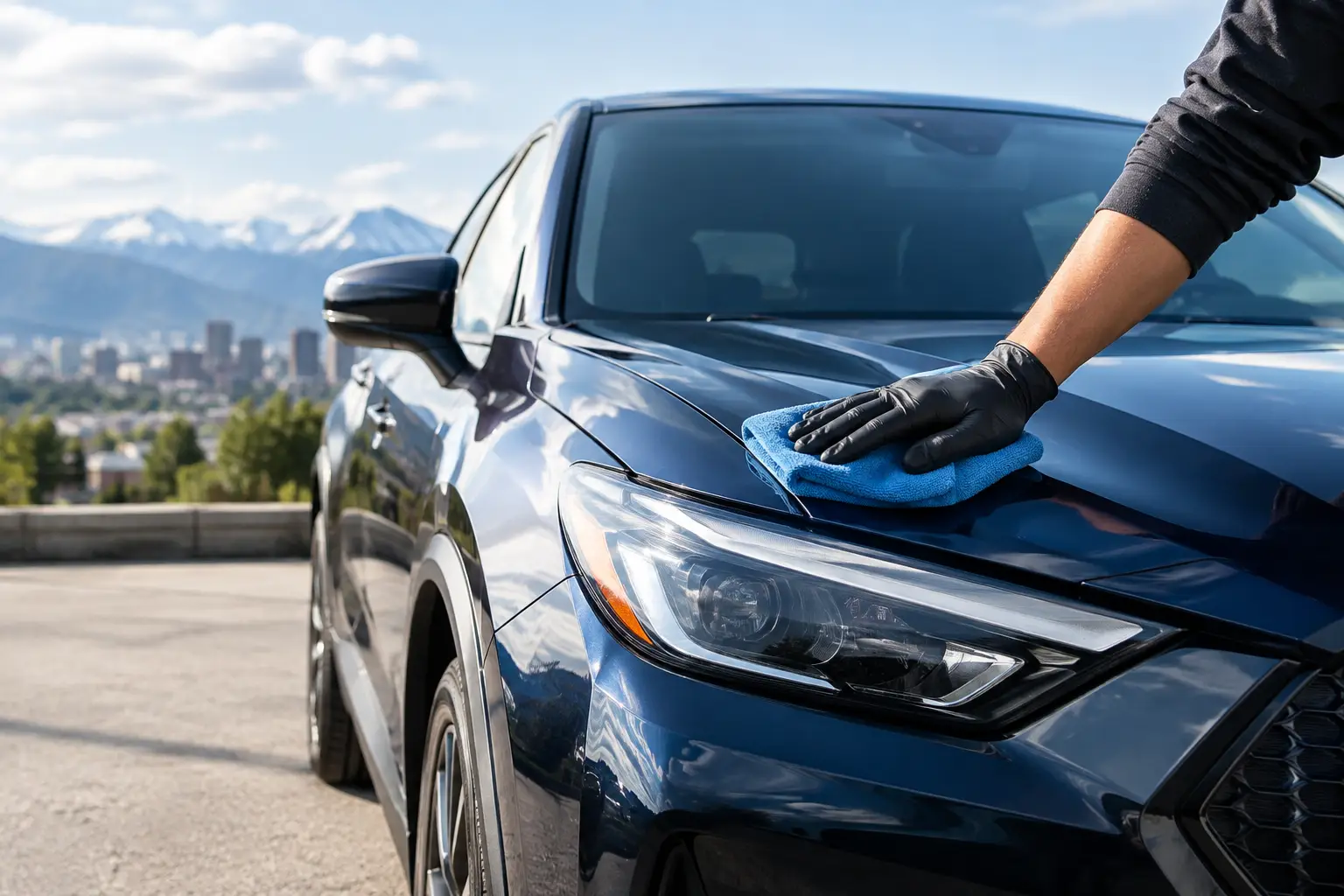
Ceramic Coating Denver for Lasting Paint Care
Colorado can make a clean vehicle look neglected in a hurry. A bright, dry afternoon can be followed by dusty roads, intense sun, sudden rain, or winter slush loaded with de-icing chemicals. For owners who want their paint to stay glossier and easier to maintain, ceramic coating Denver service is a practical form of long-term protection, not just a cosmetic upgrade.
A professionally installed coating creates a durable, chemically resistant layer over the vehicle’s clear coat. It enhances gloss, sheds water and grime more easily, and helps defend the finish against the conditions Denver drivers deal with every season. The result is a vehicle that looks better between washes and is simpler to care for without giving up the clean, polished appearance you value.
What Ceramic Coating Actually Does
Ceramic coating is a liquid polymer that bonds to the painted surface after it has been carefully cleaned, decontaminated, and corrected as needed. Once cured, it forms a protective layer that is far more durable than traditional waxes and most spray sealants.
Its most noticeable benefit is hydrophobic behavior. Water beads and rolls away more readily, often carrying loose dirt along with it. Road film, bug residue, pollen, and mud still land on the vehicle, but they are less likely to cling aggressively to a protected surface. That makes routine washing faster and reduces the temptation to scrub at contamination that could create new swirl marks.
A quality ceramic coating also provides meaningful resistance to UV exposure, oxidation, chemical contaminants, and staining. Denver’s elevation means strong sunlight, and over time that exposure can contribute to faded trim, diminished gloss, and a tired-looking finish. A coating adds another line of defense while preserving the depth and clarity of the paint.
It is not an invisible force field. Ceramic coating will not prevent rock chips, deep scratches, dents, or collision damage. It does not mean a vehicle never needs to be washed. Drivers seeking impact protection on high-risk areas such as the front bumper, hood, mirrors, and rocker panels may need paint protection film in addition to or instead of a coating. The right choice depends on how and where the vehicle is driven.
Why Ceramic Coating Matters in Denver
A vehicle in Denver faces a mix of environmental stress that is tough on paint. Winter roads can leave behind salt, magnesium chloride, slush, and dirty spray. Spring brings pollen and unpredictable weather. Summer adds powerful UV exposure, insects, and dust, while trips into the mountains can mean gravel, mud, tree sap, and road debris.
Ceramic coating helps reduce the day-to-day effect of those elements. It gives contaminants less opportunity to bond to the clear coat, so washing away road grime before it becomes a stubborn stain is easier. That matters for a daily-driven SUV carrying kids and pets, a work truck that sees job sites, and a garage-kept performance vehicle alike.
The value is not limited to shine. Consistent paint protection supports the overall condition of a vehicle, which can make a difference when it is time to trade in, sell privately, or simply enjoy owning it for years to come. A well-kept finish signals that the vehicle has received attentive care.
Preparation Determines the Result
The coating itself is only one part of a professional installation. The work that happens before application determines how the final finish will look. Applying a coating over bonded contamination, water spots, oxidation, or swirl marks can lock those defects beneath a glossy protective layer.
A proper service starts with a thorough hand wash and paint decontamination. Iron particles, embedded road fallout, tar, and other contaminants are removed so the paint is truly clean. The surface is then inspected under proper lighting to identify scratches, haze, swirl marks, and other imperfections.
Paint correction comes first when needed
Paint correction uses professional polishing techniques to refine the clear coat and improve its clarity. A single-stage correction may be enough for light swirls and dullness. Heavier defects may call for multi-stage correction, especially on luxury vehicles, darker paint colors, and vehicles that have seen frequent automatic car washes.
Not every vehicle needs extensive correction. On an older family vehicle, an owner may prefer to prioritize protection and a noticeable improvement rather than pursue near-perfect paint. On a newer luxury car or classic, a more detailed correction can be worthwhile before coating because the coating will preserve the finish achieved underneath it.
This is why a visual inspection and an honest recommendation matter. The goal should be the right result for the vehicle, its condition, and the owner’s expectations, not a one-size-fits-all package.
Application requires controlled, careful work
After correction, the paint is prepared so the coating can bond correctly. Technicians apply the product section by section, level it precisely, and monitor curing conditions. Missed high spots or rushed application can leave uneven areas that distract from the finish rather than protect it.
Mobile service can still deliver premium results when the work environment and process are properly managed. FB Mobile Auto Detailing & Coating brings professional-grade equipment and careful preparation to appointments at homes and workplaces, giving Denver-area owners expert vehicle care without requiring a trip to a fixed shop.
How Long Does a Ceramic Coating Last?
Durability depends on the specific coating, the condition of the paint before application, where the vehicle is stored, driving habits, and maintenance. A vehicle parked outside year-round and driven through winter road treatment has a different protection demand than a weekend car kept in a garage.
Professional coatings can provide protection for years when installed and maintained correctly, but longevity should not be treated as a promise that nothing can affect the finish. Abrasive washes, neglected bird droppings, hard-water spotting, harsh chemicals, and infrequent cleaning can all reduce performance over time.
The better question is not simply, “How many years does it last?” It is, “Will this protection make ownership easier and help preserve the finish under the conditions my vehicle actually faces?” For many Denver drivers, the answer is yes.
Caring for a Coated Vehicle
Ceramic protection lowers maintenance effort, but it works best with good habits. Wash the vehicle regularly, especially after snowstorms, mountain trips, or periods of heavy road grime. Promptly remove bird droppings, bug splatter, and tree sap because even protected paint should not be left exposed to acidic or sticky contamination.
Use pH-balanced automotive wash products and clean microfiber towels. Avoid brush tunnels and neglected self-service brushes, which can introduce swirls into any finish. Drying with clean microfiber towels or filtered air helps prevent water spots, particularly when Denver’s sun is strong.
Periodic professional maintenance can also help assess the coating’s condition, clear embedded contamination, and restore water behavior. If water no longer beads dramatically, it does not always mean the coating has failed. Road film or mineral deposits may simply be masking its performance and need to be safely removed.
Is Ceramic Coating the Right Investment?
Ceramic coating is especially valuable for owners who care about paint condition, want less demanding wash days, and plan to keep a vehicle for several years. It is a strong fit for newer vehicles, corrected used vehicles, luxury cars, trucks, SUVs, and enthusiast vehicles that deserve consistent protection.
It may be less urgent for a vehicle with severely failing paint or one scheduled for major bodywork soon. In those cases, addressing paint condition or repairs first is usually the smarter investment. Ceramic coating also is not a substitute for regular maintenance, although it makes that maintenance much more manageable.
The best installation begins with a clear look at the paint, an explanation of the preparation needed, and realistic expectations about protection. When the finish is properly corrected and the coating is applied with precision, every wash becomes a little easier and every drive starts with a vehicle that still looks cared for.


