
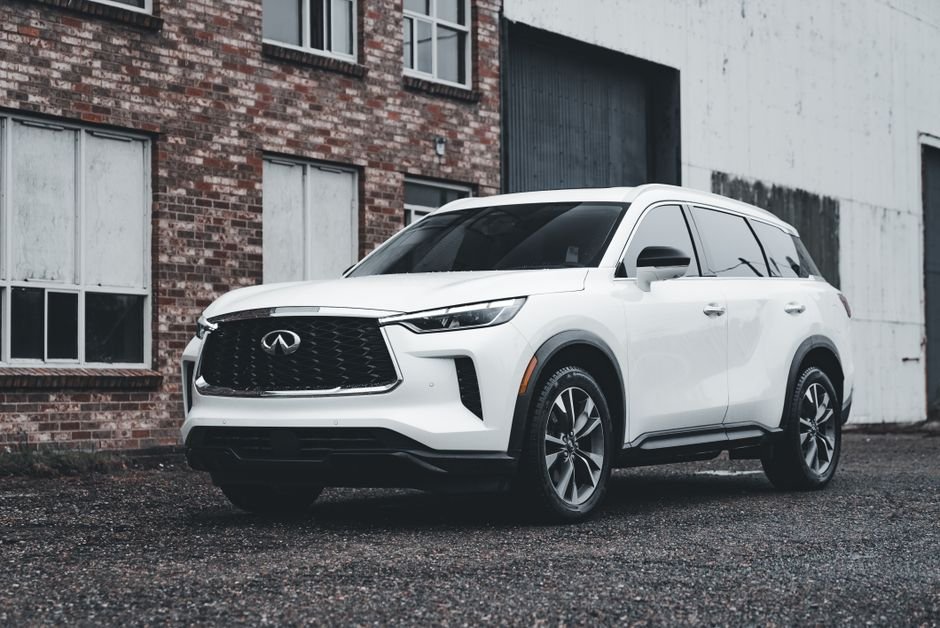
Detailing a Luxury Vehicle in Denver — Inside a Full-Service Treatment from Start to Finish
There is a special moment when the final microfiber towel is folded away and the vehicle is revealed in the sunlight. Every step of the detailing process comes together, showcasing the transformation of the vehicle. Whether it’s a luxury Porsche, Range Rover, Mercedes-AMG, or another premium vehicle, seeing the results of a professional full-service detail never gets old. From paint correction and deep interior cleaning to leather conditioning and ceramic coating, every detail plays an important role in restoring and protecting the vehicle. In this article, we’ll walk you through the entire process, step by step, to give you a closer look at what goes into a professional luxury car detailing case study and why it is especially valuable for vehicle owners in Denver.
Colorado’s high altitude creates unique challenges for vehicle maintenance. UV exposure at higher elevations can be significantly more intense than at sea level, accelerating paint oxidation, interior fading, and the deterioration of rubber seals and exterior trim. Vehicles in the Denver area also face harsh winter weather, snowstorms, low humidity, hail, and repeated freeze-thaw cycles, all of which can take a toll on a vehicle’s appearance and condition. For anyone who owns a Porsche, Range Rover, Mercedes-AMG, or another premium vehicle, these environmental factors can put a valuable investment at risk. A professional full-service detail helps address these challenges through a thorough process of cleaning, restoring, and protecting both the interior and exterior.
Key Takeaways
-
Denver’s environment is uniquely harsh on paint: At 5,280 feet, Denver receives 25% more UV radiation than sea-level cities, and UV is the number one cause of paint oxidation and clear coat breakdown. Schedule a full detail at least twice yearly to stay ahead of this damage.
-
Paint correction is the centerpiece of any luxury detail: Professional detailing preserves a vehicle’s resale value by preventing irreversible paint oxidation and removing corrosive contaminants. Deep detailing can increase a vehicle’s market value by 10% to 15% compared to poorly maintained counterparts.
-
Ceramic coating is a long-term investment, not a luxury add-on: Ceramic coatings can effectively preserve up to 90% of a vehicle’s initial gloss over a five-year period. On a Denver vehicle, that protection works directly against altitude UV, mag chloride, and spring hail contamination.
-
Interior care protects materials that are expensive to replace: Professional interior detailing uses hot water extraction, steam cleaning, pH-balanced leather care products, enzyme odor treatments, and dedicated tools for every surface zone. Skipping interior conditioning on luxury leather is false economy.
-
Pricing reflects complexity, not upselling: Luxury and performance vehicles often cost $400 to $1,200+ to detail. Soft paint systems, premium materials, and higher correction precision significantly increase detailing complexity and time.
Quick-Start Prioritization Framework
Before booking a service, it helps to know which elements of a full-service treatment deliver the highest value for your situation. Use this table as your starting point.
| Service Stage | Best For | Effort Level | Time to Results |
|---|---|---|---|
| Decontamination wash + clay bar | Any vehicle with visible grime, water spots, or surface roughness | Low | Same day |
| Paint correction (single-stage) | Vehicles with light swirl marks or mild oxidation | Medium | Same day |
| Paint correction (multi-stage) | Vehicles with deep scratches, heavy oxidation, or hail contamination | High | 1-2 days |
| Interior deep clean + leather conditioning | Any luxury interior that hasn’t been professionally treated in 12+ months | Medium | Same day |
| Ceramic coating application | Vehicles being kept 2+ years; any post-correction finish you want preserved | High | 2-3 days (cure time) |
Start here if you are:
-
A new luxury vehicle owner in Denver: Decontamination wash and ceramic coating application, protect the factory paint before Colorado’s environment touches it.
-
Preparing to sell or trade in: Multi-stage paint correction followed by interior detailing, research from professional detailing analysts shows this combination can recover $1,500 to $3,000 at point of sale on a used luxury model.
-
Returning from a Colorado winter: Full exterior decontamination and interior refresh, remove mag chloride residue before it etches the clear coat further.
Stage One: The Pre-Wash Inspection
Every professional luxury car detailing case study begins the same way, and it has nothing to do with water or soap. It begins with a careful walk-around under good light.
What the Inspection Reveals
Before any cleaning begins, the vehicle is inspected for existing damage, dirt buildup, and areas requiring special attention. This step helps tailor the detailing process to the car’s specific needs. On a Denver vehicle, this inspection almost always turns up the same set of issues: UV haze in the clear coat, mag chloride residue in the wheel wells, and micro-scratches across the bonnet from debris kicked up on Front Range highways.
A professional luxury car detailing process should begin with identifying what materials are present and selecting appropriate products for each one. A Range Rover Sport with an Alcantara headliner and perforated leather seats requires entirely different products than a standard saloon. Getting this wrong at the inspection stage causes expensive problems later.
The Denver-Specific Concerns
Road salts and magnesium chloride treatments, used heavily on Colorado highways all winter, embed in paint and cause micro-etching and corrosion over time. Hail season, running from May through August, leaves water spots, micro-impacts, and surface contamination even on vehicles that escape a direct storm. I always flag these areas for the client before we begin, so there are no surprises about what correction can and cannot achieve.
Pro Tip: If your Denver vehicle has spent a winter on the road without a ceramic or sealant layer, run a fingertip across the bonnet after a thorough wash. If it still feels rough or gritty, that is bonded contamination, and it must be removed before any polish or coating will bond properly.
The following footage from a working luxury car detailer in London illustrates how a thorough pre-wash inspection is carried out in practice before any cleaning begins.
Stage Two: Decontamination and the Two-Bucket Wash
Why a Standard Car Wash Is Not Enough
The first step of a proper exterior detail is a careful hand wash. Professionals use a two-bucket method to prevent cross-contamination, which drastically reduces scratches. One bucket holds the pH-neutral car wash soap, and the other holds clean rinse water for the wash mitt. Many detailers also use a foam cannon attached to a pressure washer to pre-soak the vehicle, lifting heavy dirt before any physical contact is made.
This matters enormously on a luxury paint finish. Single-stage metallic paints on vehicles like a BMW 7 Series or a Mercedes S-Class are softer than standard paint, and dragging a contaminated mitt across them even once creates the kind of swirl marks that then require correction.
Clay Bar Treatment
Clay bar treatment effectively removes embedded contaminants from paint, creating an ultra-smooth surface. After the wash, the paint may still feel rough due to bonded contaminants like industrial fallout, brake dust, and tree sap. In Denver, you can add magnesium chloride residue and road tar from the mountain passes to that list. The clay bar lifts all of it. After this step, the paint genuinely feels like glass under your fingertips, and the difference is immediately obvious to anyone who takes the time to feel it.

Stage Three: Paint Correction
This is where a full-service luxury detail separates itself from anything a drive-through car wash can offer.
Single-Stage vs Multi-Stage Correction
Single-stage correction addresses light swirl marks and haze and is the right choice for well-maintained, newer paint. Multi-stage correction is needed for deeper scratches, heavy swirl patterns, or oxidized clear coats. In practice, most Denver luxury vehicles that come in after a full year on the road need at least a single-stage correction, and many need two stages.
Using a dual-action polisher with appropriate polishing compounds can restore clarity and depth to the paintwork, addressing minor imperfections. On deeper work, I step up to a rotary polisher with a cutting compound before finishing with a finer polish. The goal is to remove the minimum amount of clear coat necessary to eliminate the defect, because clear coat is a finite resource.
The Resale Value Case
The financial argument for paint correction is well documented. A professional paint correction typically costs between $500 and $1,200 depending on vehicle size and paint condition. The increase in sale price from presenting a vehicle with flawless paint averages between $1,500 and $3,000, and can go higher on luxury and performance vehicles. That is a meaningful return for most owners, and it only works because the correction is done properly before any protective layer is applied.
Pro Tip: Never apply ceramic coating over uncorrected paint. Any swirl marks or oxidation sealed beneath a ceramic layer will be preserved, and amplified by the coating’s gloss, for years. Correction always comes first.
Ceramic coating holds the high-gloss finish that correction achieves, so the vehicle needs corrective detailing less often and keeps looking its best for the long term.
Stage Four: Interior Deep Clean and Leather Care
The Systematic Interior Process
The interior detailing process involves intricate cleaning techniques like thorough vacuuming, professional shampooing of upholstery, and carefully treating different surface materials. On a luxury vehicle, that statement barely scratches the surface. A proper interior detail on a Bentley, a Lexus LS, or a Land Rover Defender involves treating each surface zone with a product specifically matched to its material.
Professional interior steam cleaning removes embedded dirt, bacteria, allergens, and germs from a vehicle’s interior. Steam is the right tool for air vents, dashboard crevices, and door panel trim because it sanitizes without saturating. For carpets and fabric-lined areas, hot water extraction follows to pull out the loosened contamination.
Leather Conditioning: The Step That Is Most Often Skipped
In my experience, the interior service that is most frequently skipped, and that creates the most visible long-term damage, is leather conditioning. The sophisticated leather interior of a luxury vehicle requires intensive conditioning treatment. A nourishing leather conditioning formula penetrates deep into the pores of the hides, restoring natural essential oils, suppleness, and a luxurious OEM matte finish without leaving any greasy residue.
Colorado’s low humidity and intense UV exposure through glass dry leather out faster than in almost any other climate. I have seen the driver’s bolster on a three-year-old BMW cracking because nobody conditioned it after purchase. That is a repair that costs hundreds of dollars and was entirely preventable.
Pro Tip: After a professional leather conditioning treatment, your leather should feel noticeably more supple and should not look greasy or over-shined. If it looks lacquered, the wrong product was used. Good conditioner feeds the leather; it doesn’t coat it.
Stage Five: Ceramic Coating Application
What Ceramic Coating Actually Does
Ceramic coating is a liquid polymer that bonds to paint to form a durable protective layer. It boosts resistance to scratches, chemical stains, and UV fading, and shields paint from hazards such as acid rain, bird droppings, and road salts.
For a Denver vehicle, that combination of protections covers every major threat the local environment throws at a car. Denver’s mile-high altitude means a vehicle is exposed to approximately 25% more UV radiation than at sea level. This intense exposure accelerates paint oxidation and fading without proper protection. Ceramic acts as a durable sunscreen that lasts years rather than weeks.
How Long It Lasts
Basic ceramic coatings at entry level last one to two years and suit budget-conscious owners wanting basic protection over wax. Premium multi-layer coatings last up to seven years and suit luxury, exotic, and high-value vehicles requiring maximum protection. The choice between tiers usually comes down to how long you plan to keep the vehicle and how much time you are willing to invest in maintenance washes.
Modern Colorado road treatments use magnesium chloride, which sticks to surfaces, stays active for days, attracts moisture, and accelerates oxidation, plus pre-treatment brine applied before snowstorms that dries onto roads as a residue bonding to vehicle paint. Against this chemistry, a properly applied ceramic coating creates the chemical resistance that unprotected clear coat simply does not have.
The team at FB Mobile Auto Detailing carries out the full decontamination and correction sequence before any coating is applied, which is the only way to ensure the coating bonds correctly and delivers its rated longevity.

Common Mistakes That Undermine a Luxury Detail
Skipping Decontamination Before Correction
Typical preparatory steps include a complete wash, clay-bar decontamination, degreasing, paint correction, and a final wipe-down before coating application. Skipping any of these stages compromises every step that follows. I see this frequently with vehicles that have been “detailed” at shops that prioritize throughput over thoroughness.
Using the Wrong Products on Sensitive Surfaces
Luxury vehicle detailing depends more on choosing the correct product for the material and using it carefully. Applying a standard interior dressing to a soft-close piano black trim panel will leave streaks that require a second correction to remove. Using an alkaline cleaner on alcantara will lift the nap permanently. Product selection on a luxury vehicle is a knowledge test, not just a cleaning exercise.
Ignoring the Undercarriage and Wheel Wells
Over time, liquid magnesium chloride can cause extensive corrosion and damage to a vehicle’s exterior, undercarriage, and mechanical components. A full-service luxury detail includes a thorough rinse and inspection of the wheel wells and underbody. Leaving mag chloride residue in the wheel arches of a vehicle that has been polished and ceramic-coated on the outside is like fitting new tires on a car that hasn’t had its brakes checked.
Frequently Asked Questions
How long does a full-service luxury car detail take in Denver?
A comprehensive luxury detail, covering decontamination, paint correction, interior deep clean, and ceramic coating application, typically takes between one and three days. The paint correction stage takes the most time, particularly on darker vehicles or those with significant oxidation. Ceramic coating then requires an additional cure window before the vehicle can be driven or exposed to water.
How much does luxury car detailing cost in Denver?
Luxury, exotic, and performance vehicles typically cost 15 to 40% more to detail due to material sensitivity and correction risk. Average luxury full detailing costs run $400 to $600 or more for a full service. When you add multi-stage paint correction and a premium ceramic coating to that figure, total investment on a high-end vehicle can reach $1,200 to $2,500 or beyond, depending on the vehicle’s condition and the tier of coating selected.
How often should I have my luxury vehicle detailed in Denver?
For Denver drivers specifically the combination of altitude-intensified UV rays, winter road salt, and spring hail damage means quarterly detailing is a sensible baseline for most daily drivers. For vehicles with ceramic coating already applied, a maintenance detail every three to four months is typically sufficient, with a full inspection detail annually.
Does paint correction remove all scratches?
Professional paint correction can safely eliminate 80% to 90% of light surface scratches, micro-marring, and swirl marks. Deep scratches that have penetrated through the clear coat into the base coat or primer layer cannot be corrected by polishing alone, those require touch-up paint or panel respray. A thorough pre-wash inspection will identify which category each mark falls into before any work begins.
Is ceramic coating worth it on an older luxury vehicle?
A full correction and premium coating may be worthwhile on a newer luxury vehicle, a collector car, or a vehicle with excellent paint that needs to stand apart. On an older vehicle with sound paintwork, the combination of correction and ceramic still makes financial sense if you plan to keep the car for another two or more years, because this longevity reduces maintenance costs and safeguards resale value, which is a crucial consideration for luxury vehicles.
The Bottom Line for Denver Luxury Car Owners
A full-service treatment on a luxury vehicle is a systematic, multi-stage process that addresses every surface, exterior paint, glass, wheels, interior materials, leather, and trim, in the correct sequence, with the correct products. In Denver, that process carries extra weight because the environment is genuinely aggressive. Colorado’s intense UV rays, hail and freeze-thaw cycles can quickly damage vehicle paint, causing fading, chips, peeling, and corrosion. A properly executed luxury detail, decontamination, correction, ceramic protection, and interior conditioning, is the most cost-effective defence against all of it.
If you are based in the Denver metro area and want to understand what this process would look like for your specific vehicle, FB Mobile Auto Detailing brings the full professional setup to your driveway, so the work gets done on your schedule without you needing to leave your car at a shop.
Sources
-
How to Detail a Luxury Vehicle Like a Professional, Miller Motorcar. Paint correction process and clay bar treatment for luxury finishes. https://www.millermotorcar.com/how-to-detail-a-luxury-vehicle-like-a-professional/
-
Denver Elevation & UV Damage: Why Colorado Cars Fade Faster, AutoBodyRepairs.net. UV intensity data and repair costs for Denver vehicles. https://www.autobodyrepairs.net/denver-elevation-uv-damage/
-
How Often Should You Have Your Car Professionally Detailed?, FB Detailing and Coating. Colorado UV and seasonal detailing guidance. https://www.fbdetailingandcoating.com/how-often-should-you-detail-your-car-2/
-
Denver’s Premier Ceramic Coating, Extreme Auto Works. UV radiation intensity data at Denver’s altitude. https://extremeaw.com/ceramic-coating/
-
Why Ceramic Coating is a Must-Have for Luxury Vehicles, AZ Detailing. Ceramic coating gloss retention statistics over five years. https://www.azdetailing.com/why-ceramic-coating-is-a-must-have-for-luxury-vehicles
-
Benefits of Ceramic Coating for Luxury Vehicles, On Demand Detailing. UV, scratch, and chemical resistance benefits of ceramic coatings. https://ondemanddetailing.org/benefits-of-ceramic-coating-for-luxury-vehicles-explained/
-
How Does Auto Detailing Help Protect a Vehicle’s Resale Value, Details by Mike. Resale value increases from professional detailing and paint correction. https://detailsbymike.com/how-does-auto-detailing-help-protect-a-vehicles-resale-value/
-
Paint Correction Before Selling Your Car: ROI You Can Measure, EuroLuxe Detailing. Cost and return analysis for paint correction before sale. https://euroluxedetailing.com/blog/paint-correction-before-selling-car/
-
Interior Detailing Illinois: Deep Extraction & Leather Care, Hersheys Detailing. Professional interior detailing processes including steam and leather conditioning. https://hersheysdetailing.com/blog/interior-detailing-illinois-deep-extraction-and-leather-care
-
Liquid Magnesium Chloride: Denver’s Winter Deicer and Its Impact on Your Car, REP AutoWorks. Mag chloride corrosion effects on Denver vehicles. https://www.repautoworks.com/blog/liquid-magnesium-chloride-denvers-winter-deicer-and-its-impact-on-your-car
-
Colorado De-Icer: Why Magnesium Chloride Demands Ceramic Coating, Polar Tint Parker North. Chemical analysis of mag chloride on Denver vehicle paint. https://parkernorth.polartint.com/news/colorado-de-icer-magnesium-chloride-ceramic-coating/
-
How Auto Detailing Cost In 2026, Xelenta Auto Detailing Spa. 2026 luxury vehicle detailing pricing benchmarks. https://xelentautodetailingspa.com/how-much-does-auto-detailing-cost/
-
How Auto Detailing Cost In 2026, ACT Customs. Luxury and performance vehicle detailing cost ranges. https://www.actcustoms.com/how-much-does-auto-detailing-cost
-
Luxury Car Detailing: Why High-End Cars Need Special Care, Detail Supreme DFW. Specialist approach required for luxury vehicle surfaces and materials. https://www.detailsupremedfw.com/blog/luxury-car-detailing-process/
-
Colorado Hail Damage Statistics, Restore Masters. Front Range hail frequency and financial impact data. Colorado Front Range hail statistics
-
Why Colorado Climate and Weather Impact Auto Paint, Yoder Collision Network. UV, freeze-thaw, and hail effects on Colorado vehicle paint. https://yodercollisionnetwork.com/auto-body-repair/how-colorados-climate-and-weather-impact-auto-paint-signs-and-repairs/
-
Development of Car Coating Materials for Paint Protection, National Institutes of Health / PubMed. Peer-reviewed overview of ceramic, wax, and hybrid coating technologies. Typical preparatory steps include


