
Can Ceramic Coating Prevent Stains on Your Car?
A bird dropping left on a hood during a hot Denver afternoon can become a much bigger problem than a quick car-wash job. Tree sap, hard-water spots, road salt, and bug residue can all bond to or damage an unprotected finish when they are left in place. So, can ceramic coating prevent stains? It can dramatically reduce the chance that common contaminants will stick, soak in, or permanently mark your vehicle’s surfaces, but it is not an invincible shield.
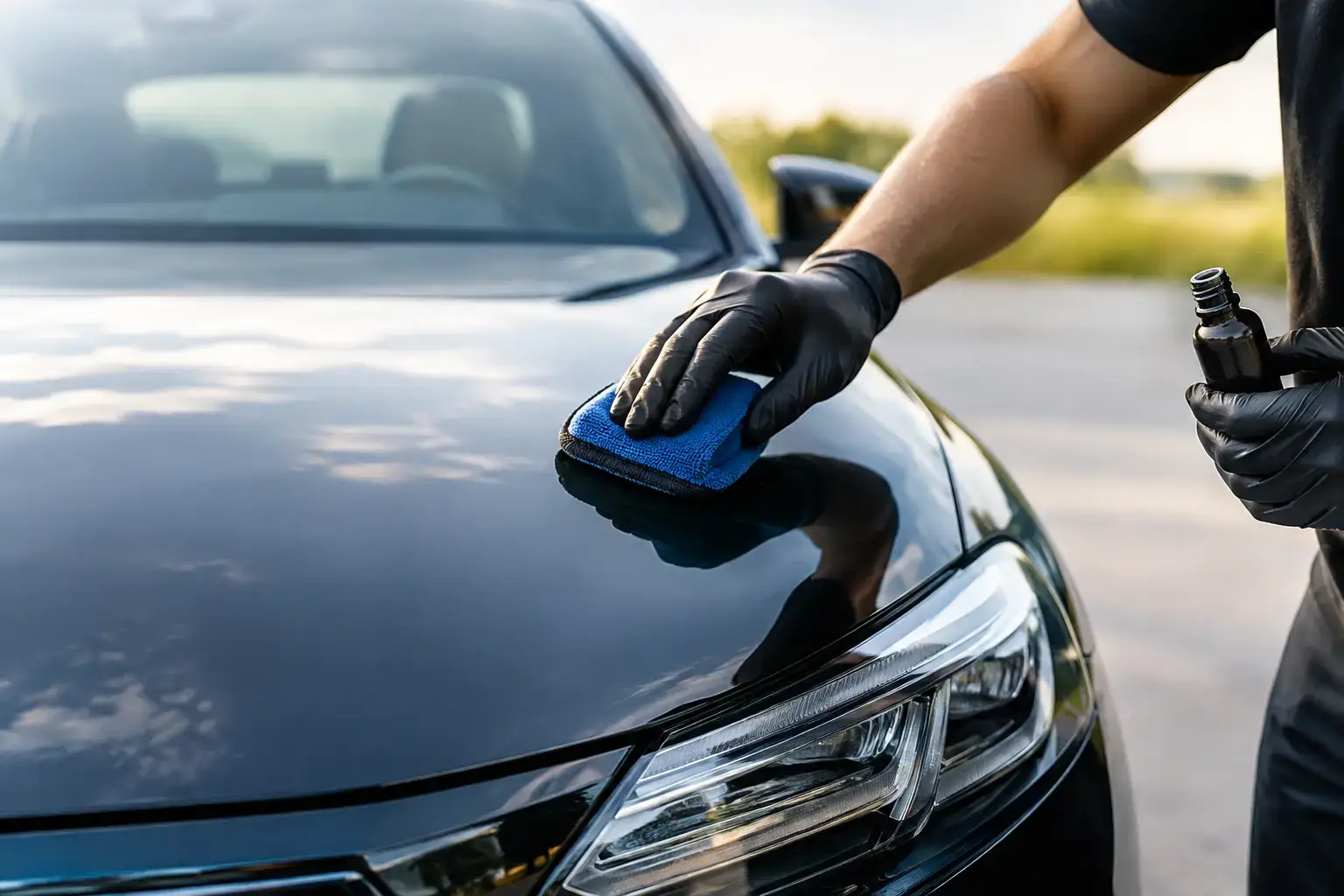
A professionally installed ceramic coating creates a durable, slick protective layer over clear coat. That layer makes routine cleanup easier and gives contaminants less opportunity to bond directly to the paint. The practical benefit is simple: when life happens – a spilled drink, muddy paws, a long highway drive, or a surprise snowstorm – your vehicle is easier to maintain and better positioned to keep its clean, glossy appearance.
Can Ceramic Coating Prevent Stains?
Ceramic coating can help prevent many surface stains by creating a chemically resistant barrier between your paint and contaminants. Quality coatings are hydrophobic, meaning water beads and sheets away more readily instead of lingering on the surface. They also reduce the grip of dirt, grime, bird droppings, road film, and other contaminants.
That does not mean stains can never happen. A ceramic coating slows down the staining process and makes removal safer, but strong chemicals, acidic materials, mineral-heavy water, and long exposure times can still affect the coating or, eventually, the paint beneath it. Think of it as high-performance protection that gives you more time to respond – not permission to ignore a mess for weeks.
The difference matters because some issues people call stains are actually etching. A stain sits on the surface or discolors it. Etching occurs when a contaminant chemically attacks or physically marks the coating or clear coat. Once etching has occurred, washing alone may not restore the finish. Depending on the severity, the solution may require decontamination, polishing, or paint correction.
What a Ceramic Coating Helps Resist
A ceramic coating is especially valuable against the everyday contamination Denver-area drivers encounter. Road dust, mud, pollen, light salt residue, bug splatter, and oily traffic film are less likely to cling aggressively to a coated surface. This means hand washing is typically faster, gentler, and more effective.
The coating also helps limit the effects of UV exposure. Colorado’s high elevation and bright sun can be tough on a vehicle’s clear coat over time. While ceramic protection does not replace garage parking or regular maintenance, it adds a valuable layer of UV resistance that supports a deeper, more consistent gloss.
For family SUVs, trucks, and daily drivers, the biggest advantage is often convenience. A coated vehicle does not stay perfectly clean, but it tends to release dirt more easily. You spend less time scrubbing stubborn grime, which lowers the risk of installing wash-induced swirl marks through aggressive cleaning.
Bird Droppings, Bugs, and Tree Sap
Bird droppings, bug remains, and tree sap are among the most urgent contaminants to remove. They can be acidic, sticky, or both. Ceramic coating gives these materials a less porous surface to adhere to, so they are usually easier to remove before damage occurs.
Still, heat changes the equation. Under direct sun, a dropping on a dark hood can bake quickly. Remove it as soon as practical with a clean microfiber towel and a safe detailing spray or rinse. Avoid dry wiping, which can drag debris across the finish and create fine scratches.
Water Spots and Mineral Deposits
Ceramic coatings help water move off the paint, but they cannot make minerals disappear. When sprinkler water, melted snow, or hard water dries on the vehicle, the water evaporates and leaves minerals behind. These deposits can become stubborn water spots, particularly on horizontal panels and glass.
If mineral deposits remain long enough, they may etch the coating and reduce its water behavior. The answer is not to avoid ceramic coating. It is to avoid letting water dry repeatedly on the surface. A quick rinse, proper drying, and periodic maintenance go a long way toward preserving both the coating and the finish below it.
What Ceramic Coating Cannot Prevent
Ceramic coating is often confused with paint protection film, but the two products solve different problems. Ceramic coating excels at gloss, chemical resistance, hydrophobic behavior, and easier cleaning. It is not designed to stop rock chips, deep scratches, door dings, or collision damage.
It also cannot fully protect paint from neglected contamination. Gasoline splashes, industrial fallout, harsh degreasers, brake dust, road salt, and strong acidic or alkaline cleaners can damage a coating if they sit too long. The same is true for bird droppings and sap that are allowed to bake into the surface.
A coating can also be stained itself. This is still better than having contaminants immediately reach bare clear coat, but it means the coating may need professional decontamination or a maintenance service. In some cases, polishing the affected area and reapplying protection is the right solution.
The Preparation Behind Better Stain Resistance
Ceramic coating performs best when it is applied to a properly prepared vehicle. Applying a premium coating over embedded contamination, swirl marks, oxidation, or old residue simply locks those imperfections beneath a glossy layer. The coating may bead water, but it will not correct paint defects.
Professional preparation generally begins with a thorough wash and paint decontamination to remove bonded contaminants. If the paint has swirl marks, light scratches, dullness, or oxidation, paint correction may be recommended before coating installation. Single-stage correction can improve moderate defects, while multi-stage correction is designed for finishes that need more extensive refinement.
This preparation is where the long-term result is made. A clean, corrected surface allows the ceramic coating to bond more consistently, look clearer, and perform as intended. For luxury vehicles, classic cars, and well-kept enthusiast vehicles, this is often the difference between a coating that simply shines and one that noticeably elevates the paint’s depth and clarity.
How to Keep a Coated Vehicle From Staining
A coated vehicle still needs thoughtful care. Regular maintenance is what keeps the coating’s hydrophobic behavior strong and prevents contaminants from building up. Wash with pH-balanced automotive products, clean microfiber towels, and safe techniques that minimize friction on the paint.
Do not rely on the coating to handle every mess. Remove bird droppings, sap, bug residue, and fresh salt contamination promptly. If your vehicle gets hit by sprinklers or rain and then sits in direct sun, dry it when possible rather than allowing mineral spots to bake on the surface.
Automatic tunnel washes can be convenient, but brushes and harsh chemicals may dull the finish over time and compromise the coating’s performance. Touchless washing is generally less abrasive, though it can still leave behind strong chemical residue if the process is not balanced with a proper rinse. A careful hand wash remains the best option for preserving a premium finish.
For interiors, ceramic-style protectants are a separate conversation. Exterior ceramic coating does not prevent coffee, juice, sunscreen, pet accidents, or food stains from reaching upholstery. Leather, plastic, fabric, and carpeting need their own appropriate cleaning and protection plan.
When Professional Care Makes Sense
If water stops beading, the paint feels rough after washing, or visible spots remain after a careful cleaning, professional inspection can prevent a minor issue from becoming a correction project. A detailer can determine whether the problem is surface contamination, mineral buildup, coating degradation, or true paint etching.
FB Mobile Auto Detailing & Coating brings that level of care directly to homes and workplaces throughout the Denver area. Proper decontamination, paint correction, and ceramic coating installation work together to create a finish that looks refined and is easier to live with through changing Colorado seasons.
The best way to think about ceramic coating is not as a promise that your vehicle will never get dirty or stained. It is a smarter margin of protection: more time to clean contaminants safely, less effort during maintenance, and a better chance of keeping the paint you value looking its best.


