
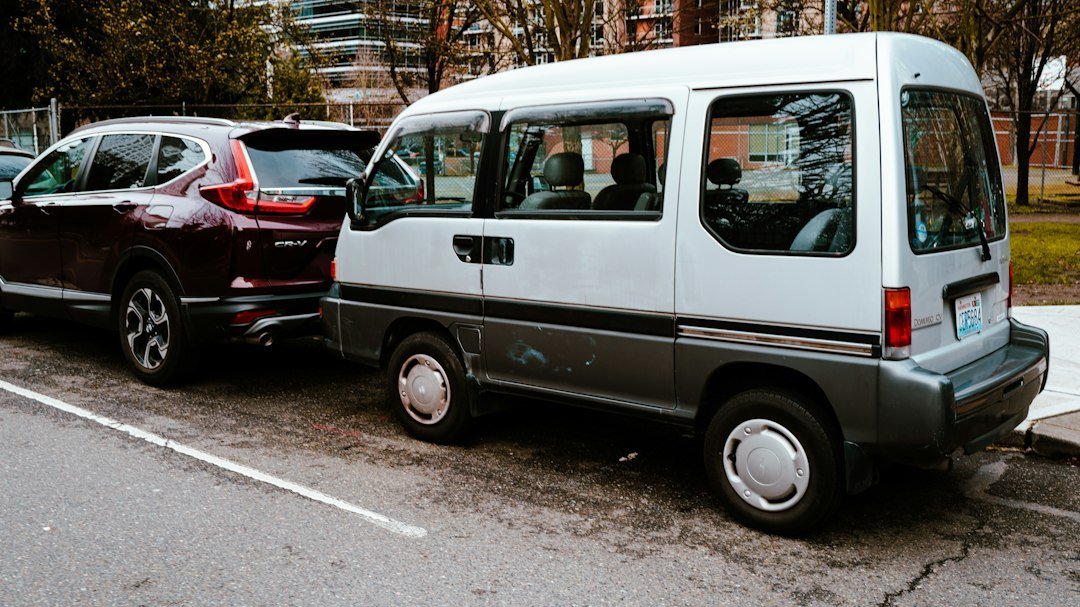
How Often Should You Detail a Daily Driver Versus a Classic Car Versus a Family SUV?
If you have ever wondered why your neighbour’s car always looks showroom-fresh while yours seems to age faster than it should, the answer usually comes down to one thing: a consistent detailing schedule. Getting the frequency right for your specific vehicle, however, is not obvious. A daily commuter in Denver has very different needs from a garaged classic or a family SUV hauling football kits and muddy dogs every weekend.
In my experience advising vehicle owners across the Denver metro area, the single biggest mistake people make is treating all their vehicles identically. The right detailing frequency depends on how often you drive, where you drive, how you use the interior, and where the car is parked. This guide breaks detailing frequency down by vehicle type so you can build a realistic schedule and protect your investment year-round.
Key Takeaways
-
Daily drivers need the most attention: If you drive every day, especially with outdoor parking, you are exposing your vehicle to road grime, pollution, brake dust, rain, and UV rays. A full detail every 3 to 4 months keeps paint protected and the interior fresh.
-
Classic cars need a specialized, event-driven schedule: Classic cars do not usually rack up miles like daily drivers, but that does not mean they can be ignored. For most owners, a full classic car detailing session every few months is plenty, think seasonal, like spring and fall refreshes.
-
Family SUVs should prioritize the interior: Many family SUVs need interior attention every 2 to 4 months and a complete detail a few times per year. If you have children and pets on board, that timeline shortens further.
-
Colorado’s climate raises the bar for everyone: For most Colorado drivers, a full detail 2 to 4 times per year is the recommended minimum, higher than the national average because of extreme UV exposure at altitude, road salt from October through April, intense hailstorm seasons, and temperature swings that stress paint and seals.
-
Regular detailing pays you back at resale: Professional detailing services can increase a car’s resale value by up to 15%, translating to thousands of dollars in added worth. Build a schedule now and you will see the return when it matters most.
Quick-Start Prioritization Framework
| Vehicle Type | Recommended Frequency | Effort to Maintain | Time to See Results |
|---|---|---|---|
| Daily driver, outdoor parking | Every 3 months | Medium | Immediately |
| Daily driver, garage-parked | Every 4 to 6 months | Low | Within a month |
| Family SUV, kids and pets | Every 3 to 4 months (interior priority) | Medium-High | Immediately |
| Classic/collector car, garaged | Every 6 months + pre-show prep | Low | Within a few sessions |
| Classic car, occasionally driven | Bi-annual with maintenance wipe-downs | Low-Medium | Gradual |
| Off-road or commercial vehicle | Every 1 to 3 months | High | Immediately |
Start here if you are:
-
A solo daily commuter in Denver: Book a professional detail every 3 months. The combination of altitude-intensified UV rays, winter road salt, and spring hail damage means quarterly detailing is a sensible baseline for most daily drivers.
-
A family of four or five with a busy SUV: Prioritize interior detailing every 2 to 3 months, with a full detail every 3 to 4 months.
-
A classic car owner: Follow a seasonal rhythm, spring and autumn full details, with light wipe-downs between.
Detailing a Daily Driver: Why Quarterly Is the Colorado Standard
Your daily driver takes the most punishment of any vehicle in your garage. Every commute adds brake dust, insect residue, UV exposure, and, in Colorado winters, a steady coating of magnesium chloride and road salt. UV rays are 25 to 50% stronger at Denver’s elevation than at sea level, fading paint, cracking dashboards, and drying out leather far faster than lower-altitude cities. That means a schedule that works for a driver in a mild climate will leave your paint unprotected here.
How Often to Schedule Exterior Detailing
Most vehicles benefit from a full exterior detail every 3 to 4 months and a full interior detail every 4 to 6 months. For a Denver commuter, lean towards the shorter end of that window. In winter months, wash your car every 1 to 2 weeks to remove salt from the undercarriage and lower panels. Schedule a thorough detail in early spring to remove all accumulated salt and chemical residue, and another in late fall before winter conditions begin.
If you are still running the same wax job you had six months ago, the protective layer has almost certainly degraded. Water that no longer beads on the bonnet is a clear sign that your paint is exposed.
Pro Tip: Pair your detailing appointments with existing maintenance events. The most reliable approach is pairing detailing with existing maintenance tasks. If your vehicle goes in for a tyre rotation or oil change in October, schedule the detail at the same time. When detailing connects to a task you already do, it stops being something you need to remember separately.
How Often to Schedule Interior Detailing
Your car’s exterior should be detailed every three to six months, depending on how often you drive and where you park. Interior detailing is best done every four to six months, or more often if you have kids, pets, or spend long hours driving. For a solo commuter who keeps food out of the car, twice a year for the interior is reasonable. If you eat lunch in the car three times a week, move that to quarterly.
The FB Mobile Auto Detailing team hears this daily: people assume the inside only needs attention when it smells. By then, allergens, bacteria, and staining are already embedded in the fabric. Deep interior detailing significantly reduces allergens, bacteria, and mold by thoroughly cleaning carpets and upholstery, creating a healthier environment inside the car.
Detailing a Classic Car: Protective Care Over High Frequency
Owning a classic car is a different mindset entirely. The goal shifts from routine maintenance to long-term preservation. Many classic vehicles carry original or restored paint that lacks the protective clear coat found on modern cars. Modern vehicles usually come with durable clear coats that protect the paint underneath, making them more forgiving during polishing or correction. Classic cars often lack that protective layer, meaning the paint is exposed and easier to damage.
Setting the Right Schedule
Every 6 to 12 months is ideal for classic cars, depending on usage and storage. Regular detailing helps preserve paint, chrome, and interiors, maintaining both appearance and value. If your classic attends shows or concours events, that changes the calculation. Before any show, concours, or sale, a full preparation detail should be carried out by technicians with specific experience on classic vehicles and their materials.
Luxury and classic car owners tend to opt for more frequent detailing, often every 2 to 3 months, to preserve the value and appearance of their high-end vehicles. I would align with that for show-active classics. For a garaged weekend driver that rarely goes beyond a Sunday cruise, twice a year with careful light maintenance in between is entirely appropriate.
Between Full Details: Light Maintenance Matters
Between sessions, quick maintenance washes and wipe-downs with a detail spray help preserve the shine without adding unnecessary wear. If the car is stored indoors and covered, you may stretch the detailing intervals longer, but regular light cleaning still goes a long way.
Pro Tip: For a classic in long-term storage, treat the detail before covering as a protective investment, not a cosmetic one. Wash, wax, and fully detail the car before covering. Use breathable covers, treat leather, and store in a climate-controlled environment to prevent deterioration.

Detailing a Family SUV: Interior Hygiene Leads the Schedule
A family SUV is arguably the most demanding vehicle to keep clean. School runs, football practice, dog trips to the park, muddy walking boots, spilled juice boxes, the interior accumulates mess at a rate that far exceeds the exterior deterioration. A commuter vehicle driven solo on paved roads in mild weather has vastly different needs than a family SUV that transports children, pets, sports equipment, and groceries through four distinct seasons.
Interior Frequency for Families
A clean, lightly used weekend vehicle may go considerably longer between professional details, while a family SUV carrying children, sports equipment, and pets may need attention much sooner. For a family vehicle, professional interior detailing every two to four months may be more realistic than waiting six months.
If the dog rides along on every weekend outing, shorten that further. For vehicles carrying pets regularly, professional detailing every one to three months can be practical. Pet hair works its way into carpet fibers and seat seams in a way that a standard vacuum simply cannot reach. A professional extraction service removes embedded contamination that builds up health concerns over time.
Exterior Frequency for a Family SUV
The outside of the family SUV follows a similar cadence to any other daily driver. For vehicles with children, pets and frequent spills, an exterior detail every 2 to 4 months and an interior deep clean every 1 to 3 months is appropriate. In a Colorado winter, this is especially relevant. The SUV’s larger body panels and higher ride height mean more road salt contact beneath the sill lines and in the wheel arches.
Pro Tip: Do not wait for the smell to trigger a booking. For families with kids or pets plan on interior detailing every 2 to 3 months to stay on top of stains, odors, and pet hair before they become permanent. Prevention is significantly cheaper than stain and odor correction after the fact.
A Practical Family SUV Schedule
-
Monthly: Quick vacuum and wipe-down of hard surfaces
-
Every 2 to 3 months: Professional interior detail (extraction, fabric protection, sanitization)
-
Every 3 to 4 months: Full exterior detail (wash, decontamination, wax or sealant top-up)
-
Twice a year: Full combined interior and exterior detail with paint correction check
If you’re unsure where to begin with the interior, this walkthrough covers the tools and step-by-step process needed to achieve a thorough, hygienic clean throughout the cabin.
How Colorado’s Climate Changes Every Vehicle’s Schedule
This is the section that matters most if you live and drive in the Denver metro area. The conditions here affect every vehicle type and push recommended frequencies higher than national averages.
UV Exposure at Altitude
Denver’s mile-high altitude means 25% more UV radiation, intense freeze-thaw cycles, and year-round road contaminants that attack your vehicle’s paint every single day. This applies to the classic in your garage just as much as the SUV on the school run. UV degrades clear coat, fades interiors, dries out leather and rubber, and accelerates oxidation on unprotected paint.
Road Salt and Magnesium Chloride
From October through March Denver-area roads get blanketed in road salt, magnesium chloride, and sand, and all of it ends up on your car. Winter in Colorado means snow ice, and the constant use of road salt to keep the streets safe. Road salt is highly corrosive and can eat away at your car’s paint, leading to rust and deterioration. The undercarriage is most vulnerable. A proper spring detail, including undercarriage decontamination, should be non-negotiable for every vehicle type.
The team at FB Mobile Auto Detailing performs this work at your home or workplace, which removes the excuse of not having time. Mobile detailing in Denver means you can maintain a consistent schedule without rearranging your day.

Why Consistent Detailing Is a Financial Decision
Here is the number that makes regular detailing easy to justify. Professional detailing can raise a car’s resale value by 5 to 15%, potentially adding $1,500 to $4,500 on a $30,000 vehicle. That return assumes the vehicle has been consistently maintained over time, not just polished once before listing. Studies suggest that cars with a documented detailing history can command up to 15% higher resale prices compared to similar vehicles that have not been as well maintained.
Deferred detailing does not save time. What looks like a cost-saving decision today tends to compound into paint correction costs, stain remediation, leather replacement, or rust treatment further down the line. A consistent mobile detailing schedule, whether for your daily driver, your classic, or your family SUV, is preventive maintenance with a measurable return.
Frequently Asked Questions
How often should a daily driver in Denver be detailed?
As a general guideline, a daily driver parked outdoors in Denver should be detailed every 3 months. Road salt, magnesium chloride, and intense UV all stack up fast at altitude, so quarterly detailing keeps your protection layer fresh. Adjust to every 4 to 6 months if you park under cover and wash the vehicle regularly between appointments.
Can you detail a classic car too often?
Over-detailing with aggressive products can cause cumulative wear, particularly on older single-stage paint. The golden rule is to treat your detailing frequency like a health check-up. Find a rhythm that matches how often you drive, show, and store your ride, and stick to it. For most classic cars, twice a year with careful light maintenance between sessions is the right balance.
Why does a family SUV need more frequent interior detailing than exterior?
A family vehicle often needs the interior serviced more frequently than the exterior. Kids, pets, snacks, sunscreen, and sports equipment can make the inside age faster than the outside. The exterior typically holds up with a consistent wash and wax schedule, while the interior absorbs spills, bacteria, and embedded debris that only a professional extraction can address properly.
What happens if I skip detailing for more than six months in Colorado?
Signs that your vehicle needs detailing include water no longer beading on the paint (your protective coating has worn off), paint looking dull or chalky (oxidation has begun), visible water spots from Colorado’s hard water leaving mineral deposits, and salt residue visible under the vehicle. Each of these conditions is progressively more expensive to correct the longer it is left.
Does mobile detailing deliver the same quality as a detailing shop?
In my experience, a skilled mobile detailer equipped with professional-grade products and proper water supply delivers results that match or exceed a fixed shop. The added benefit is convenience, FB Mobile Auto Detailing brings the service to your driveway or workplace, making it far easier to stay on schedule rather than deferring appointments because of a busy week.
Build Your Schedule and Stick to It
The honest summary is this: your daily driver needs the most frequent attention (every 3 months in Colorado), your family SUV needs interior-led care every 2 to 4 months, and your classic car runs on a seasonal rhythm aligned with show events and storage periods. All three vehicle types benefit from Colorado-specific treatment that addresses altitude UV, road salt from October through March, and the freeze-thaw cycles that stress every surface on your vehicle.
The most effective thing you can do today is book your next appointment before the current detail fades. A mobile detailing near me search is the starting point, or simply contact FB Mobile Auto Detailing directly to set up a recurring schedule that works around your life rather than the other way around.
Sources
-
How Often Should You Detail Your Car?, Ceramic Pro. Detailing frequency by vehicle type and climate. https://ceramicpro.com/how-often-should-you-detail-your-car/
-
How Often Should You Detail Your Car? A Complete Schedule, Find Detailing. Exterior and interior frequency guidelines. https://finddetailing.com/blog/how-often-should-you-detail-your-car
-
Classic Car Detailing Tips to Preserve Vintage Beauty, Chemical Guys. Classic car detailing frequency and storage. https://www.chemicalguys.com/blogs/exterior-how-tos/classic-car-detailing
-
What Are Detailing Secrets Classic Cars Owners Should Know?, Retro Rides Florida. Classic car care frequency. https://www.chemicalguys.com/blogs/exterior-how-tos/classic-car-detailing
-
How Often Should You Get Your Car Detailed?, Rich’s Auto Clean. Luxury and classic car detailing frequency. https://richsautoclean.org/blog/how-often-should-you-get-your-car-detailed
-
How Often Should You Detail Your Car Interior?, Silver Sponge. Family vehicle interior detailing frequency. https://silversponge.com.au/interior-car-detailing-frequency/
-
How Often Should You Detail Your Car in West Palm Beach?, Unlimited Auto Wash. Family SUV frequency data. Many family SUVs need interior
-
How Often Should I Get My Car Detailed?, Black Diamonds Detailing. Vehicle type frequency table. https://www.blackdiamondsdetailing.com/post/how-often-should-i-get-my-car-detailed
-
How Often Should You Detail Your Car in Colorado?, Car Detailing Colorado. Colorado-specific detailing schedule. https://cardetailingcolorado.com/how-often-detail-car-colorado/
-
Car Detailing Denver CO, Car Detailing Colorado. Denver UV and road salt context. https://cardetailingcolorado.com/car-detailing-denver/
-
Why Autumn Is the Best Time to Detail Your Car in Denver, FB Mobile Auto Detailing. Denver altitude UV and road salt data. https://www.fbdetailingandcoating.com/autumn-car-detailing-denver/
-
How Often Should You Have Your Car Professionally Detailed?, FB Mobile Auto Detailing. Denver-specific frequency recommendations. https://www.fbdetailingandcoating.com/how-often-should-you-detail-your-car-2/
-
How Regular Car Detailing Increases Your Resale Value, Parle Magazine. Resale value statistics from detailing history. https://parlemag.com/2026/05/how-regular-car-detailing-increases-your-resale-value/
-
Car Detailing vs Car Wash: Which Is Better for Paint, Interior and Resale Value?, Middletown Life Magazine. Resale value data and detailing ROI. https://lifestyle.middletownlifemagazine.com/story/679614/car-detailing-vs-car-wash-which-is-better-for-paint-interior-resale-value/
-
How Often Should You Detail Your Car? A Schedule That Works, Cilajet. Industry standard detailing intervals. https://www.cilajet.com/blog/how-often-should-you-detail-your-car/
-
Detailing Frequency by Vehicle Type, AP Car Spa. Classic and collector car recommended schedule. https://www.apcarspa.co.uk/post/how-often-should-you-detail-your-car


