
What Paint Correction Actually Does to a Neglected Finish
If you have ever walked up to your car on a bright Colorado morning and thought it looked somehow duller than the day you bought it, you are not imagining things. In Colorado, vehicles face a constant battle against extreme weather conditions. The state’s unique combination of high altitude, powerful UV rays, low humidity, hailstorms, snow, and freeze-thaw cycles puts immense stress on a vehicle’s exterior. Over time, that stress turns into something you can see clearly, a finish that looks chalky, hazy, and scratched no matter how often you wash it.
This is where paint correction comes in. I have seen this process transform vehicles that their owners had written off as permanently faded. The results can be dramatic, and understanding what actually happens, and what to expect before and after, is the best way to decide whether your car is a good candidate for the service.

Key Takeaways
-
Colorado’s altitude accelerates paint damage: Colorado’s high altitude means UV exposure is roughly 25% more intense than at sea level, which accelerates paint oxidation, fades interiors, and degrades rubber seals and trim pieces. If your car sits outside regularly, assume degradation is happening faster than you think. Book an inspection every 12 months.
-
Paint correction permanently removes defects, not just hides them: When done correctly, correction does not just cover up defects; it permanently eliminates them by levelling the surface of the clear coat. Wax and polish simply mask the problem.
-
Neglected paint genuinely loses real money: Paint damage can reduce a car’s value by up to 10%, while professionally repaired paint damage can increase trade-in value by 8-10%. Therefore, if your car is worth $30,000, a damaged finish could be costing you up to $3,000 at resale.
-
Paint correction before ceramic coating is essential: Any defect on the clear coat – swirl marks, scratches, water spots, oxidation, is sealed under the ceramic coating for the entire five-to-ten-year lifespan of the coating. Skipping correction before coating locks the problem in permanently.
-
Costs vary widely by stage: A light one-step polish for minor swirls often starts around $350 to $600. A two-step correction for deeper defects usually lands between $650 and $1,200, while heavy multi-stage work can push well beyond that on larger vehicles.
Quick-Start Prioritisation Framework
| Correction Stage | Best For | Effort Level | Time to Results | Approx. Cost |
|---|---|---|---|---|
| Stage 1, Single-Step Polish | Light swirls, minor hazing | Low | Half a day | $350-$600 |
| Stage 2, Compound + Polish | Moderate scratches, water spots, mild oxidation | Medium | 6-10 hours | $650-$1,200 |
| Stage 3, Multi-Step Full Correction | Heavy oxidation, deep swirls, neglected paint | High | 10-20+ hours | $1,200-$2,500+ |
| Correction + Ceramic Coating | Any vehicle needing long-term protection after correction | High | 1-2 days | $1,500-$4,000+ |
Start here if you are:
-
A daily driver in Colorado with a car over two years old: Start with a Stage 2 correction. The UV and weather exposure here moves faster than in lower-altitude states, and waiting makes the damage harder and more expensive to reverse.
-
Planning to apply a ceramic coating: Always start with a Stage 2 or Stage 3 correction first. One of the key trends in 2026 is the growing recognition that prep work is the product. The coating itself matters, but the condition of the paint underneath matters just as much, and often more. High-end coating services increasingly start with inspection, decontamination, and paint correction. If swirl marks, oxidation, haze, or embedded contamination are left behind, the coating will lock those issues under a glossy layer.
-
Preparing to sell your vehicle privately: A two-step correction delivers the best return. Paint correction ROI is typically 3-5x investment, a $400 two-stage correction can add $1,500-$2,500 to the sale price. Prioritise this over any other cosmetic spend.
Why a Neglected Finish Looks the Way It Does
The Science Behind the Dullness
Your vehicle’s paint is made up of layers. The base coat contains the colour. Above it sits the clear coat, a protective transparent layer that provides gloss, UV resistance, and physical protection for the colour beneath. When you see swirl marks or scratches, you are seeing damage in the clear coat. The marks are present because light entering the surface hits these irregularities and scatters rather than reflecting uniformly, creating the visual appearance of defects.
In other words, the paint underneath your scuffed-up clear coat may still be perfectly vibrant. The dullness is a surface phenomenon, and that is exactly what makes it correctable.
What Colorado Does to Your Clear Coat
Boulder sits over 5,300 feet above sea level, and with every 1,000-foot increase in elevation, UV intensity rises by about 10-12%. That means a vehicle’s paint is under more stress at altitude than in lower-altitude regions. In my experience advising vehicle owners here in Colorado, most people are genuinely surprised when they learn how fast oxidation can develop compared to what their friends in sea-level states report.
The clear coat on modern vehicles acts as a transparent barrier over the base colour layer. It is designed to absorb and reflect UV light, but over years of exposure, it gradually wears down. Once the clear coat weakens, pigments are left exposed and vulnerable to more rapid fading. Combine that with Colorado’s famous temperature swings, we experience dramatic temperature swings, sometimes 40 degrees or more in a single day, along with low humidity, high altitude, and intense sunlight, and you have a recipe for a finish that ages faster than almost anywhere else in the country.
Pro Tip: Run your hand across the bonnet of your car after washing it. If the surface feels gritty despite being clean, that is embedded contamination sitting in the clear coat, exactly the kind of thing that needs to be dealt with before any polishing begins. A clay bar treatment is the first step a professional will take.
The Paint Correction Process Step by Step

Decontamination and Inspection
Before any machine ever touches your paint, a thorough decontamination must take place. Before beginning correction, it is important to ensure the surface is clean and free from contaminants. Many DIY detailers skip this step, thinking a simple wash is enough. Failing to properly decontaminate can lead to uneven results or scratches during correction.
After decontamination, the detailer inspects the paint under specialist lighting. A proper paint correction job starts with inspection, not polishing. The detailer needs to check the paint condition, defect level, panel history, previous repairs, clear coat thickness, and sensitive areas. This inspection determines which stage of correction is needed; it is the step that separates a professional result from a costly mistake.
Compounding: The Heavy Lifting
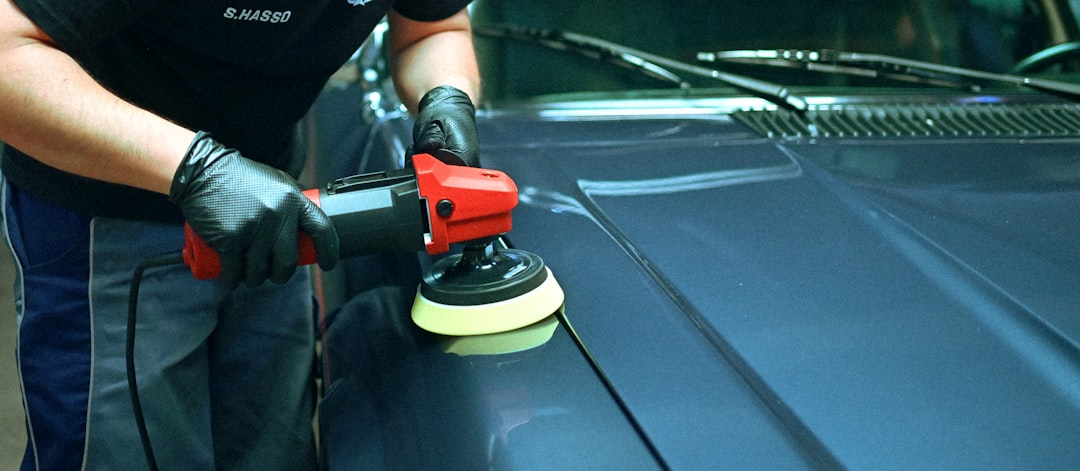
Compounding is the most aggressive stage. It targets deep swirl marks, oxidation, and moderate scratches. Professionals use high-cut compounds paired with firm foam or microfiber pads to remove the top layer of defects.
Paint correction removes the material surrounding defects to bring the surface down to a level below where the scratch exists. The result is a flat, uniform surface that reflects light evenly and produces the deep, mirror-like gloss that a correctly corrected paint surface delivers.
Polishing: Refining the Finish
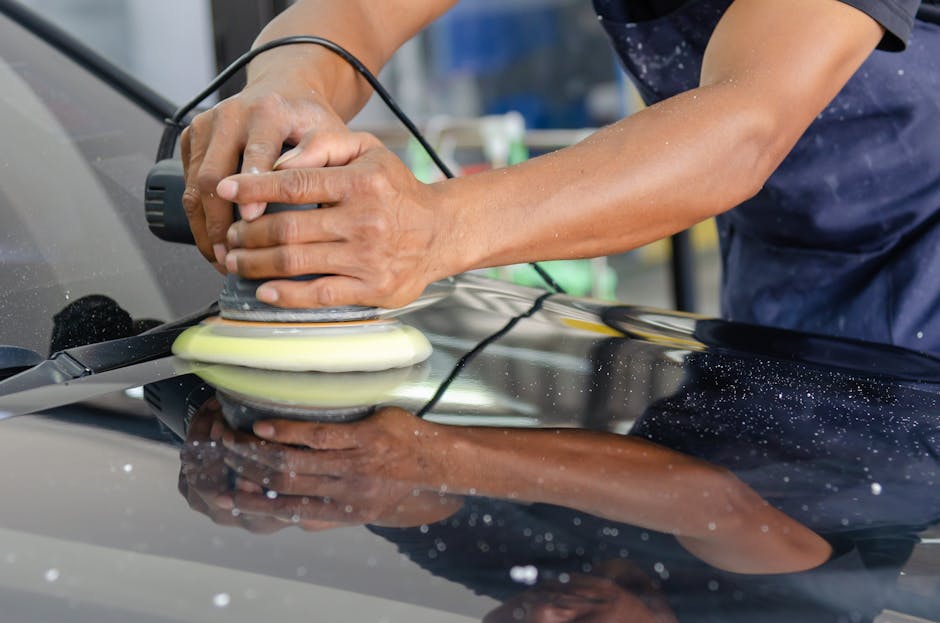
Once compounding is complete, the surface is smoother but often still shows a light haze from the abrasive compound. Polishing helps refine the finish by eliminating any visible marks left by the compounding stage and enhancing the overall gloss. A less abrasive polish is used in this stage to remove any micro-marring or hazing caused by the previous cutting process. The goal is to further refine the surface and bring out its full potential, showcasing a mirror-like shine.
Finishing and Protection
After correction, the fresh clear coat needs immediate protection. A professional will apply either a paint sealant or ceramic coating to lock in the results. Ceramic coating is the recommended follow-up because it provides 2-5 years of protection against future damage.
Pro Tip: Think of paint correction and ceramic coating as two separate jobs that belong together. Correction repairs what is already damaged. Coating prevents the next round of damage. Doing one without the other is a missed opportunity, the corrected surface is at its most receptive immediately after polishing.
The following walkthrough covers the full practical sequence, from decontamination through to protection, so you can see how each stage connects before attempting the process yourself.
Before and After: What the Results Actually Look Like
Dark Vehicles Show the Most Dramatic Change
On vehicles like a black BMW heavy swirl marks from poor washing techniques can be completely eliminated. The deep black finish emerges reflecting like a mirror, with paint depth that appears three-dimensional. Dark colours are also the most punishing for swirl marks, every micro-scratch scatters light in the worst possible way. The before-and-after difference on a black or navy car can be genuinely startling.
Oxidised and Faded Finishes
Severe oxidation and fading can be restored to original vibrancy. The metallic flakes in the paint, which had been hidden under the cloudy surface, pop under sunlight again, creating the factory-fresh appearance the owner thought was impossible.
In my experience, oxidation cases produce the most emotional reactions from customers. They often come in expecting to be told the car needs a respray. Seeing that the colour was there all along, just buried under a layer of damaged clear coat, is a real surprise for most people.
Realistic Expectations
Correction removes or reduces defects that are within the clear coat. Deep scratches that reach the base coat may require touch-up or repainting. A professional will tell you upfront which defects are correctable and which are not. If someone guarantees to remove every mark without first inspecting the paint, that is a red flag.
Pro Tip: Stage 1 correction typically improves paint clarity by 50-70%. Stage 2 removes up to 85% of surface-level damage. A three-stage full correction removes 95%+ of defects and is ideal for heavily swirled, scratched, or neglected paint with heavy oxidation and water spotting. Match the stage to what the paint actually needs, not to the most impressive-sounding package.
Common Mistakes That Ruin the Results
Skipping Prep
A clay bar should be used to pick up any remaining contaminants like tar, tree sap, and industrial fallout that washing alone does not remove. This extra step ensures that the paint surface is as smooth as glass, perfect for the correction process. Taking the time to wash and clay the car correctly saves the headache of dealing with embedded debris during correction, which can lead to even deeper issues if not handled properly.
Going Too Aggressive Too Quickly
Many people start with small swirl marks and end with haze, holograms, or thin clear coat. Professional paint correction uses training, lighting, product knowledge, and controlled technique. The temptation with a dual-action polisher and a cutting compound is to work faster and harder, but this is exactly where clear coat gets burned through, particularly on panels that have already been polished before.
Skipping Protection Afterwards
Once the paint correction is complete, neglecting to apply UV protection can cause the paint to fade quickly. A good sealant or wax ensures long-lasting protection and shine. Applying a high-quality wax or ceramic coating creates a barrier against the elements, preserving the hard work and prolonging the lifespan of the car’s finish.
Applying Coating Over Uncorrected Paint
If you are considering ceramic coating and your paint shows any signs of defects, correction is essential first. Ceramic coating applied over defective paint seals those defects permanently under the coating. The only way to address them at that point is to remove the coating, correct the paint, and reapply. Doing the correction first produces a dramatically better result and is simply the right sequence.
How Paint Correction Protects Your Vehicle’s Value
I have found that most vehicle owners think of paint correction as a cosmetic luxury. In practice, it is a financial decision. Paint correction can increase your vehicle’s resale value by 10-20% when properly maintained. Therefore, if you own a vehicle worth $25,000 and intend to sell privately within the next two years, a professional correction service could be the highest-return preparation investment you make.
In most cases, getting paint correction before selling a car is a sound decision. Paint correction removes swirl marks, scratches, and oxidation that make paint look tired. The cost of correction is typically far less than the value it adds by moving a vehicle from ‘average’ to ‘clean’ or ‘outstanding’ condition.
For Colorado vehicle owners specifically, the argument is even clearer. In Colorado’s high-altitude environment, with its increased UV exposure, oxidation can progress faster than in other regions. All automotive paint gradually fades over time, with red and blue vehicles typically showing colour deterioration faster than neutral tones. Proactive correction, rather than waiting until the damage is severe, keeps the cost manageable and the result more complete.
At FB Mobile Auto Detailing, the mobile service model means this work can be done at your home or workplace, so there is no need to arrange a day without your vehicle. For Colorado drivers dealing with the state’s unique combination of altitude, intense sun, and seasonal road salts, having a professional come to you makes it far easier to stay on top of paint health before the damage becomes severe.
Frequently Asked Questions
How can I tell if my car needs paint correction or just a good polish?
Hold a torch or phone light at a low angle across the bonnet. A swirl finder light or direct sunlight at a raking angle will reveal any remaining defects you may have missed. If you see a web of fine circular lines or a haziness that does not disappear after washing, you are looking at clear coat defects that need correction, not just a surface polish. A polish will enhance gloss briefly, but the underlying marks will return.
How long does a professional paint correction actually take?
It depends on the damage and the vehicle size. Paint correction and polishing can take between 2 and 10 hours to minimise scratches, damage, and wear. It may take two to five hours to make minor adjustments to the paint. However, it might take up to seven hours or more to make significant changes to paint that is severely faded and damaged. For a full multi-stage correction on a large SUV or truck, plan for the vehicle to be unavailable for a full day or potentially longer.
Does paint correction work on all types of paint damage?
Paint correction addresses swirl marks, oxidation, scratches and scuffs, etching from bird droppings and sap, and hard water spots. Paint correction does not fill or cover damage that has penetrated through to the base coat or the metal beneath. A professional inspection with proper lighting is the only reliable way to determine what is correctable on your specific vehicle.
How often should a vehicle in Colorado have paint correction done?
Paint correction is typically needed every 1-3 years depending on driving habits and environmental exposure. In most cases, every 1-3 years depending on driving conditions. Proper washing habits can extend the time between corrections. For vehicles kept outdoors year-round in Colorado, an annual inspection is sensible given the altitude-accelerated UV damage. Follow up any correction with a ceramic coating or quality sealant to extend the life of the result.
Is it worth combining paint correction with ceramic coating?
Choose paint correction when the goal is to improve gloss and reduce the appearance of swirls, haze, and light surface defects. A ceramic coating should be discussed when the goal is longer-lasting protection and easier routine cleaning after the paint has been properly prepared. Some vehicles benefit from both, performed in the right sequence. For most Colorado drivers who keep their vehicles for several years, doing both in the correct sequence, correction first, coating second, delivers the best value over time.
Ready to see what your car’s finish actually looks like underneath the haze? Visit FB Mobile Auto Detailing to learn more about professional mobile paint correction and ceramic coating services for Colorado vehicles.
Sources
-
Paint Correction Melbourne: Before and After Results, Mirror Finish Detail. Real-world before-and-after case study results by paint type and defect category. https://www.mirrorfinishdetail.com.au/2026/05/04/paint-correction-before-after-melbourne/
-
How Paint Correction Removes Swirls and Scratches, All Wraps. Explanation of swirl marks, oxidation, and the multi-step correction process. Paint correction is typically needed
-
Paint Correction Explained, X-Detailing LLC. Breakdown of dual-action and rotary polisher techniques by stage. https://www.x-detailingmobile.com/blog/paint-correction-explained
-
Paint Correction Before and After Photos, Doctor Detail. Guide to defect types correctable by professional paint correction. https://doctordetail.com/car-paint-correction-before-and-after-photos/
-
Paint Correction Indiana: Swirl Marks, Scratches Fixed, Attn2Detail. Explanation of how light scatters in damaged clear coat and how levelling restores gloss. https://www.attn2detail.info/paint-correction-indiana-swirl-marks-scratches-fixed/
-
How Colorado’s Climate and Weather Impact Auto Paint, Yoder Collision Network. Climate-specific paint damage factors for Colorado vehicle owners. https://yodercollisionnetwork.com/auto-body-repair/how-colorados-climate-and-weather-impact-auto-paint-signs-and-repairs/
-
Colorado Weather and Car Wash Protection Tips, Rocket Express Car Wash. Colorado altitude UV intensity data and seasonal damage factors. https://www.rocketexpresscarwash.com/colorado-weather-car-wash-protection-tips/
-
How to Protect Car Paint from the Colorado Sun, Speedy Sparkle Car Wash. UV intensity increase per 1,000-foot elevation gain. https://speedysparklecarwash.com/how-to-protect-your-cars-paint-from-the-colorado-sun/
-
12 Car Paint Damage Types That Destroy Resale Value, Springs Detailing. Colorado-specific oxidation progression rates by colour. https://springsdetailing.com/car-paint-damage-types/
-
Paint Correction Cost Guide 2026, Car Detailing Finder. Pricing tiers by stage and defect density. https://www.detailingfinder.com/blog/paint-correction-cost
-
Auto Paint Repair and Vehicle Resale Value, Texas Collision Centers. Research on how paint condition affects trade-in value by percentage. https://www.texascollisioncenters.com/post/auto-paint-repair-and-vehicle-resale-value-how-much-does-it-matter
-
Is Paint Correction Worth It?, Springs Detailing. Resale value increase figures and cost-benefit analysis. https://springsdetailing.com/is-paint-correction-worth-it/
-
Paint Correction Before Selling Your Car: Worth It?, Gilroy Blackout. ROI data on two-stage correction before private sale. Paint correction ROI is typically
-
What to Expect from Paint Correction in 2026, Mission Mobile Detailing. Overview of modern correction processes and clear coat preservation. https://missionmobiledetailing.com/blog/what-to-expect-from-paint-correction-in-2026/
-
Paint Correction Before Ceramic Coating: Pro 2026 Guide, LA Wrap and Tint School. Why defects sealed under coating cannot be removed without full reapplication. https://www.lawrapandtintschool.com/post/paint-correction-before-ceramic-coating-2026-guide
-
Ceramic Coating Trends 2026 to Watch, Echelon Elite. Why paint prep is increasingly recognised as the most important coating variable. https://www.echelon-elite.com/post/ceramic-coating-trends-2026-to-watch
-
5 Common DIY Paint Correction Mistakes, Gtechniq. Decontamination, pad selection, and over-correction errors explained. https://gtechniq.com/5-common-diy-paint-correction-mistakes/
-
Common Paint Correction Mistakes That Can Damage Your Car, Trey’s Detailing Co. Risk of holograms, thin clear coat, and haze from incorrect technique. https://treysdetailingco.com/common-paint-correction-mistakes/
-
How Much Does Paint Correction Cost in 2026, Ride and Shine Detail. Cost breakdown by single and multi-stage correction for average vehicles. https://rideshinedetail.com/how-much-does-paint-correction-cost/
-
Paint Correction and Ceramic Coating Compared, Car Detailing Surrey. Distinction between correction as repair and coating as protection. https://cardetailingsurrey.ca/blog/paint-correction-vs-ceramic-coating/


