
Is Paint Correction Denver Worth It for Your Car?
A vehicle can be freshly washed and still look tired under Denver sunlight. Swirl marks, light scratches, water-spot etching, oxidation, and dullness become especially visible when the paint is clean. Paint correction Denver service is designed for that moment: not to cover defects temporarily, but to carefully level the damaged portion of the clear coat and bring back clarity, depth, and gloss.
For a daily-driven SUV, a work truck, a family vehicle, or a cherished weekend car, correction can make a dramatic difference. The right level of work depends on the paint’s condition, the vehicle’s history, and what you want from it next. A realistic assessment matters more than a one-size-fits-all promise.
What Paint Correction Actually Does
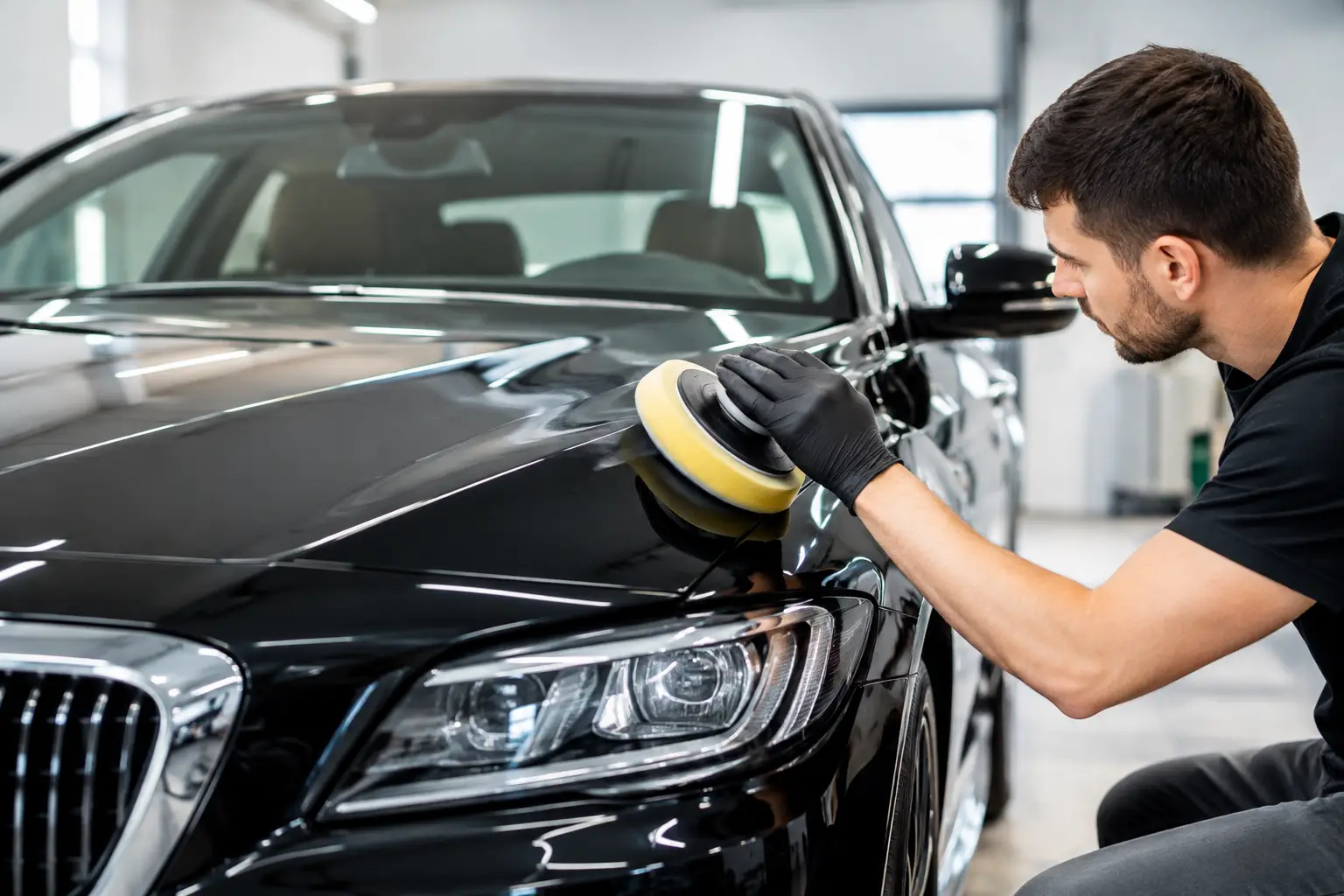
Most modern vehicles have a clear coat over the colored paint. Fine scratches and swirl marks often sit in that clear coat, disrupting the way light reflects from the surface. Paint correction uses professional machine polishing, matched pads, and carefully selected compounds to reduce those defects. As the surface becomes more level, light reflects more evenly, creating the crisp, glossy finish owners notice immediately.
This is a skilled process, not an aggressive polishing session. A certified technician evaluates paint thickness, defect severity, panel condition, and the paint system itself before choosing a correction approach. Softer paint can correct quickly but may also mark easily. Harder paint may require more time and a more deliberate combination of tools and products.
A single-stage correction is often a strong option for a well-maintained daily driver with mild swirls and faded gloss. It can noticeably improve clarity while preserving as much clear coat as possible. Multi-stage correction is intended for heavier defects and can deliver a more refined finish, but it requires additional time, labor, and paint removal. More correction is not automatically better. The goal is the best responsible improvement for the vehicle.
What Professional Paint Correction Denver Can Fix
Paint correction is highly effective for defects that are within the clear coat. Common candidates include light wash scratches, circular swirl marks from automatic car washes, minor scuffs, haze, oxidation, mineral deposits, and dull paint that has lost its depth.
Colorado driving creates plenty of opportunities for these issues. Intense UV exposure, winter road grime, windblown dust, snowmelt residue, and frequent temperature changes all take a toll. Even careful owners can see paint lose its sharpness over time, especially on dark colors where every imperfection seems to show.
Correction can also improve the appearance of isolated flaws, such as a light mark near a door handle or a scuff on a bumper. However, the entire vehicle should be evaluated as a whole. Correcting only one area may make nearby panels look comparatively dull, and the best approach depends on your expectations and budget.
What It Cannot Repair
Paint correction has limits, and an honest professional will explain them before work begins. If a scratch catches a fingernail, exposes primer or metal, or has removed paint entirely, polishing cannot restore the missing material. Deep scratches may look less obvious after surrounding defects are reduced, but they may still remain visible.
Chipping from road debris, clear coat failure, rust, cracked paint, and severe etching may require touch-up, bodywork, or repainting. Correction is also not a substitute for dent repair. It restores and refines the paint surface, but it cannot reshape damaged metal or replace failed paint.
That distinction protects both your vehicle and your expectations. The best result is not always total defect removal. In many cases, a substantial improvement that preserves the integrity of the clear coat is the smarter long-term choice.
Why Preparation Determines the Finish
Polishing a dirty or contaminated vehicle can create more damage, which is why professional correction starts well before the machine polisher comes out. The vehicle is thoroughly hand washed to remove loose dirt and road film. A chemical decontamination step addresses embedded iron particles and other bonded contaminants, while a clay treatment may be used where needed to create a smooth working surface.
From there, the paint is inspected under proper lighting. Sunlight can reveal defects, but controlled lighting is essential for spotting swirls, haze, and unfinished areas across every panel. Sensitive trim, badges, edges, and adjacent surfaces are protected before polishing begins.
This preparation takes time because it affects the result. Skipping it may make a vehicle look better for a few days, but it will not produce the clear, uniform finish expected from premium correction work.
Paint Correction and Ceramic Coating Work Better Together
After correction, the paint is at its cleanest and most visually refined. That makes it an ideal time to apply ceramic coating. A quality ceramic coating adds a durable protective layer that improves water behavior, supports easier washing, and helps resist UV exposure, dirt, road grime, and seasonal contaminants.
Ceramic coating is not an invincible shield. It will not prevent every rock chip, eliminate the need for washing, or make a vehicle scratch-proof. It does, however, make ongoing maintenance more manageable and helps preserve the corrected finish when the vehicle is cared for properly.
For many Denver-area owners, the combination makes practical sense. Correct the paint first, then protect the finish from the conditions it faces at home, on the highway, in parking lots, and through winter driving. Coating over swirls may add gloss, but it does not remove the defects underneath. Preparing the paint first gives the coating a better foundation and a better final appearance.
Is Your Vehicle a Good Candidate?
A vehicle does not need to be a luxury car or a classic to benefit from correction. A family SUV can regain a cleaner, more cared-for appearance. A truck can look sharper after seasons of job-site dust and road film. For an enthusiast vehicle, correction can bring out the color, metallic flake, and reflective depth that made the vehicle special in the first place.
The best candidates are vehicles with generally healthy paint that show visible swirls, light scratches, water spots, or oxidation. Age alone is not the deciding factor. A newer car that has been through repeated tunnel washes can need correction more than an older car that has been carefully hand washed and stored.
Before booking, think about how you use the vehicle. If it is parked outside every day, driven frequently on gravel roads, or regularly taken through automatic washes, a full multi-stage correction may not provide the best value unless your maintenance habits change afterward. A single-stage enhancement paired with protection may be a more sensible option. If you plan to sell, correcting visible defects can improve first impressions and help your vehicle present as well maintained.
Convenience Should Not Mean Compromise
Mobile detailing is valuable because vehicle care should fit into real life. Service at your home or workplace can save a trip to a fixed shop and keep your day moving. Still, paint correction needs suitable conditions. Dust, direct sun, wind, rain, and limited workspace can affect the process and the finish.
A professional mobile team will assess the location and recommend the right setup or timing for the work. Covered space, access to power and water when needed, and a clean working area all support better results. This is part of treating every vehicle with precision, whether it is a commuter sedan or a high-value collector car.
The goal is not to chase a temporary shine that disappears after the next wash. It is to make a careful, informed improvement that looks exceptional now and gives you a finish worth protecting. When you can see your vehicle’s color clearly again, maintaining it starts to feel less like another chore and more like protecting an asset you are proud to drive.


