
Deep Interior Car Cleaning Denver That Restores
A vehicle can look clean from the outside while its cabin tells a very different story. Sand and road salt collect in carpets, coffee settles into seams, pet hair works its way into upholstery, and everyday odors linger long after the source is gone. Deep interior car cleaning Denver vehicle owners rely on addresses those details with a level of care that a quick vacuum or drive-through wash cannot match.
For busy professionals, families, truck owners, and enthusiasts, a properly detailed interior changes more than appearances. It makes every drive more comfortable, helps protect interior materials, and supports the value of a vehicle you depend on every day.
What Deep Interior Car Cleaning Actually Includes
Deep cleaning is not simply spraying a scented product over the cabin. Professional interior detailing is a methodical process built around the materials, condition, and use of each vehicle. A lightly used luxury sedan needs a different approach than a family SUV with third-row snack crumbs, dog hair, and winter slush in the carpet.
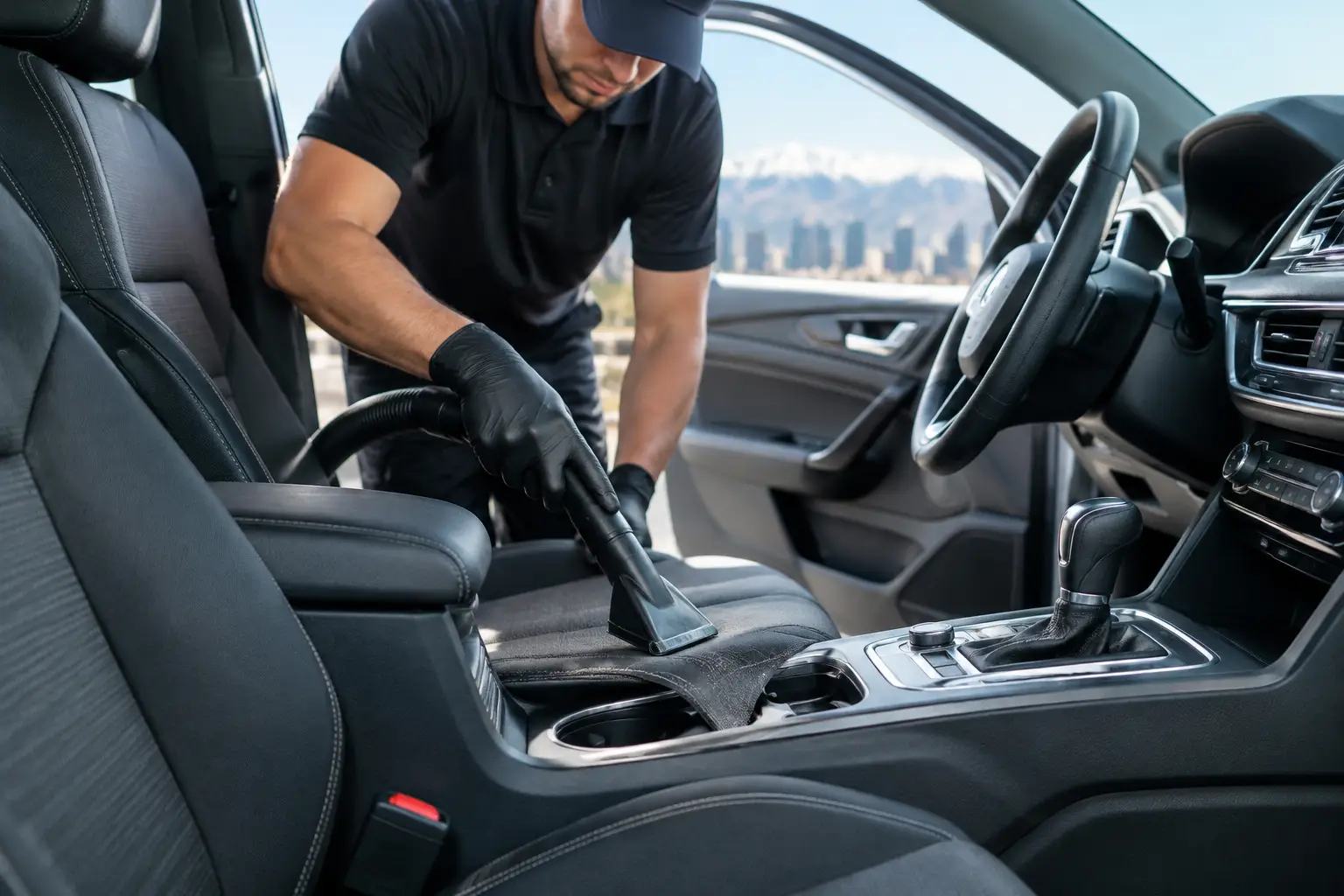
The process typically begins with a careful inspection. This identifies high-traffic areas, staining, odor sources, delicate materials, and surfaces that need special attention. Technicians then remove loose debris from carpets, seats, crevices, cargo areas, door pockets, and under-seat areas where dirt tends to accumulate unnoticed.
From there, the work becomes more targeted. Carpet and fabric upholstery may be treated and extracted to lift embedded soil. Leather requires appropriate cleaners and conditioners that clean without leaving the surface overly wet or slippery. Vinyl, plastic, trim, cup holders, vents, door panels, and consoles are cleaned in detail rather than wiped broadly. Interior glass is finished for clear visibility without haze or streaking.
A quality service also takes drying seriously. Over-saturating fabric can create new odor issues or leave a vehicle inconveniently damp. The goal is controlled cleaning that produces a refreshed, comfortable cabin without unnecessary moisture.
Why Denver Interiors Get Dirty Faster Than Expected
Colorado conditions are hard on more than paint. Denver-area drivers deal with dry dust, sudden rain or snow, deicing residue, mud, gravel, and seasonal pollen. Those contaminants travel inside on shoes, jackets, pets, sports gear, and grocery bags.
Road salt and moisture are especially troublesome during winter. When tracked into carpets and floor mats repeatedly, they can leave white residue, dull fibers, and contribute to lingering damp odors. During warmer months, UV exposure and heat can dry interior leather and plastic, while open windows bring fine dust into vents, seams, and dashboard surfaces.
The vehicle itself also matters. Trucks and SUVs often carry more outdoor gear and see heavier use. Family vehicles tend to collect food spills, marker stains, crumbs, and pet hair. A weekend car may have fewer stains but still need careful cleaning to preserve leather, Alcantara, polished trim, or other premium finishes.
The Difference Between a Basic Vacuum and a True Interior Detail
A vacuum is useful maintenance, but it cannot fully remove oils, sticky residue, embedded grime, or the particles trapped deep within carpet fibers. Wiping a dashboard with a household cleaner may make it look better temporarily, yet the wrong product can leave shine, streaks, residue, or premature wear.
Deep interior detailing works in layers. Loose debris is removed first so cleaning solutions can reach the surface beneath it. Stains are evaluated before treatment because protein-based spills, grease, salt, ink, and pet accidents do not respond to the same chemistry. Brushes, steam, extraction tools, compressed air, and microfiber towels may each have a place, but only when they are appropriate for the material.
That distinction matters most in neglected vehicles. Aggressive scrubbing can damage delicate upholstery. Excessive steam can be risky around sensitive electronics or adhesives. Strong fragrances can mask an odor without solving the underlying problem. The best result comes from matching the method to the vehicle instead of using one routine for every cabin.
When Odor Removal Requires More Than Cleaning
Odors deserve a direct approach. If the smell comes from surface-level food debris, dirty mats, or pet hair, a thorough cleaning may make a significant difference. If it comes from spilled milk, moisture below the carpet, smoke residue, mold, or a pet accident that reached the padding, more extensive treatment may be necessary.
Effective odor removal starts with finding the source. Cleaning only the visible stain can leave odor-causing contamination underneath. Depending on the issue, treatment may include deep extraction, cleaning affected surfaces and crevices, and odor-neutralizing processes designed to address odor molecules rather than cover them with perfume.
There are limits worth understanding. Long-term smoke exposure, water damage, and severe biological contamination may require additional remediation or replacement of affected materials. A professional should set clear expectations after inspecting the vehicle rather than promise a result that the condition cannot reasonably support.
Deep Interior Car Cleaning Denver Drivers Can Schedule at Home or Work
Time is often the reason interiors stay dirty longer than they should. Taking a vehicle to a shop, arranging transportation, and waiting for service can turn a necessary maintenance task into an all-day inconvenience. Mobile detailing provides a practical alternative by bringing professional care to a home or workplace appointment.
That convenience should not mean a rushed result. FB Mobile Auto Detailing & Coating combines mobile service with professional-grade tools, careful product selection, and an inspection-led process. The work can be tailored to the vehicle, whether the priority is restoring a daily driver, preparing a lease return, refreshing a family SUV, or maintaining the interior of a luxury or classic vehicle.
Before scheduling, consider how the vehicle is used and what needs attention most. A vehicle with pet hair may need more time than one with light dust. Heavy staining, excessive sand, or odor concerns may call for deeper treatment than a standard interior refresh. Sharing those details upfront helps set the right service level and avoids surprises on appointment day.
How Often Should You Deep Clean Your Vehicle Interior?
For many Denver drivers, a professional deep interior cleaning every six to twelve months is a sensible baseline. The right interval depends on use. A commuter car with no children or pets may only need an annual reset, while a family SUV, work truck, rideshare vehicle, or vehicle used for outdoor recreation may benefit from service every few months.
Regular upkeep stretches the time between intensive appointments. Empty trash weekly, address spills quickly, shake out mats, and use a clean microfiber towel for light dust on hard surfaces. Avoid using greasy dashboard dressings or heavily fragranced products that can create buildup and distract from visibility.
Leather interiors also benefit from routine care, especially in Colorado’s dry climate. Clean, conditioned leather is less likely to look neglected, feel stiff, or show premature wear in high-contact areas such as the driver’s seat bolster and steering wheel.
What a Cleaner Interior Protects
The immediate payoff is easy to see: cleaner carpets, clearer glass, fresher air, and surfaces that look cared for rather than merely covered up. The longer-term value is just as meaningful. Interior condition influences trade-in conversations, private-sale photos, and a buyer’s first impression when it is time to sell.
It also affects the experience you have with the vehicle now. A clean cabin makes a morning commute calmer, makes it easier to transport clients or passengers, and gives family trips a more comfortable starting point. For owners who invest in exterior correction or ceramic protection, maintaining the interior completes the standard of care.
A vehicle does not need to be severely neglected before it deserves professional attention. Addressing the dirt, stains, pet hair, and odors that build up over time is one of the simplest ways to make every mile feel better – and to keep your vehicle ready for whatever comes next.


