
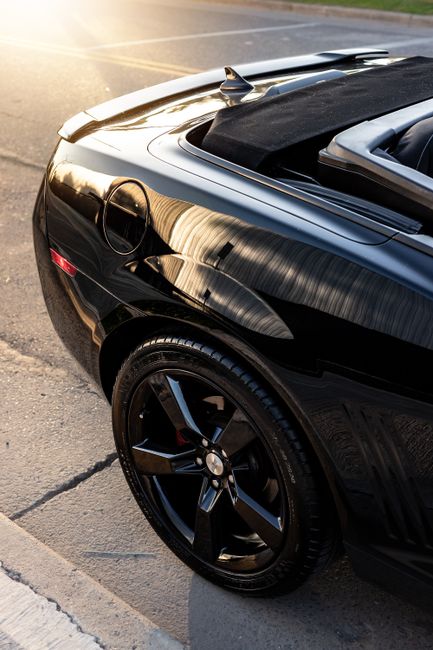
Swirl Marks on Black Cars Are Brutal — Here Is How to Beat Them

If you own a black car, you already know the frustration. You spend an hour washing it, step back to admire your work, and then the sun breaks through the clouds and reveals a spiderweb of fine scratches across every panel. Over 95% of swirls and scratches come from improper car washing techniques, including using the wrong wash method, one bucket, not enough soap, or old rags and towels to dry, and black paint makes every single one of them impossible to hide. Swirl marks on black paint are fine, circular scratches that appear on your vehicle’s clear coat, and on black paint these imperfections are amplified because black surfaces reflect light in a way that makes micro-scratches stand out. That reflection is both the beauty and the curse of black paint.
In my experience working with vehicle owners in Colorado, the problem compounds quickly here. Denver sits well over 5,000 feet above sea level, and with every 1,000-foot increase in elevation, UV intensity rises by about 10 to 12%, meaning the high-altitude sun reveals and accelerates damage that lower-altitude owners simply never see at the same rate. Add in winter road treatments, and you have one of the most punishing environments for dark paint anywhere in the country. The good news is that swirl marks are a solvable problem, and this guide walks you through exactly how to beat them.
Key Takeaways
-
Washing is the main culprit: Swirl marks are thousands of very fine scratches in your clear coat that scatter sunlight, and they are almost always caused by improper washing and drying, not by the road. Fixing your wash technique is the single highest-return action you can take.
-
Black paint shows everything: On silver or gold cars those scratches hardly show, but on a bright day they will look like white swirls against the black paint. Your colour demands a higher standard of care than any other finish.
-
Paint correction removes them properly: Paint correction levels the clear coat down to the bottom of the defect, so swirl marks are physically removed rather than hidden. They only return if new scratches are introduced by improper washing afterward. If you have swirls now, correction is the only true fix.
-
Ceramic coating is your long-term defence: A ceramic coating acts as a protective barrier between your paint and harmful UV rays, brake dust, and pollutants, and it chemically bonds with the clear coat to form a semi-permanent layer of protection that makes washing easier and swirls less likely to form.
-
Colorado’s environment adds pressure: During Colorado’s winter months road salt and de-icing chemicals such as magnesium chloride are necessary evils for safe driving conditions, but these substances are highly corrosive to automotive paint. A proper protection strategy is essential here, not optional.
Quick-Start Prioritisation Framework
| Strategy | Best For | Effort Level | Time to Results |
|---|---|---|---|
| Fix your wash technique | Every black car owner | Low | Immediate |
| Switch to two-bucket method | Daily drivers, frequent washers | Low | Same wash |
| Clay bar decontamination | Cars not detailed in 6+ months | Medium | 1-2 hours |
| Single-stage paint correction | Light to moderate swirl marks | High / Professional | Half day |
| Two-stage paint correction | Heavy swirls, older paint | High / Professional | Full day |
| Ceramic coating application | Post-correction protection | Professional | 1-2 days |
Start here if you are:
-
A daily driver with mild swirls: Fix your wash method immediately, then book a single-stage polish; you will see a dramatic improvement for $300 to $500.
-
A classic car owner or show car enthusiast: Go straight to a two-stage professional correction followed by ceramic coating. The investment protects the finish for years.
-
A Colorado owner dealing with winter damage: Prioritise a post-winter decontamination wash and clay bar before any correction work, then apply a ceramic or paint sealant before the next season.
Why Black Cars Are So Vulnerable
The Physics of Black Paint
Your paint is not a single layer. Sitting on top of the coloured basecoat is a thin, clear protective layer called the clear coat. It is the surface you actually touch, and it is the surface that takes all the abuse. Swirl marks are not in the colour itself. They are a dense network of shallow, fine scratches cut into that clear coat. On a white or silver car, these scratches blend into the paint’s inherent brightness. On black, they catch and scatter light in every direction, creating that telltale circular haze.
Direct sunlight not only reveals swirl marks but also causes heat-related expansion and contraction in paint, potentially worsening micro-cracks and damaging the top layer over time. That is why your black car looks perfect in the garage and devastating in the midday sun. Every imperfection gets amplified.
Colorado Makes It Worse
I have found that Colorado-specific conditions create a genuinely difficult environment for black vehicles. Dark-coloured vehicles show oxidation more readily than lighter colours, and in Colorado’s high-altitude environment with its increased UV exposure, oxidation can progress faster than in other regions. The state logs over 300 sunny days per year, meaning your paint is under UV stress for the majority of its outdoor life.
Winter brings a different threat. De-icer agents are usually made with calcium chloride or magnesium chloride, and these chemicals are highly corrosive to vehicles. They can penetrate your car’s clear coat and start to break down the layers underneath, leading to paint deterioration. If you are driving on Denver roads from November through March, your black car is being attacked from above by UV radiation and from below by chemical corrosion simultaneously.
Pro Tip: After any significant winter storm in Colorado, rinse your vehicle thoroughly within 48 hours. Road chemicals including magnesium chloride are hygroscopic; they absorb moisture and continue working on your paint long after the roads dry. A quick rinse is one of the cheapest protective steps you can take all year.
The Real Causes of Swirl Marks
Your Wash Technique Is Almost Certainly the Problem
Swirl marks are unsightly micro-marring on the surface of your car’s paintwork which can quickly deteriorate over time. They are fine scratches most commonly caused by wiping your car with a dry towel or improper washing and detailing techniques. Here are the most common mistakes I see, and each one is completely avoidable:
-
Using a single bucket so dirty water goes straight back onto the paint
-
Washing with circular motions instead of straight lines
-
Using household sponges or rough towels instead of microfiber
-
Skipping a pre-rinse and dragging dry grit across the surface
-
Wiping down a dusty car without any lubrication
-
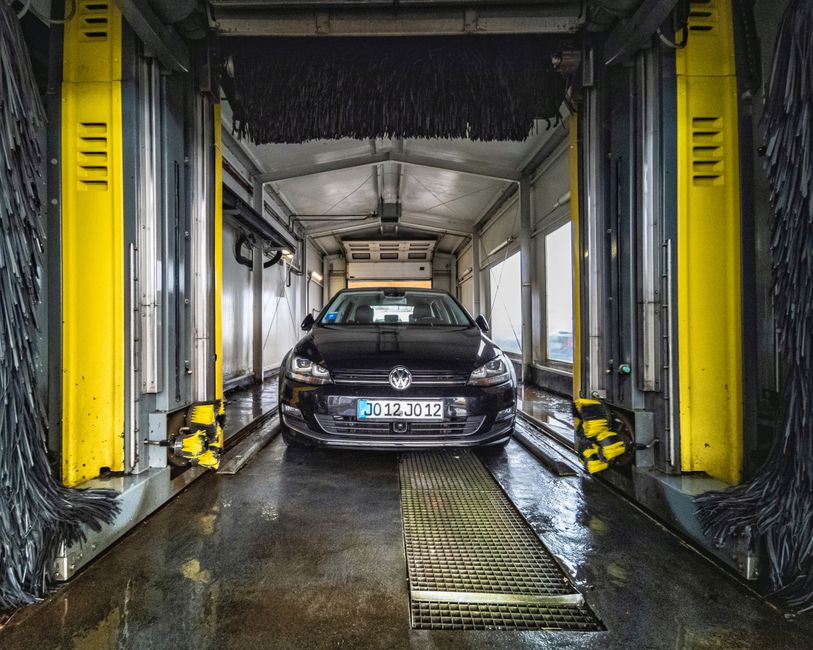
Using automatic brush car washes regularly
Mitt quality matters independently of the method. Single-use sponges, household cleaning sponges, and low-quality wash cloths have coarser fibre structures that hold particles differently and abrade the clear coat more aggressively than a proper chenille or microfiber wash mitt.
Automatic Car Washes Are a Major Offender
While touchless automatic car washes are safer than those with brushes, they still use harsh chemicals that can strip away your paint protection. Hand washing remains the safest method. If you are driving through a brush car wash regularly because it is convenient, you are paying for swirl marks with every visit. The long-term cost, a professional paint correction running $500 to $2,500 according to Mobile Tech RX’s paint correction pricing guide, far outweighs the convenience.
How to Wash a Black Car Without Creating Swirl Marks
The Two-Bucket Method, Your Most Important Tool
The two-bucket method is the single most effective habit for preventing swirl marks. One bucket washes, one rinses the mitt. It sounds almost too simple, but the science behind it is solid. Every pass with a contaminated mitt is a swirl-mark generator. The two-bucket method eliminates this by using a dedicated rinse bucket filled with clean water only, to agitate the mitt between panels before reloading it with fresh soap from the wash bucket. The rinse bucket traps the contamination from the paint so it does not go back onto the vehicle.
According to Chemical Guys’ two-bucket wash guide, the right technique also means wiping in straight lines only, circular scrubbing traps particles and grinds them into the clear coat, creating the very swirl marks this washing technique is designed to prevent.
The Correct Wash Sequence
Follow this order every time you wash your black car:
-
Pre-rinse the entire vehicle from top to bottom to remove loose dirt and grit
-
Wash wheels and tyres first with dedicated brushes, wheels carry the most abrasive brake dust
-
Load your microfiber mitt from the soap bucket and start at the roof
-
Work panel by panel from top to bottom, rinsing the mitt in the clean water bucket between each panel
-
Always use a pH-neutral car shampoo designed for automotive use, as household detergents strip protective coatings
-
Dry with a plush microfiber drying towel using straight blotting motions, never circular rubbing
Pro Tip: Wash your black car in the shade, never in direct sunlight. Ensure you are working in a shaded, well-ventilated area and avoid direct sunlight or extreme temperatures, as these can cause compounds to dry too quickly, and a panel that dries before you rinse it leaves mineral deposits and water spots on black paint within minutes.
Removing Existing Swirl Marks From Black Paint
Assessing the Damage First
Before you reach for a bottle of polish, you need to know what you are dealing with. Shine a bright LED torch or a detailing light across the paint at a low angle in a darkened garage. These scratches are sometimes described as looking like spider webs under sunlight, especially on black paint where they are literally impossible to ignore. Light, scattered haze points to surface-level swirls that a single-stage polish can address. Deep, concentrated patterns often require a more aggressive compound and potentially a two-stage correction.
Every swirl mark removal job depends on matching the right level of abrasiveness to the condition of the paint. Polishes and compounds contain microscopic abrasives that smooth the clear coat, removing high points and restoring even light reflection.
DIY Polishing for Light Swirl Marks
For minor swirls that appeared recently, perhaps from a bad wash or a brush car wash visit, a DIY approach can work. For light to moderate swirl marks start with a finishing polish or an all-in-one cleaner polish designed for clear coats. If the damage is more noticeable, make several light passes instead of using an aggressive compound right away. The goal is to correct the surface while preserving as much of the clear coat as possible.
A dual-action (DA) orbital polisher is the right tool for the job. Dual-action polishers are among the most effective tools for swirl mark removal. Their oscillating motion minimises the risk of overheating or over-polishing, making them safer for beginners. If you have never used a machine polisher before, start at a low speed setting and work in a small test area before committing to the full vehicle.
Before polishing, always use a clay bar. Before polishing, using a clay bar helps remove embedded contaminants that can worsen swirl marks. Clay bars lift bonded dirt, sap, and brake dust that washing alone cannot remove. Skipping this step means you could be grinding those bonded particles into the paint during polishing, creating new scratches in the process.
When to Call a Professional
In my experience, most black cars with visible swirl marks need professional paint correction rather than a DIY polish. Soft paints and dark colours like black show more flaws and require more correction, and the margin for error is slim. DIY kits can save money in the short term, but they often leave behind micro-marring or haze, especially on black paint.
Professional pricing from Adam’s Coatings’ 2025 paint correction cost guide breaks down as follows:
-
Single-stage correction: $300 to $500, ideal for minor imperfections
-
Two-stage correction: $600 to $1,000, removes deeper scratches and defects
-
Three-stage correction: $1,000 and above, for heavily neglected or older paint
Correction levels affect the result, a one-stage correction removes up to 65% of defects, while a three-stage correction refinishes up to 95% of the surface. For a black car with moderate swirls, a two-stage correction is usually the right starting point before any protective coating is applied.
Pro Tip: Never apply a ceramic coating over existing swirl marks. If you apply a ceramic coating over existing swirl marks, you are essentially laminating those defects under a glass layer for years. Always correct first, coat second.
If you’d like to see the full polishing process in action, this walkthrough covers machine polishing for beginners, including how to safely remove swirl marks and light scratches from dark paint at home.
Long-Term Protection for Black Paint
Ceramic Coating, The Best Defence Available
Once your paint is corrected and clean, a quality ceramic coating is the most effective long-term protection you can apply. Ceramic coating is a liquid polymer that chemically bonds with your car’s paint, creating a durable, hydrophobic layer. For black cars, this layer does more than just protect; it actively enhances the depth and gloss of the paint.
The practical benefits for black car owners are substantial. Contamination does not bond to coated surfaces the way it does to raw or waxed paint. Your maintenance washes require less mechanical agitation, which means less risk of introducing new swirl marks. In Colorado’s gritty, high-UV environment, that reduced agitation during washing is particularly valuable.
Ceramic coating provides a protective barrier against harmful UV rays, helping to prevent fading and oxidation, which matters enormously at Denver’s altitude. For owners exploring mobile auto detailing in the Denver area, FB Mobile Auto Detailing offers paint correction and ceramic coating services that come to you, removing the hassle of dropping off your vehicle entirely.
Wax and Sealant as an Alternative
If ceramic coating falls outside your current budget, a quality paint sealant is a meaningful step up from traditional wax. A high-quality car wax should be applied every two to three months. A sealant can last six to twelve months, and a ceramic coating can last for years with proper maintenance. Whatever product you choose, apply it immediately after any correction work to seal the surface and protect your progress.

Common Mistakes That Set You Back
The Mistakes I See Most Often
If your swirl marks are very heavy, this means the outer layers of your car’s paintwork have been compromised. This leaves the entire body of your vehicle’s metal framework vulnerable to rust and deterioration. Once rust has penetrated even the smallest section of your car’s framework, it will begin to spread, ultimately leading to paint chipping and a weakened structure. Swirl marks are cosmetic at first, but left untreated on damaged paint they become a structural problem.
Avoid these common errors:
-
Buying a “swirl remover” spray and expecting a permanent fix, these products contain fillers that mask defects temporarily and wash away within weeks
-
Using a rotary buffer without training, a variable speed buffer spins in a circular motion at high velocity causing its edges to dig into the paint, and this will leave burn marks all over your car if used improperly
-
Applying wax to a swirl-covered surface and calling it done, wax adds gloss but does nothing to correct the underlying scratches
-
Washing the car immediately after polishing before the sealant or coating has cured
Frequently Asked Questions
What exactly are swirl marks and why do black cars show them so badly?
Swirl marks are a common cosmetic defect that reduce the visual quality of a vehicle’s paint finish. These fine circular scratches arise from factors such as improper washing techniques, poor cleaning materials, and surface contaminants. Black paint shows them so clearly because the dark surface amplifies the way light scatters across the micro-scratches, the same effect that makes black cars look stunning when clean makes every flaw brutally visible in sunlight.
Can I remove swirl marks from my black car at home?
You can address light, surface-level swirls at home with a dual-action polisher, the correct cutting or finishing polish, and proper microfiber pads. Many car owners believe swirl marks are permanent, but in most cases they can be corrected with the right techniques and tools. However, for moderate to heavy swirling, professional paint correction delivers safer results and will not risk cutting through the clear coat. If you are unsure, book a consultation before attempting DIY correction on black paint.
How much does professional paint correction cost for a black car?
A single-stage correction usually costs $300 to $600 for an average car. Two-stage correction is about $500 to $1,000, and three-stage correction can be $800 to $1,500 or more. Black cars often need at least a two-stage correction because the paint shows more defects and requires more precise finishing to achieve a true, haze-free result. Always ask to see before-and-after photos from the detailer before committing.
Does ceramic coating prevent swirl marks from forming?
Ceramic coating provides significant resistance against swirl marks by creating a hard sacrificial layer over your black paint, making the surface much slicker and harder to mar during washing. It reduces the risk considerably, but it does not make your paint bulletproof. Ceramic coating reduces contamination adhesion but does not replace the clean wash technique. You still need the two-bucket method and microfiber tools every wash.
What is the best way to protect a classic car’s black paint from swirl marks?
Swirl marks on a classic car are especially painful because the paint is often thinner, the clear coat may already be compromised by age, and repainting is expensive. The approach is the same as for any black vehicle, but with extra caution. Start with a thorough paint thickness measurement before any correction work to understand how much clear coat you have to work with. Then combine a careful single-stage correction with an immediate ceramic coating application. Between washes, use a dedicated quick detailer spray with a clean microfiber cloth rather than wiping down dry paint. Classic car owners storing their vehicles over Colorado’s winter should consider a breathable, padded car cover rather than a bare or dirty one, as using a car cover when the car or the cover is not clean is itself a common cause of swirl marks.
The Bottom Line
Swirl marks on a black car are a genuine challenge, but they are not inevitable. The solution starts before you ever touch a polisher; it starts with how you wash the car. Fix the technique, use the right tools, and stop using automatic brush car washes. If swirls are already there, professional paint correction physically removes them rather than masking them. Then protect your investment with a quality ceramic coating that makes every future wash safer. In Colorado, where the UV load is intense, the winters are chemical-heavy, and the sun reveals every flaw, a proactive approach to your black car’s paint is simply the smartest thing you can do.
If you would rather leave the correction and coating work to professionals who come to you, FB Mobile Auto Detailing provides mobile detailing and coating services across the Denver area, no drop-off required.
Sources
-
Swirl Marks on Vehicle Paint: Causes and Prevention, RPM Detailing Australia. Expert analysis of swirl mark causes and correction methods. https://www.rpmdetailing.com.au/swirl-marks-on-vehicle-paint-what-causes-them-and-how-to-prevent/
-
Why Does My Black Car Show Swirl Marks?, AZ Detailing / Pit Stop Auto Detailing. Technical explanation of clear coat physics and swirl mark formation. https://www.azdetailing.com/blog/why-does-my-black-car-show-swirl-marks
-
What is the Scratch-Free Two-Bucket Wash Method?, Chemical Guys. Complete guide to swirl-free washing technique. https://www.chemicalguys.com/blogs/exterior-how-tos/what-is-the-scratch-free-wash-method-and-should-i-use-it
-
Two-Bucket Method Car Wash Guide, Chemical Guys. Step-by-step wash technique with straight-line guidance. https://www.chemicalguys.com/blogs/exterior-how-tos/two-bucket-method-car-wash
-
Swirl Marks on Black Paint: 7 Expert Tips, DBR Auto Detail. Protection and correction guidance for black vehicles. https://dbrautodetail.com/swirl-marks-on-black-paint/
-
How to Avoid Swirl Marks on Your Car’s Paint, Right Car Detailing Canada. Practical two-bucket and microfiber guidance. https://rightcardetailing.ca/how-to-avoid-swirl-marks-on-your-cars-paint/
-
Swirl Marks: Causes, Prevention, Removal, EuroLuxe Detailing. Detailed technical breakdown of swirl mark causes and ceramic coating benefits. https://euroluxedetailing.com/blog/swirl-marks-causes-prevention-removal-houston/
-
Ceramic Coating on Black Cars: What It Does and Doesn’t Fix, EuroLuxe Detailing. Honest assessment of ceramic coating performance. https://euroluxedetailing.com/blog/ceramic-coating-on-black-cars/
-
Ceramic Coating for Black Cars: Swirl & Scratch Defence, Details by Mike. 9H ceramic coating and swirl resistance explained. https://detailsbymike.com/can-ceramic-coating-protect-black-paint-from-swirl-marks-and-scratches/
-
Paint Correction Cost Guide for 2025, Adam’s Coatings. Pricing breakdown by correction stage and vehicle type. https://adamscoatings.com/paint-correction-cost-guide-for-2025/
-
Paint Correction Cost Guide 2026, Ride and Shine Detail. Market average pricing for single-, two-, and three-stage correction. https://rideshinedetail.com/how-much-does-paint-correction-cost/
-
Setting the Right Price for Paint Correction, Mobile Tech RX. Industry pricing context for professional paint correction. https://www.mobiletechrx.com/resources/paint-correction-cost/
-
5 Diamond Detailing, Paint Correction Cost Guide, 5 Diamond Detailing. Correction stage defect removal percentages and pricing. https://www.5diamonddetailing.com/how-much-does-paint-correction-cost
-
How to Remove Swirl Marks from Your Car’s Clear Coat, Stoner Car Care. Step-by-step polishing and pad selection guide. https://stonercarcare.com/blogs/exterior-tips/how-to-remove-swirl-marks-from-your-car-s-clear-coat-and-keep-them-from-coming-back
-
How UV Rays Affect Your Car’s Paint, Motor Car Paint Protection. Clear coat UV oxidation and fading explained. https://www.motorcarpaintprotection.com/post/how-uv-rays-affect-your-car-s-paint
-
How to Protect Your Car’s Paint from the Colorado Sun, Speedy Sparkle Car Wash Boulder. Colorado UV intensity data at elevation. https://speedysparklecarwash.com/how-to-protect-your-cars-paint-from-the-colorado-sun/
-
12 Car Paint Damage Types That Destroy Resale Value, Springs Detailing Colorado Springs. Colorado-specific road salt and UV paint damage. https://springsdetailing.com/car-paint-damage-types/
-
Does Road Salt, Sand, and De-icer Damage My Vehicle’s Paint?, Supreme Finish. Chemical corrosion from winter road treatments. https://detailsupreme.com/does-road-salt-sand-and-de-icer-damage-my-vehicles-paint/


