
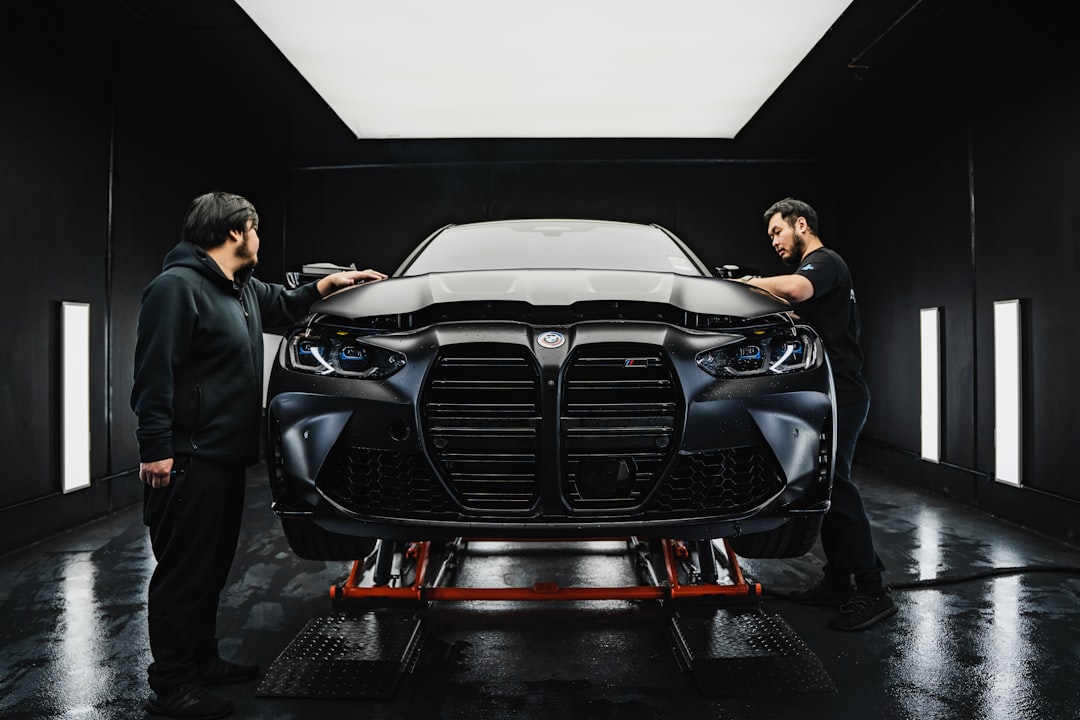
Denver’s High Altitude Sun Is Fading Your Car Paint Faster Than You Think
Most Denver drivers know the sun here is intense. What many do not realise is just how much damage that altitude-amplified UV radiation is doing to their vehicle’s paint every single day, even in winter, even on partly cloudy afternoons. I have seen it firsthand: vehicles that look pristine from ten feet away, only to reveal chalky, oxidised panels up close. The culprit is almost always the same. Colorado’s mile-high environment turns an everyday hazard into an accelerated threat that most standard wax products simply cannot handle.
If you park outside in Denver, this article is written for you.

Key Takeaways
-
Denver receives 25% more UV radiation than sea-level cities: Denver, at 5,280 feet, receives up to 25% more UV radiation than sea-level cities, meaning your paint ages significantly faster here than it would in most US cities. Therefore, standard wax applied once a season offers almost no meaningful defence.
-
UV radiation is the leading cause of paint damage: The real damage to automotive paint comes from ultraviolet radiation, UV light is energetic enough to break down chemical bonds inside your paint’s clear coat, and once those bonds weaken, oxidation begins. Act before oxidation becomes visible, not after.
-
Faded paint directly reduces your vehicle’s resale value: According to Ghost Shield Film’s resale value research, a car with faded paint can lose up to 20% of its value. Protecting your paint now is a financial decision, not just a cosmetic one.
-
Ceramic coating dramatically outlasts wax in UV protection: Ceramic coatings are renowned for providing long-lasting protection, often enduring 2-5 years, compared to traditional waxes, which may degrade in a matter of weeks, necessitating frequent reapplication. In Denver’s environment, frequent reapplication is rarely realistic.
-
Cloudy days do not give your paint a break: Clouds block only 20-40% of UV radiation, meaning up to 80% still reaches surfaces even on overcast days. Your car needs year-round protection, not just summer cover.
Quick-Start Prioritisation Framework
| Protection Strategy | Best For | Effort Level | Time to Results |
|---|---|---|---|
| Ceramic Coating (professional) | All Denver vehicles parked outdoors | Low ongoing | Immediate after cure |
| Paint Protection Film (PPF) | High-mileage drivers, mountain commuters | Low ongoing | Immediate after install |
| Ceramic + PPF Combined | New vehicles, high-value cars | Low ongoing | Immediate after install |
| Quality Wax (interim) | Vehicles awaiting coating | High (reapply every 6-8 weeks) | Days, fades fast |
| Regular pH-neutral washing | All vehicles as ongoing maintenance | Medium | Ongoing |
Start here if you are:
-
A daily commuter or outdoor parker: Ceramic coating is your highest-return single investment; it handles UV, contaminants, and Colorado’s chemical de-icers without constant reapplication.
-
A mountain driver or frequent highway user: Pair ceramic coating with PPF on high-impact zones such as the bonnet, bumper, and side mirrors.
-
Working on a tighter budget: Begin with a professional detail and quality ceramic coating, then add PPF to priority areas over time.
Why Denver’s Altitude Turns Ordinary Sunshine Into a Paint Problem
The Science Behind Mile-High UV Exposure
Here is something that surprises a lot of people: elevation does not just make the sun feel warmer; it measurably increases the energy level of the UV radiation reaching your vehicle’s surface. According to the EPA, UV radiation increases 2% for every 1,000 feet of elevation gain. Apply that to Denver’s 5,280 feet and you are already looking at a significant uplift above sea level conditions. UV radiation in Colorado is 20-45% stronger than at sea level because intensity increases 4-5% for every 1,000 feet of elevation, according to NOAA data. Therefore, if you have been relying on the same protection approach you used in a lower-altitude city, you are already behind.
Denver’s high-altitude climate creates extreme UV exposure conditions, and the city’s mile-high altitude, clear skies, and southern latitude result in some of the highest UV radiation levels in the United States. That combination is uniquely aggressive on automotive finishes.
Denver’s Sunshine Hours Make the Problem Worse
The popular claim about Colorado’s 300 days of sunshine is roughly supported by local climate data. The Colorado Climate Center found that for Denver, if you count every day when the sun came out for at least one hour, you could come up with an average of around 300 “days of sunshine” each year. Even using stricter definitions, using 46 years of climate data Denver was found to have the sun shining 69% of days every year, or about 252 days. That is a lot of UV exposure accumulating on your clear coat. Denver typically experiences UV index values of 10-12 during peak season (May-August). At that level, sun protection for your vehicle moves from optional to essential.
Pro Tip: Even on an overcast Denver day, UV damage continues. Thin high-altitude clouds common in Colorado’s mountains offer even less protection than dense coastal cloud cover. Do not assume a cloudy forecast means your paint is safe.
How UV Radiation Actually Destroys Your Paint
The Three Stages of Clear Coat Failure
Understanding the damage process helps you appreciate why early action matters so much. Ultraviolet radiation from the sun does not just warm your car’s surface; it penetrates the clear coat and gradually breaks down the pigments in the paint. The destruction happens in three distinct phases.
First comes photodegradation. UV rays pass through the clear coat coat and begin breaking down chemical bonds within the polymer structure, a process called photodegradation. As these bonds break, the material loses flexibility and strength. This stage is invisible to the naked eye, which is exactly what makes it so dangerous. You will not notice anything wrong until the second stage is well underway.
Next comes oxidation. UV rays pass through the clear coat weakens, oxygen in the air reacts with the exposed material, creating oxidation, which causes the clear coat to appear dull or cloudy. By the time you notice that flat, lifeless look, the damage has been accumulating for months, or years.
Finally comes clear coat failure. UV radiation causes the clear coat to become brittle and lose its elasticity; over time it will begin to crack and peel away from the base colour, leaving the underlying paint completely exposed to the elements and leading to rapid deterioration. At this stage, you are looking at significant repair costs, not a simple detail job.
Why Dark-Coloured Cars Face Even Greater Risk
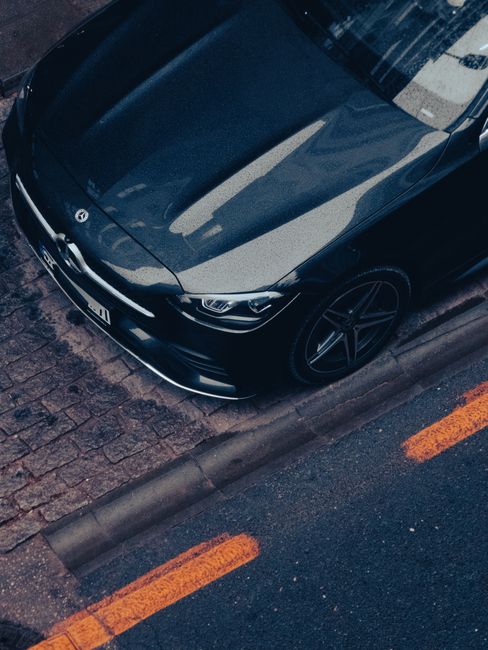
In my experience advising vehicle owners on protection options, dark colours tend to show UV damage the fastest. Darker paints, such as black navy, and deep red, tend to fade faster because they absorb more heat, accelerating the deterioration. If your Denver vehicle is black or a deep shade, the urgency to apply proper UV protection is even higher. That said, lighter colours are not immune, their oxidation simply looks different, presenting as a chalky, washed-out surface rather than an obvious colour shift.
The Real Cost of Ignoring UV Damage to Your Paint
What Faded Paint Actually Costs You
I’ve found that most vehicle owners think of paint protection as a luxury expense. The numbers tell a different story. After just one year of continuous exposure to UV rays, a vehicle’s paint can lose around 10-20% of its colour intensity, and this gradual degradation lowers the vehicle’s resale value. Over two or three Denver summers, that loss compounds.
According to Ghost Shield Film’s analysis of paint and resale value, the average car loses 10% of its value in the first year of ownership, and cars with poor paint condition can lose even more, a car with faded paint can lose up to 20% of its value. Therefore, if your vehicle is worth $30,000 today, a degraded finish could cost you $6,000 or more at trade-in. A professional ceramic coating at a fraction of that cost suddenly looks like an obvious investment.
Left unchecked, faded paint can reduce a vehicle’s value, make it appear older than it is, and compromise the protective layer that shields the metal underneath. Once the clear coat fails, you are no longer dealing with an aesthetic issue; you are dealing with structural protection of the metal body panels beneath.
The Hidden Compounding Effect in Colorado
Colorado adds layers to the UV problem that other states do not. The temperature swings don’t help either, your car might see 70 degrees one day and 20 degrees the next. These extremes cause paint to expand and contract, making it more vulnerable to chips and cracks. UV-weakened clear coat is far less able to handle that thermal stress. The result is accelerated deterioration compared to vehicles in more stable climates.
Pro Tip: In the Denver area, environmental contaminants like road salt, bird droppings, tree sap, and other debris are common, all of which embed more easily into UV-compromised paint. A thorough, regular wash with pH-neutral products removes these before they can cause secondary damage. If you need mobile detailing that comes to you across the Denver metro, FB Mobile Auto Detailing provides this kind of hands-on maintenance care that keeps your protective layers performing optimally.
If your clear coat has already begun to peel or fade, the following guide demonstrates a practical repair process that can limit further deterioration before professional costs escalate.
Choosing the Right UV Protection for Your Denver Vehicle
Ceramic Coating: The Strongest Long-Term Defence
For Denver drivers, ceramic coating is the most practical and effective long-term UV solution available. Ceramic coatings act as a sacrificial layer that absorbs and reflects UV radiation before it reaches the clear coat, the silica structure of a coating is chemically stable under intense sunlight, meaning it does not degrade the way clear coat polymers do. That stability is critical in Denver’s aggressive UV environment.
Ceramic coatings block up to 99% of harmful UV rays, significantly reducing the risk of paint fading and oxidation. Therefore, rather than your clear coat absorbing all of that Denver altitude-amplified radiation, the coating takes the hit instead, and it is designed to handle it. The UV protection provided by ceramic coatings can last several years, typically 3-5 years, with proper maintenance, the exact duration depends on the quality of the coating, environmental conditions, and how well the coated surface is maintained.
One important caveat: the coating must go on clean, prepared paint. Applying ceramic to already hazy clear coat locks in the dullness, proper polishing and inspection first are essential if you want the UV benefits to be noticeable. Have the paint inspected so any early oxidisation or haze can be corrected before the coating is applied. This is where a professional detailer’s eye genuinely matters.
Wax and Sealants: An Honest Assessment
Traditional wax has its place, but it is worth being clear-eyed about what it can and cannot do in Denver. Wax typically lasts a few weeks to months, requiring frequent reapplication to maintain protection, and unlike ceramic coatings, it offers minimal defence against UV rays, bird droppings, and water spots.
Denver’s combination of high UV road salt, and dry air quickly breaks down traditional wax and sealants. In practice, this means you would need to reapply a quality wax every six to eight weeks to maintain even partial protection, and even then, you would be getting a fraction of what a ceramic coating provides. Wax is a useful interim measure, but it is a maintenance tool rather than a protection strategy for Colorado conditions.
Paint Protection Film: The Physical Barrier
PPF and ceramic coating serve different but complementary purposes. PPF acts as a physical barrier against rock chips and road debris, while ceramic coating chemically bonds to paint to resist environmental damage and enhance gloss. For Denver mountain commuters dealing with highway gravel and loose road debris, PPF on the front bumper, bonnet, and mirrors adds impact protection that ceramic coating alone cannot provide. Applying a ceramic coating over PPF in high-impact zones provides maximum protection and physical impact defence, with hydrophobic, UV-resistant performance.
Pro Tip: If budget requires a choice, prioritise ceramic coating across the full vehicle for UV protection first, then add PPF to the highest-risk panels, bonnet leading edge, front bumper, side mirrors, when funds allow. This sequence gives you the broadest coverage for the most common Denver damage types.

Common Mistakes Denver Drivers Make With Paint Protection
Waiting Until Damage Is Visible
This is the most expensive mistake I encounter. The damage does not start when the paint looks bad; it started long before you notice a change. By the time oxidation is obvious, the clear coat has already lost significant structural integrity. UV rays pass through the clear coat reversible with services like paint correction, which removes oxidised surface layers before more serious damage occurs. Once peeling begins, correction is no longer possible and full repainting is required.
Relying on Automatic Car Washes
Regular washing matters, but the method matters equally. Harsh detergents or automatic car washes with stiff brushes can scratch the surface and thin the clear coat, an already UV-weakened clear coat is far more vulnerable to this kind of abrasive damage. Hand washing with pH-neutral products and microfibre cloths is the right approach for any vehicle with a ceramic coating or PPF applied.
Skipping Protection on a New Vehicle
In my experience, new vehicle owners often believe the factory clear coat will hold up for several years without additional protection. With every 1,000-foot increase in elevation, UV intensity rises by about 10-12%, meaning your vehicle’s paint is under more stress here than in lower-altitude regions. Factory clear coat was not engineered with Denver’s altitude specifically in mind. Applying ceramic coating to a new vehicle before the first signs of oxidation is the easiest and most cost-effective path to long-term paint health.
Frequently Asked Questions
How much more UV damage does a Denver car receive compared to one at sea level?
At 5,280 feet, Denver receives 25% more UV radiation than sea-level cities, and UV is the number one cause of paint oxidation and clear coat breakdown. In real terms, this means your paint is ageing measurably faster than if you were driving the same vehicle in a coastal city at the same latitude.
Does ceramic coating work in Denver’s winter conditions as well?
Yes, and this is an important point. Professionally installed ceramic coating maintains its UV resistance year after year, keeping your paint’s depth, gloss and colour integrity intact through Colorado’s intense summer sun, high-altitude winters and everything in between. Denver’s winter UV index still reaches moderate levels on clear days, and the coating continues working regardless of temperature.
How much does a professional ceramic coating typically cost?
Ceramic coating can cost $500-$2,000 depending on the car’s size and the product used. The range reflects differences in coating grade, number of layers, and whether paint correction is required beforehand. For Denver vehicles with existing UV exposure, paint correction is often needed first, budget accordingly and view it as part of the same investment.
Is it too late to apply a coating if my paint already looks dull?
Possibly not, but a professional inspection is essential. For the best results, the vehicle’s paint should be in good condition before the coating is applied, if the paint has scratches, swirl marks, or oxidation, it is best to have a professional detailer perform paint correction before applying the coating. Paint correction can restore clarity to moderately oxidised panels, creating a clean surface for the coating to bond to. Severely peeling clear coat, however, typically requires repainting before any coating can be applied.
How often should I wash my car to support UV protection in Denver?
Washing frequency matters because dirt and grime reduce the coating’s ability to deflect UV rays. A wash every two weeks is a reasonable minimum for Denver vehicles, particularly in winter when magnesium chloride from road treatment accumulates on panels. Use pH-neutral, ceramic-safe products and avoid washing in direct midday sun, which can cause product to dry unevenly and streak the surface.
The Bottom Line: Protect Now or Pay Later
Denver’s high altitude environment is not a minor variable when it comes to car paint health; it is a material difference. High altitude UV radiation is significantly more intense than at sea level, accelerating paint oxidation, clear coat fading and plastic trim degradation far faster than in lower elevation climates. Every month you park outdoors without proper UV protection is a month of compounding damage you cannot undo.
The good news is that the solution is straightforward. A professional ceramic coating from a trusted local provider gives your paint a durable, UV-blocking shield designed to outlast Denver’s conditions across multiple years. Pair it with regular, proper washing and you have a maintenance strategy that protects both your vehicle’s finish and its long-term value.
If you are ready to get your vehicle properly assessed and protected, FB Mobile Auto Detailing brings professional detailing and coating services directly to you across the Denver metro, no garage needed, no disruption to your day.
Sources
-
UV Radiation and Denver’s Altitude, Today UV Index. UV exposure data for Colorado cities at altitude. https://todayuvindex.com/us/colorado/
-
Colorado’s UV Index and Elevation, Swellies. Why altitude makes UV more intense in Colorado. https://www.swellies.com/blogs/blog/colorado-uv-index-why-sun-protection-hits-different-at-altitude
-
NOAA UV Elevation Data, UV Blocker. Colorado sun protection and NOAA altitude data. https://uv-blocker.com/blogs/sun-protection/colorado-sun-protection
-
Denver UV Index Forecast, UV Index Now. Denver UV peak season and monthly data. https://uvindex.now/denver/
-
Denver UV Index Data, UV Index Checker. Denver County UV exposure detail. https://uvindexchecker.com/co/denver-county/denver
-
How UV Breaks Down Car Paint, HyperClean Store. UV photodegradation and ceramic coating science. https://hypercleanstore.com/blogs/news/how-uv-exposure-breaks-down-paint-and-how-ceramic-coatings-stop-it
-
Car Paint Fade and UV Damage Restoration, Maaco. How UV fades automotive paint pigments. https://www.maaco.com/blog/combatting-car-paint-fade-uv-damage-restoration/
-
How UV Causes Clear Coat Failure, Mud Buddy Spa. Three-stage clear coat failure process. UV rays pass through the clear coat
-
Does Paint Condition Affect Resale Value, Ghost Shield Film. Faded paint and vehicle resale data. https://ghostshieldfilm.com/does-paint-condition-affect-resale-value/
-
UV Exposure and PPF Fading, Dayton Detailing. Annual colour intensity loss from UV exposure. https://www.daytondetailing.com/uv-exposure-and-ppf-fading-the-connection-explained-for-vehicle-owners
-
Ceramic Coating UV Protection, EZN Detail. UV blocking capacity of ceramic coatings. https://www.ezndetail.com/say-goodbye-to-fading-paint-the-uv-protection-power-of-ceramic-coatings
-
Does Ceramic Coating Protect Against UV, Unique Auto Inc. Ceramic coating UV protection duration and grades. https://www.uniqueautoinc.ca/does-ceramic-coating-protect-against-uv/
-
Ceramic Coating vs Wax, Gtechniq. Wax limitations and ceramic durability comparison. https://gtechniq.com/ceramiccoatings/
-
PPF vs Ceramic Coating, Chemical Guys. Comparison of physical vs chemical protection. https://www.chemicalguys.com/blogs/exterior-how-tos/ppf-vs-ceramic-coating
-
Denver Ceramic Coating Guide, Extreme Autoworks. Denver-specific UV radiation data and coating benefits. https://extremeaw.com/ceramic-coating/
-
How to Protect Car Paint from Colorado Sun, Speedy Sparkle Car Wash. UV intensity by elevation in Colorado. https://speedysparklecarwash.com/how-to-protect-your-cars-paint-from-the-colorado-sun/
-
Denver Days of Sunshine, The Colorado Sun. Fact-checking Colorado’s 300 days of sunshine claim. https://coloradosun.com/2024/05/06/300-days-of-sunshine-colorado/
-
Ceramic Coating Speed and Tech Guide, Speed and Tech. Ceramic coating costs and application process. https://speedandtech.com/ceramic-coating-uv-protection/


