
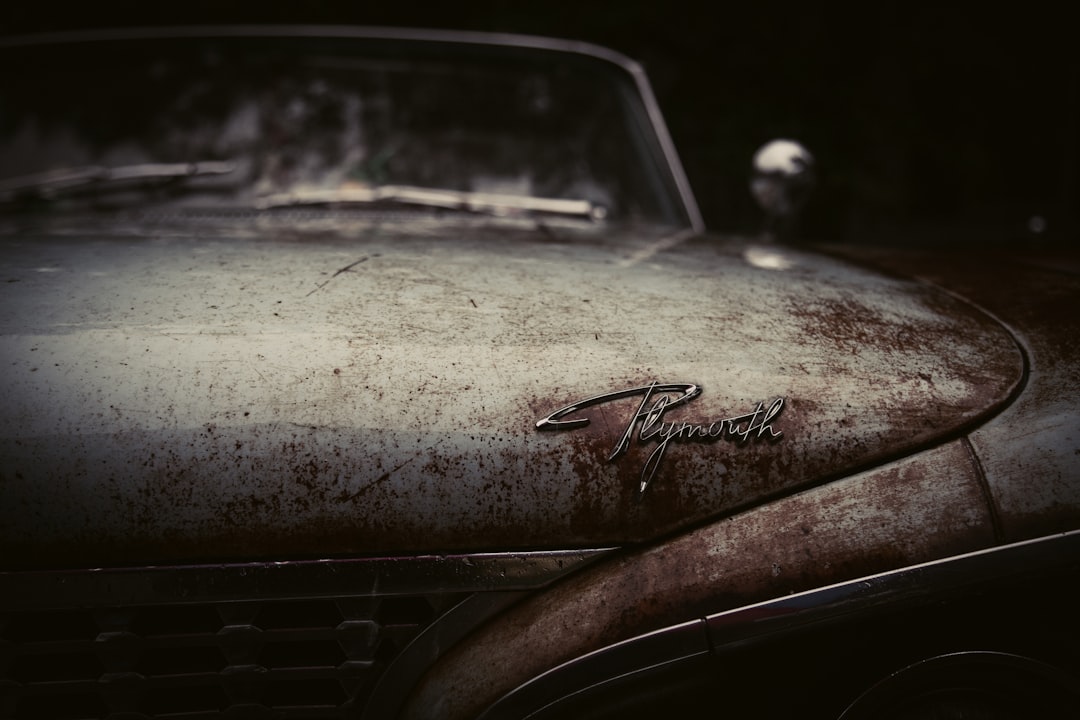
How Denver’s UV Rays Are Destroying Your Car Paint
If you park your car outdoors in Denver, the sun is quietly doing more damage than you might realise. I have spoken with dozens of vehicle owners across the Front Range who were shocked when they learnt their paint had begun oxidising well before the five-year mark. The culprit, in nearly every case, was the same: Denver’s extraordinary UV load, compounding day after day on unprotected paint. This article explains exactly what is happening, why Denver is uniquely brutal for car finishes, and what you can do about it today.

Key Takeaways
-
Denver’s altitude amplifies UV damage: According to the Environmental Protection Agency, UV radiation increases 2 percent for every 1,000 feet of elevation gain. At 5,280 feet, Denver drivers are exposed to roughly 25 percent more UV than motorists in sea-level cities, so if your protection strategy was designed for average conditions, it is already underpowered.
-
Clear coat breakdown is cumulative and accelerating: UV damage compounds. The more a surface is exposed, the weaker its resistance becomes. Oxidation opens microscopic pores, allowing deeper light penetration. The deeper the light penetrates, the faster the next layer degrades. Act before you see the first dull patch, not after.
-
Wax alone is not enough in Denver: Sun damage is one of the leading causes of paint fading and oxidation over time. Independent testing indicates ceramic coatings block approximately 90-95% of UV radiation, compared to roughly 50% for car wax. In a high-UV environment like Denver, that gap is the difference between paint that holds up and paint that chalks.
-
Paint condition directly affects resale value: Studies show that bad paint can drop a car’s worth by up to 10%, and any rust spots make it even worse. On the flip side, cars with nice, clean paint can sell for much more, often thousands of dollars more than similar cars with damaged paint.
-
Protection pays for itself: Consider a 2022 sedan worth $28,000 at trade-in with a well-maintained interior. That same vehicle with a cracked dashboard, faded seats, and deteriorated trim might appraise $2,000-$4,000 lower. Dealership trade-in appraisers dock value aggressively for interior condition because reconditioning costs eat into their margin. The same logic applies to exterior paint.
Quick-Start Prioritisation Framework
Use this table to match your situation to the right first step. The worst outcome is doing nothing, choose one layer of protection, then build on it over time.
| Protection Option | Best For | Effort Level | Time to Results |
|---|---|---|---|
| Regular wax | Very tight budget, low-UV storage | Low | Weeks (wears off quickly) |
| Paint sealant | Step up from wax, short-term cover | Low | 3-6 months |
| Ceramic coating | Daily drivers, long-term UV defence | Medium (professional recommended) | Permanent (2-5 years) |
| Paint Protection Film (PPF) | High-impact zones, new vehicles | High (professional install) | Immediate, 5-10 years |
| Ceramic + PPF combination | Maximum all-round protection | High | Immediate, best longevity |
| Garage or car cover | Supplementary shield for any of above | Low | Immediate |
Start here if you are:
-
On a tight budget: A quality paint sealant buys time while you save for ceramic coating. Apply it every 3 months and keep the car washed.
-
Driving a daily vehicle worth protecting: Professional ceramic coating is the most cost-efficient long-term defence against Denver’s UV load. Book it before the first signs of oxidation appear.
-
Protecting a newer or higher-value vehicle: Combine PPF on the front panels and bonnet with a full-body ceramic coating. That layered approach handles both rock chips from Colorado highways and UV degradation simultaneously.
Why Denver’s Sun Hits Your Car Harder Than You Think
The Mile-High UV Equation
Most people know Denver sits exactly one mile above sea level. Fewer people realise what that altitude does to ultraviolet radiation. The higher the elevation, the less atmosphere there is to absorb damaging UV rays, according to the National Weather Service. Think of the atmosphere as a natural sunscreen. The thinner it is, the less filtering it provides.
Denver at 5,280 feet receives up to 25% more UV radiation than sea-level cities. That figure applies every single day your car sits outside, not just in peak summer. Denver’s peak UV season runs from April through September, when the midday index typically reaches Very High to Extreme (9-11). The result is months of relentless, high-intensity bombardment on your vehicle’s surface.
The Sunshine Volume Problem
The intensity matters, but so does the duration. The Metro Denver region has a semi-arid, four-season environment with mild temperatures and nearly 300 days of annual sunshine. That is more annual hours of sun than Miami and San Diego. Even in winter, winter UV in Denver still reaches moderate levels on clear days.
In my experience, this combination, high intensity plus high frequency, is what catches Denver drivers off guard. They compare themselves to friends living in genuinely overcast climates and assume their paint has the same breathing room. It does not. Your car’s clear coat is absorbing a compounding UV load that is substantially heavier than the national average.
Pro Tip: Overcast days in Denver do not give your paint a break. Cloud cover reduces UV but not completely, overcast skies still transmit 50-80% of UV. Do not assume a grey sky means your finish is safe.
What UV Radiation Actually Does to Your Paint
The Five-Stage Damage Progression
Understanding the science helps you act at the right moment, ideally before you ever reach stage three.
Ultraviolet radiation from the sun penetrates the clear coat and gradually breaks down the pigments in the paint. Over time, this process can cause noticeable car paint fade, dullness, and even peeling. The progression follows a predictable path:
-
Stage 1, Gloss loss: The surface begins to look slightly flat, especially in direct sunlight.
-
Stage 2, Hazing: A milky or cloudy appearance starts to develop on horizontal surfaces like the bonnet and roof.
-
Stage 3, Clear coat thinning: UV-B radiation disrupts the polymer chains in the clear coat. The surface loses flexibility and becomes brittle.
-
Stage 4, Oxidation and chalking: Oxidation begins, forming a chalky residue. The base colour fades as the clear coat becomes porous. That is why neglected cars develop flat, dull paint and eventually peel.
-
Stage 5, Peeling and delamination: At this point, the only real fix is a respray.
Why Dark Colours Suffer Most
Colour choice matters more than most people realise. This breakdown results in oxidation, where the surface loses its smooth, reflective qualities and becomes chalky. Darker paints, such as black, navy, and deep red, tend to fade faster because they absorb more heat, accelerating the deterioration. If you drive a dark vehicle in Denver, your paint is working harder every day just to absorb that elevated UV load.
The Resale Impact You Cannot Afford to Ignore
Sunlight attacks the paint. Prolonged exposure breaks down clear coat layers, leaving colour dull and vulnerable. You lose protection too. Over time, UV damage creates micro-cracks where moisture and contaminants invade, accelerating oxidation. This kind of wear is irreversible and shows up clearly to buyers, cutting resale value with every hour parked under open sky.

The Protection Options Ranked for Denver Conditions
Car Wax: The Insufficient Default
Many vehicle owners still rely on car wax as their primary protection. I understand why; it is affordable, easy to apply, and produces a satisfying shine. However, in Denver’s UV environment, wax has a serious limitation. Wax typically lasts a few weeks to months at most, requiring frequent reapplication. Unlike ceramic coatings, wax offers minimal defence against UV rays, bird droppings, and water spots.
Car wax provides moderate UV resistance and enhances surface shine, but its protective layer breaks down quickly under sun exposure. As wax wears away, its ability to block harmful ultraviolet rays diminishes, leaving the paint vulnerable to discoloration and oxidation. In Denver’s climate, wax can degrade even faster because the UV load accelerating its breakdown is higher than average.
Ceramic Coating: The Long-Term Defender
For most Denver drivers, professional ceramic coating represents the best balance of performance and cost. Ceramic coatings act as a sacrificial layer that absorbs and reflects UV radiation before it reaches the clear coat. The silica structure of a coating is chemically stable under intense sunlight, meaning it does not degrade the way clear coat polymers do. When applied properly, a coating becomes the first line of defence. It blocks most UV energy, slows oxidation, and preserves the integrity of both clear and colour coats underneath.
Ceramic coating lasts anywhere from 2 to 5 years or more, thanks to its tough bond with your car’s paint. Think of wax as a sprinter that boasts a shine that can last up to 3 months before it is time for another round. In Denver terms, that means one ceramic coating application does the job of roughly eight to twenty wax applications, at a fraction of the total time and cost.
Pro Tip: Ceramic coatings work best when applied by certified technicians using professional-grade products. Proper preparation and careful application ensure a smooth, glossy finish and long-lasting durability. Unlike consumer-grade products, professionally installed coatings provide stronger protection against UV rays, water spots, and environmental contaminants. In Denver’s climate, skipping professional application is false economy.

Paint Protection Film: Maximum Physical Defence
PPF provides superior protection against physical damage like rock chips, scratches, and abrasions, while ceramic coatings excel at offering water repellency, UV protection, and chemical resistance. For Denver vehicles that spend time on mountain roads or highways where road debris is common, PPF on the front panels is a serious consideration.
On average, paint protection film costs between $1,500 and $5,500 for most vehicles in the US. That is a meaningful investment, but PPF preserves resale value by up to 10 to 15% and reduces the need for frequent car detailing and maintenance.
The Combination Approach: Best of Both Worlds
I have found that the most effective strategy for serious Denver vehicle owners is to combine both products. The most effective approach is to apply PPF first to high-impact areas like the front bumper, hood, and rocker panels, then apply ceramic coating over the entire vehicle, including the PPF. This creates a layered defence system where PPF handles rock chips and road debris while the ceramic coating adds UV protection, easy cleaning, and enhanced gloss.
The following demonstration covers how ceramic spray coatings and trim protectants are applied in practice, which is useful context when weighing up your protection options.
Common Mistakes Denver Drivers Make with Paint Protection
Waiting Until the Damage Is Visible
The most common mistake I see is waiting for obvious fading before taking action. Cars coated early in their life always age better than those corrected later. Over five years, two identical cars, one coated, one not, will age completely differently. The uncoated one will lose depth of colour, the clear coat will become hazy, and the reflections will distort. The coated one will maintain colour richness, reflect light evenly, and wash clean every time.
If the paint already shows hazing or chalking, paint correction is needed before any coating is applied. Sealing in existing oxidation accelerates further damage rather than preventing it.
Skipping Winter Protection
There is a widespread belief in Colorado that UV protection only matters in summer. This is incorrect. Denver’s position at altitude and its more than 300 sunny days per year create a UV radiation environment significantly more intense than most American cities. This accelerates paint clear coat degradation, dashboard and interior plastic fading and cracking, rubber seal deterioration, and the degradation of wiper blades and tyre sidewalls. Winter UV exposure is lower in absolute terms, but it still acts on an already-weakened clear coat.
Relying on Shade Parking Alone
Parking in shade helps, but it does not eliminate the problem. Dust, pollen, bird droppings, and tree sap can bake into your car’s surface under the hot sun. Organic contaminants combined with UV exposure create a compound attack on the clear coat that shade alone cannot counter. Protection needs to come from the surface of the paint itself.
Pro Tip: After any significant exposure to bird droppings or tree sap, clean the affected area within 24 hours. These contaminants become acidic as they bake under Denver’s sun and will etch directly through unprotected clear coat, airborne pollutants and acidic rain can erode the clear coat over time.
How FB Mobile Auto Detailing Helps Denver Vehicles
The team at FB Mobile Auto Detailing understands the specific demands that Colorado’s climate places on vehicle finishes. They come directly to you, home or workplace, eliminating the hassle of dropping off your car. Whether you need a full paint decontamination before a ceramic coating, a maintenance wash to keep an existing coating performing at its best, or an honest assessment of where your paint currently stands, FB Mobile Auto Detailing brings the expertise to your driveway. In a city where UV damage accumulates faster than most drivers expect, having a trusted advisor who knows the Denver environment makes a tangible difference.
Frequently Asked Questions
How much more UV radiation does Denver receive compared to other US cities?
Denver, at 5,280 feet, receives about 25% more UV than a sea-level city at the same latitude. That gap is consistent across every season, not just summer. It means every month your car spends unprotected outdoors in Denver is equivalent to spending more than a month parked under the weaker sun of a coastal city. If you moved here from another state and brought your car’s protection habits with you, those habits almost certainly need upgrading.
What are the early signs of UV paint damage I should look for?
The first sign is a subtle reduction in gloss depth, the paint looks slightly less ‘wet’ than it used to. Run your hand over the bonnet; if it feels slightly rough or gritty despite having been washed recently, oxidation is beginning. The next stage is a visible haziness, most obvious on the roof and bonnet. Left unchecked, faded paint can reduce a vehicle’s value, make it appear older than it is, and compromise the protective layer that shields the metal underneath. Act at stage one or two, both are fully correctable. Stage four and five are not.
Is ceramic coating worth the cost for an average daily driver in Denver?
Yes, in my view it is one of the most practical investments a Denver vehicle owner can make. Most daily drivers do not face constant rock chip hazards. For typical commuting and city driving, ceramic coating provides excellent protection against the threats you actually encounter: UV rays, bird droppings, tree sap, and environmental contaminants. You get comprehensive paint protection at a fraction of PPF’s cost. Ceramic coating typically ranges from $800 to $2,000, depending on vehicle size and coating type. Weighed against the potential resale value lost to UV damage, the maths generally favours coating.
Can I apply paint protection myself, or does it need to be professional?
Consumer-grade sealants and spray coatings can be applied at home and are better than no protection. However, for ceramic coating specifically, professional application matters considerably. Improper surface preparation, leaving microscopic contamination, swirl marks, or existing oxidation beneath the coating, will lock in those defects permanently and reduce the coating’s bonding effectiveness. A professional detailer will decontaminate and correct the paint first, ensuring the coating bonds correctly and lasts its full lifespan.
Does UV damage affect the inside of my car too?
Denver’s 300-plus days of sun and high-altitude UV are measurably harder on vehicle interiors than at lower elevations. Professional window tinting blocks up to 96% of infrared heat, 99% of UVA-UVB-UVC radiation, and reduces glare on Colorado’s high-intensity commutes. Door panels, centre consoles, and A-pillar covers all fade and become brittle under sustained UV exposure. These parts yellow, crack, and develop a chalky texture that makes the interior look ten years older than it is. Exterior paint protection and quality window film work together, each addresses the UV threat from a different angle.
Conclusion
Denver is a wonderful city in which to own a vehicle, until you consider what its elevation does to your car’s paint every single day. The UV load here is measurably higher than most of the country, the sunshine frequency is exceptional, and the damage compounds quietly until it becomes impossible to ignore. The good news is that protection is available, effective, and, relative to the cost of a respray or a significant resale value loss, genuinely affordable.
The right move is to assess your paint now, choose a protection layer that matches your budget and vehicle, and act before the damage accumulates. If you would like an honest, pressure-free assessment of your vehicle’s current condition, FB Mobile Auto Detailing can help you identify exactly where you stand and what step makes the most sense next.
Sources
-
How Colorado’s Elevation Impacts the UV Index, KOAA News. UV increase per 1,000 feet of elevation, per EPA. https://www.koaa.com/weather/weather-science/how-colorados-elevation-impacts-the-uv-index
-
UV Index in Denver, CO, UV Index Checker. Denver’s average UV index and peak season data. https://uvindexchecker.com/co/denver-county/denver
-
Today UV Index, Colorado, TodayUVIndex.com. Denver receives up to 25% more UV than sea-level cities. https://todayuvindex.com/us/colorado/
-
Car Paint Fade Prevention and UV Damage Restoration, Maaco. How UV penetrates clear coat and causes paint degradation. https://www.maaco.com/blog/combatting-car-paint-fade-uv-damage-restoration/
-
How UV Exposure Breaks Down Paint and How Ceramic Coatings Stop It, HyperClean Store. UV-B polymer chain disruption and ceramic coating defence. https://hypercleanstore.com/blogs/news/how-uv-exposure-breaks-down-paint-and-how-ceramic-coatings-stop-it
-
Mile High Car Care, Denver Altitude and UV, Mobile Mechanic Pros of Denver. Impact of Denver’s altitude on clear coat and interior. https://www.mobilemechanicprosofdenver.com/mile-high-car-care-denver-mobile-mechanic-tips-for-altitude-and-snow
-
Ceramic Coating vs Wax: Which One Actually Protects Your Car Better?, Archers Detailing. UV blocking comparison between ceramic and wax (90-95% vs 50%). https://archersdetailing.com/ceramic-coating-vs-wax/
-
Ceramic Coating vs. Wax, Chemical Guys. Ceramic coating lifespan of 2-5 years versus wax at up to 3 months. https://www.chemicalguys.com/blogs/exterior-how-tos/ceramic-coating-vs-wax
-
Ceramic Coating vs PPF: What’s Best For Your Car?, Aaron’s Automotive Detailing. Cost ranges for ceramic ($800-$2,000) and PPF ($1,200-$6,000+). https://www.aaronsautomotivedetailing.com/ceramic-coating-vs-paint-protection-film-which-is-best-for-your-car
-
How Much Does PPF Cost? 2026 Full Pricing Guide, Aaron’s Automotive Detailing. PPF average cost and resale value preservation data. https://www.aaronsautomotivedetailing.com/how-much-does-ppf-cost
-
Auto Paint Repair and Vehicle Resale Value, Texas Collision Centers. Paint damage and 10% resale value reduction statistics. https://www.texascollisioncenters.com/post/auto-paint-repair-and-vehicle-resale-value-how-much-does-it-matter
-
How Window Tint Affects Your Car’s Resale Value, EuroLuxe Detailing. Interior UV damage and $2,000-$4,000 trade-in value reduction. https://euroluxedetailing.com/blog/window-tint-resale-value/
-
Ceramic Coating vs PPF: What You Need to Know, Gtechniq. Daily driver UV and contamination defence comparison. Most daily drivers do not face
-
Metro Denver Climate, Metro Denver Economic Development. Nearly 300 days of annual sunshine in the metro area. https://www.metrodenver.org/live-here/climate
-
Can Paint Damage Lower My Car Value?, Dallas Auto Paint. UV micro-crack and oxidation impact on resale. Sunlight attacks the paint
-
Auto Protection Services Denver, Extreme Autoworks. Denver’s 300+ days of sun and interior UV impact. Denver’s high altitude exposes vehicles to intense UV rays, making UV-blocking window film an essential protection that blocks up to 99% of harmful ultraviolet radiation whilst reducing interior heat and preventing dashboard fading.
-
UV Blocking Window Film for Denver’s High Altitude, Custom Tint Solutions. Fading from UV dye breakdown at altitude. https://www.customtintsolutions.com/uv-fading/uv-blocking-window-film-denvers-altitude/
-
Protect Your Car from UV Rays in Colorado, Speedy Sparkle Car Wash. Organic contaminants baking into paint under Colorado sun. https://speedysparklecarwash.com/how-to-protect-your-cars-paint-from-the-colorado-sun


