
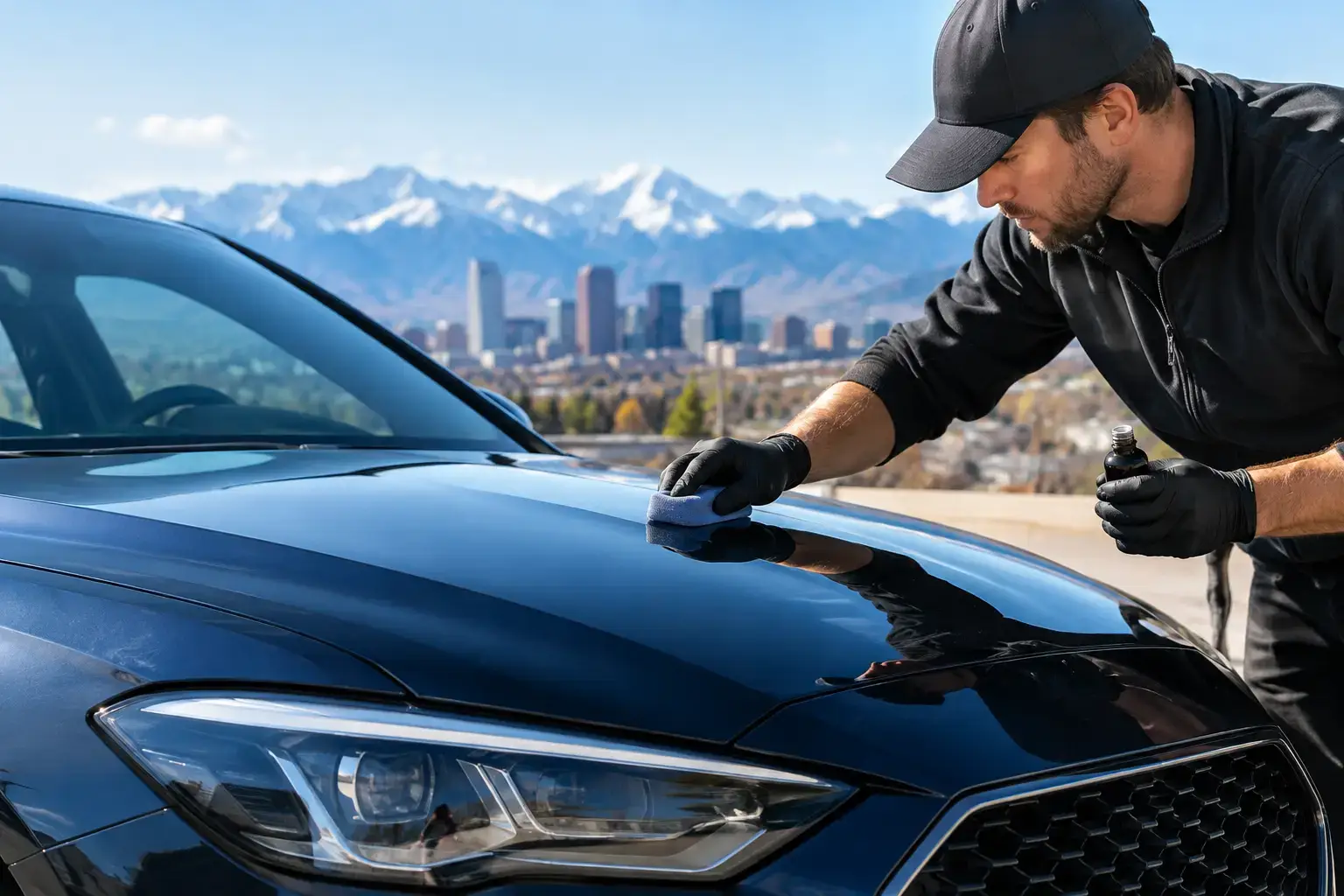
Ceramic Coating Cure Time Guide for Denver Cars
A ceramic coating can look flawless when the installer finishes, but the protection is not fully ready for Colorado roads the moment the vehicle is handed back. This ceramic coating cure time guide explains what happens after application, when it is safe to drive, and how to avoid compromising the finish during the days that matter most.
Ceramic coating cure time is not just a technical detail. Rain, sprinkler water, road spray, aggressive washing, and even a dusty construction zone can affect a coating before it fully hardens. A little planning protects the investment in paint correction and helps the coating deliver the gloss, water behavior, and easier maintenance you expect.
Ceramic Coating Cure Time Guide: The Short Answer
Most professional ceramic coatings need at least 12 to 24 hours without water exposure, while full curing commonly takes five to seven days. Some products may need longer, especially in cool, humid, or unpredictable conditions. The specific coating manufacturer’s instructions should always take priority over a general timeline.
During the first day, the coating is especially vulnerable. It may have flashed and bonded enough for careful transport, but it is still developing its final chemical resistance and hardness. For the next several days, it should be protected from washing, harsh chemicals, heavy grime, and unnecessary contact with the paint.
A professionally controlled installation environment helps. Temperature, humidity, panel preparation, and leveling technique all influence how the coating performs. That is why cure time begins with correct application, not simply with parking the vehicle after service.
Flash Time, Initial Cure, and Full Cure Are Different
These terms are often used interchangeably, but they describe different stages of the process.
Flash time is the short period after the coating is applied to a panel and before excess product is leveled or wiped away. It can be only seconds or several minutes, depending on the product, temperature, and humidity. This is an installer-controlled stage, not a waiting period for the vehicle owner.
Initial cure is when the coating has bonded enough that the vehicle can usually be moved carefully. The paint should still stay dry, and no one should wash it, wipe it down unnecessarily, or place items against it. Many coatings reach this stage within 12 to 24 hours.
Full cure is when the coating reaches its intended chemical resistance and durability. For many consumer and professional-grade coatings, that is around five to seven days. Certain formulas may take 10 to 14 days to fully settle, particularly when weather conditions are cool. A coating can look glossy immediately, but appearance alone does not mean it has fully cured.
The First 24 Hours: Keep It Dry and Hands Off
The first day is the period to protect most carefully. Ideally, the vehicle should remain indoors or in a covered area where it will not be hit by rain, snow, sprinkler overspray, or morning dew. In the Denver area, weather can change quickly, so it is worth looking at the forecast before scheduling a coating appointment.
If light water reaches the vehicle unexpectedly, do not panic. A few droplets do not automatically ruin a quality installation. Contact the installer for product-specific advice, especially if the water sat on the paint, left visible spots, or was mixed with road grime. Avoid rubbing the affected area with a towel unless you have been instructed to do so. Wiping a fresh coating can create marring or disturb the surface before it has stabilized.
Driving may be necessary after initial cure, but keep the trip short and clean when possible. Avoid wet roads, car washes, gravel routes, construction areas, and highway driving in heavy rain. Parking away from sprinklers and dripping trees is also smart. The goal is simple: give the coating a quiet, dry start.
Days Two Through Seven: Let the Coating Harden
Once the initial no-water window has passed, normal use becomes more realistic, but this is still not the time for standard vehicle maintenance. For the first week, avoid automatic car washes, hand washes, pressure washing, detailing sprays, tire sling, bug removers, and acidic or alkaline cleaners.
Bird droppings, tree sap, bug residue, and fuel spills should not be ignored for a week if they land on the vehicle. These contaminants can be damaging even on cured paint. The difference is how they should be addressed. Notify your detailer or use the exact aftercare method recommended for the coating rather than scrubbing the area with a dry towel or whatever cleaner is available in the garage.
Try to keep the vehicle out of direct contamination when possible. A garage is helpful, but it is not mandatory if the car is parked thoughtfully. Choose a clean area, avoid trees that drop sap or berries, and give yourself extra space away from landscape sprinklers. For trucks and family SUVs that see daily use, a few deliberate parking choices can prevent frustrating cleanup during the cure period.
Colorado Weather Can Change the Plan
High-altitude sun, sudden afternoon storms, winter road treatment, and temperature swings make ceramic coating aftercare more than a generic checklist. UV exposure is one reason coatings are valuable in Colorado, but a newly applied coating still needs its curing window before it is ready to face regular outdoor conditions.
Cold temperatures generally slow chemical curing. Heat can shorten product working time during application and may change how quickly the surface flashes. Humidity matters, too. This does not mean a coating cannot be installed outside summer weather, but it does mean the installer should control conditions as closely as possible and set realistic aftercare expectations.
If snow, rain, or road salt is forecast immediately after service, discuss it before the appointment. Rescheduling may be wiser than rushing a fresh coating into poor conditions. A professional installer will prioritize long-term results over forcing a schedule that puts the finish at risk.
What to Do If the Vehicle Gets Wet Too Soon
Unexpected weather happens. If the vehicle gets caught in rain before the recommended dry period ends, leave it alone until you can speak with the installer. Taking action too quickly often creates more risk than the water itself.
Do not run it through a wash, apply a spray sealant, polish the paint, or aggressively towel-dry the panels. If water spots develop, the installer can assess whether a careful inspection, spot treatment, or other correction is needed after the coating has had appropriate time to cure. The right response depends on the coating product, how long the water remained on the surface, and whether minerals or contaminants were present.
The same advice applies if a sprinkler hits the vehicle. Sprinkler water often carries minerals that can leave etched-looking spots, particularly in strong sun. Report the issue early rather than experimenting with household cleaners.
When You Can Wash a Ceramic-Coated Vehicle
After the full cure window, washing becomes part of preserving the coating’s performance. A ceramic coating reduces how strongly dirt and water adhere to the paint, but it does not make a vehicle self-cleaning. Road film, salt, brake dust, and mineral deposits still need to be removed safely.
Use a pH-neutral automotive shampoo, clean wash media, and proper drying towels. Avoid automatic tunnel washes with brushes, which can create swirls in any finish, coated or not. Touchless washes are less likely to scratch paint, but their strong detergents can leave residues and are not the best routine choice for a properly detailed vehicle.
For owners who want the coating to stay sharp without spending their weekends washing, scheduled maintenance detailing is a practical option. A professional can safely remove contamination, inspect water behavior, and maintain the finish without undermining the protection that was installed.
Why Proper Curing Protects the Value of the Service
Ceramic coating is often paired with paint correction because the coating preserves the clarity and gloss created by that work. If fresh paint is exposed to harsh washing or contamination before curing, the finish may not perform as intended, and correcting avoidable issues can require additional labor.
The good news is that the aftercare window is short. A week of thoughtful use is a reasonable trade for years of easier cleaning, improved gloss, UV resistance, and better protection from the everyday grime that accumulates on Denver vehicles. Whether the vehicle is a commuter sedan, a pet-hauling SUV, a work truck, or a weekend luxury car, the curing period deserves the same attention as the coating application itself.
A quality coating should make vehicle ownership easier after it cures. Give it the protected start it needs, follow the instructions for the specific product on your vehicle, and the finish will be better prepared for every mile ahead.
- We Proudly serve the following cities and surrounding neighborhoods : Aurora , Cherry Hills Village, Greenwood Village, Castle Pines, Lone Tree, Castle Rock, Highlands Ranch, Centennial ,Parker ,Louisville ,Superior.


